Long Evenings: Three Corners for a Book and a Cup
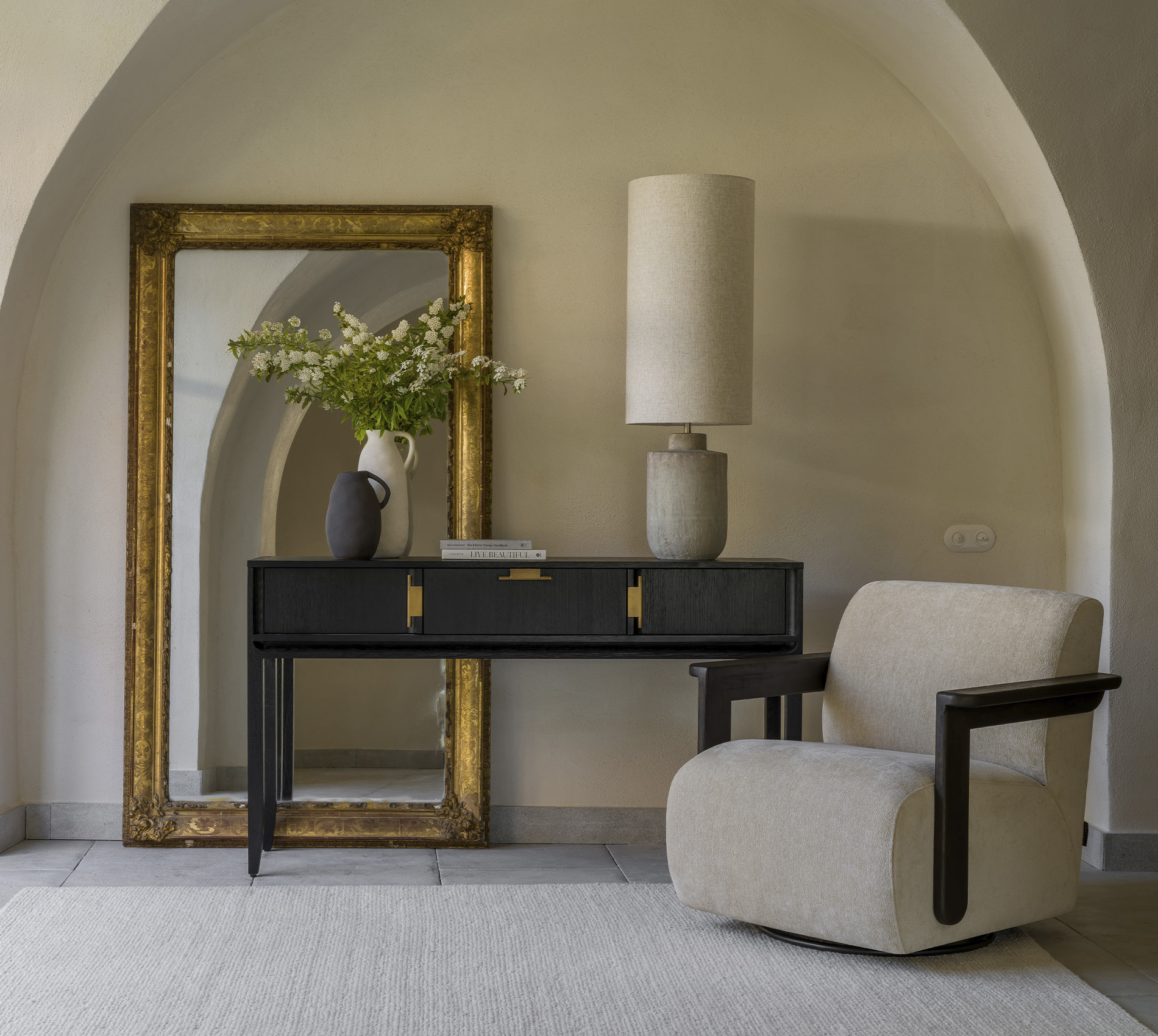
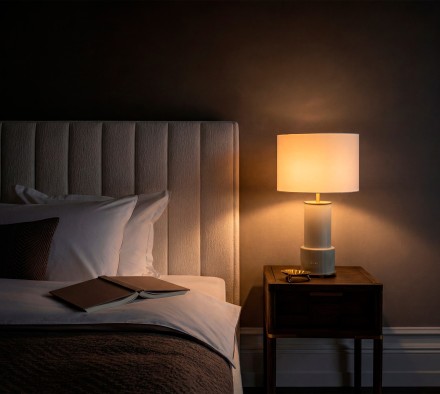
Some evenings the whole house comes down to one chair. Not the sofa, where someone else is watching something, and not the desk, which still smells of work, but a single seat with a lamp beside it and nobody else in it. Corners like this are rarely drawn on a plan. They appear where there is a metre and a half to spare: beside a window, in the turn of a wall, next to an old fireplace in a house that has one.
Sit sideways with your feet up, turn the page without reaching for a switch, and put the cup down without looking
What makes them work is not the style. It is whether you can sit sideways with your feet up, whether the light falls over your shoulder rather than into your eyes, and whether the cup goes down without you looking for the table. Three corners below, each built around a different chair, and each solving the problem a little differently.
Sonora: A Chair That Turns
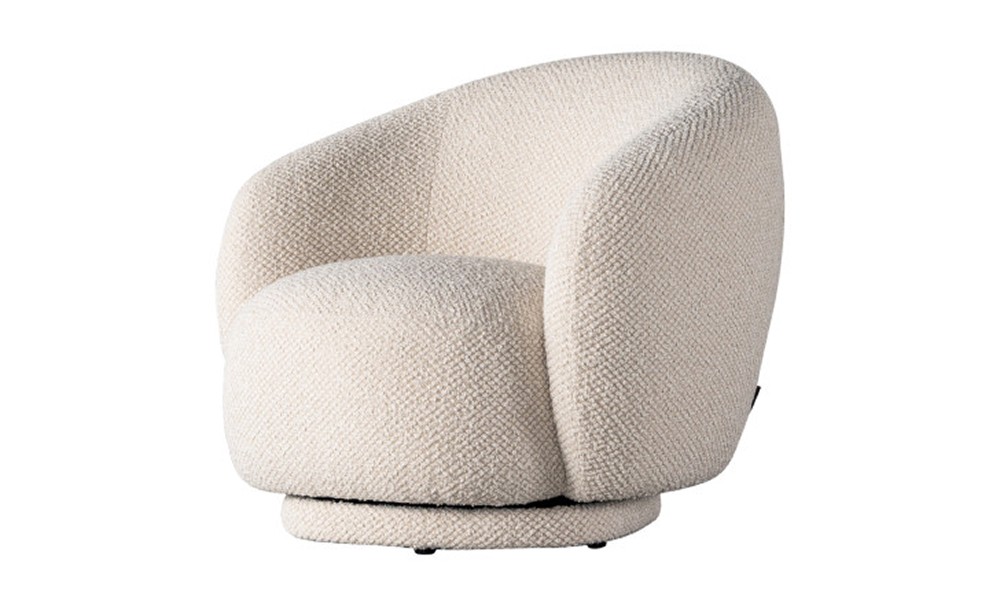
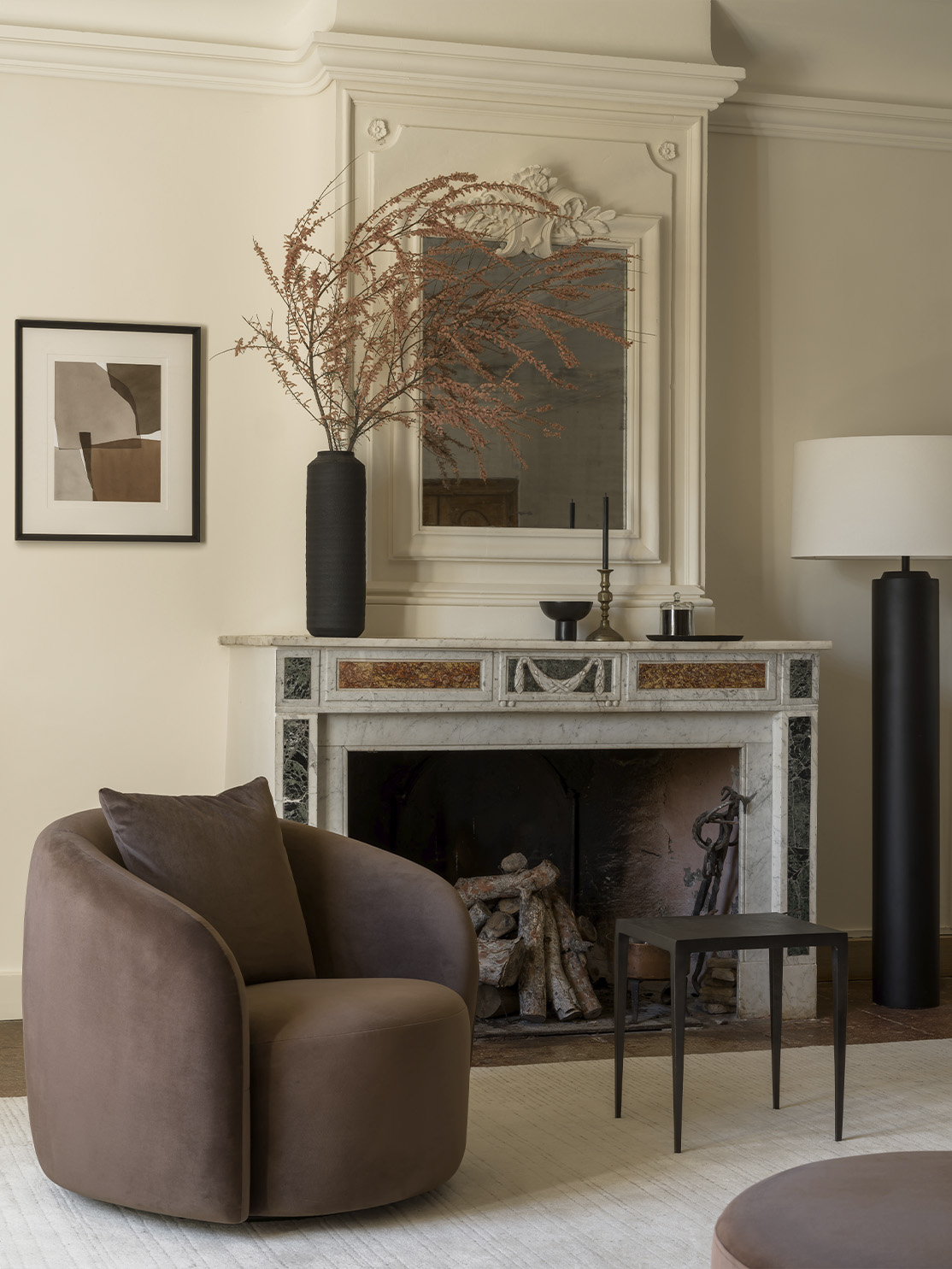
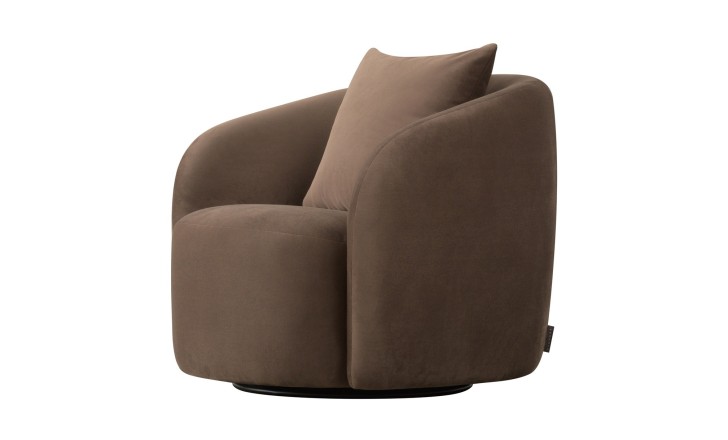
A swivel base is the quiet luxury of a small corner. The same chair faces the window through the afternoon and turns back into the room when the light goes, so one square metre does the work of two. Sonora's rounded back runs low and unbroken around the sides, which is what lets you sit across it rather than squarely in it: shoulder against one arm, feet drawn up, book resting on a knee.
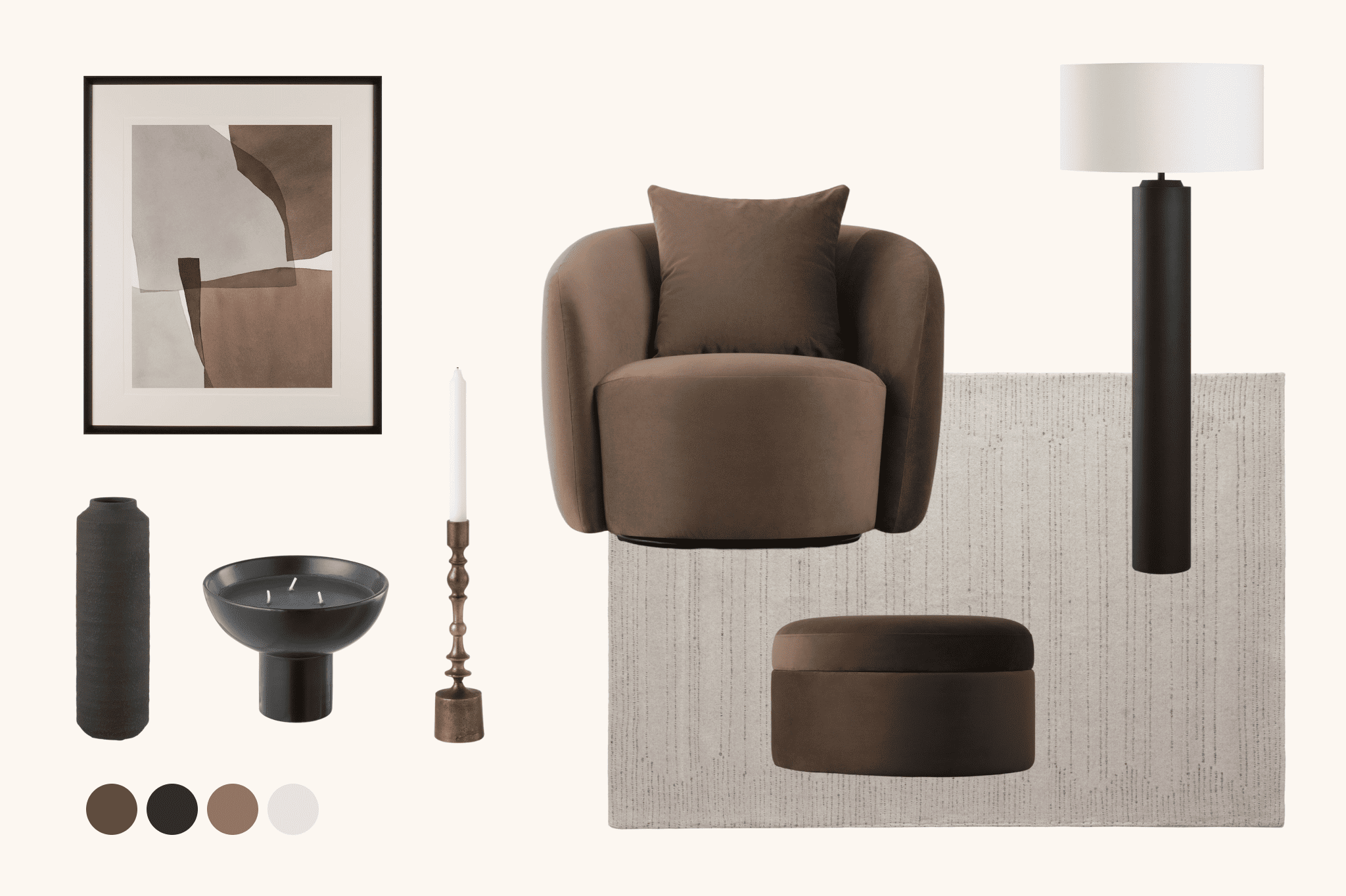
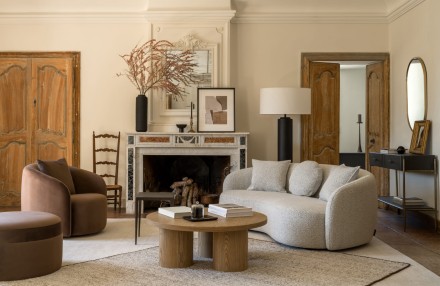
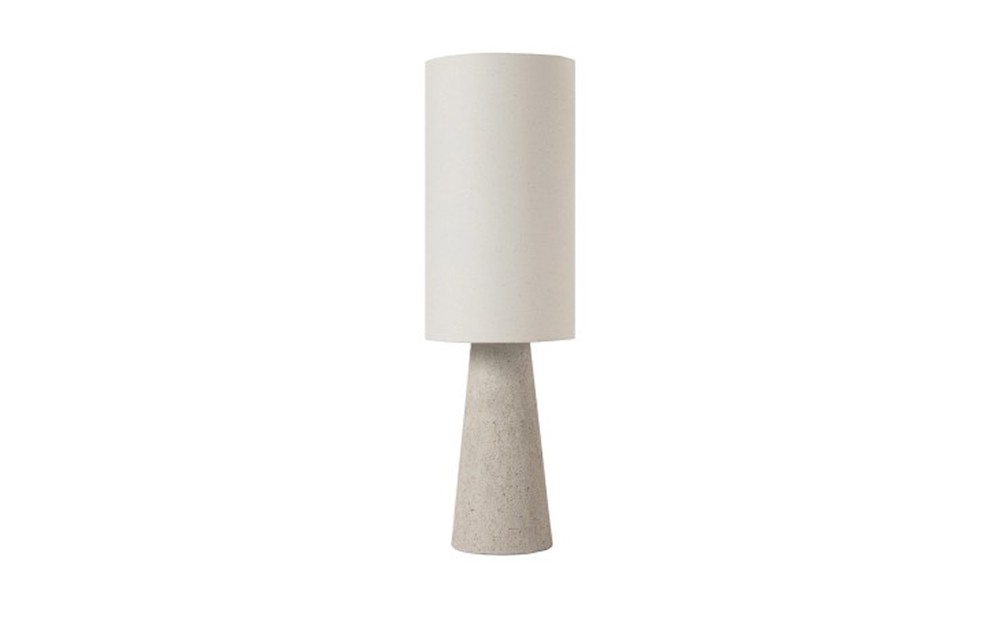
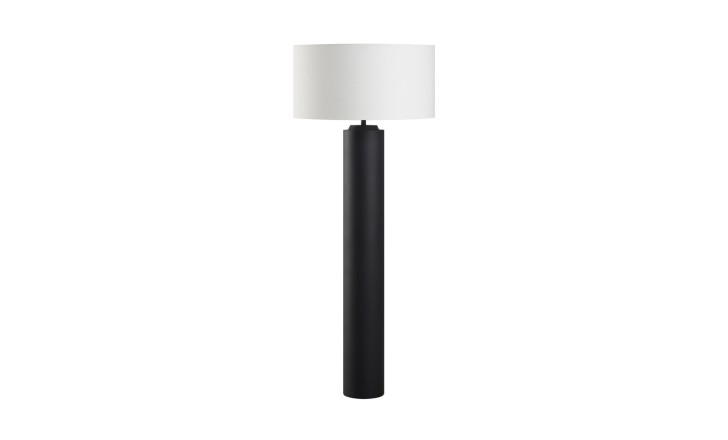
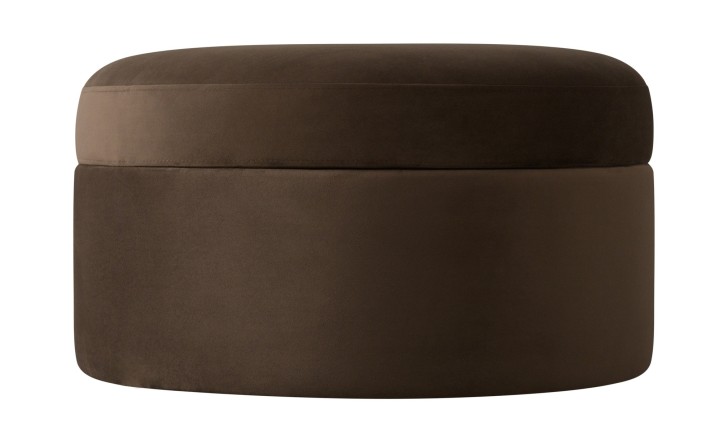
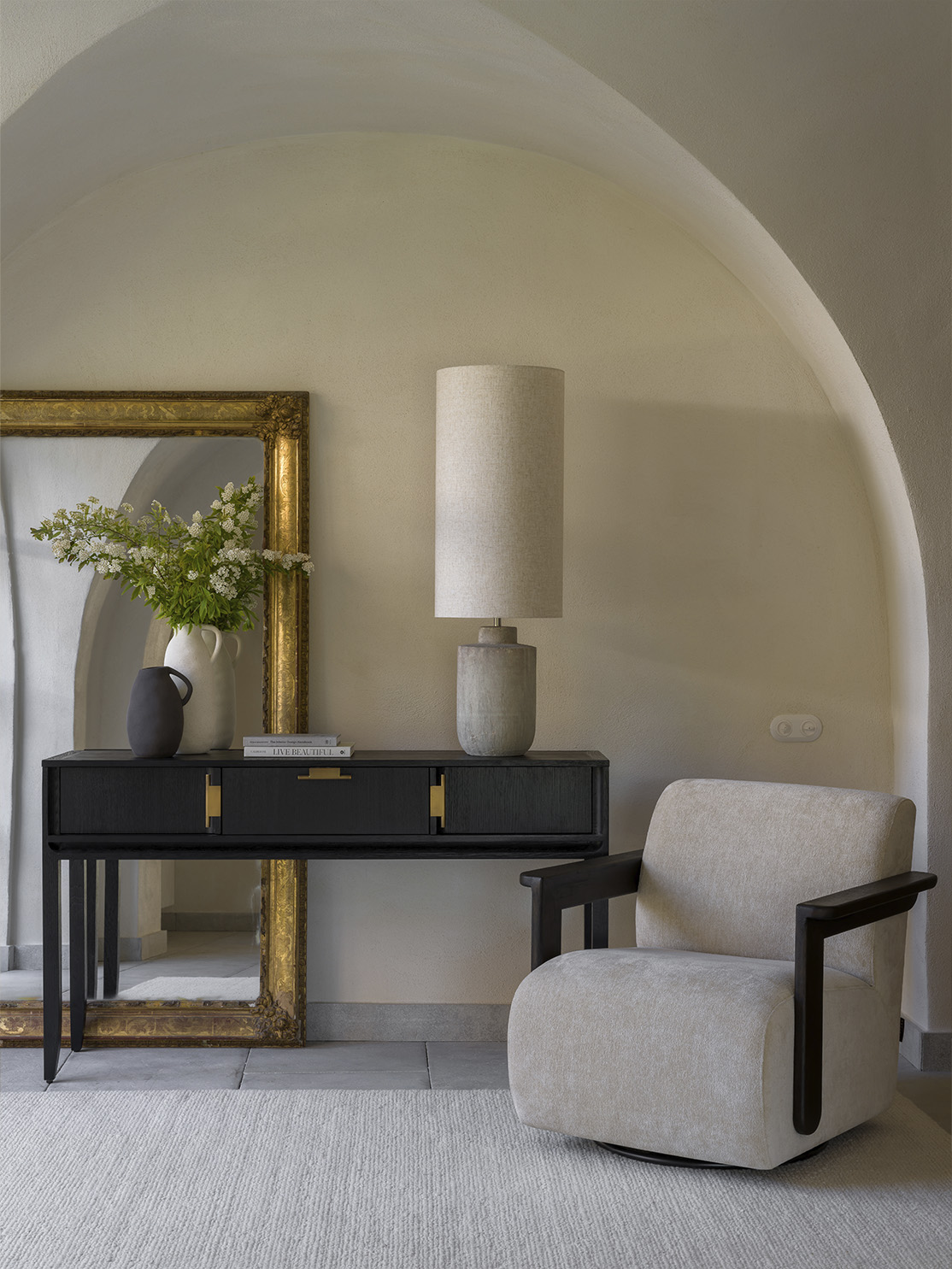
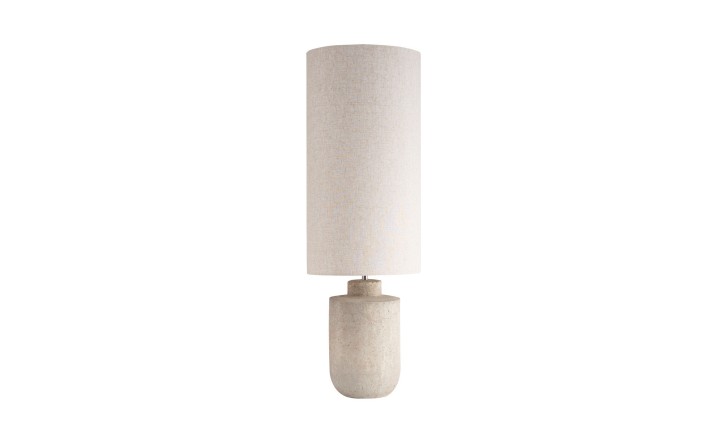
The ottoman does two jobs. It takes your feet at the height of the seat, so your legs stay level rather than dangling, and it opens, which is where the blanket lives, an arm's length from where it is needed instead of in a cupboard down the hall. Behind the chair, a slim floor lamp puts its shade above shoulder height, so the page is lit and your eyes are not. In this house the corner happened to form beside an old French chimneypiece, but the arrangement needs no such thing: a blank wall, a socket, and enough floor for the chair to turn.

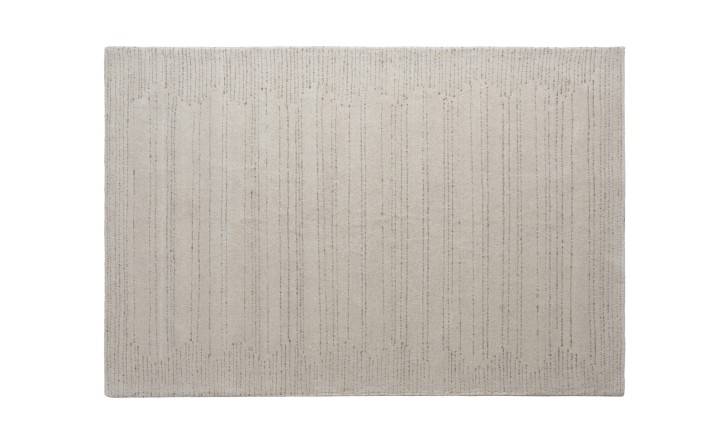


Silva: A Chair That Keeps Time
Rocking is an old trick for staying with a book. The movement is slow enough to be forgotten and steady enough to keep you where you are, and an hour passes without the usual reach for a phone. Silva's frame gives the motion a long, shallow arc rather than a short one, so it settles rather than bounces, and the seat is firm enough to get out of without a push.
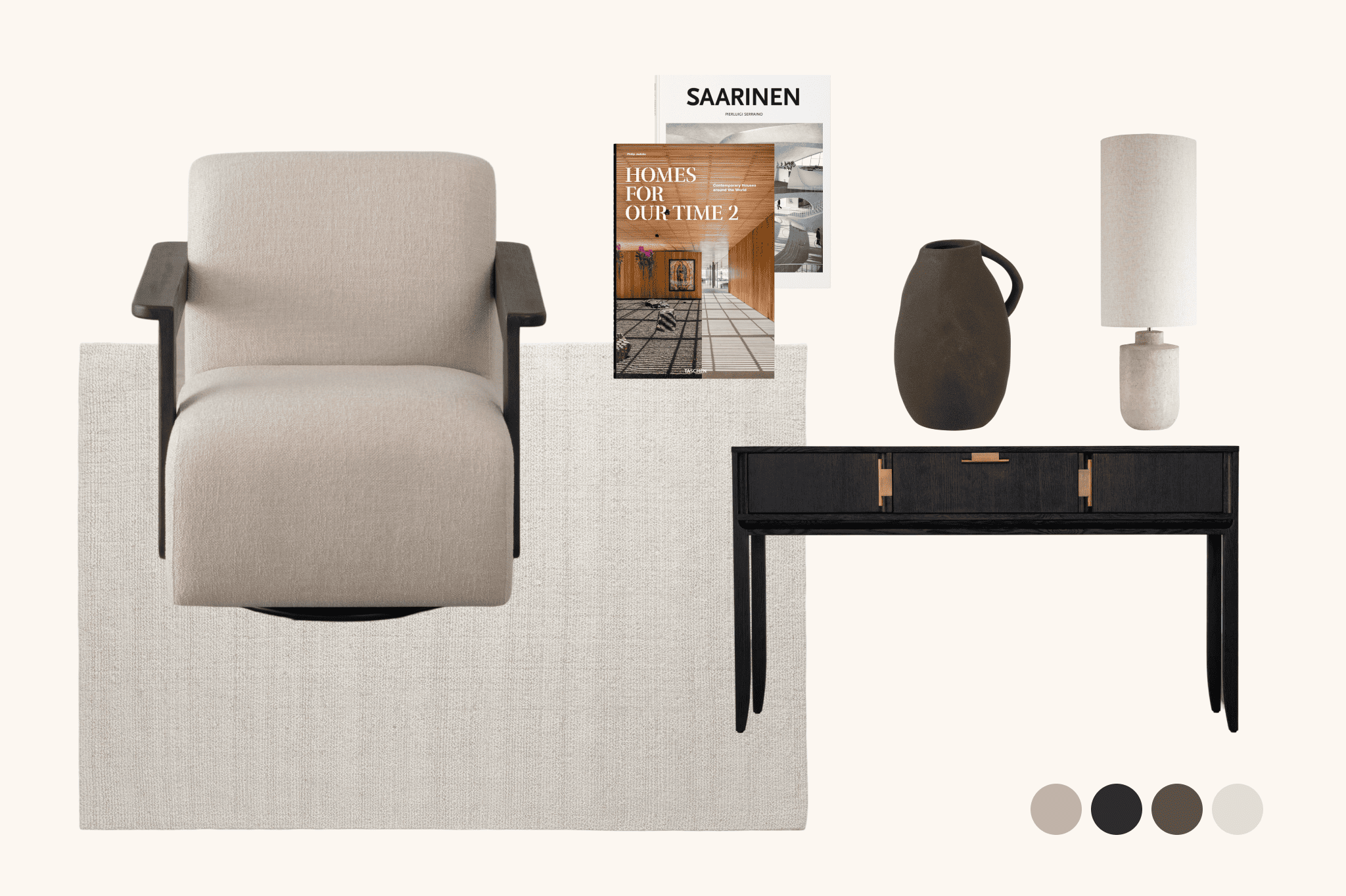
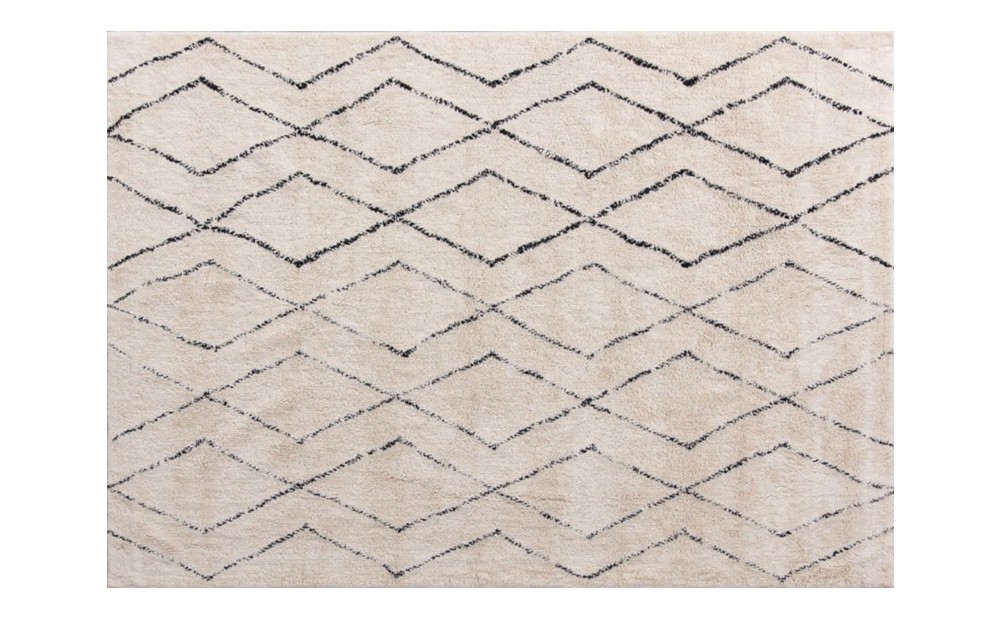
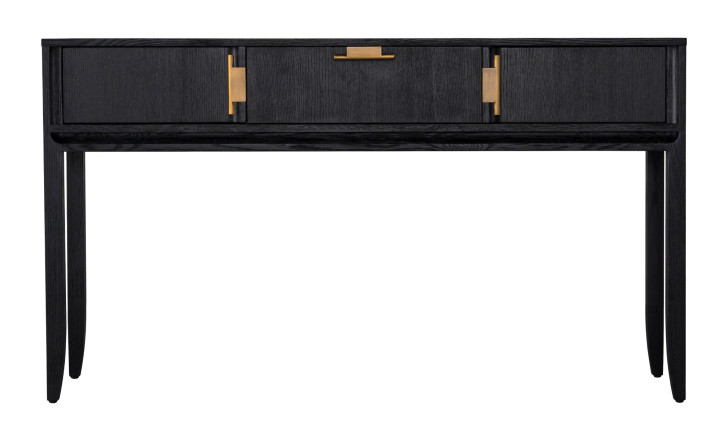
The console behind the chair answers the question every reader has: where do the other four books go. Within reach, spines up, alongside the ones that are only ever half read. The lamp sits at the far end of it, high enough that its light crosses the shoulder and lands on the page, and low enough that the rest of the room stays dim. A soft rug underfoot takes the sound out of the rockers, which matters if the corner sits in a hallway or a passage where someone else is asleep beyond the wall.




Sonora in Boucle: A Chair for the Corner Itself
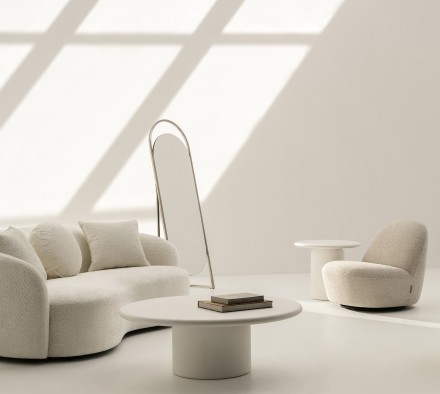
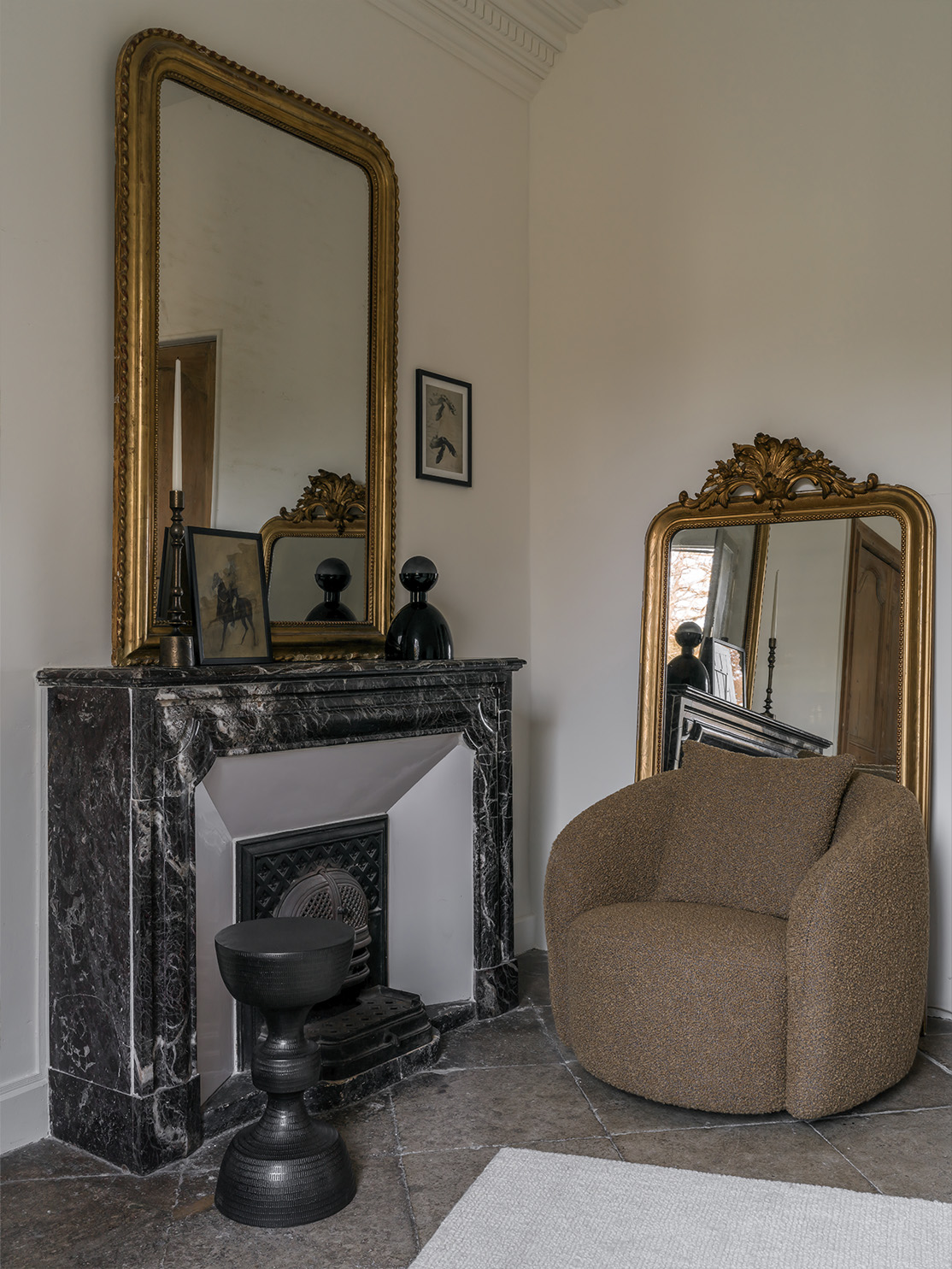
The smallest version of this idea needs three things and no more: a chair, something low beside it, and a candle. With walls on two sides the corner encloses itself, the sound drops, and nothing behind you competes for attention. Boucle helps here as much as the shape does. It holds warmth, it takes the shine out of the light, and it makes a deep seat feel occupied even when you are sitting in half of it.
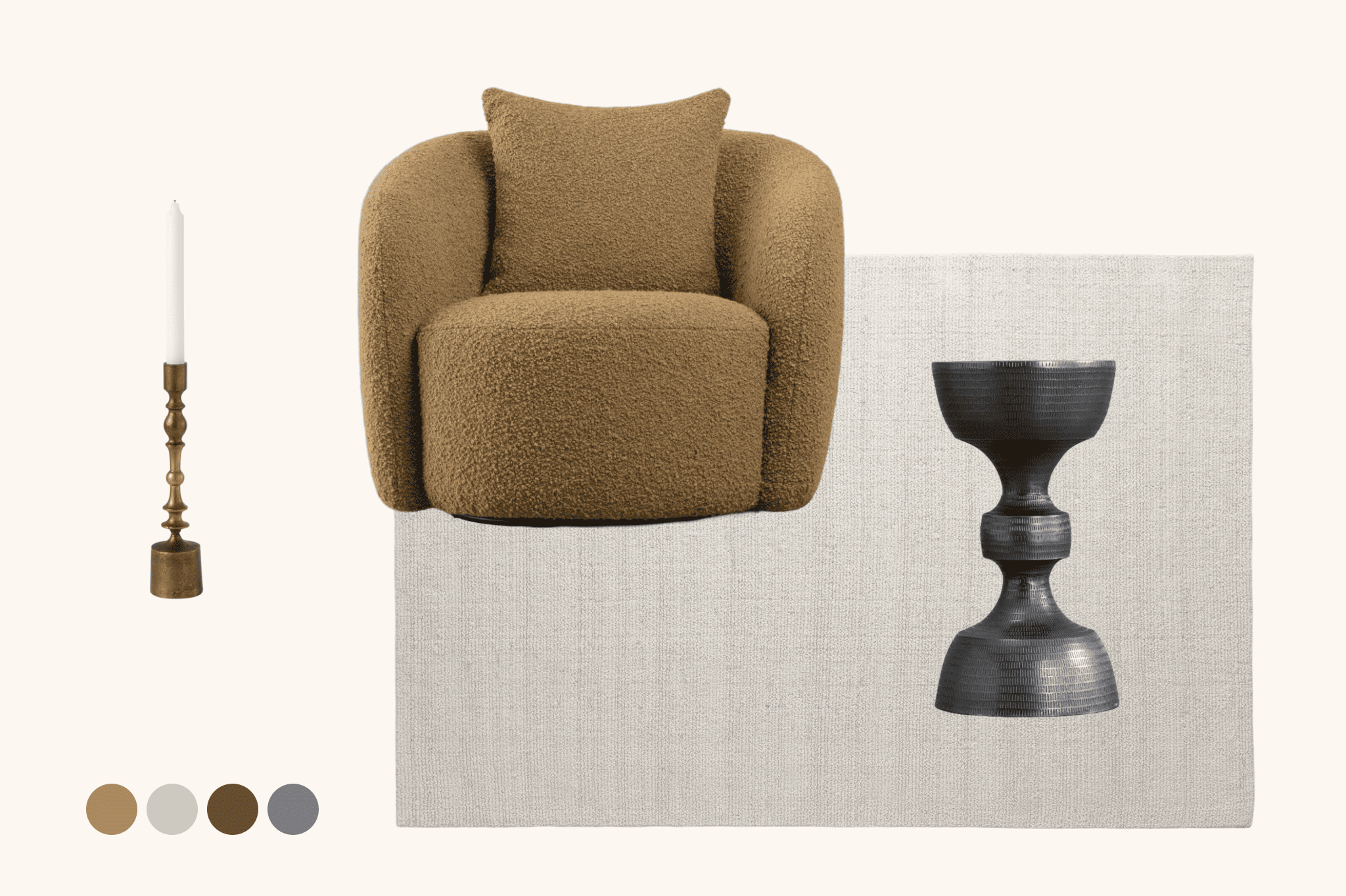
The table stays low on purpose. A book laid face down keeps its page, a cup sits below the elbow where it can be found without breaking off mid-sentence, and nothing crowds the arm of the chair. As the evening goes on, a single candle does what a lamp would do too brightly, and the corner closes down to the size of the chair. Worth remembering that a corner like this can be assembled anywhere a room turns, which is usually the part of the floor plan nobody knew what to do with.


Two square metres is still a project, and Dantone Home designers approach it with the same care as an entire room, considering the lamp height in relation to yours, the seat depth in relation to how you actually sit, and the placement of the chair so it never gets in the way