





The Japandi Philosophy: Designing with Intention
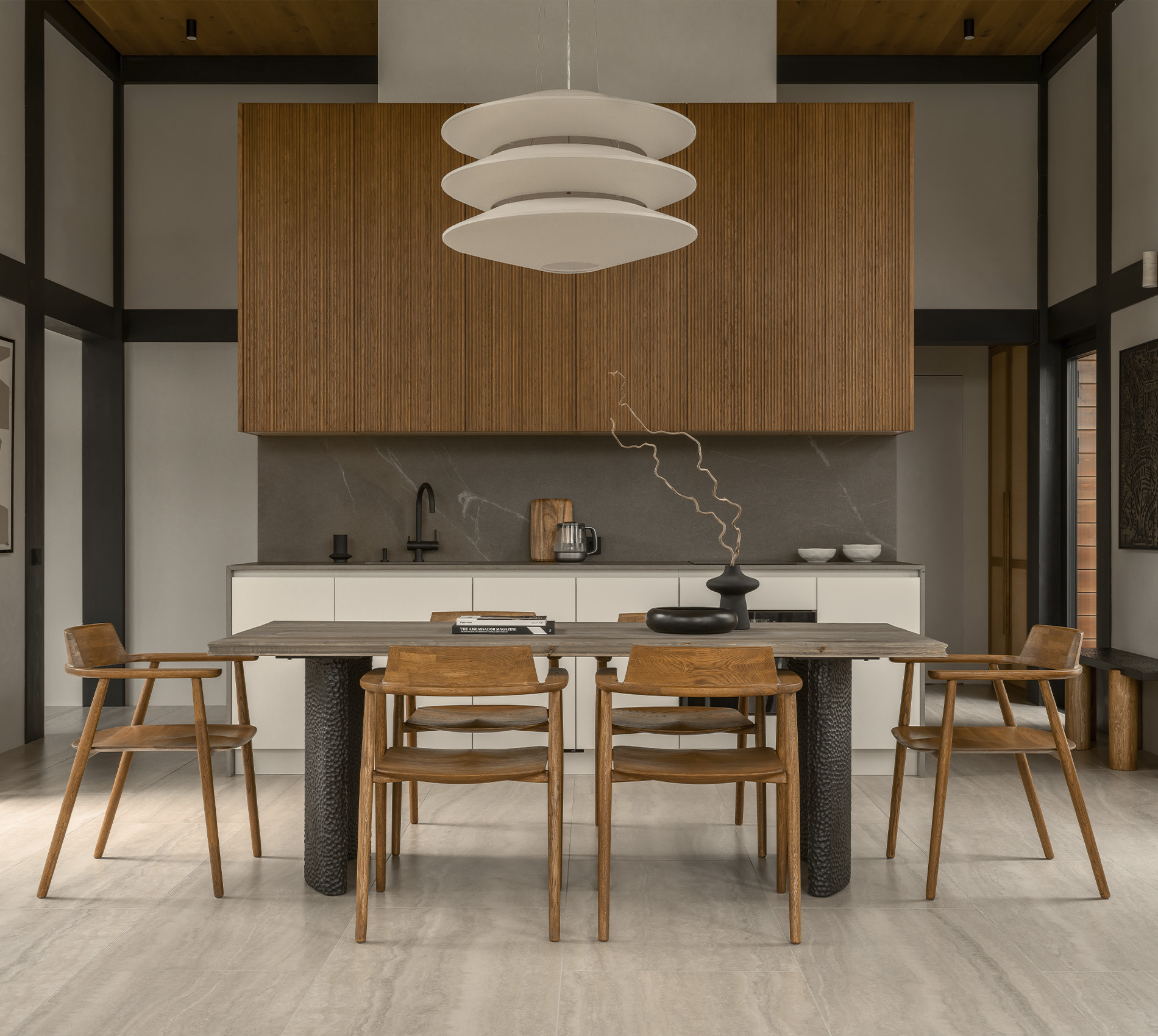
Japandi is often described as a style, but in essence it is a philosophy of living. Rooted in the quiet dialogue between Japanese restraint and Scandinavian warmth, Japandi interiors are defined by balance: between simplicity and comfort, emptiness and presence, function and emotion.
Balance as a Foundation
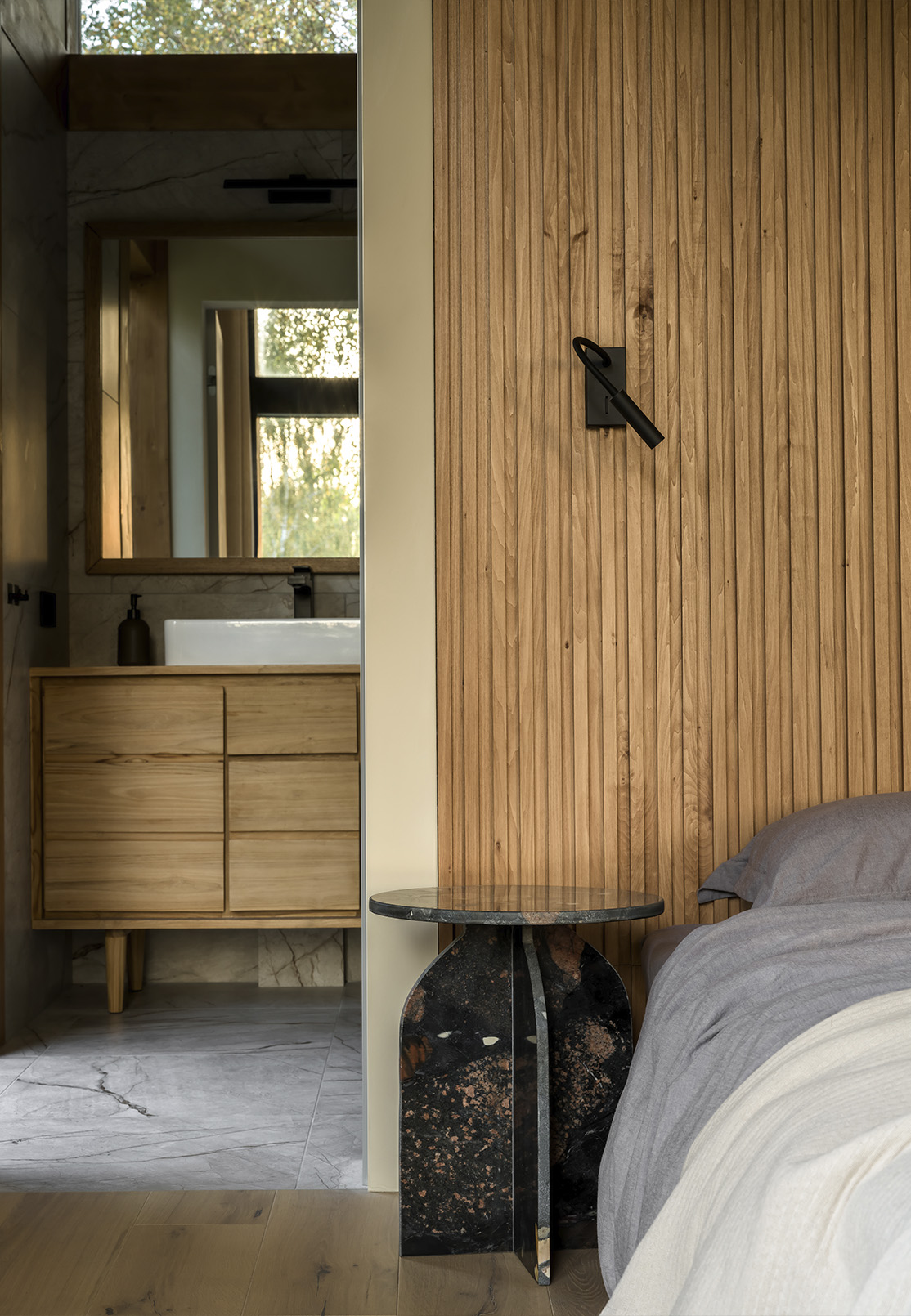
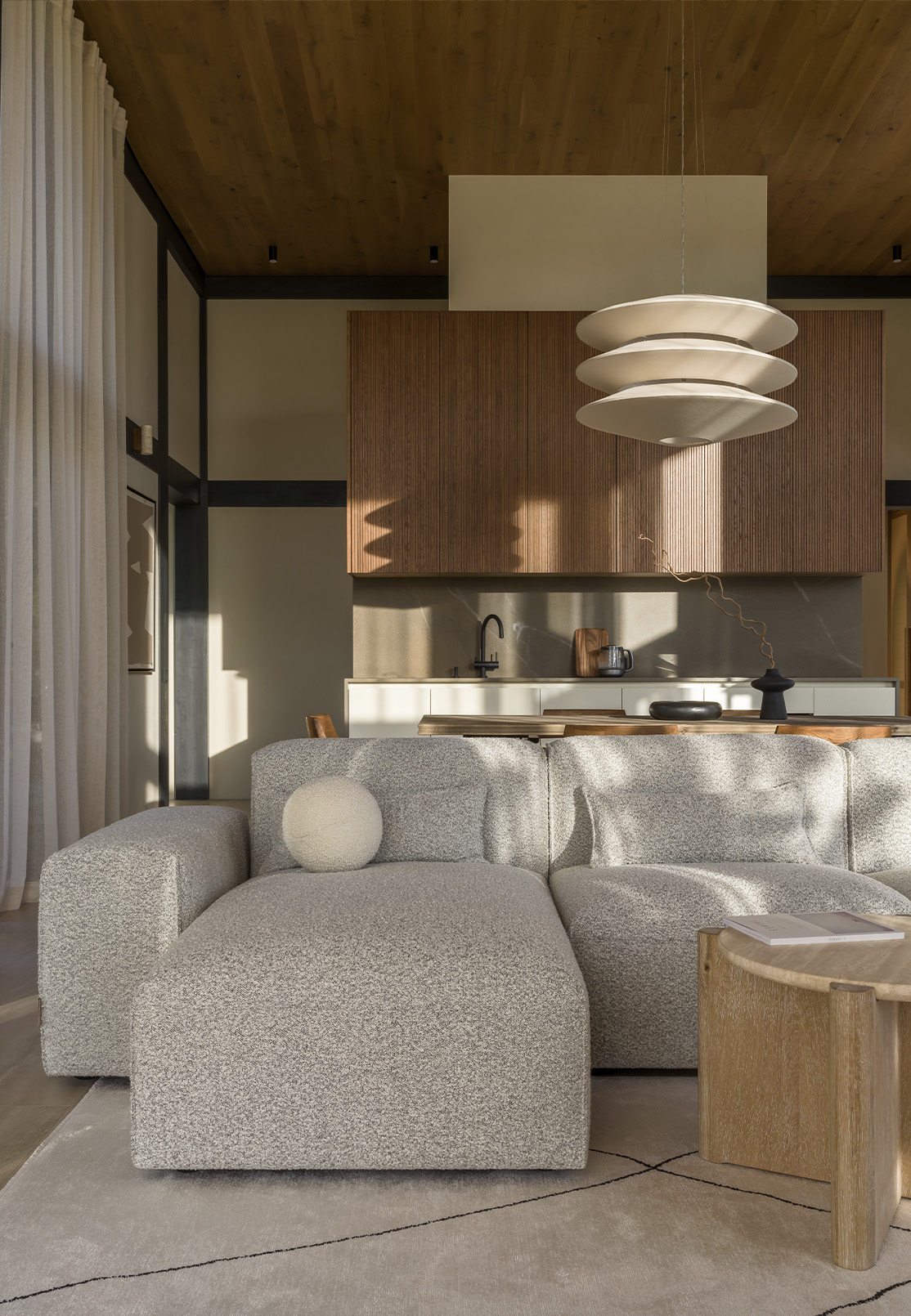
At the heart of Japandi lies balance. Japanese interiors embrace restraint, negative space and clarity, while Scandinavian design brings warmth, tactility and an emphasis on comfort. Japandi emerges where these two sensibilities meet. Not as a compromise, but as a refined equilibrium. Nothing feels excessive, yet nothing feels cold. Spaces are intentionally composed, allowing each object to breathe and each material to be appreciated. This balance creates interiors that feel quietly confident and timeless.
Calm Colours, Natural Depth
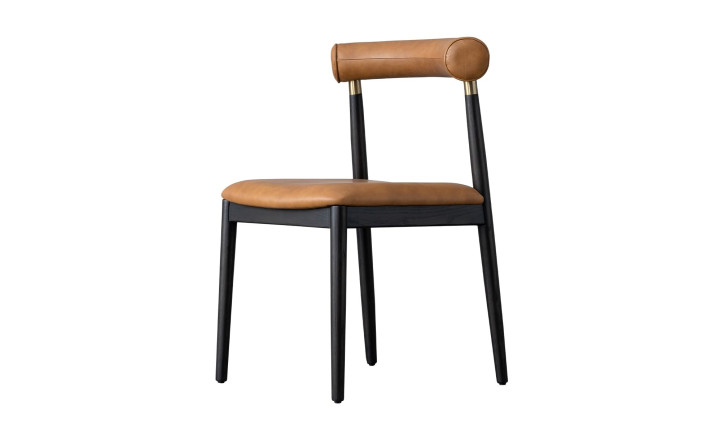
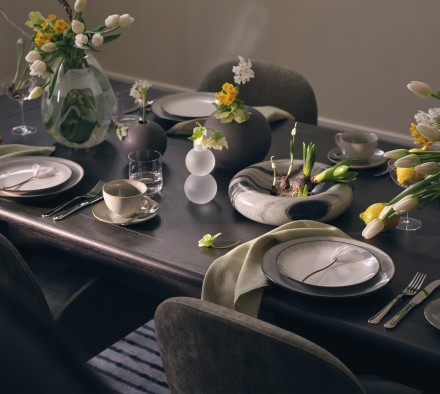
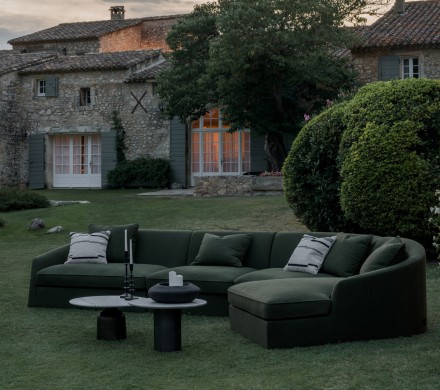
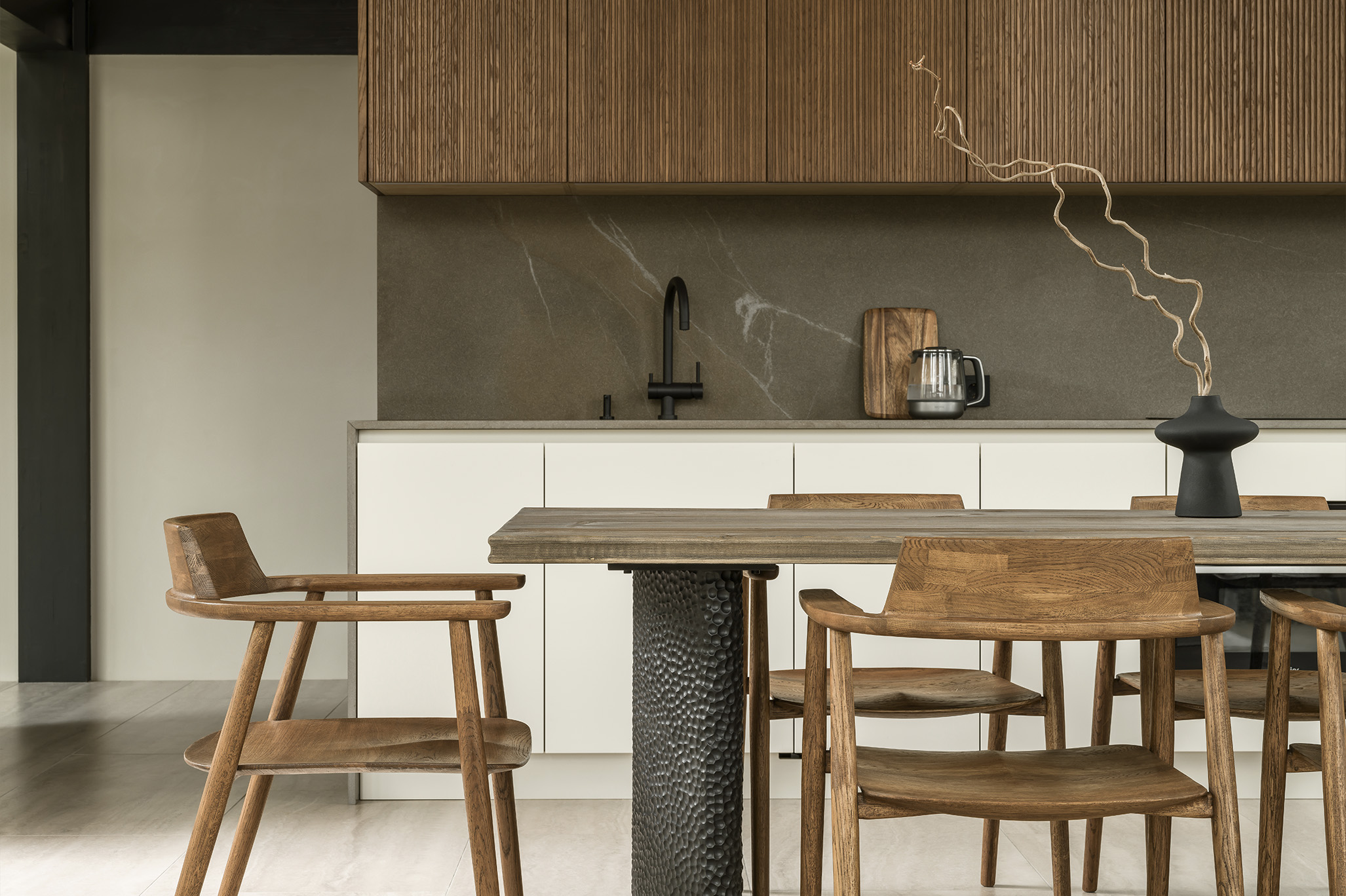
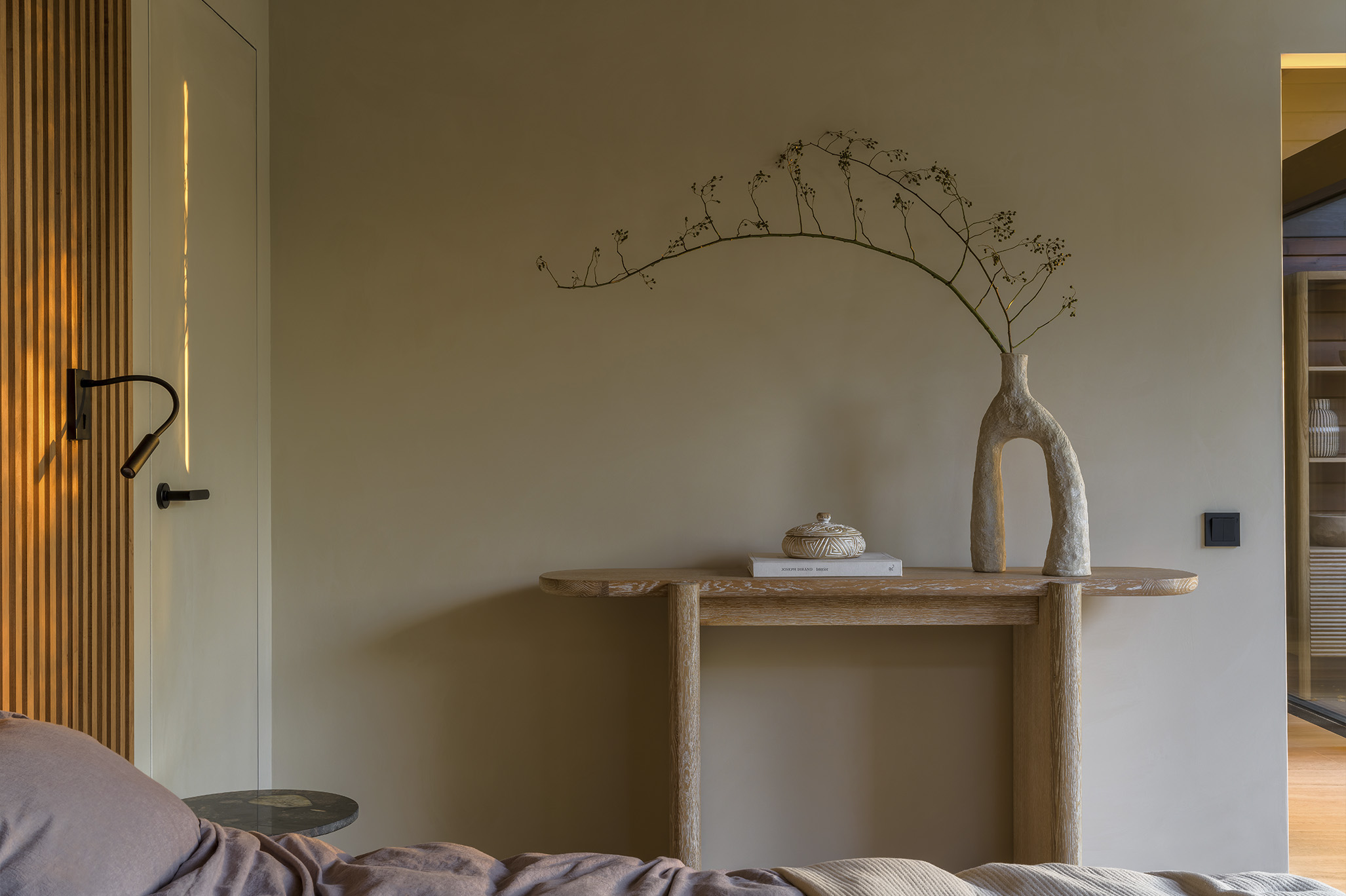
The colour language of Japandi is subtle but far from flat. Soft neutrals — sand, stone, warm grey and muted taupe — form the foundation, while deeper tones such as charcoal, dark wood and subdued greens add depth and contrast. Colour works as a backdrop for light, texture and form. The result is an interior that feels cohesive and soothing, with a natural rhythm that evolves throughout the day.
Texture, Craft and Authenticity
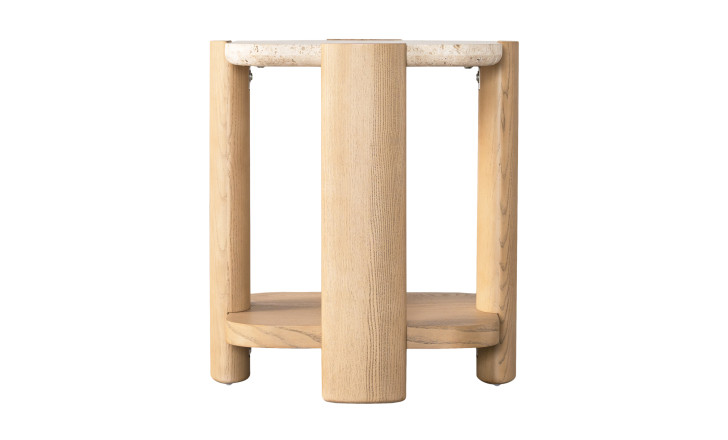
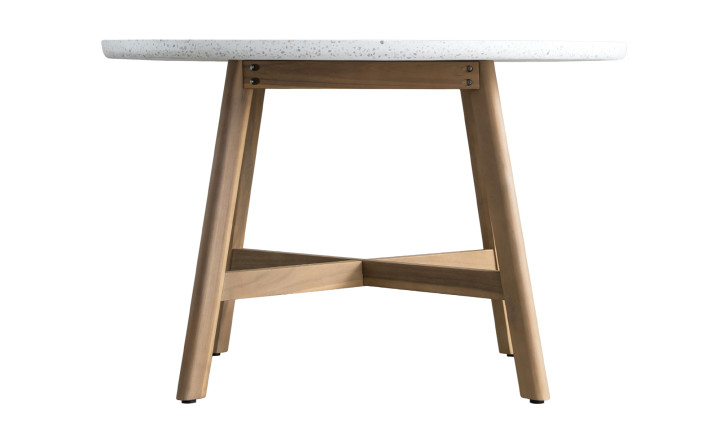
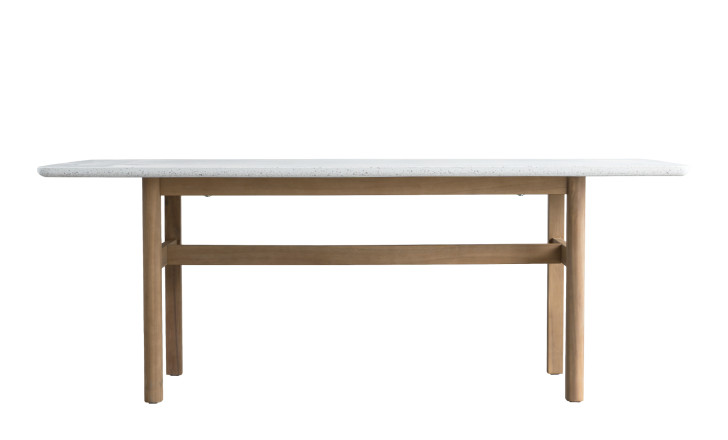
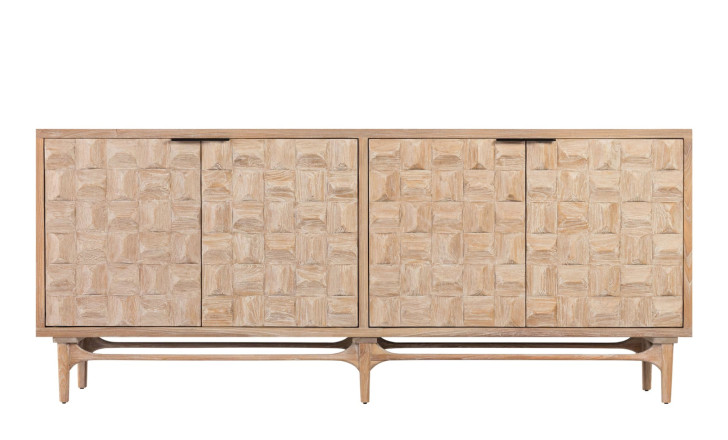
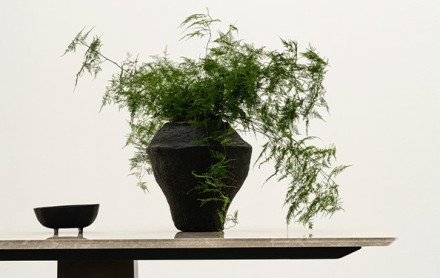
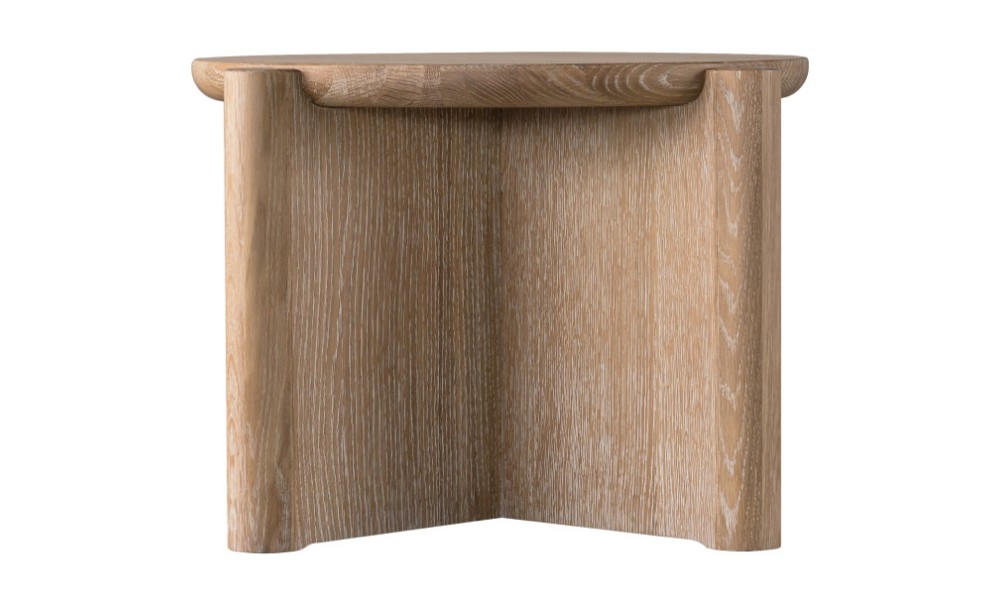
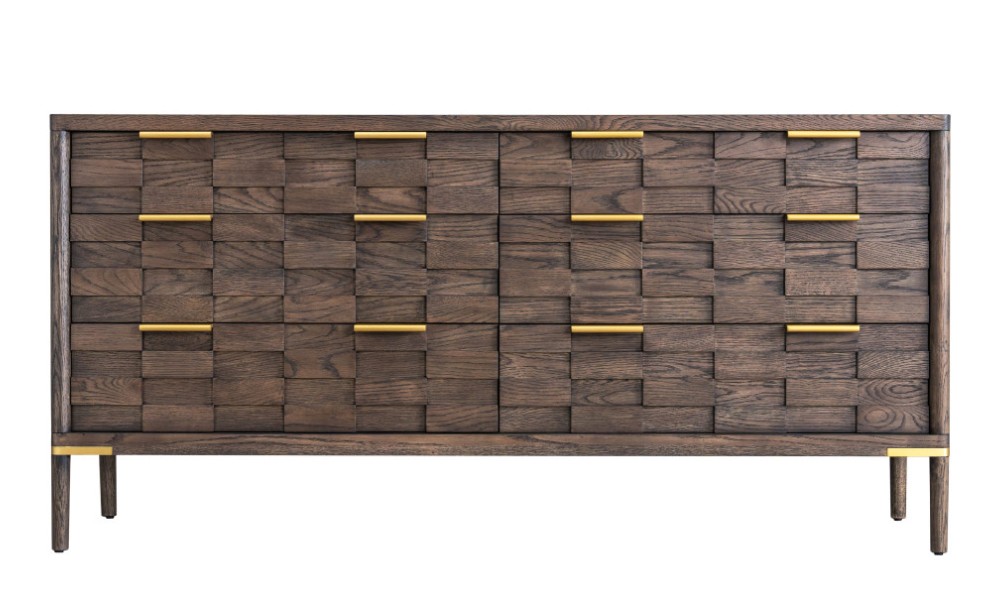
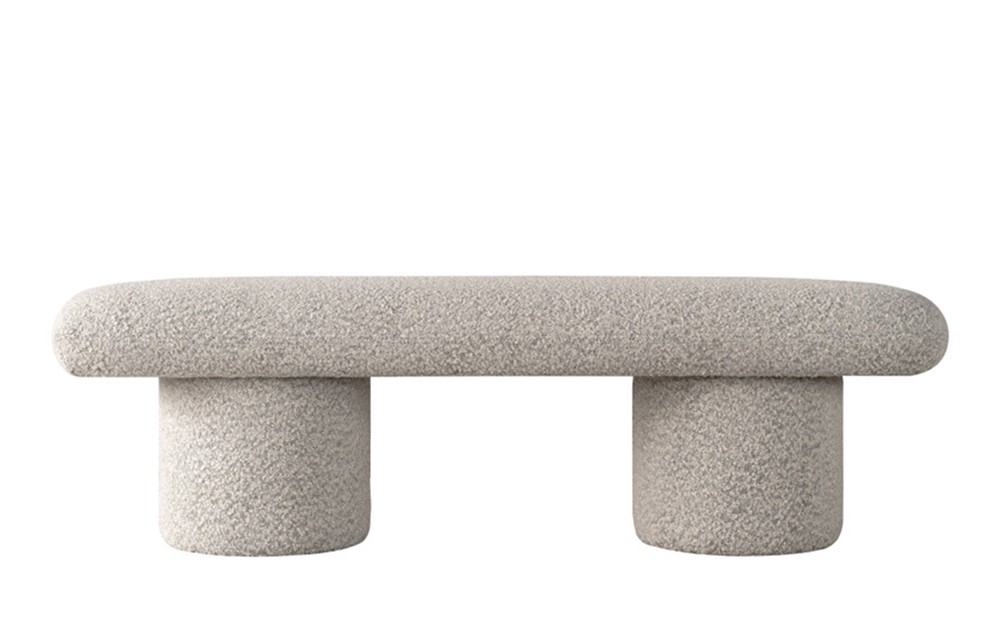
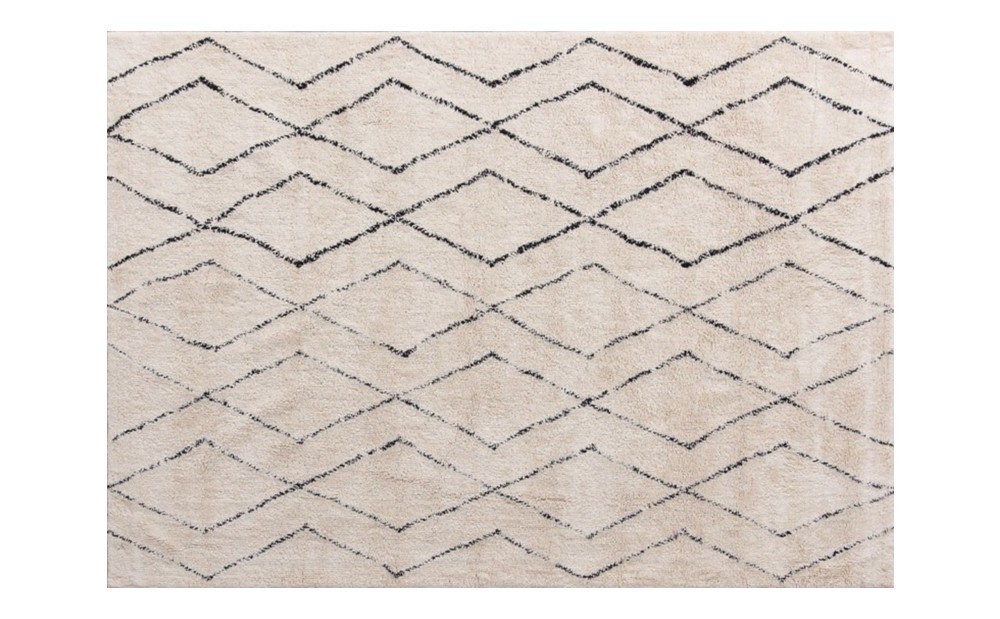
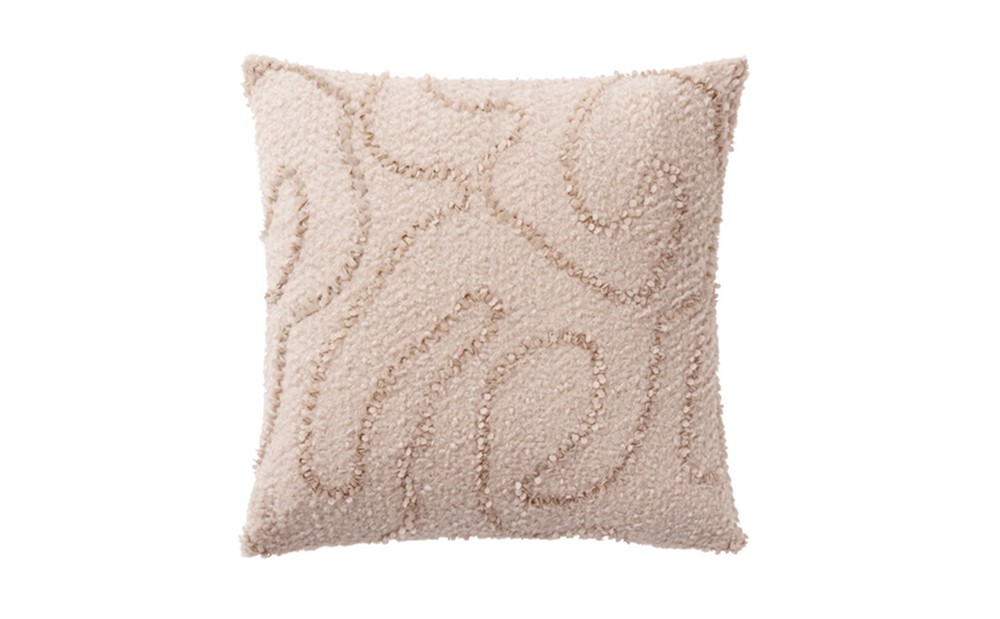
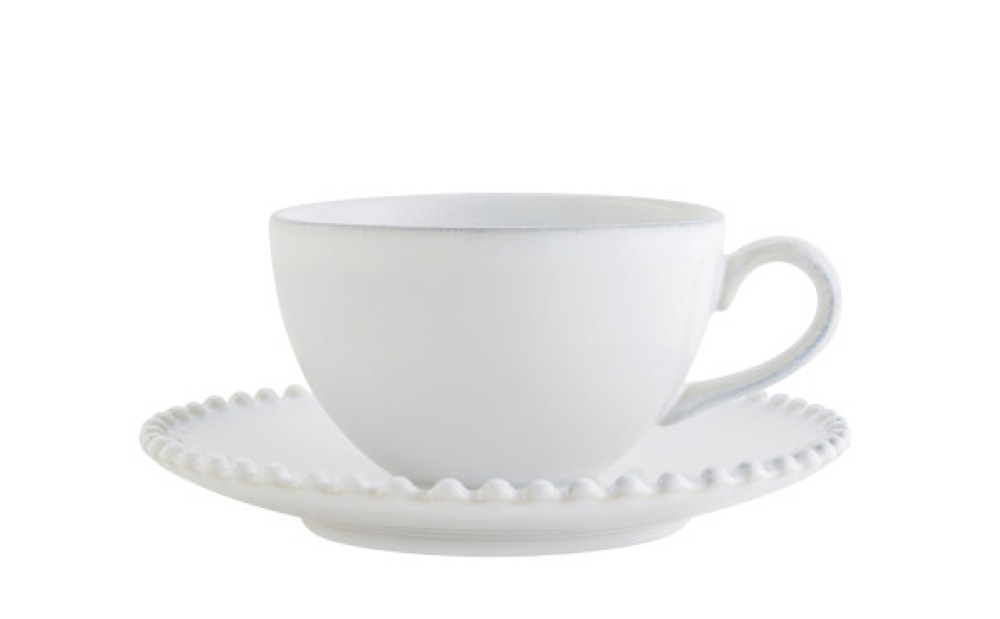
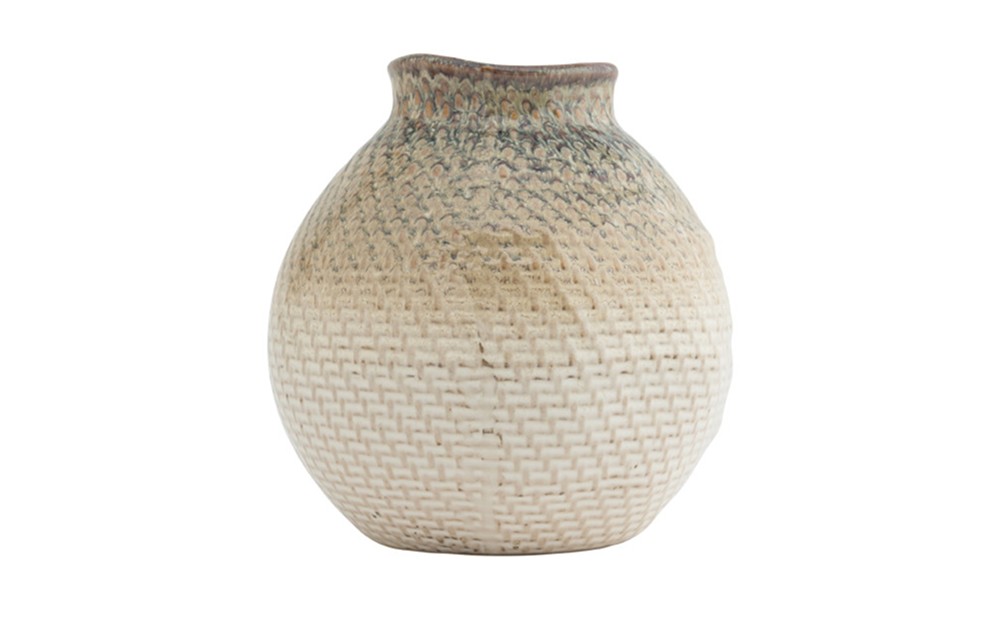
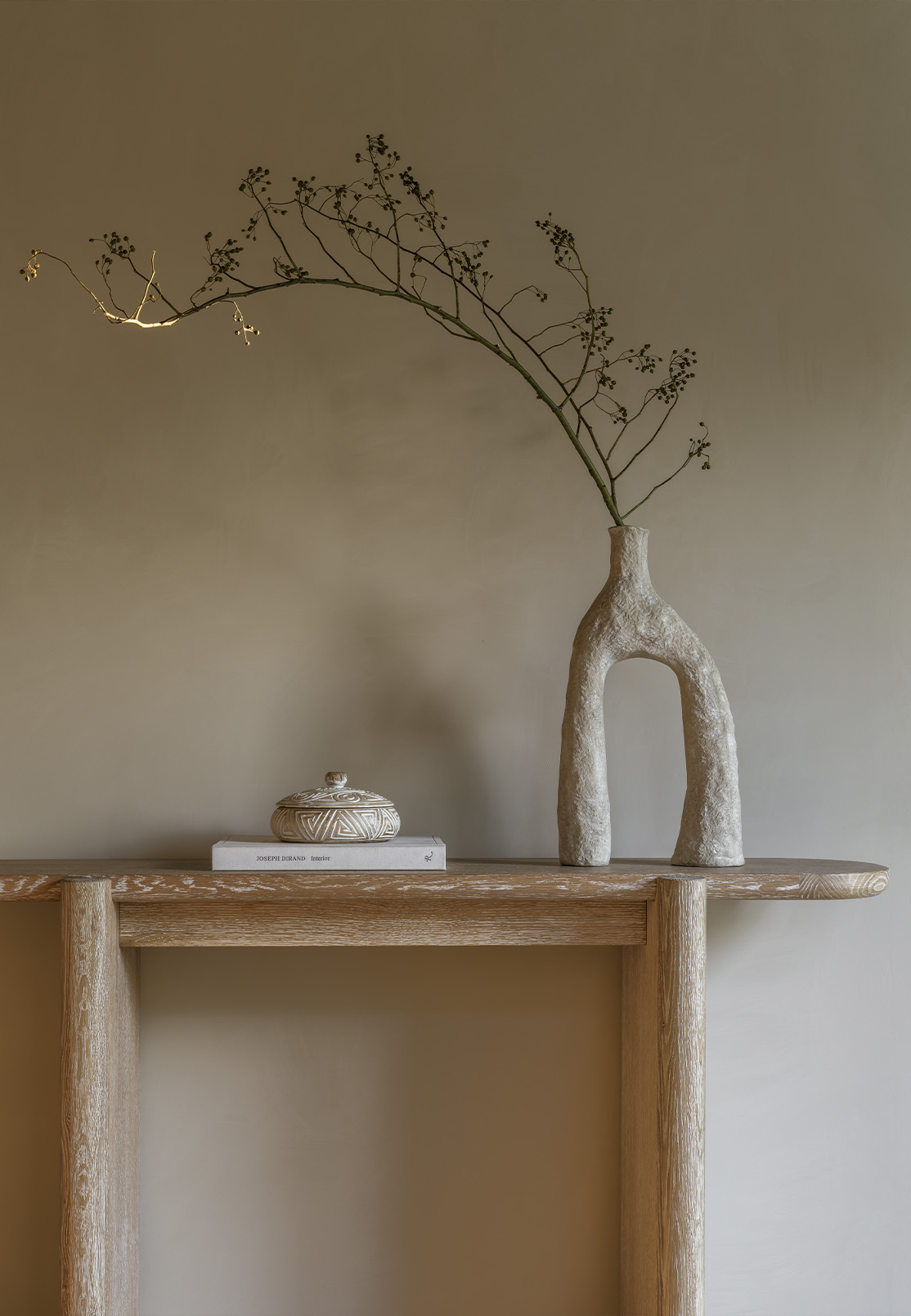
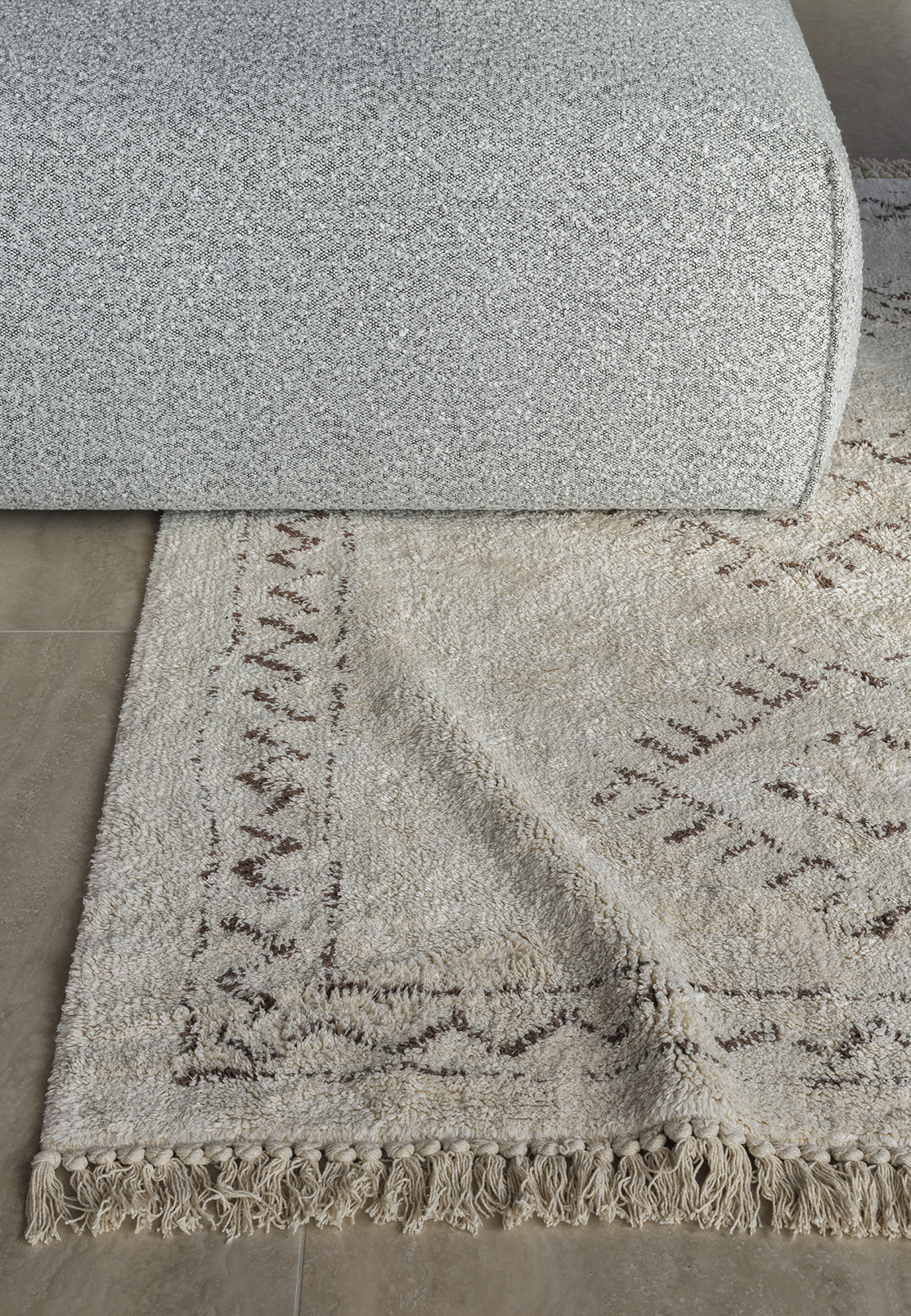
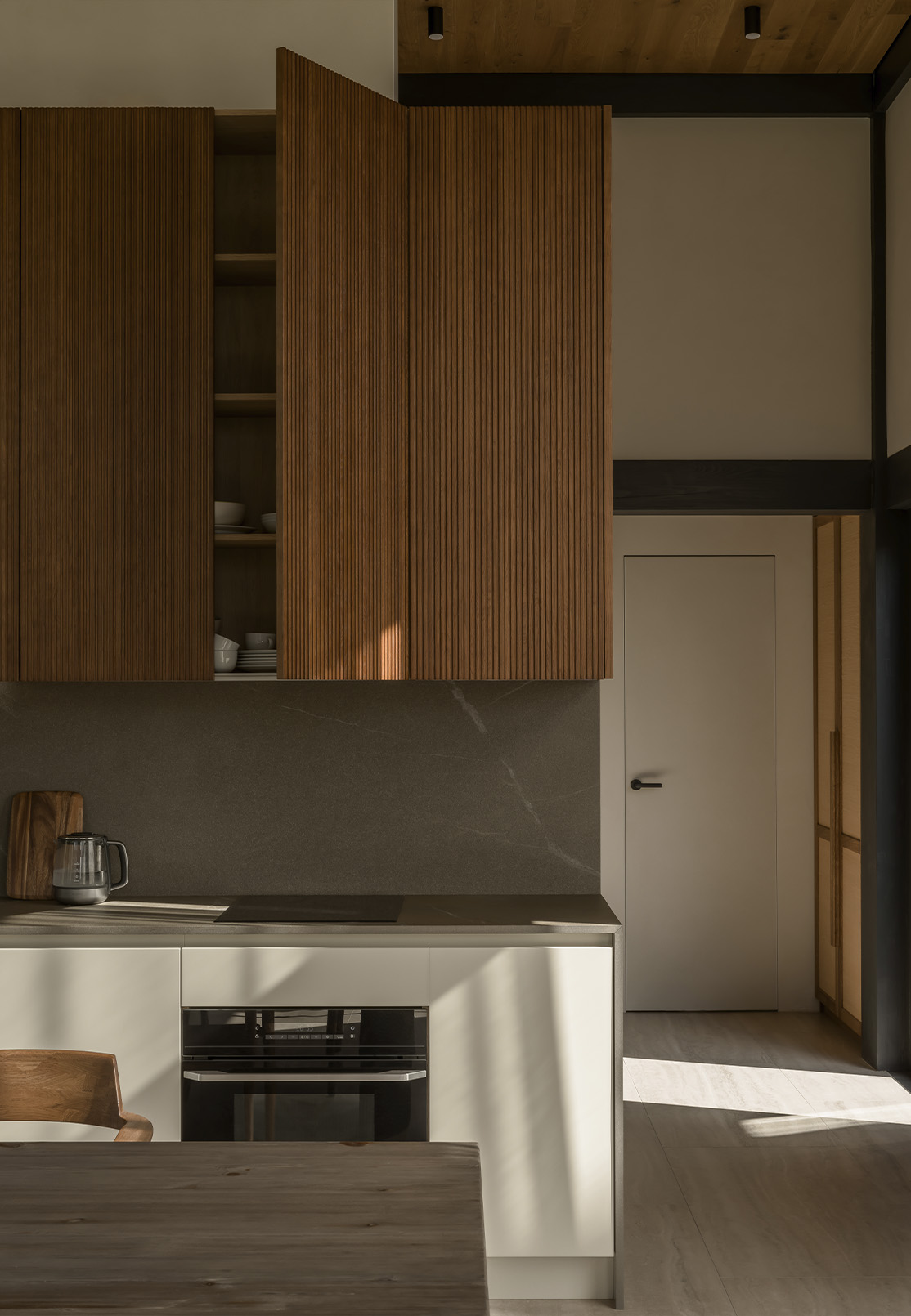
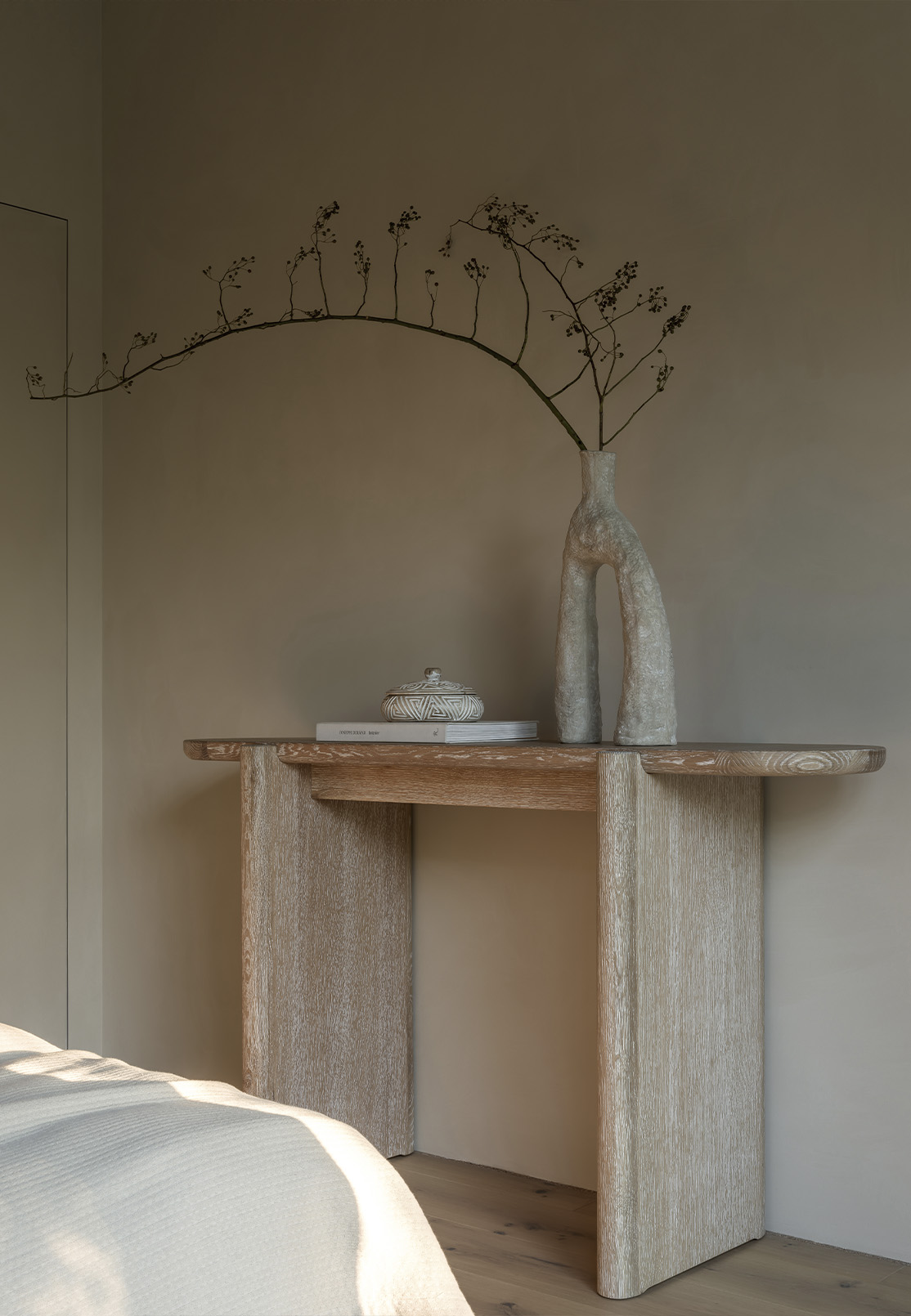
Japandi interiors place great importance on material honesty. Wood, stone, ceramics, linen and wool are chosen not for decoration, but for how they feel and how they age over time. Visible grain, subtle imperfections and tactile surfaces are embraced as signs of craftsmanship and authenticity. These materials add warmth and character, creating spaces that feel grounded and human rather than overly polished.
Furniture with Purpose
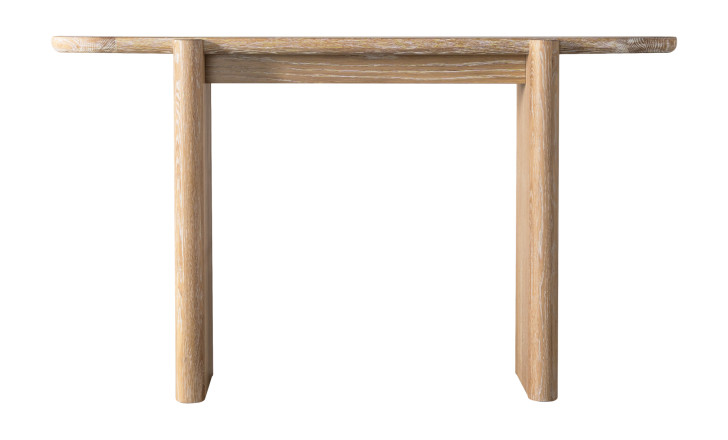
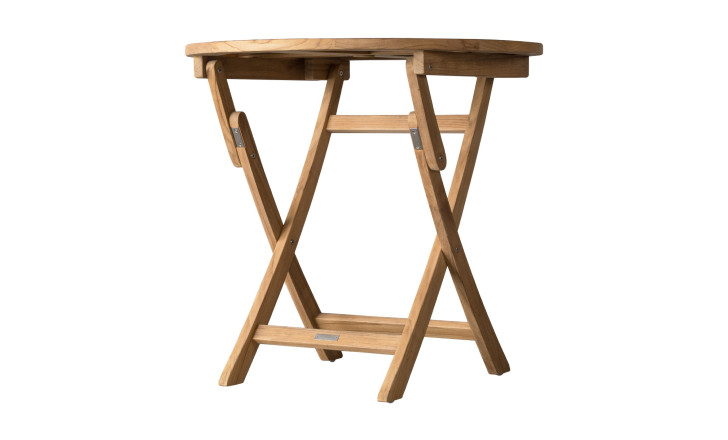
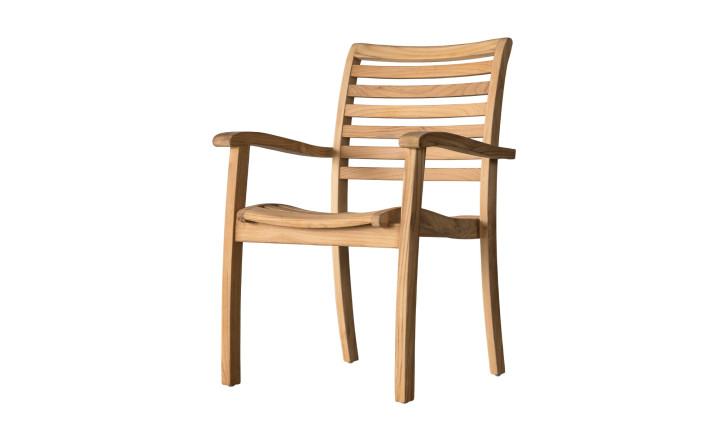
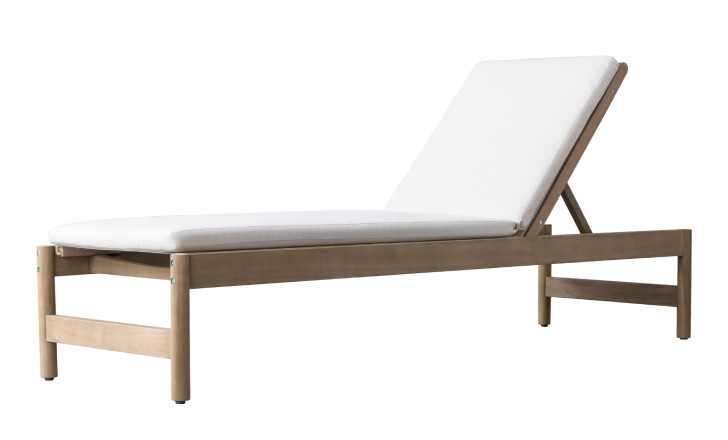
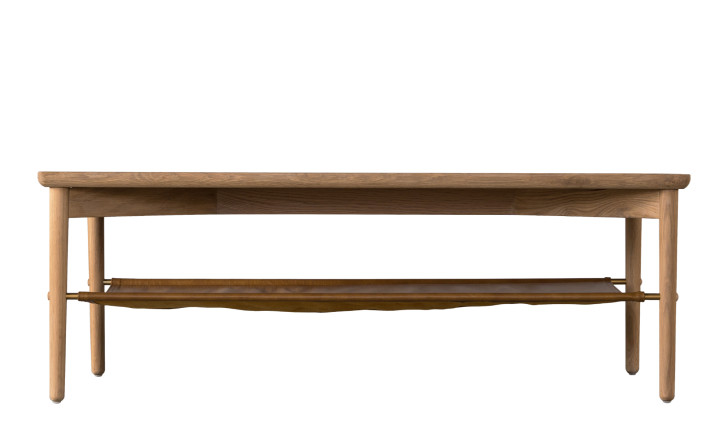
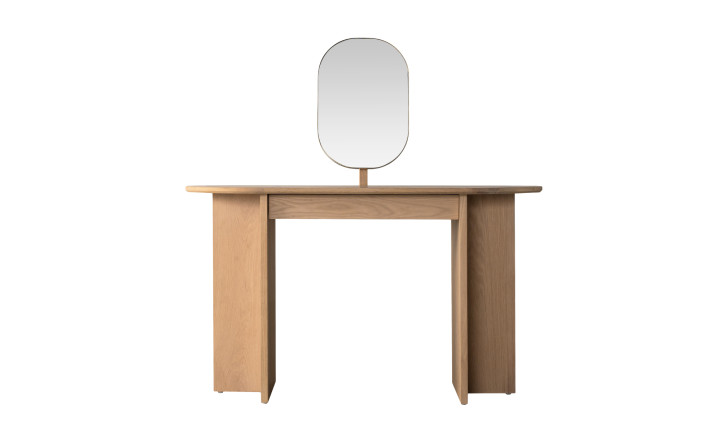
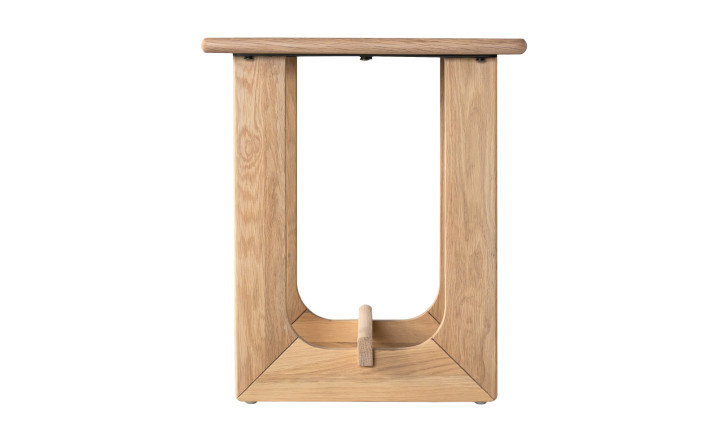
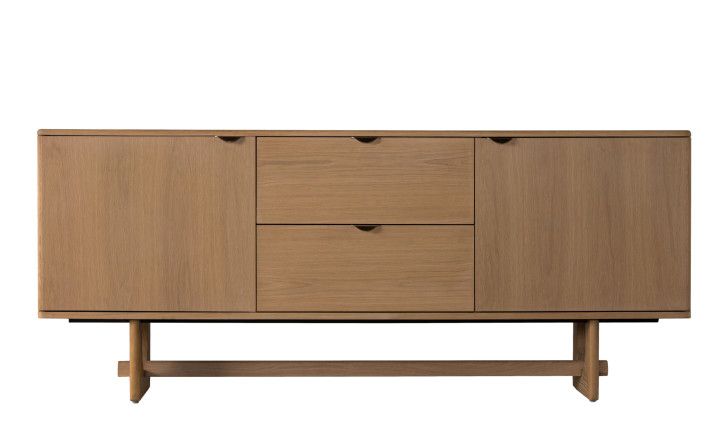
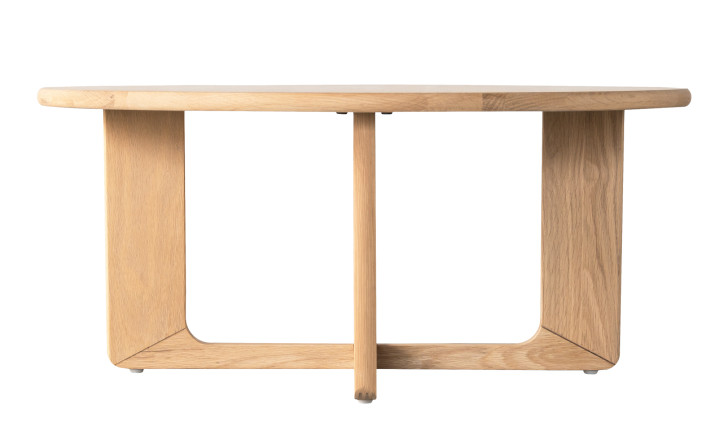
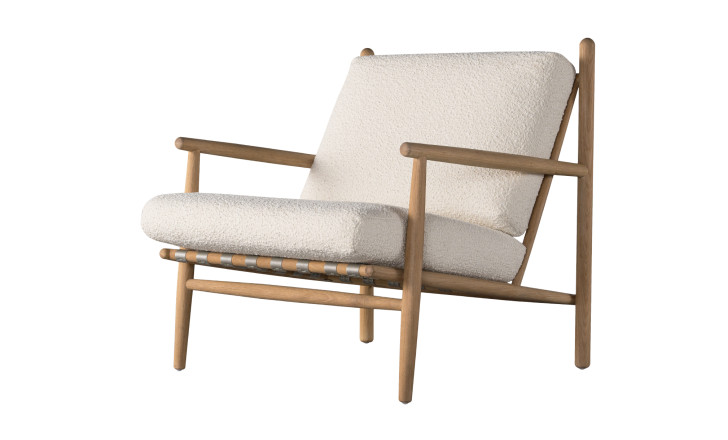
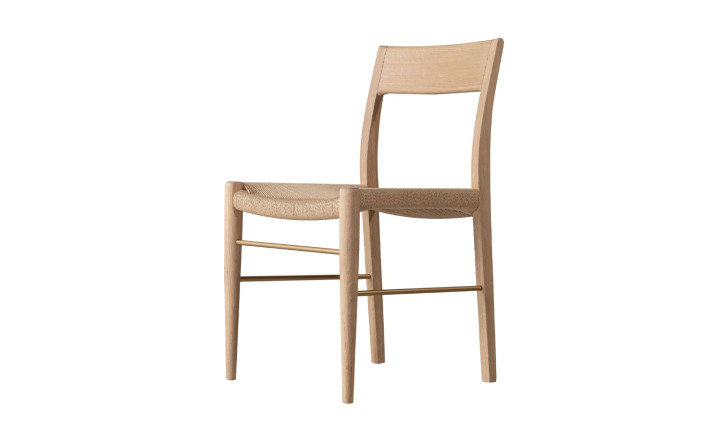
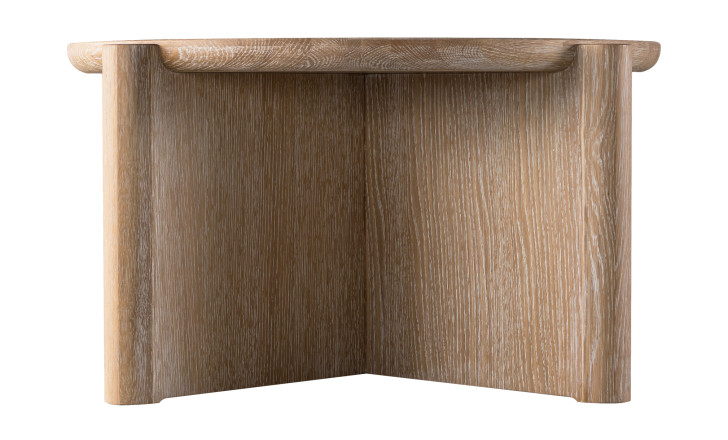
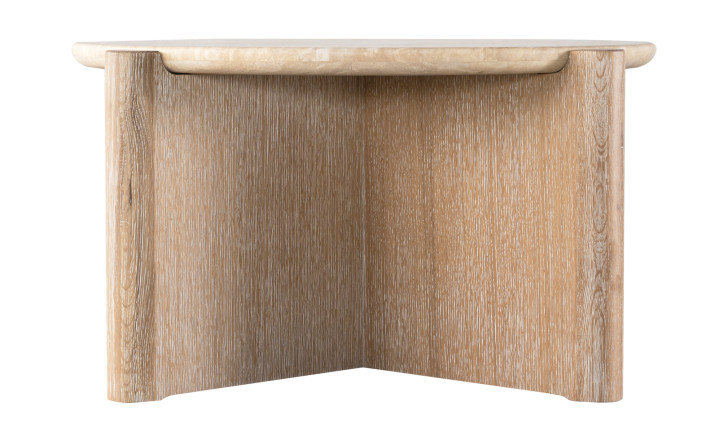
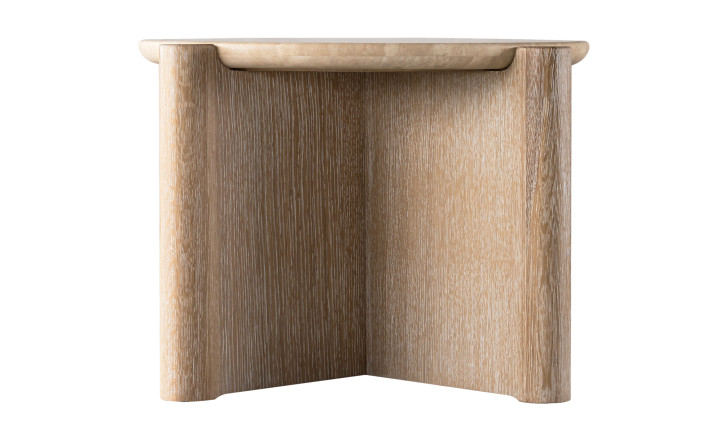
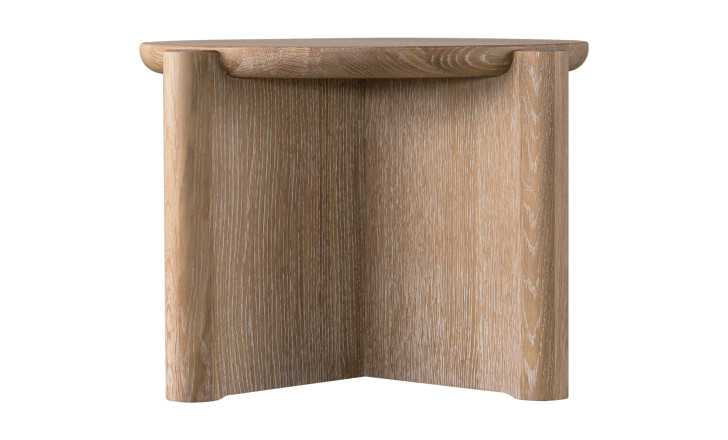
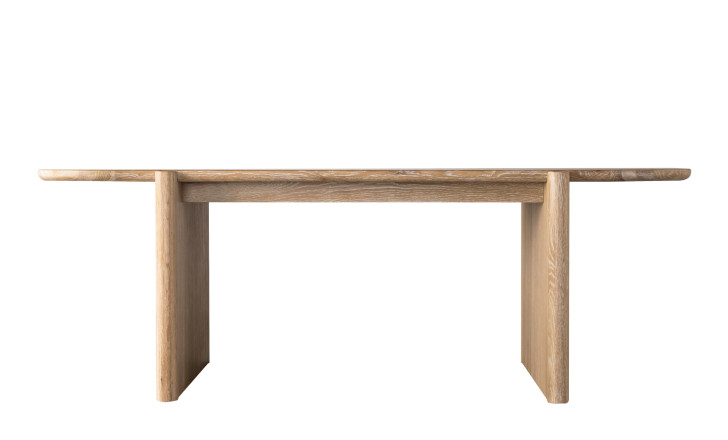
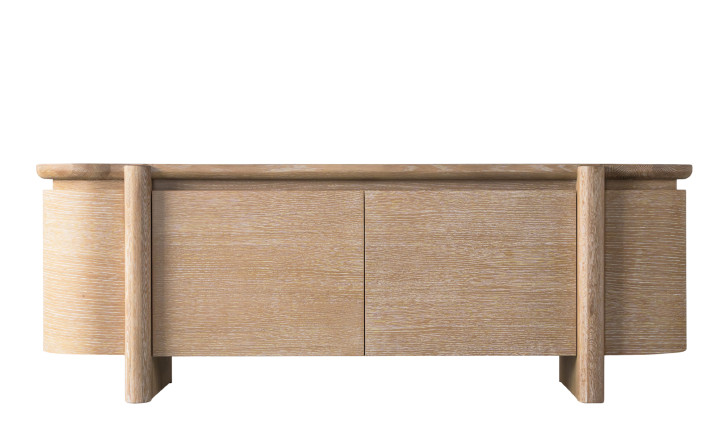
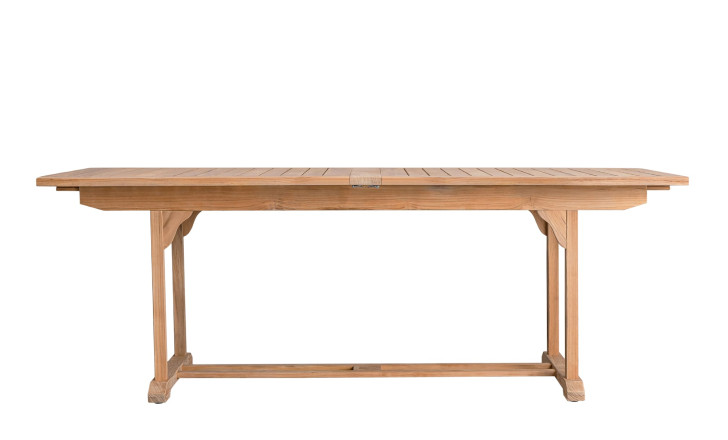
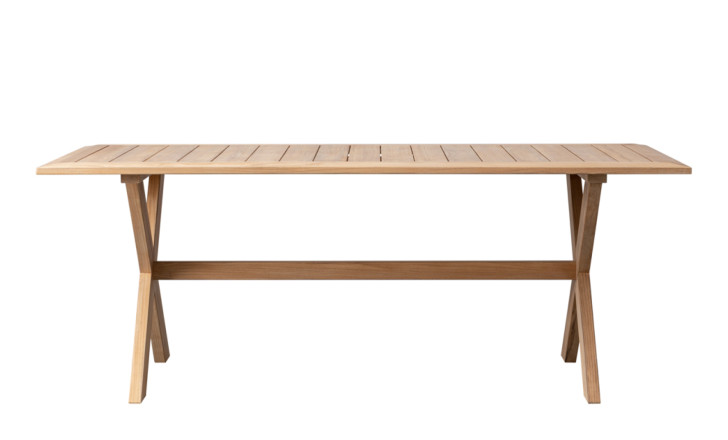
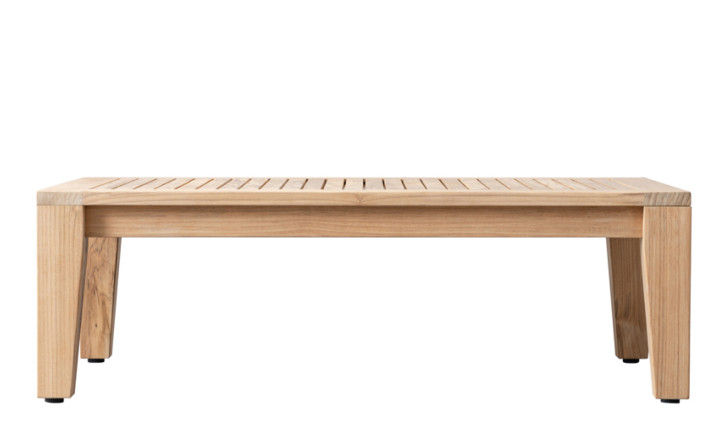
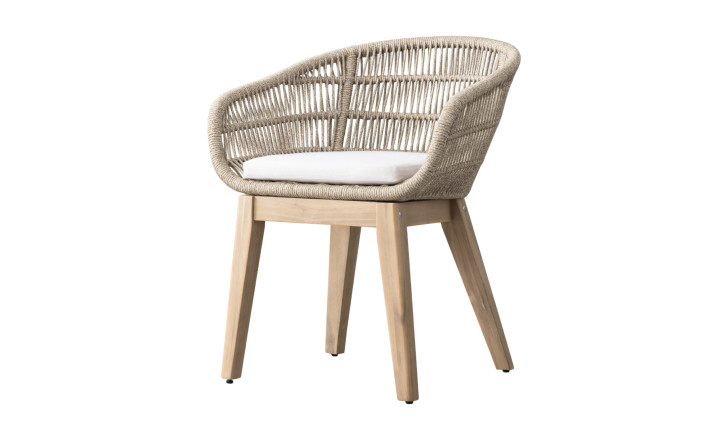
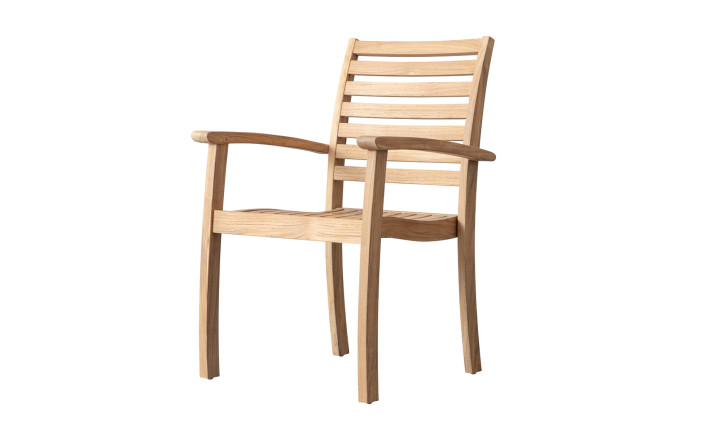
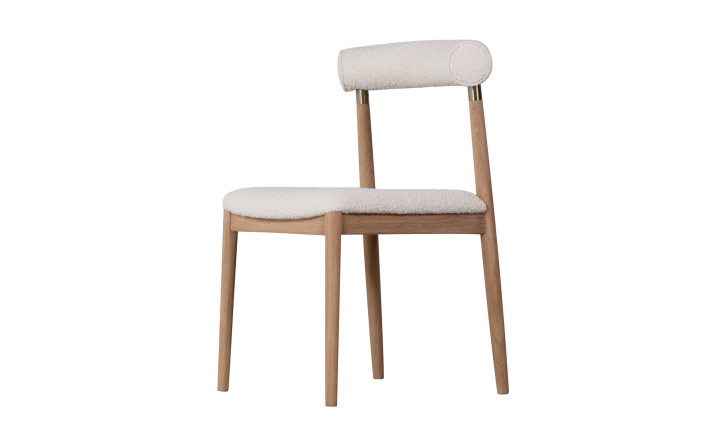
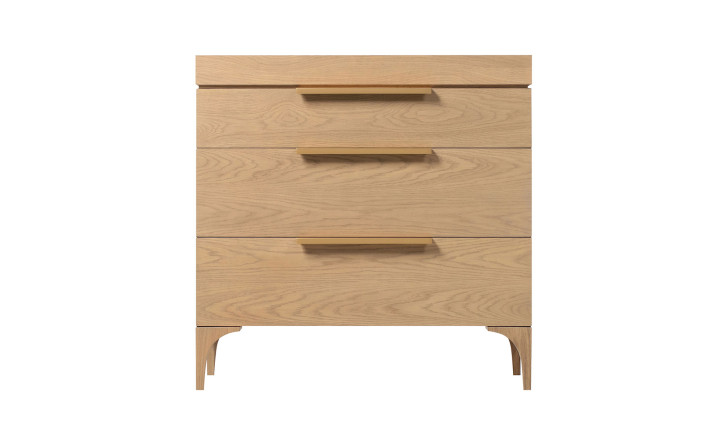
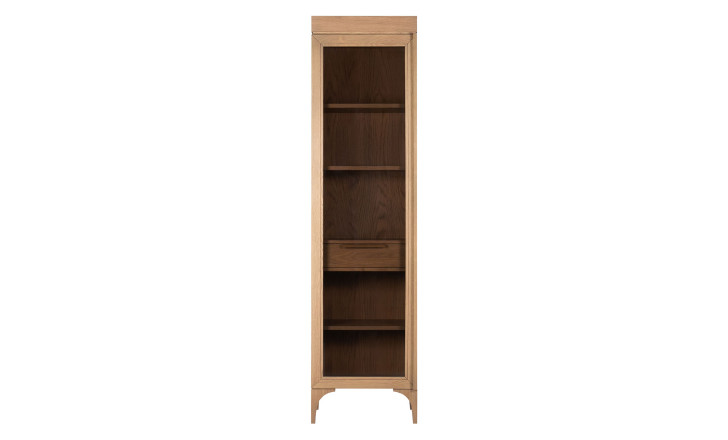
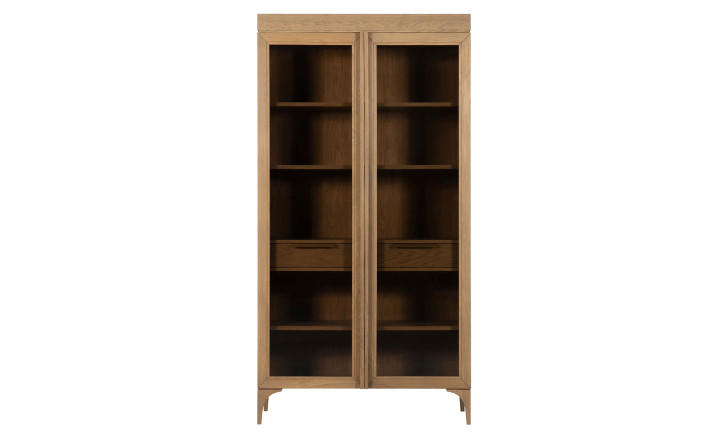
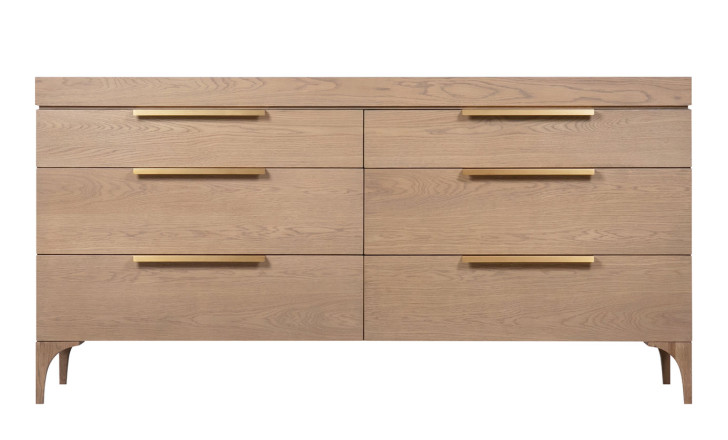
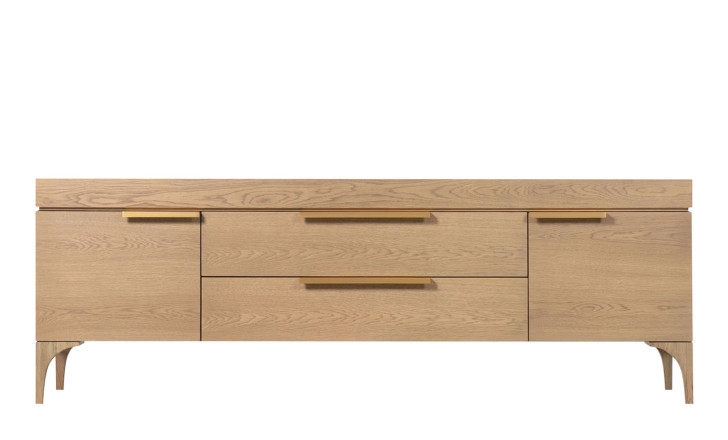
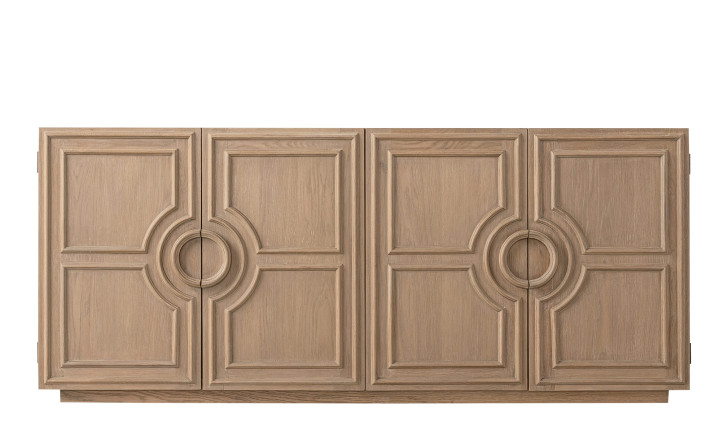
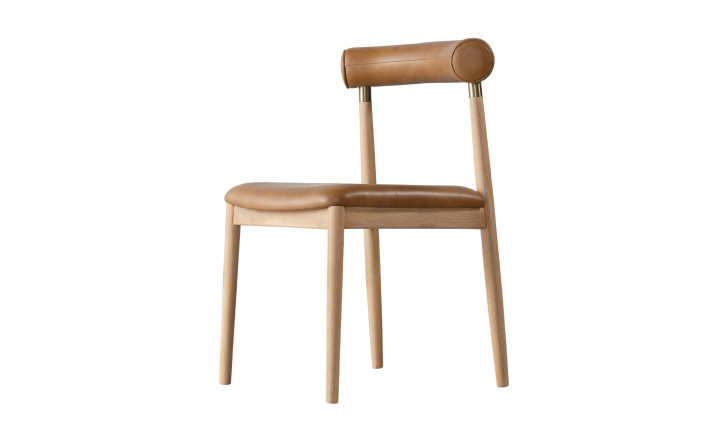
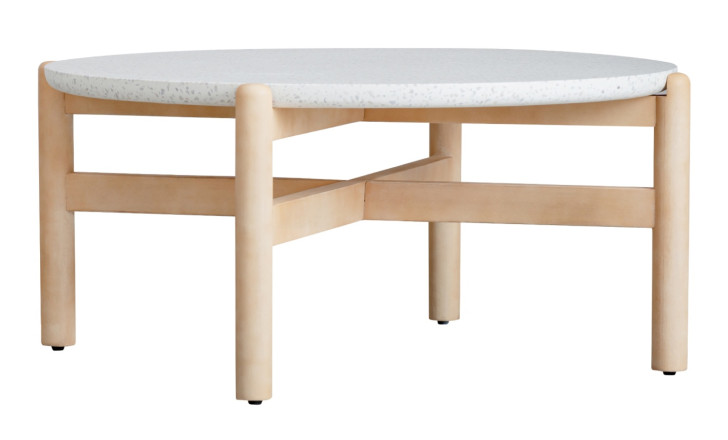
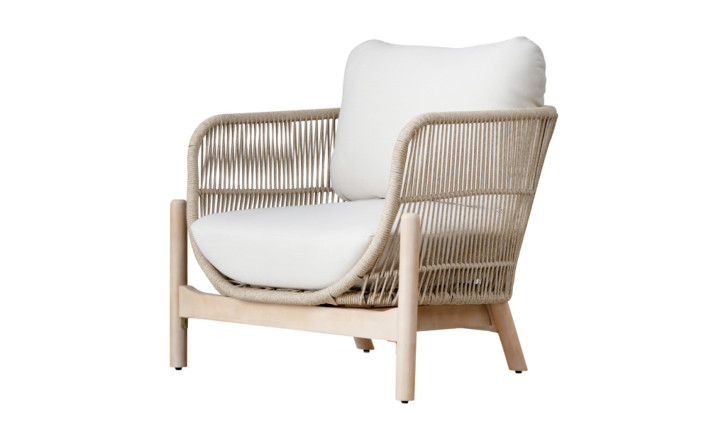
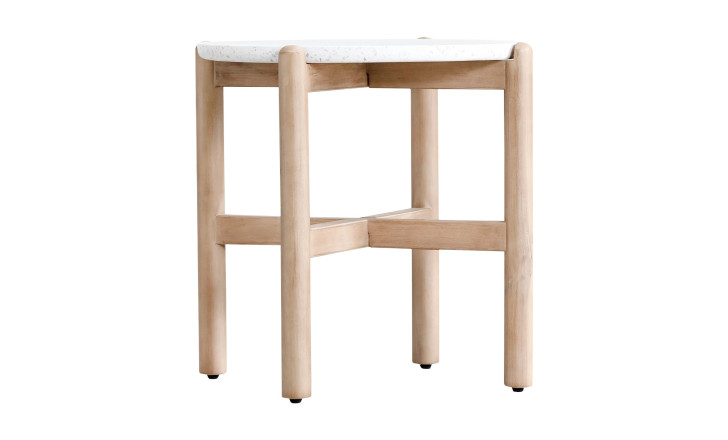
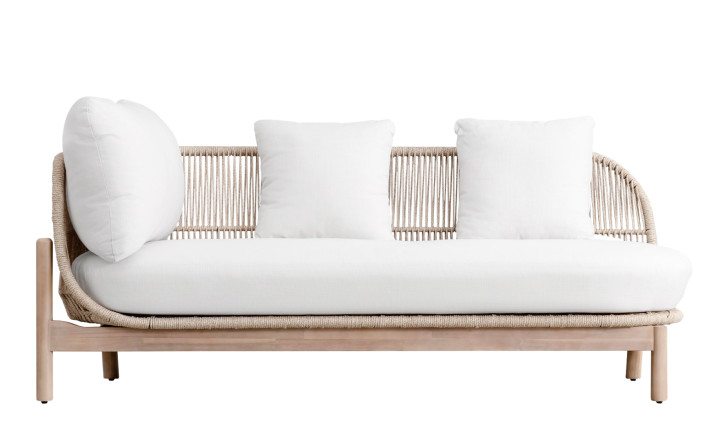
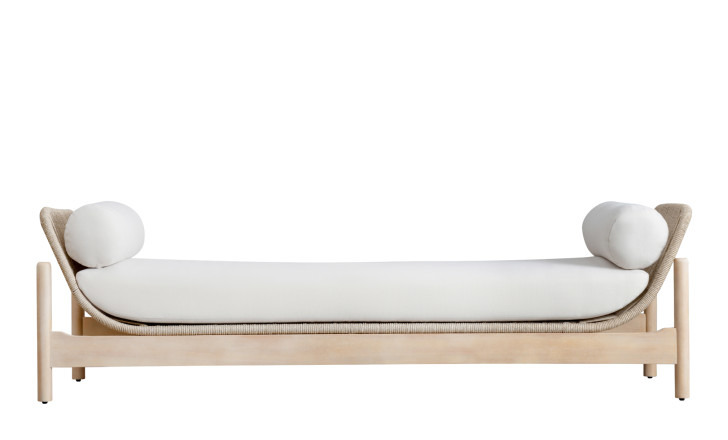
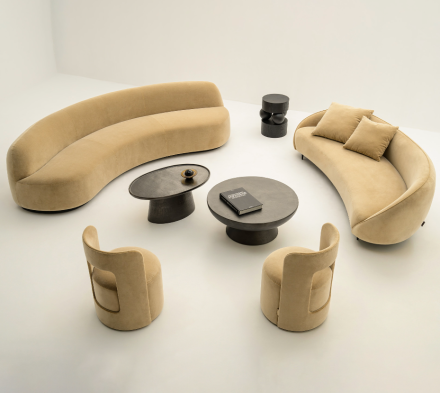
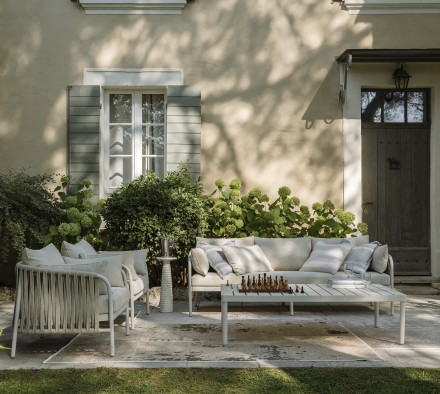
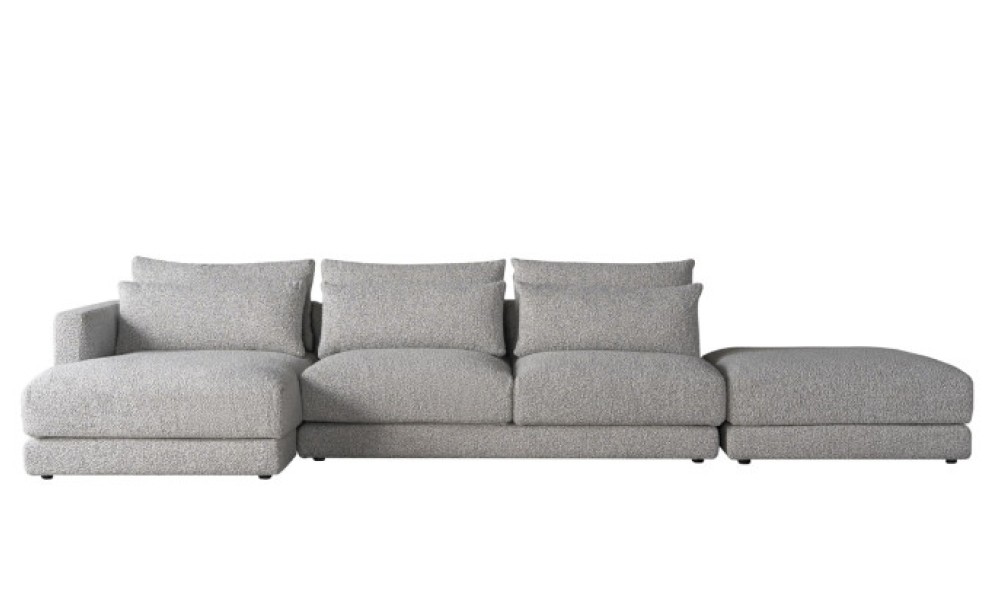
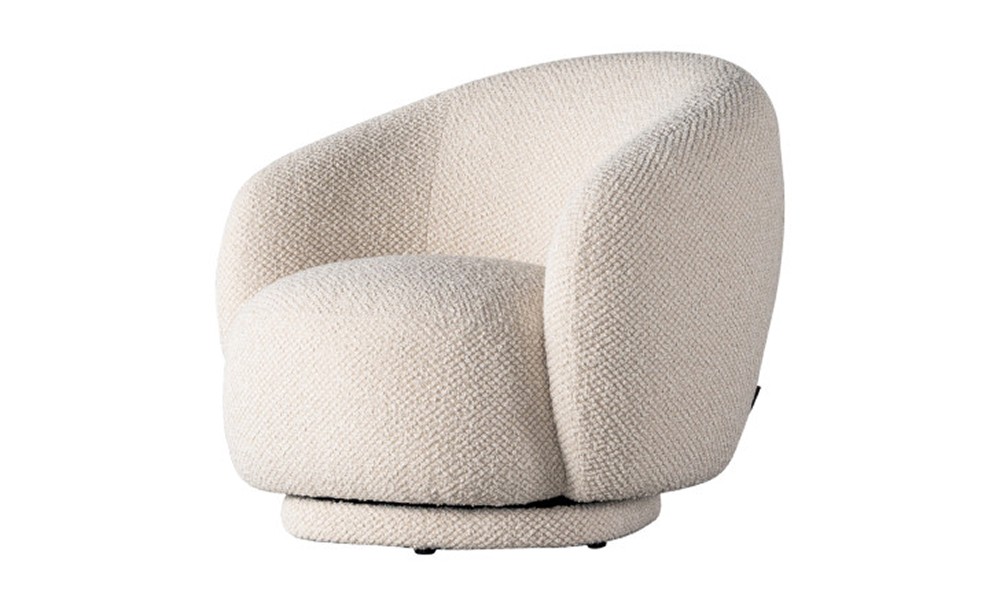
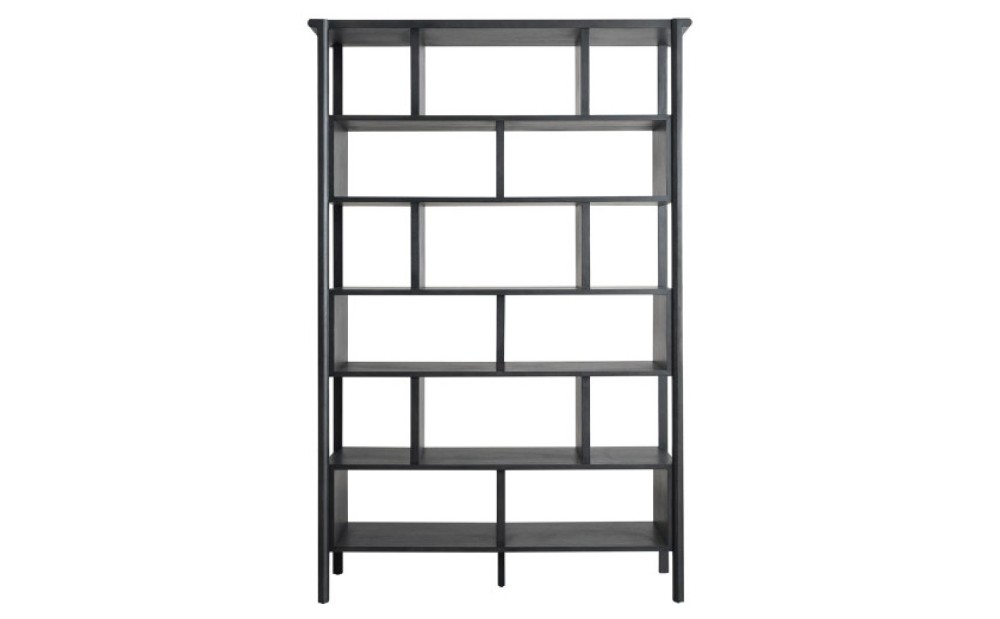
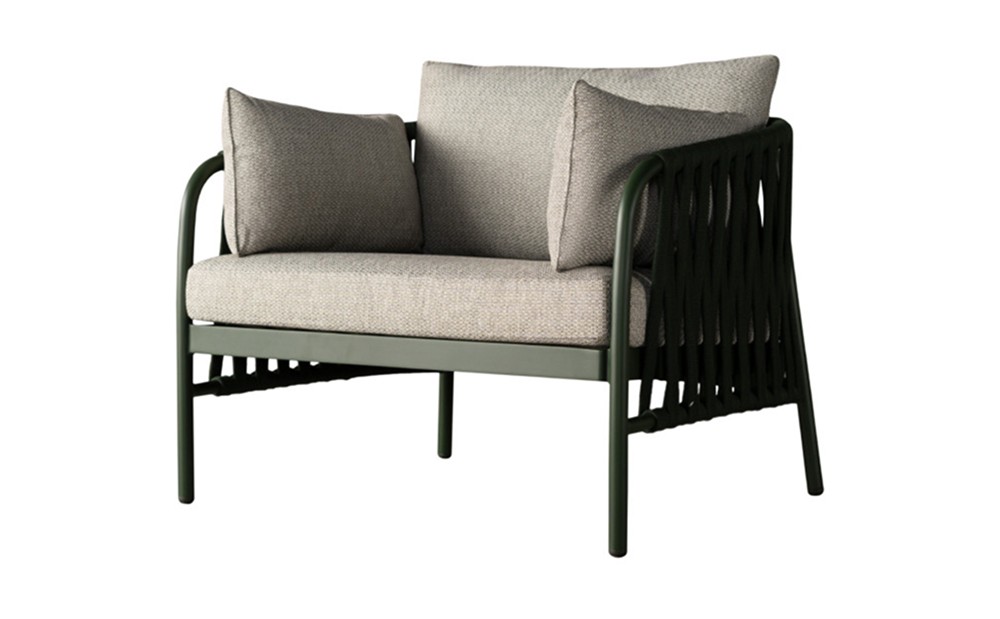
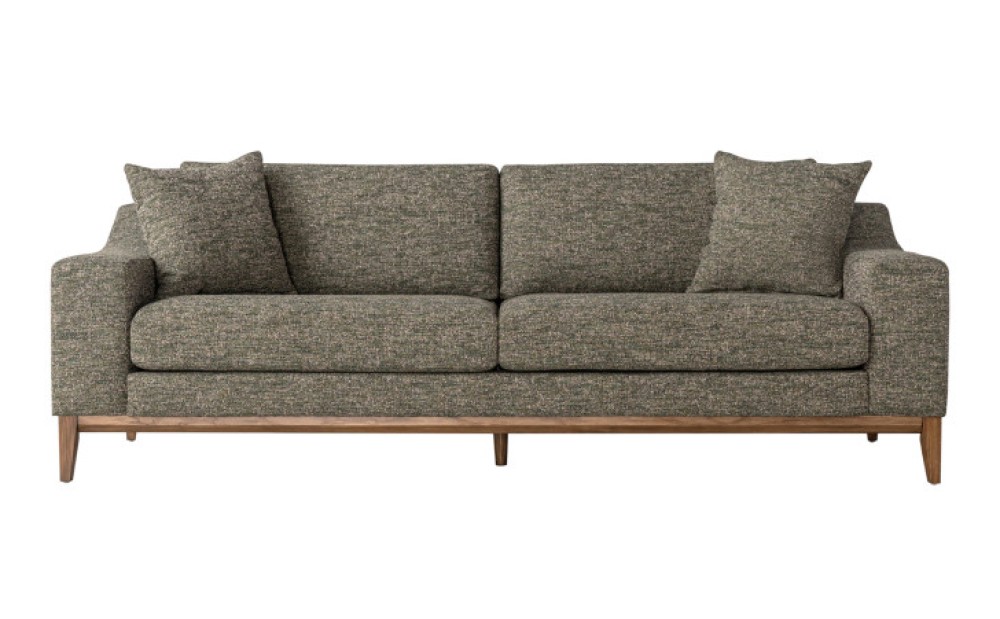
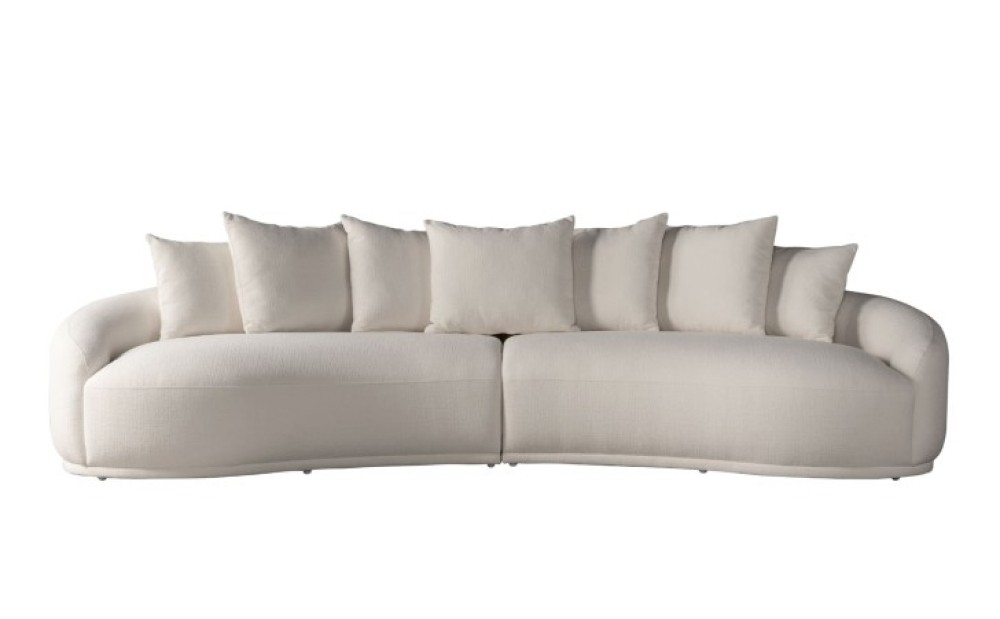
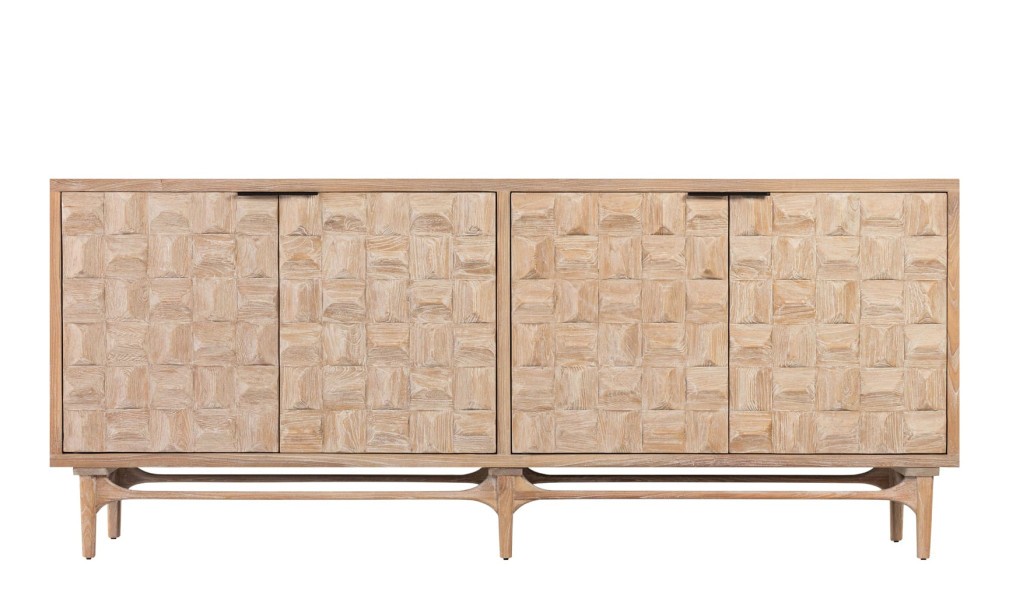
Furniture in Japandi interiors is defined by clarity of form and intention. Clean lines, low silhouettes and balanced proportions create a sense of visual calm, while thoughtful detailing ensures comfort and functionality. Every piece has a reason to be there. Nothing is superfluous, yet the space never feels empty. Instead, furniture becomes an architectural element, shaping the room while remaining quietly understated.
Light and Space
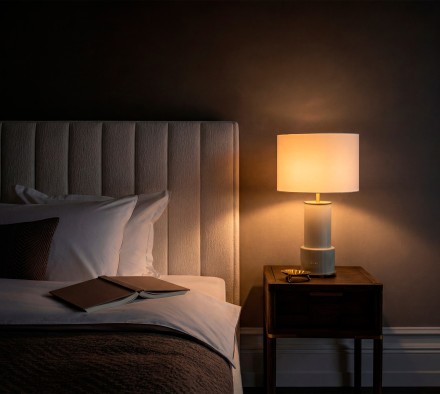
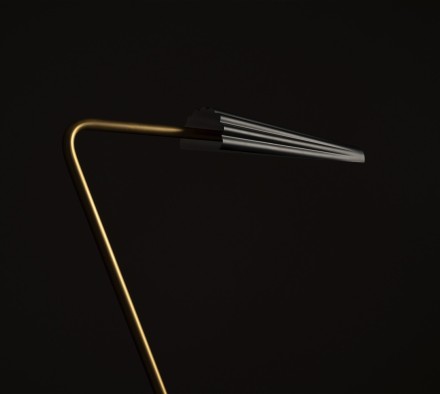
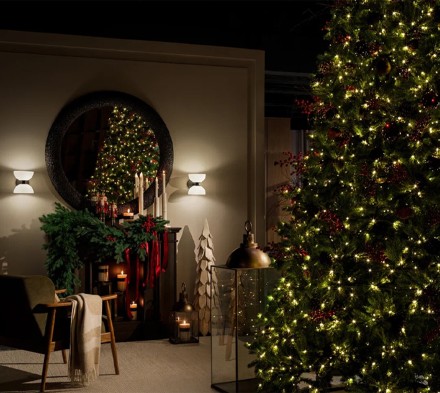
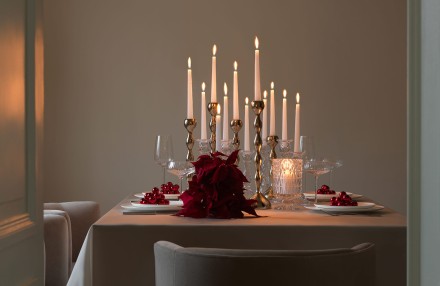
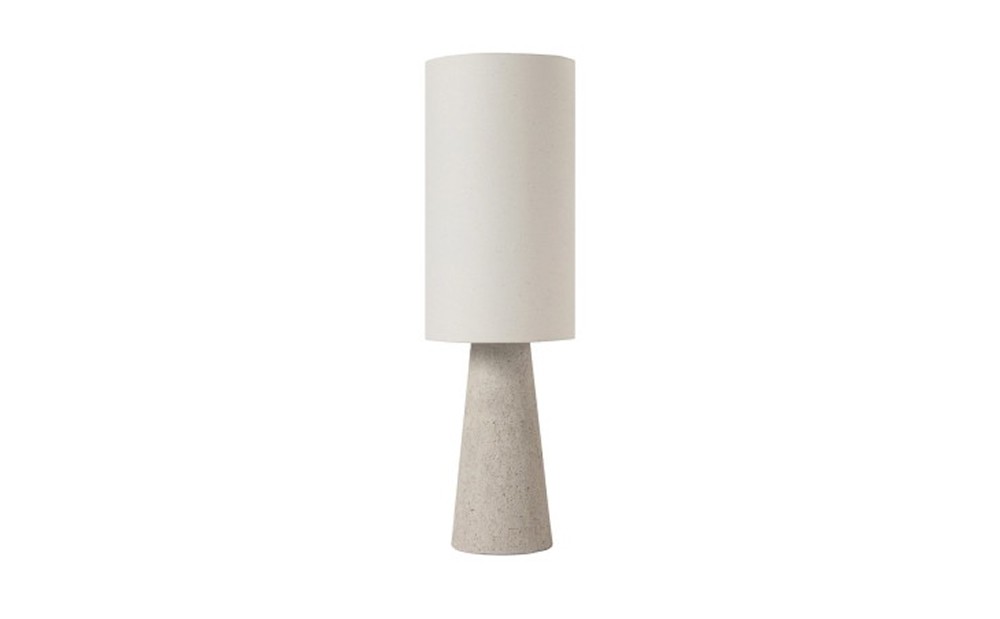
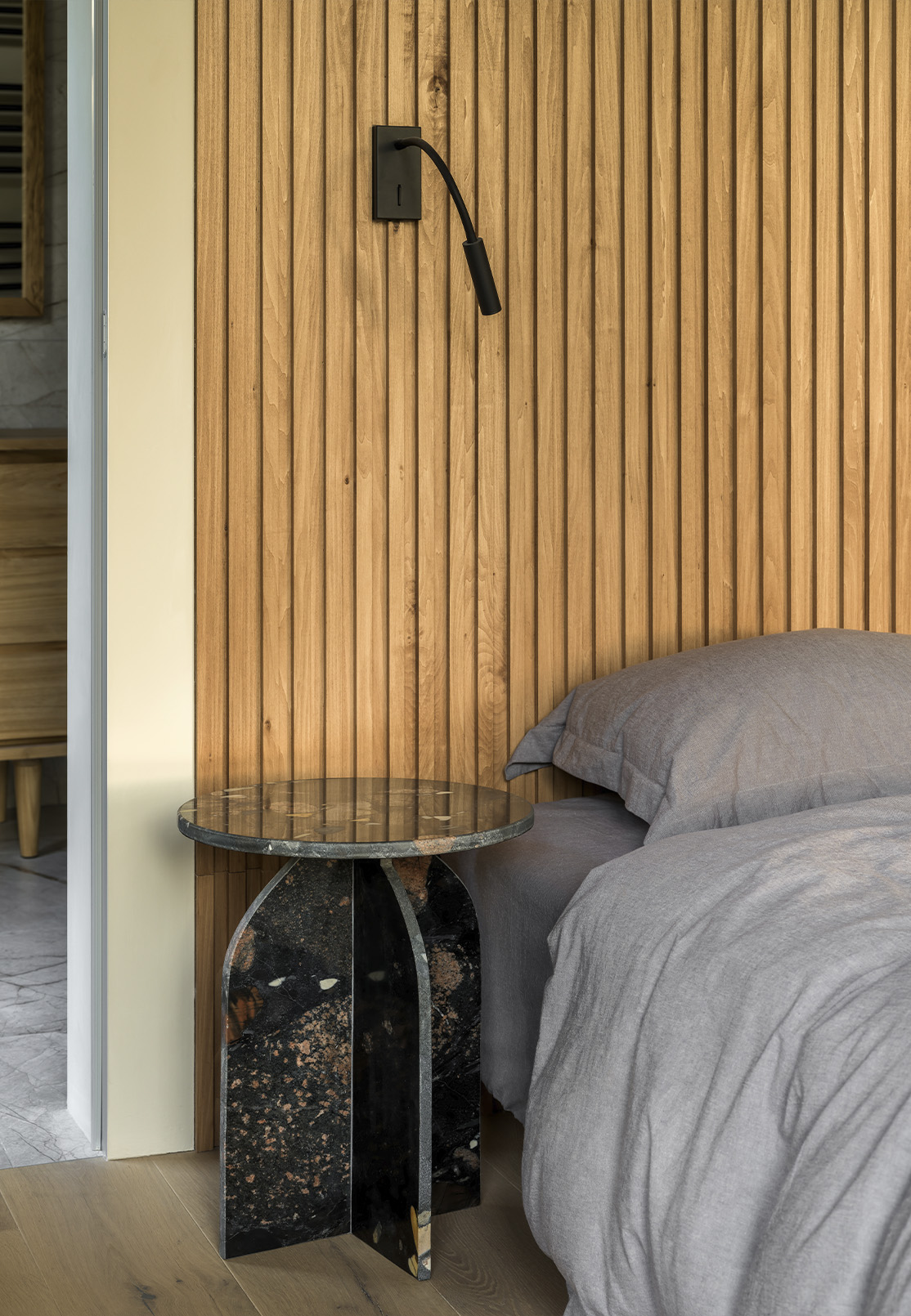
Light plays a central role in Japandi design. Natural daylight is carefully considered, while artificial lighting is layered, soft and unobtrusive. Rather than strong contrasts or dramatic statements, Japandi lighting creates atmosphere. Table lamps, floor lamps and wall lights provide a gentle glow, enhancing textures and bringing warmth to the space as day turns into evening.
Less, but Better
Japandi reflects a mindful approach to living. It encourages choosing fewer objects, but choosing them well. Each item is selected with intention — for its quality, purpose and emotional value. This philosophy allows space for stillness and clarity, turning the home into a place of restoration rather than overstimulation. In a Japandi interior, emptiness is not a lack, but a luxury.

A Timeless Sensibility
While rooted in tradition, Japandi feels entirely contemporary. Its focus on sustainability, craftsmanship and emotional comfort resonates strongly with modern ways of living. Japandi doesn’t follow trends, it offers a lasting framework. One that adapts effortlessly to different spaces, lifestyles and cultures, remaining relevant year after year.
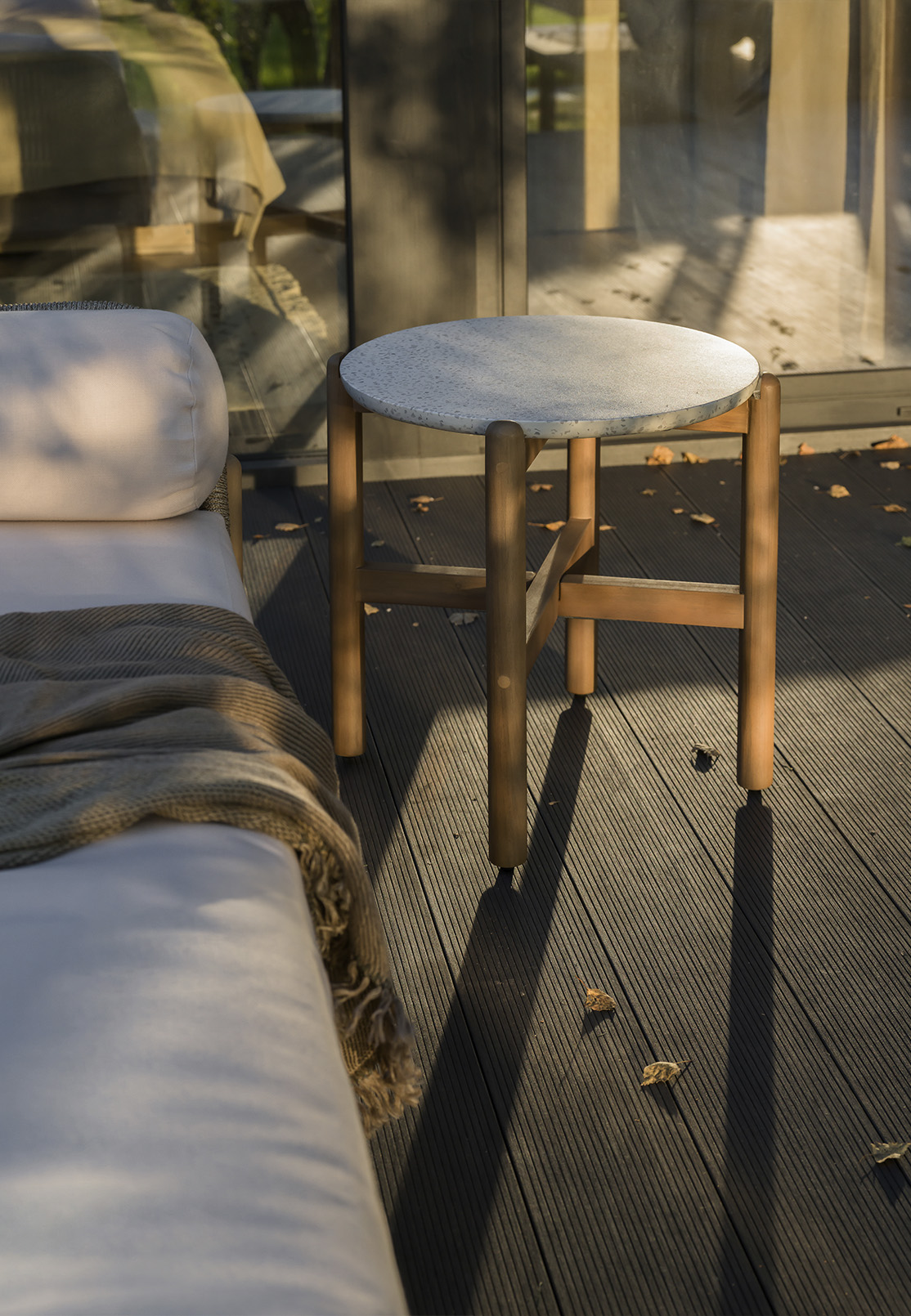
Japandi approaches the interior through intention, creating spaces that reflect how one lives rather than how a home should look
Items