
The Feel of Light: a new table lamp collection
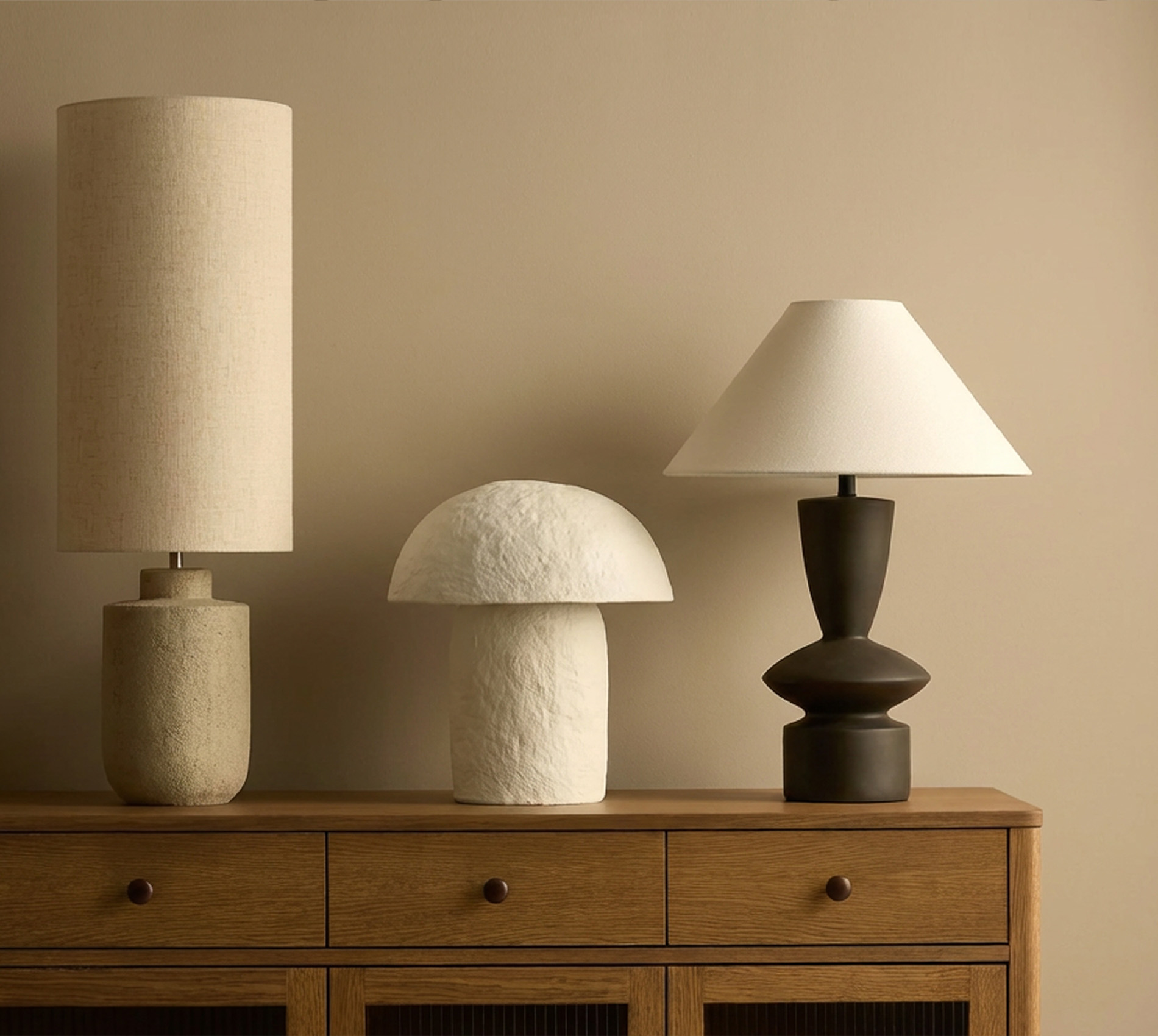
Rather than acting as a purely visual element, light today is increasingly experienced through material and touch. Contemporary table lamps shift attention from brightness alone to the physical qualities that surround it – the softness of linen, the warmth of ceramic, the cool precision of textured polymer. Through these surfaces, light becomes something felt as much as seen, capable of calming a space or infusing it with energy.
A living surface
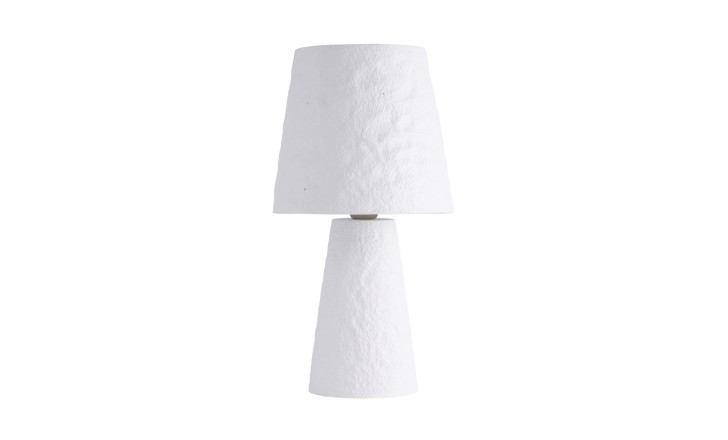
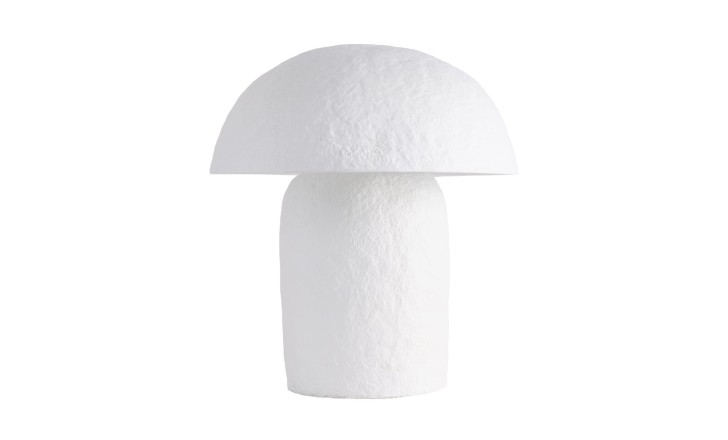
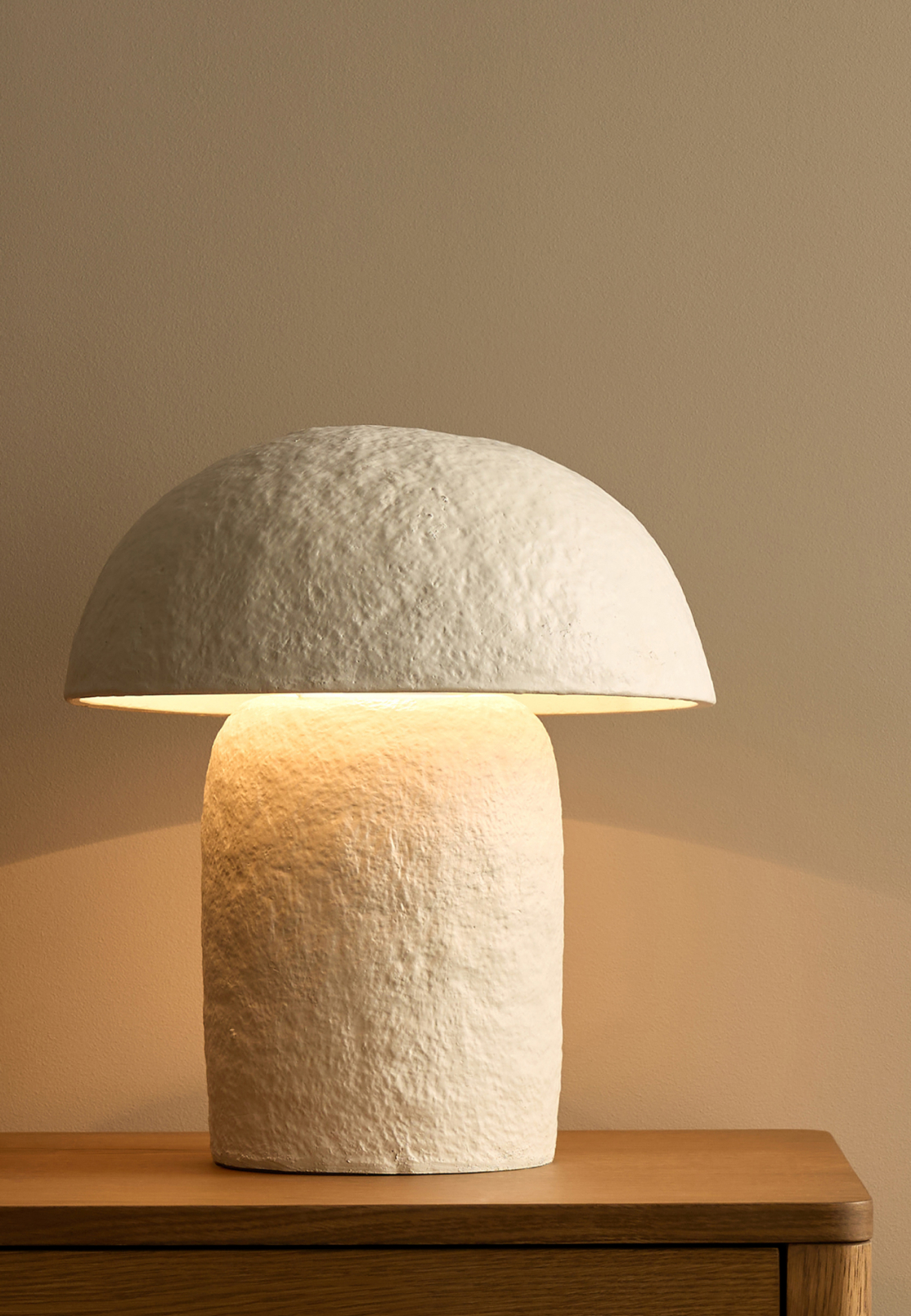
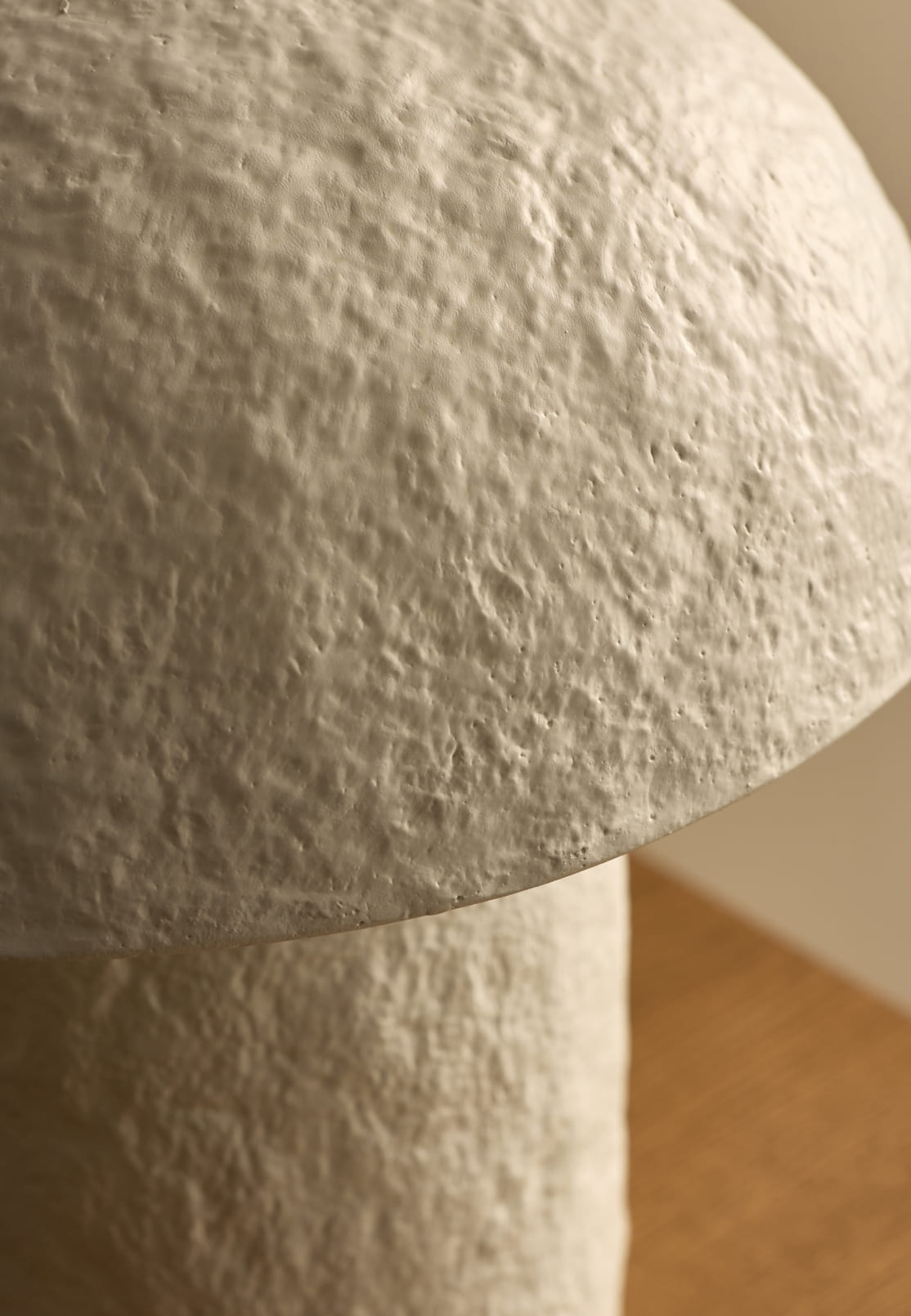
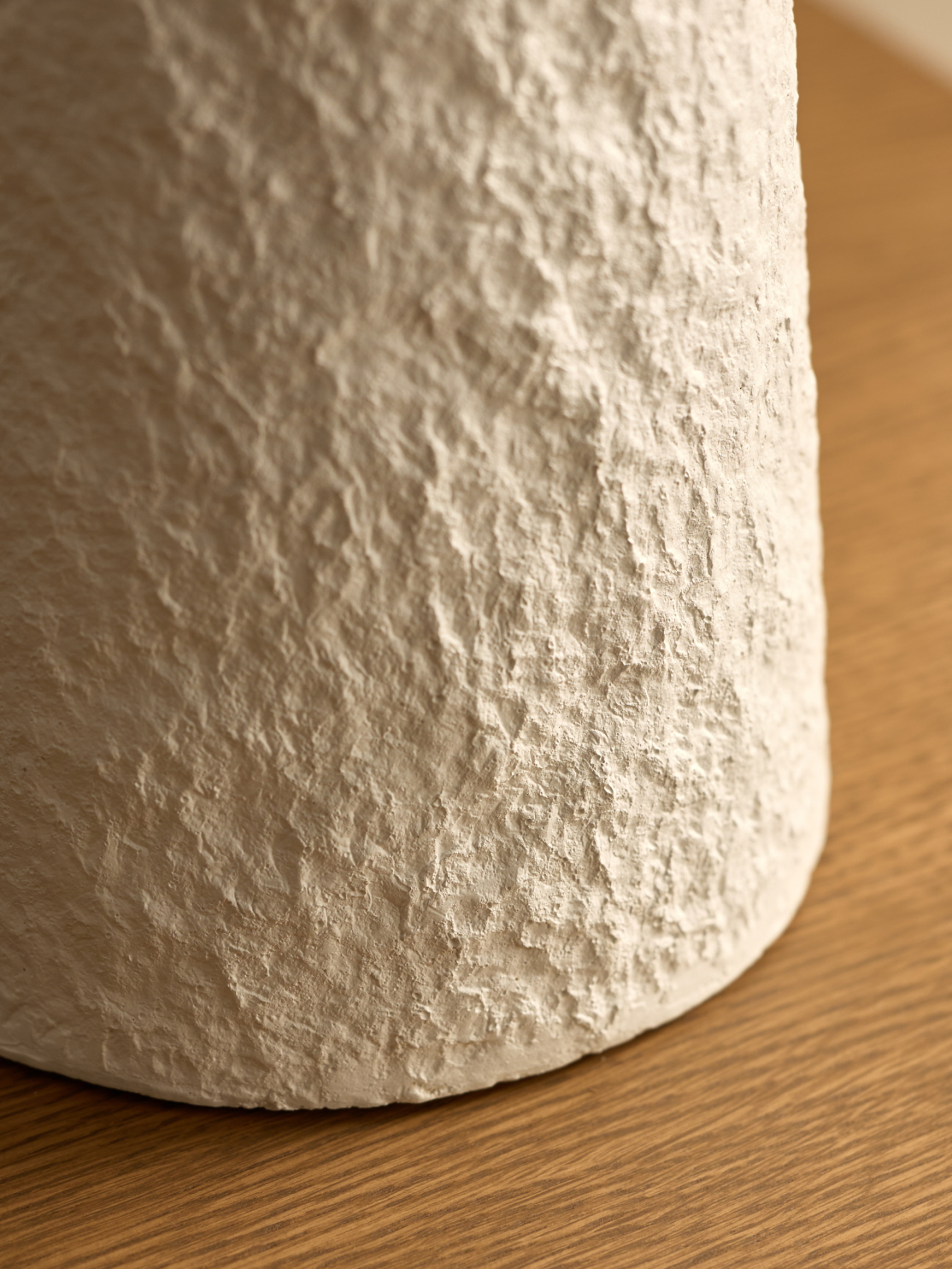
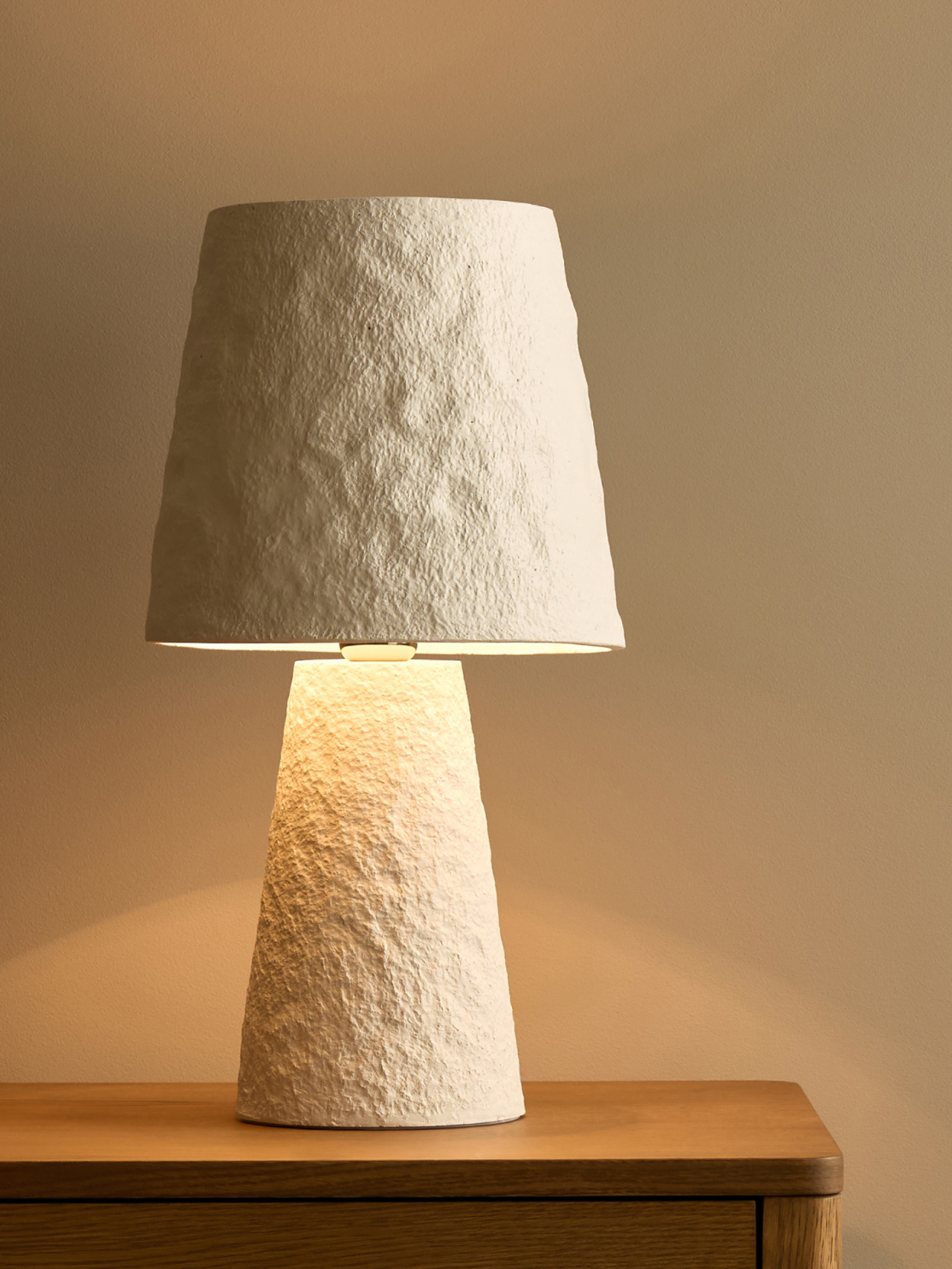
What defines these lamps is not colour or form, but the way the surface behaves. Irregular and deeply worked, it turns simple rounded volumes into something visually active, changing as light moves across it. Shadows gather, dissolve and return, giving the object a shifting depth that responds to time of day and point of view. When the lamp is lit, the matte white finish softens into warm, golden notes. In natural light, the same surface appears cooler and more complex, revealing muted grey and pearl-like tones shaped by layers of shadow.
In Belle, this animated texture is carried across the dome and base as a single continuous skin, creating the impression of an object shaped as one mass, rather than assembled from separate elements.
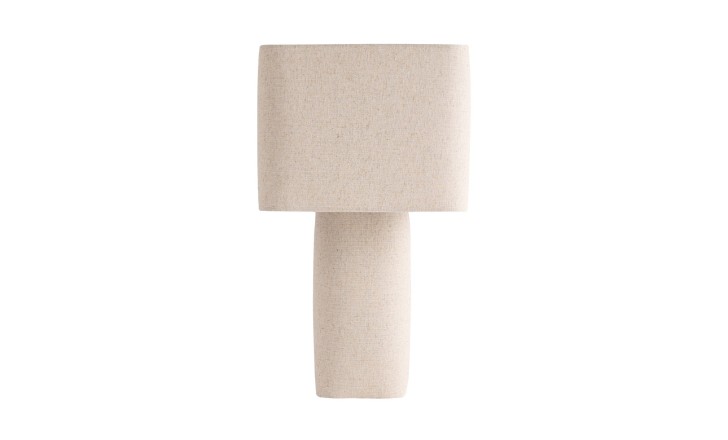
Lilian approaches the same idea with greater graphic clarity. The textured surface is applied to a sharply defined silhouette formed by two trapezoidal volumes, giving structure and visual tension to what would otherwise read as strict geometry.
Linen and light
These lamps are defined by material before anything else. Linen sets the tone, bringing a natural restraint that affects both the object and the light it carries. Illumination becomes softer, less directional, settling into the space with an even, muted warmth rather than a sharp glow.
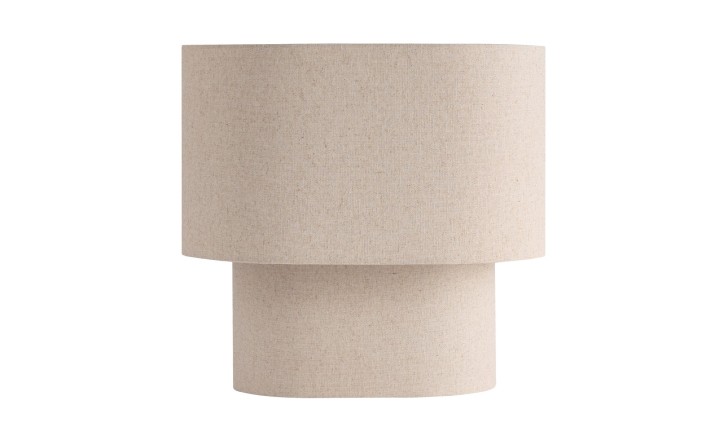
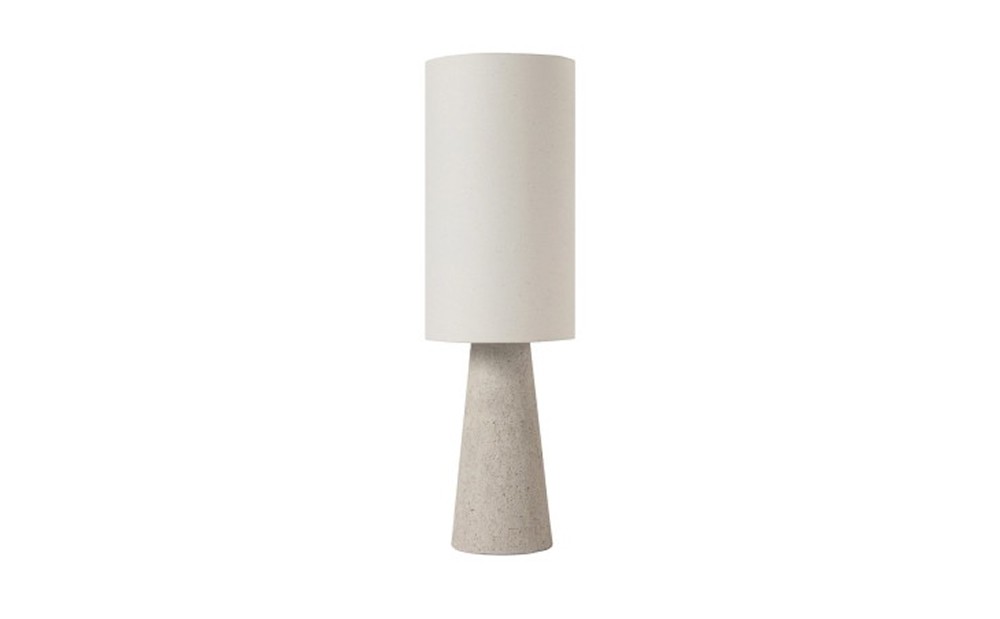
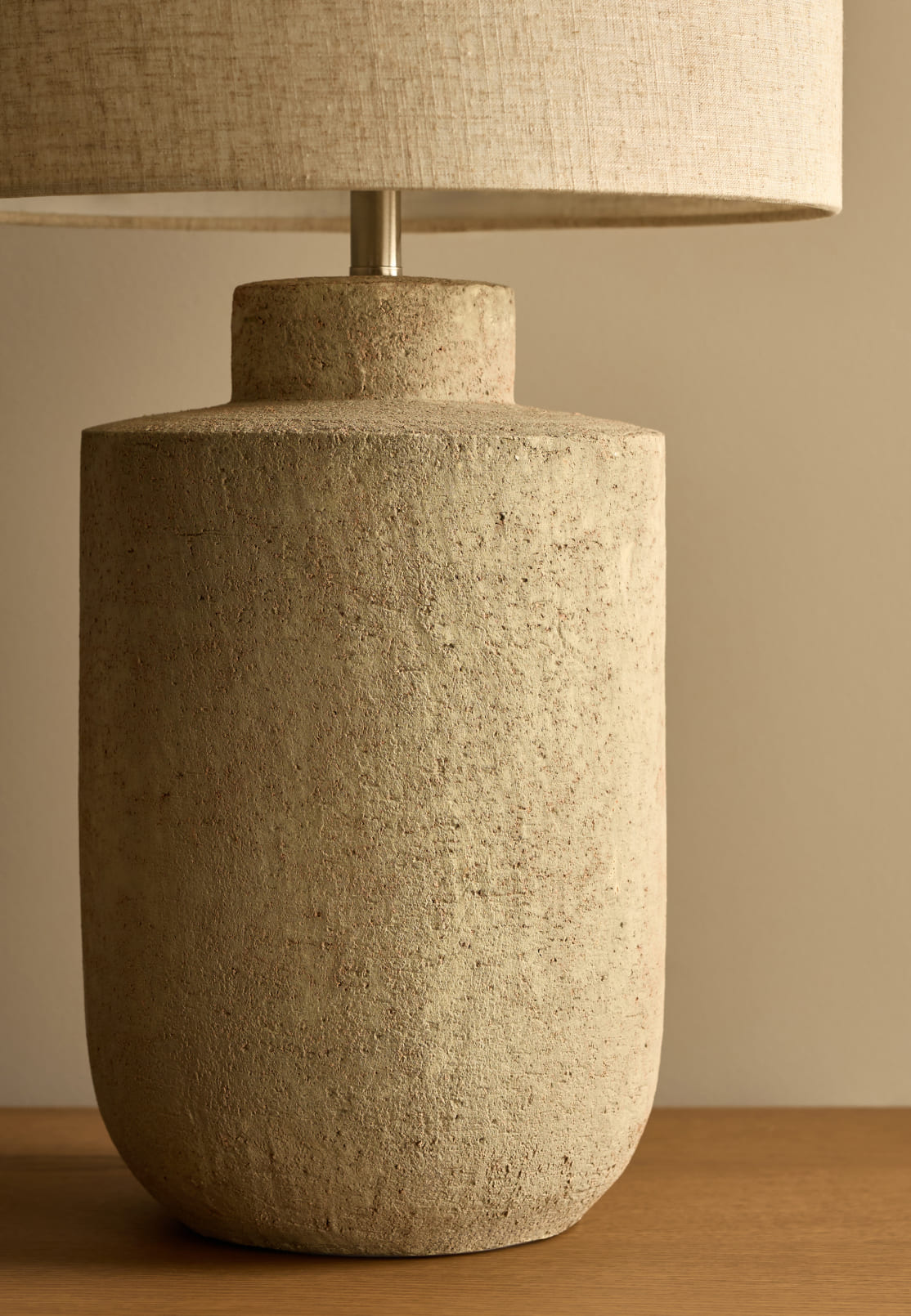
In Mila, the material is given full presence. The generous cylindrical base and shade are wrapped entirely in écru linen, allowing texture to take the lead. The surface draws the eye closer, revealing a quiet tactility that becomes part of the experience of the lamp itself.
Savona is defined by contrast. A dense linen covering wraps fluid, rounded volumes, giving the form a grounded weight that recalls stones shaped slowly by the sea.
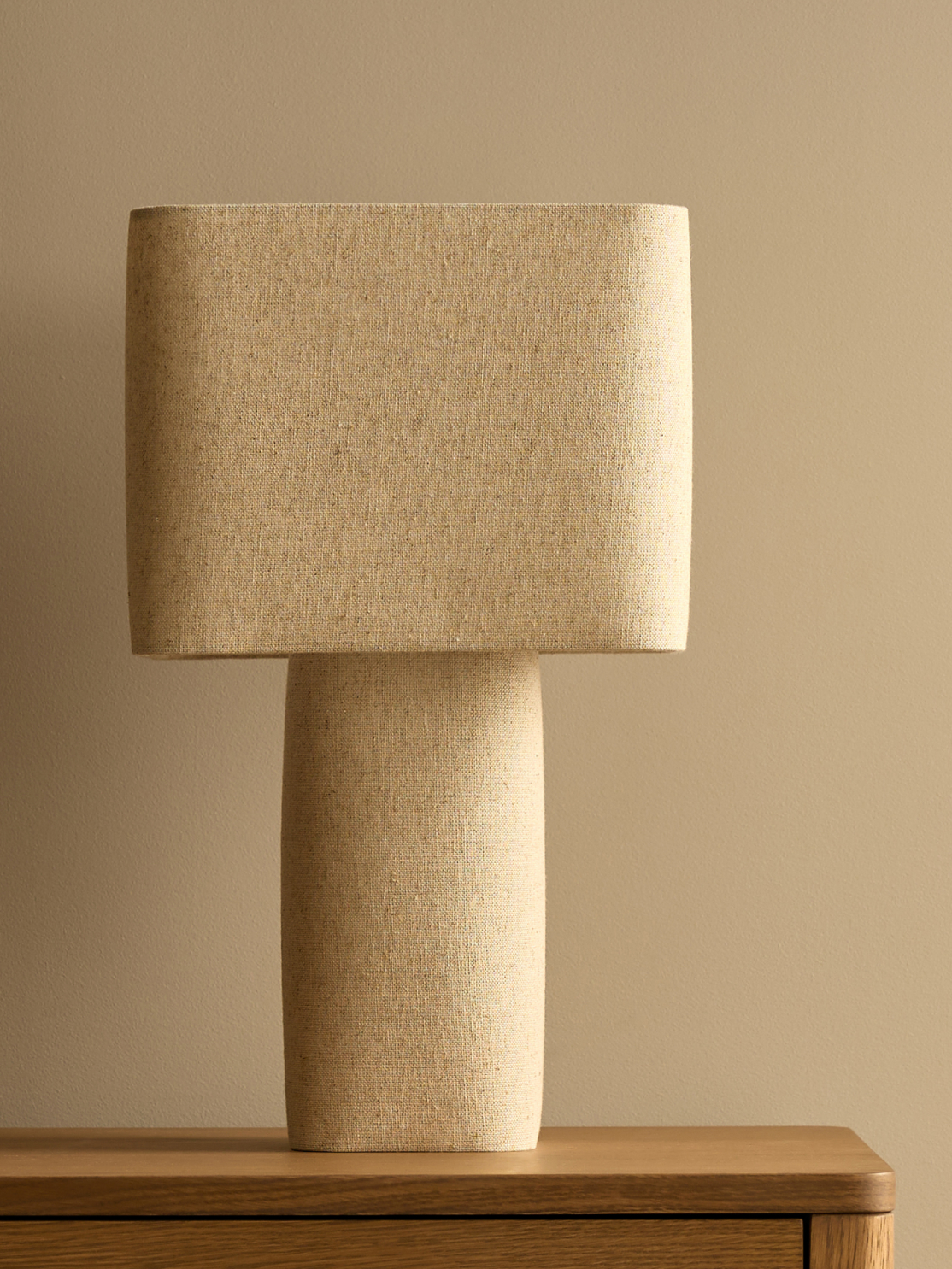
Fire and earth
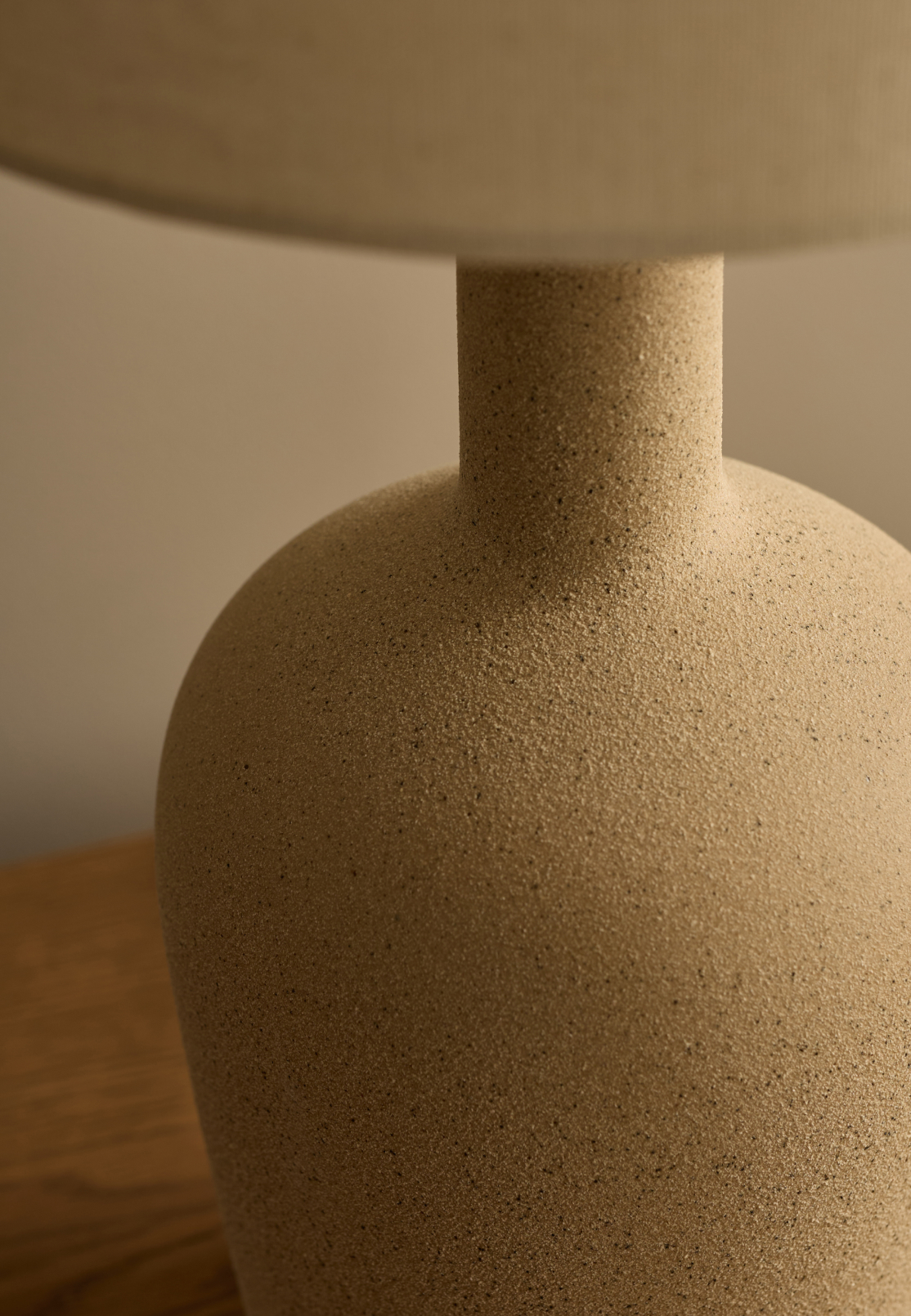
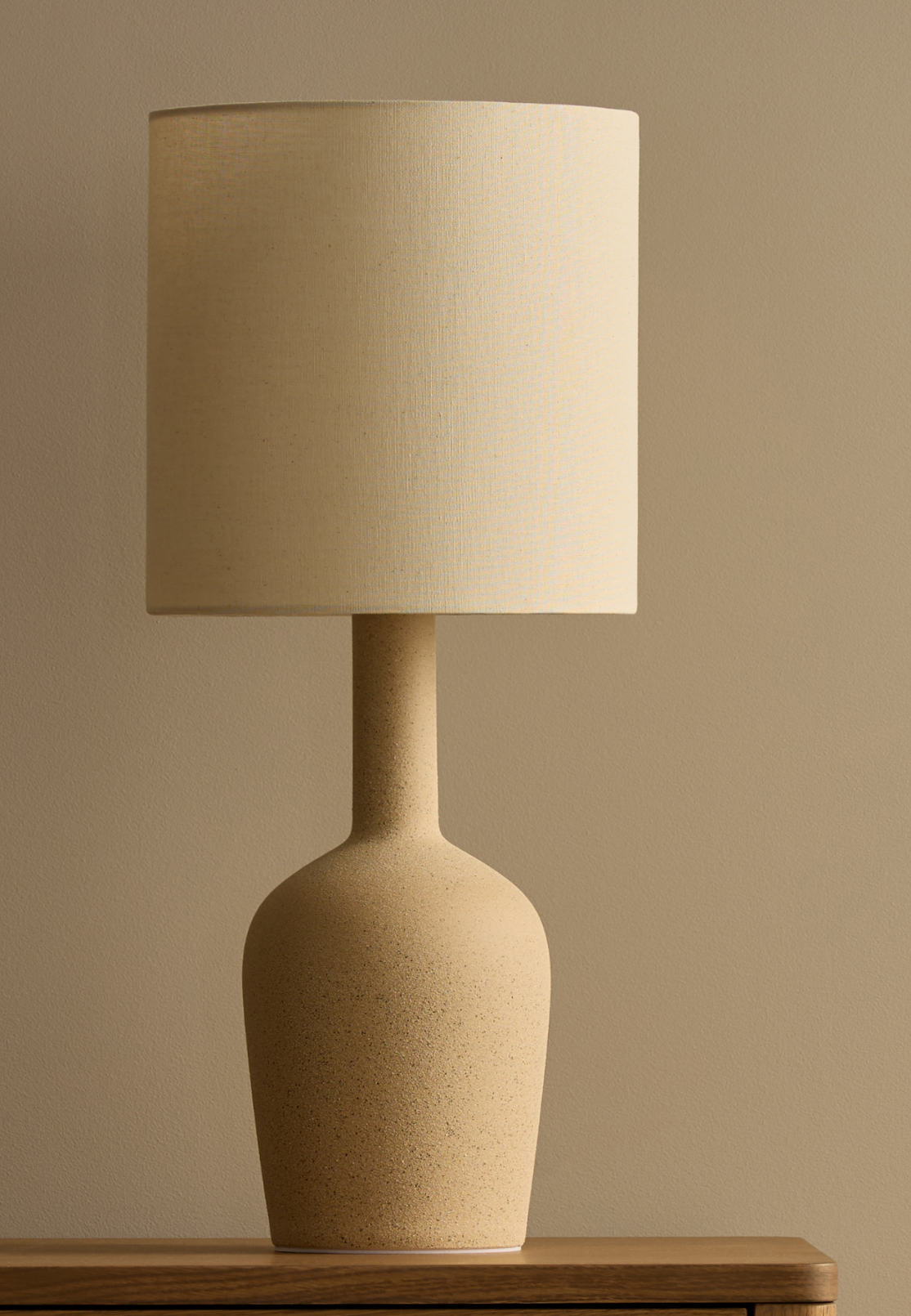
Unglazed, porous ceramic carries a material depth shaped by heat. Its surface feels open and responsive, lending the object weight and a sense of physical presence that goes beyond appearance.
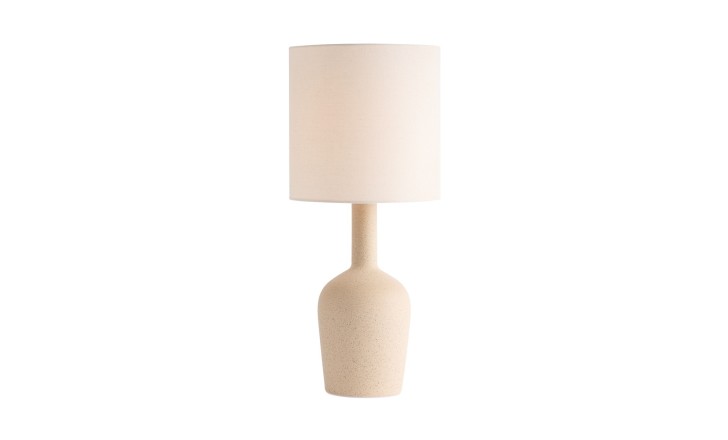
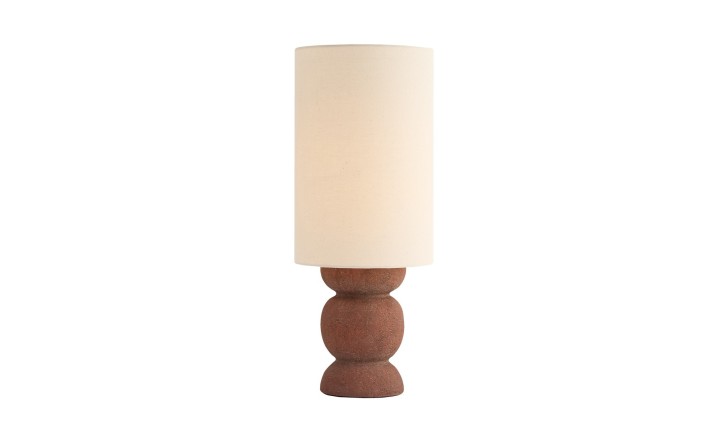
In Raina, the softly contoured ceramic base reads almost like a vessel, narrowing towards the neck before giving way to a translucent textile shade. Light appears to emerge from within the fired clay itself, blurring the boundary between material and illumination.
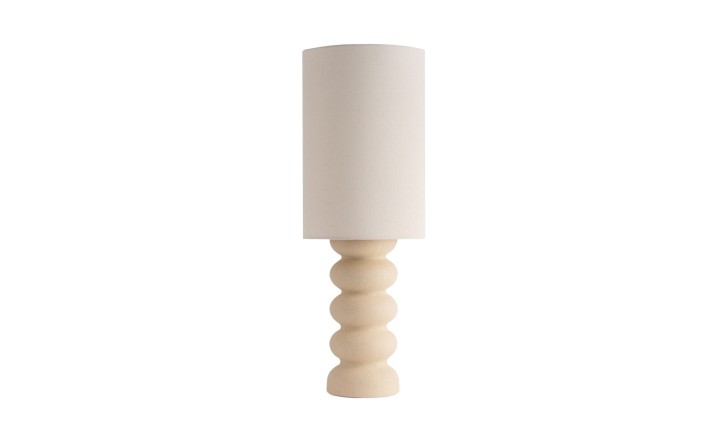
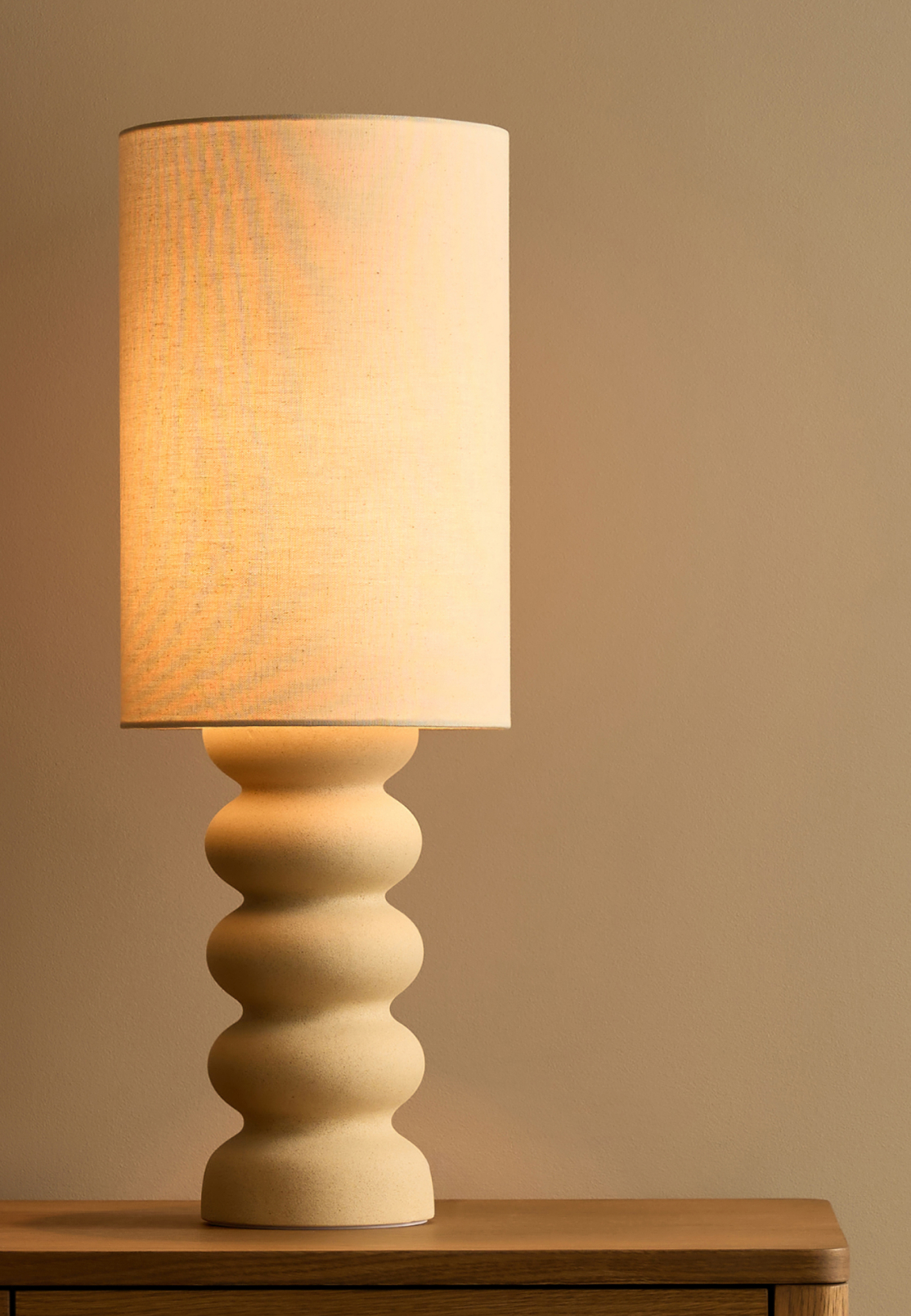
In Sally, movement and stillness are held in tension. The base suggests a spiral caught mid-motion, while the clean, cylindrical shade brings calm and restraint to the form, tempering its energy.
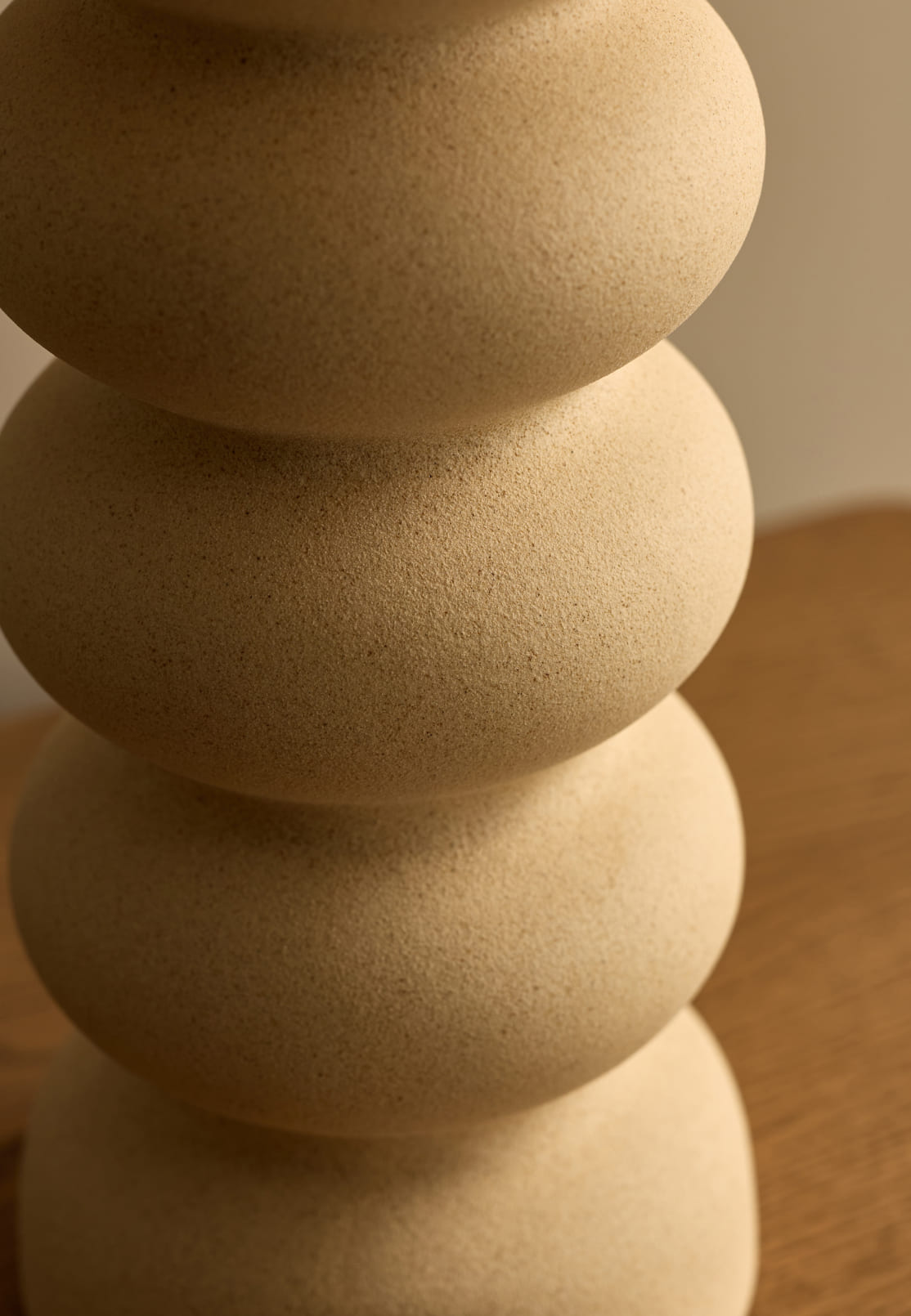
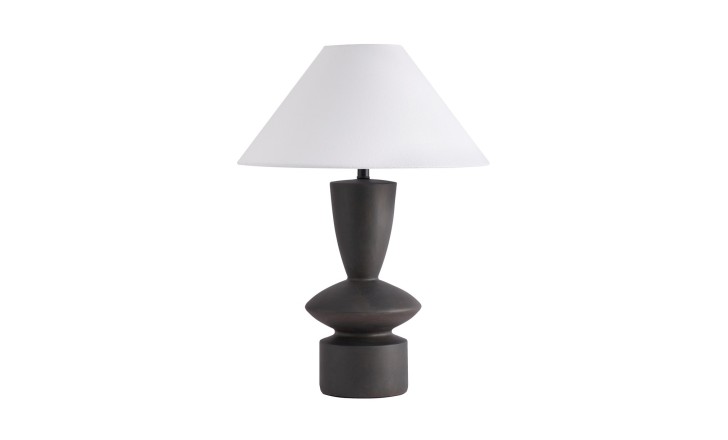
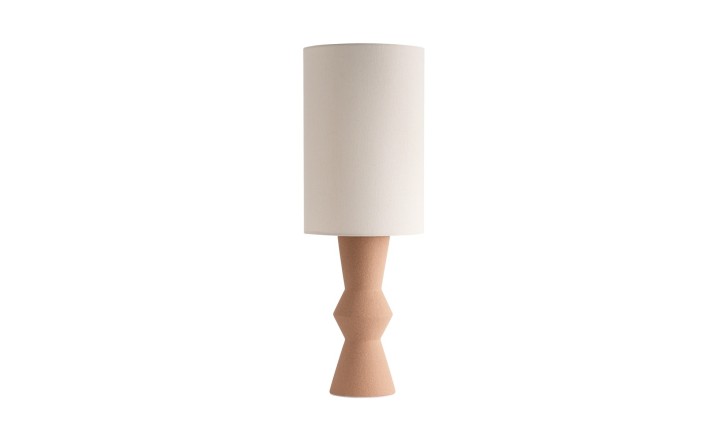
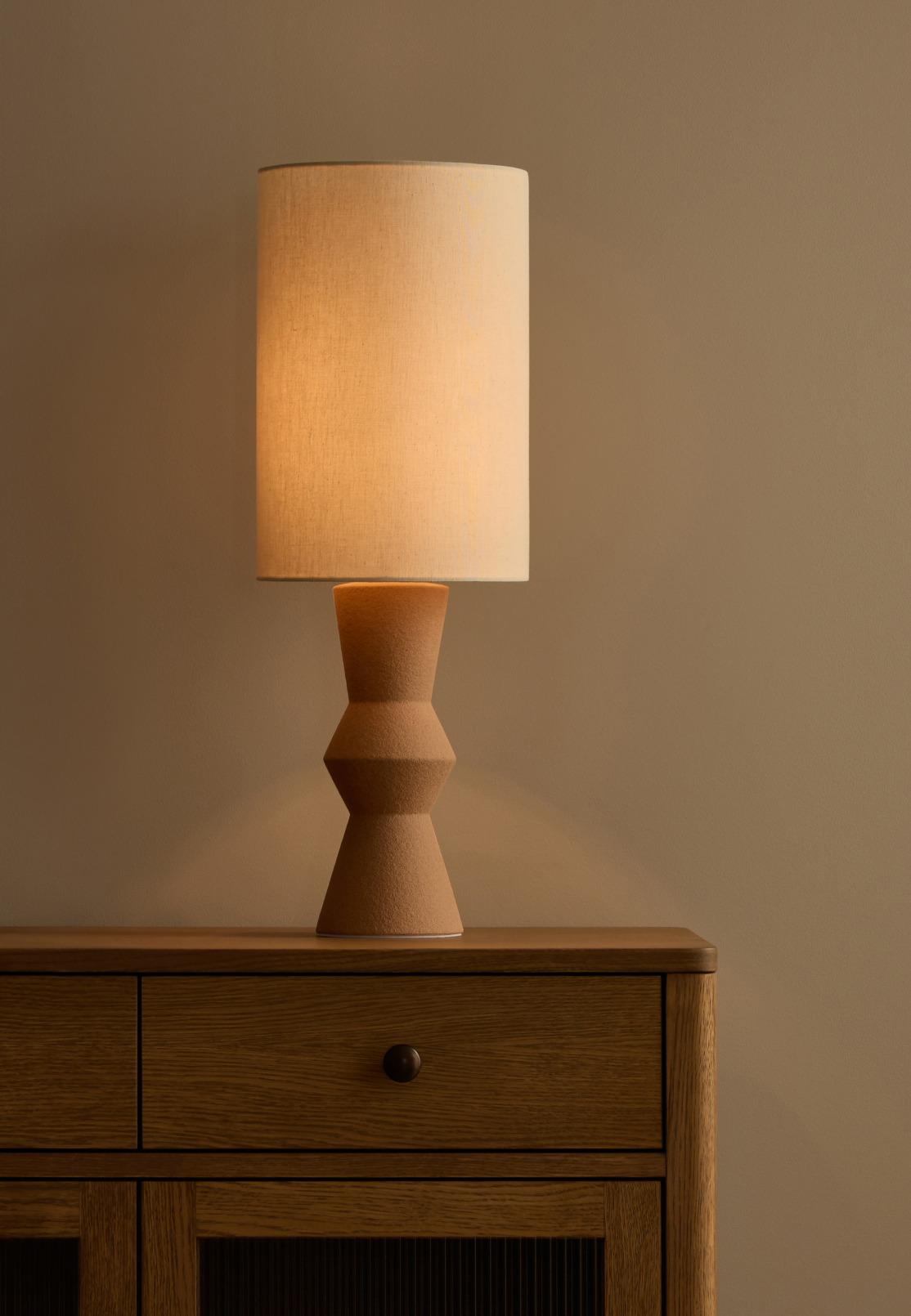
Sarah is defined by a sense of geometric discipline. Its base is composed of sharply articulated forms, yet the use of natural materials softens the structure, introducing warmth into an otherwise graphic composition.
Clarity of form
Here, form is treated as a single, controlled volume. Polyresin allows the lamp to exist without visual interruption, its profile defined by precision rather than detail. The surface remains cool and smooth to the touch, reinforcing the clarity of the outline instead of adding softness or texture.
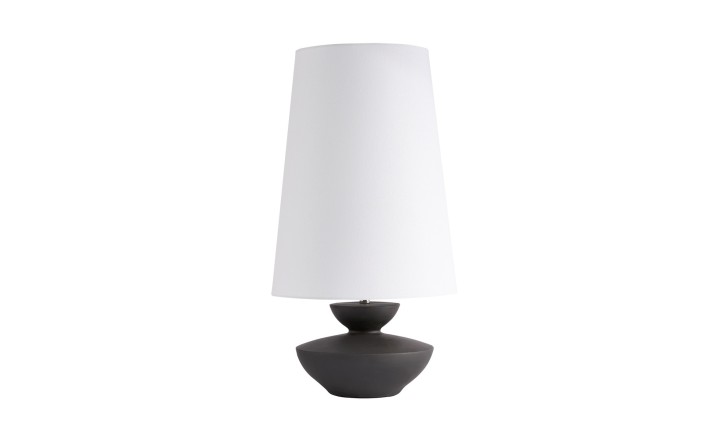
Minna is anchored by a low, bowl-like base that gives the object a compact, almost symbolic presence. When illuminated, light traces a sharp, golden highlight along the matte stem, revealing the geometry through contrast rather than decoration.
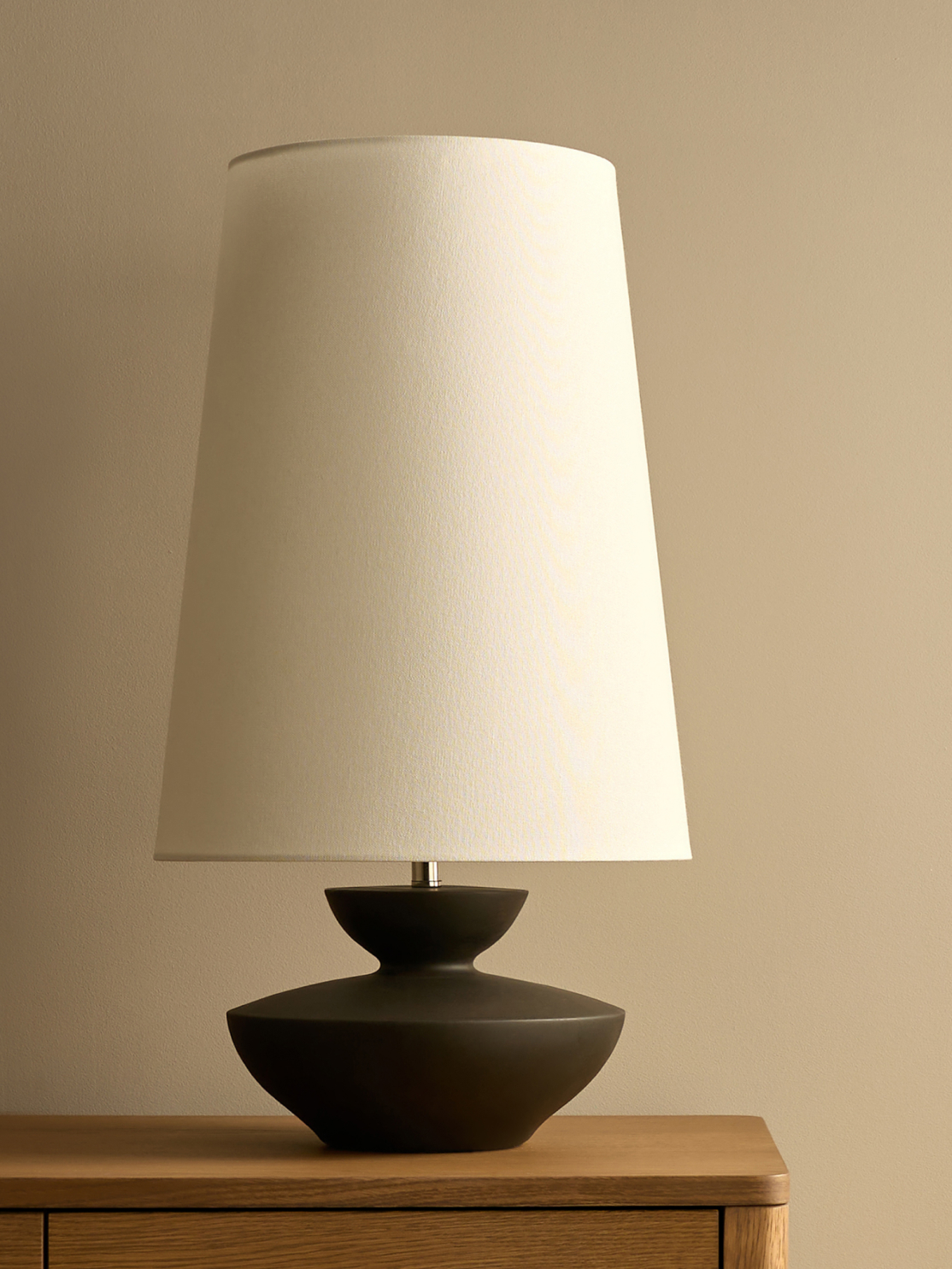
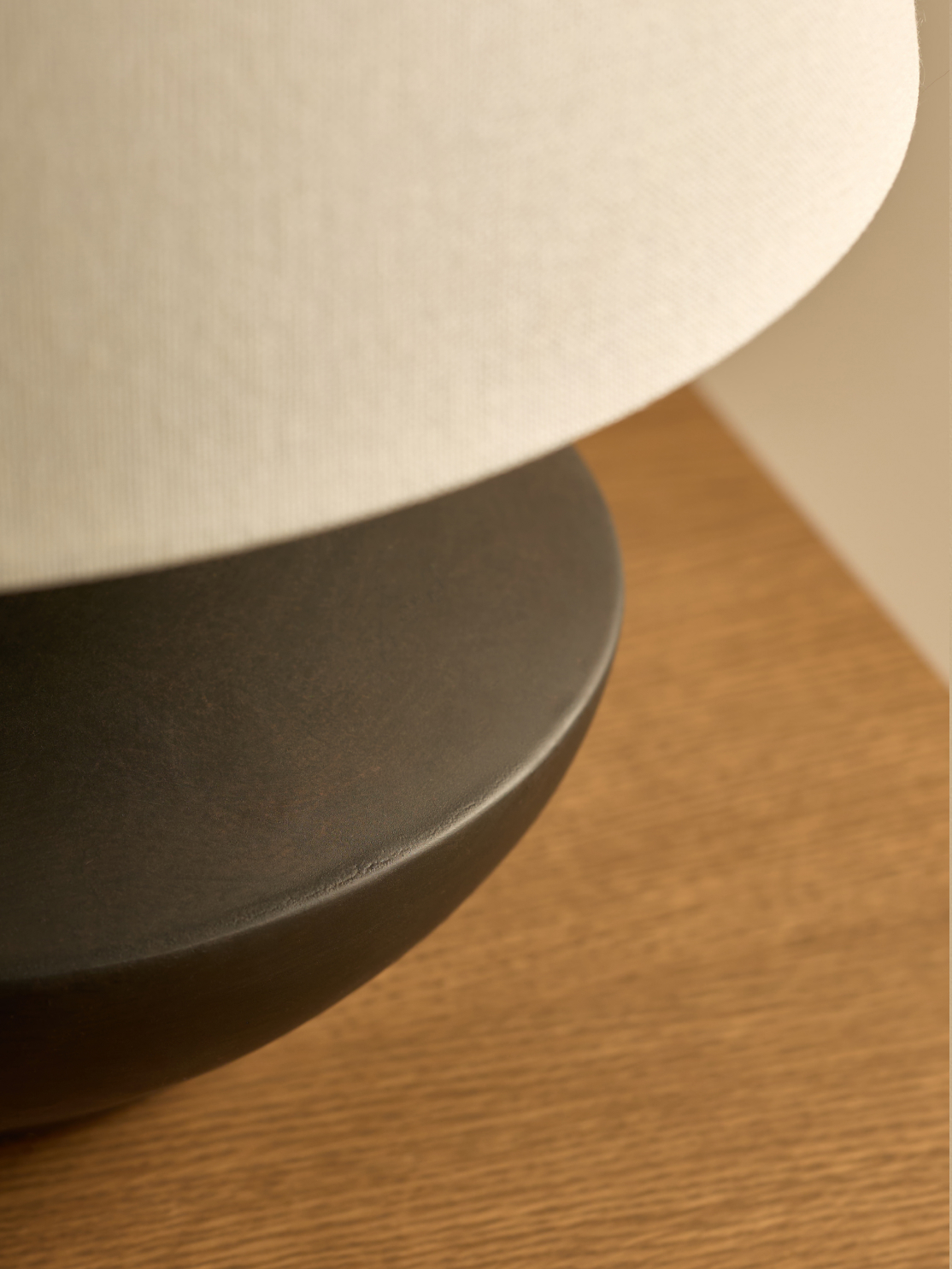
Mira is defined by its vertical emphasis, reading as a slender, sculptural presence within the interior. Its restrained profile is held in balance by the dialogue between a multi-part base and a tapered upper volume, giving the form both stability and lift.
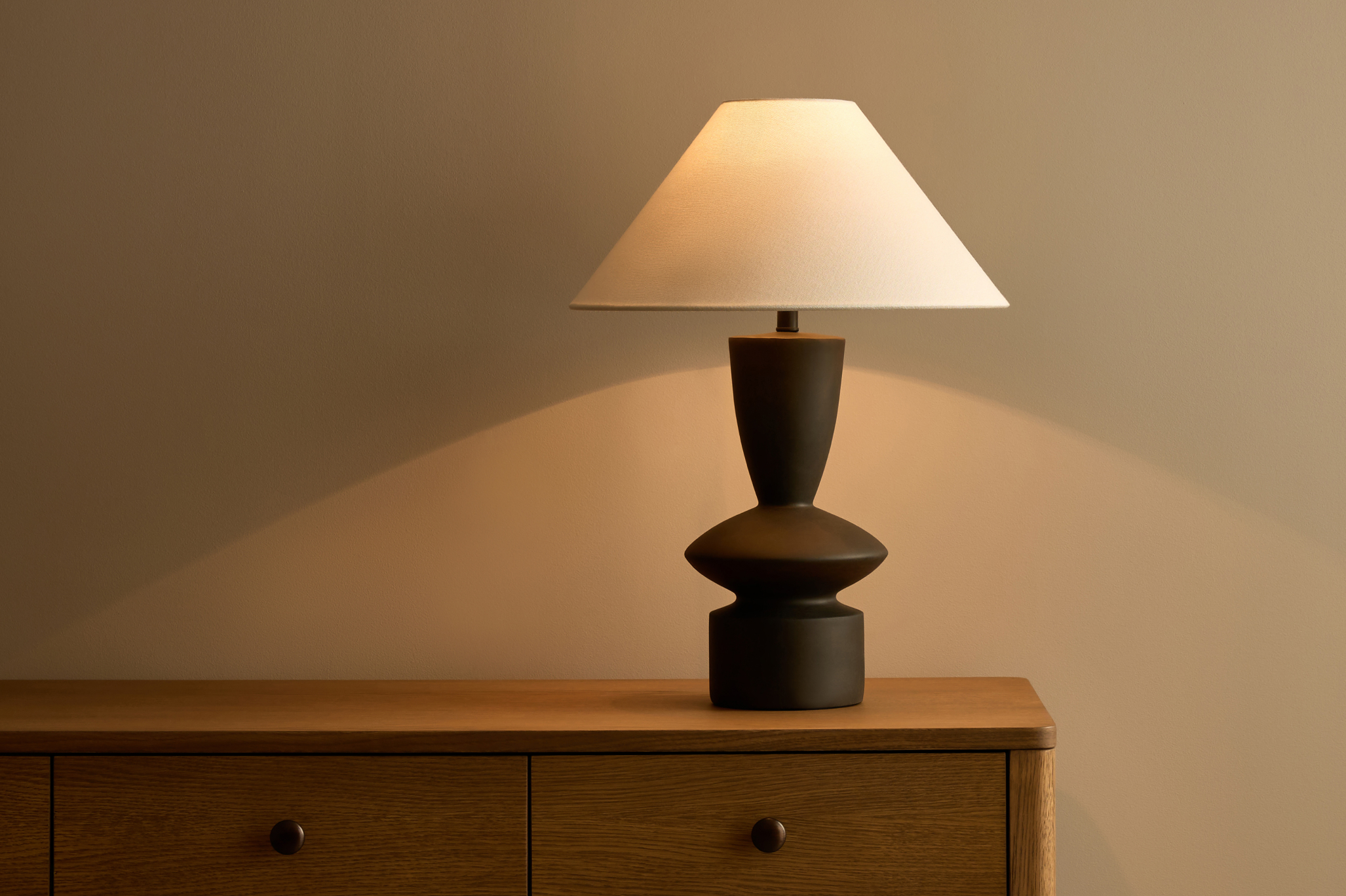
Terracotta range
This part of the collection is held together by colour rather than material. Warm terracotta tones move across ceramic and textile surfaces, allowing different textures to coexist without contrast or hierarchy.
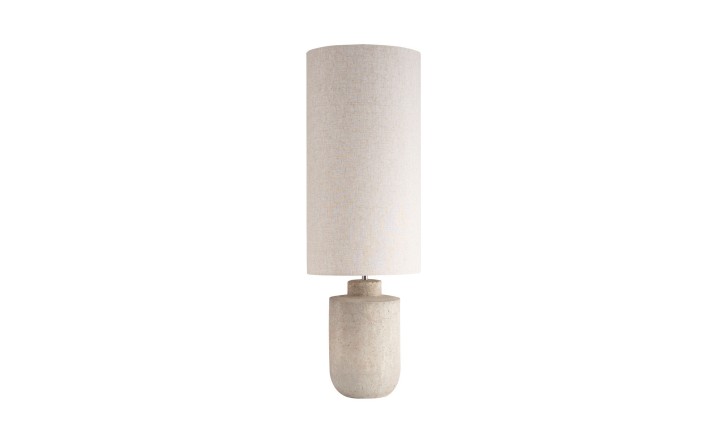
In Sena Beige, the ceramic base feels dense and mineral, its surface uneven and matte. The fabric shade continues the same chromatic note in a softer register. What emerges is not a dialogue of materials, but a single visual field, where solid and soft dissolve into one another.
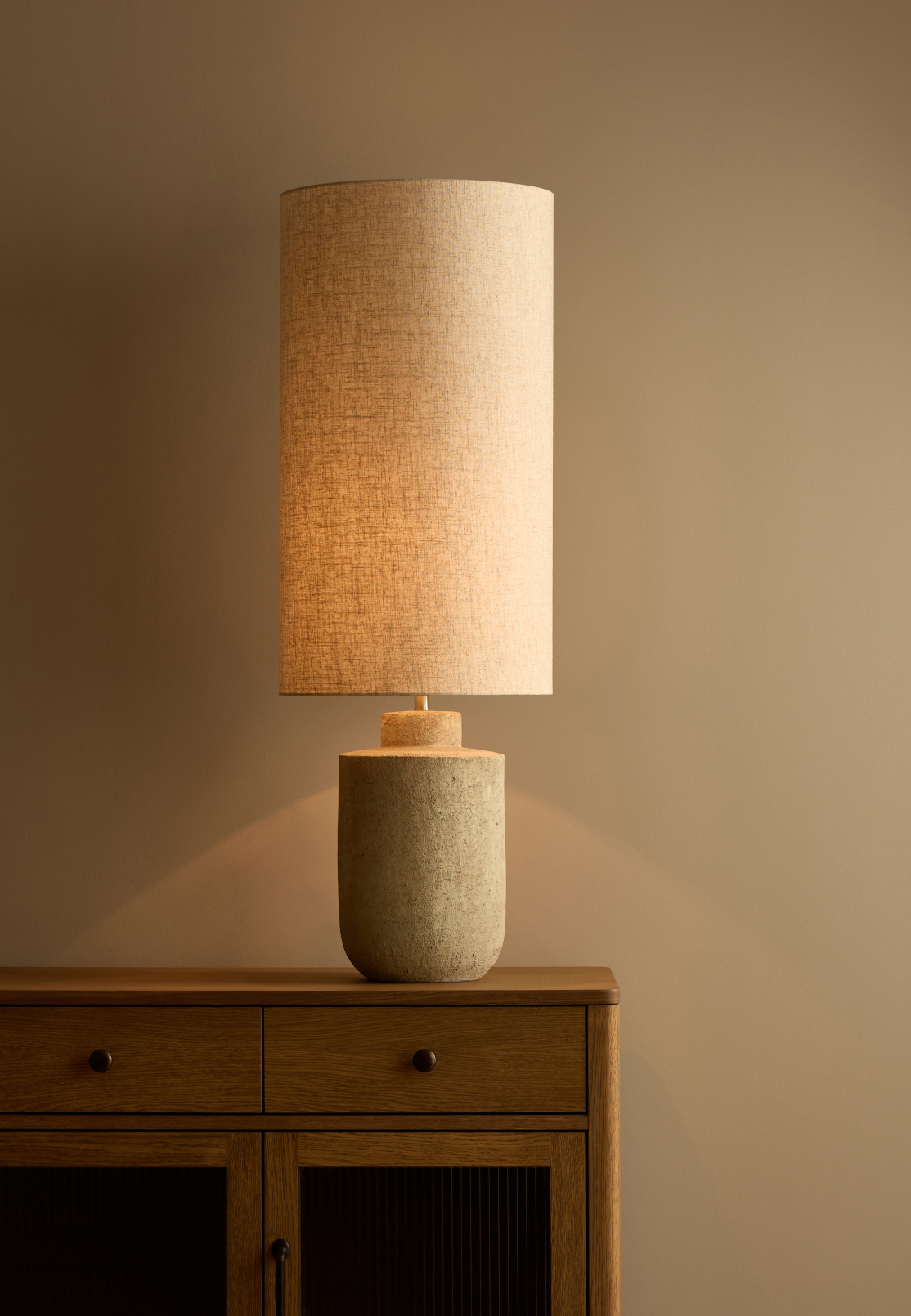
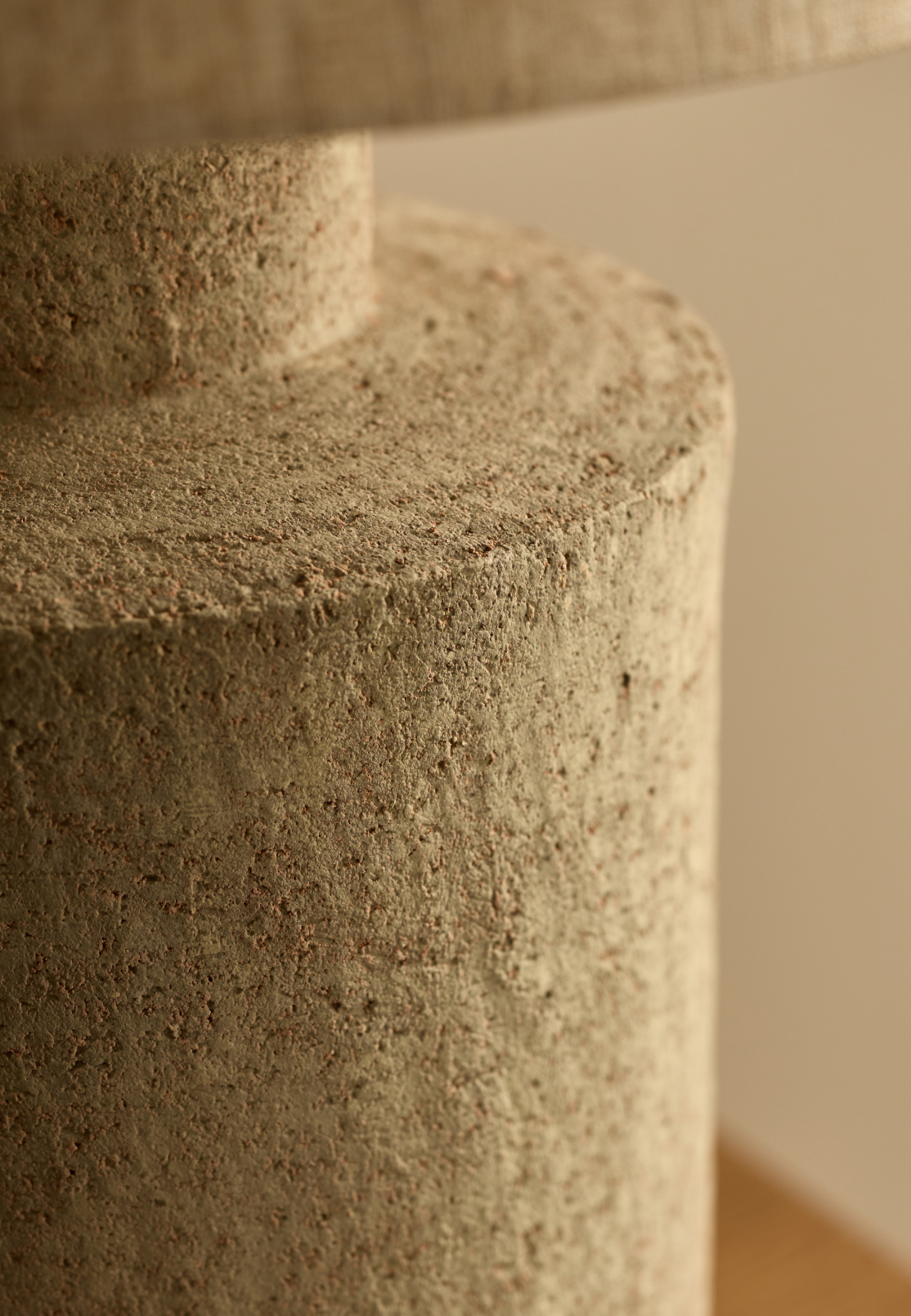
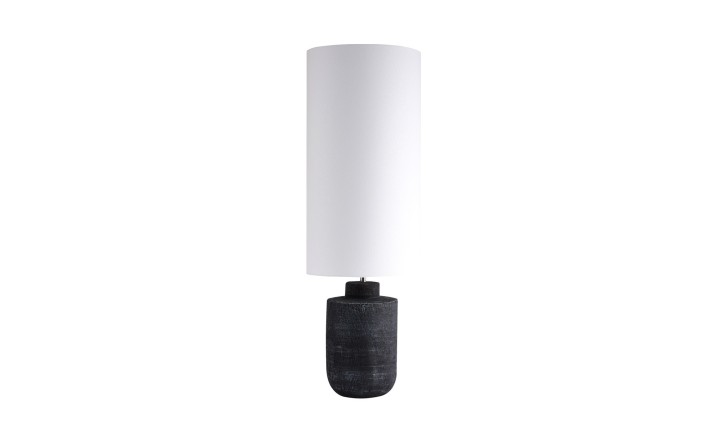
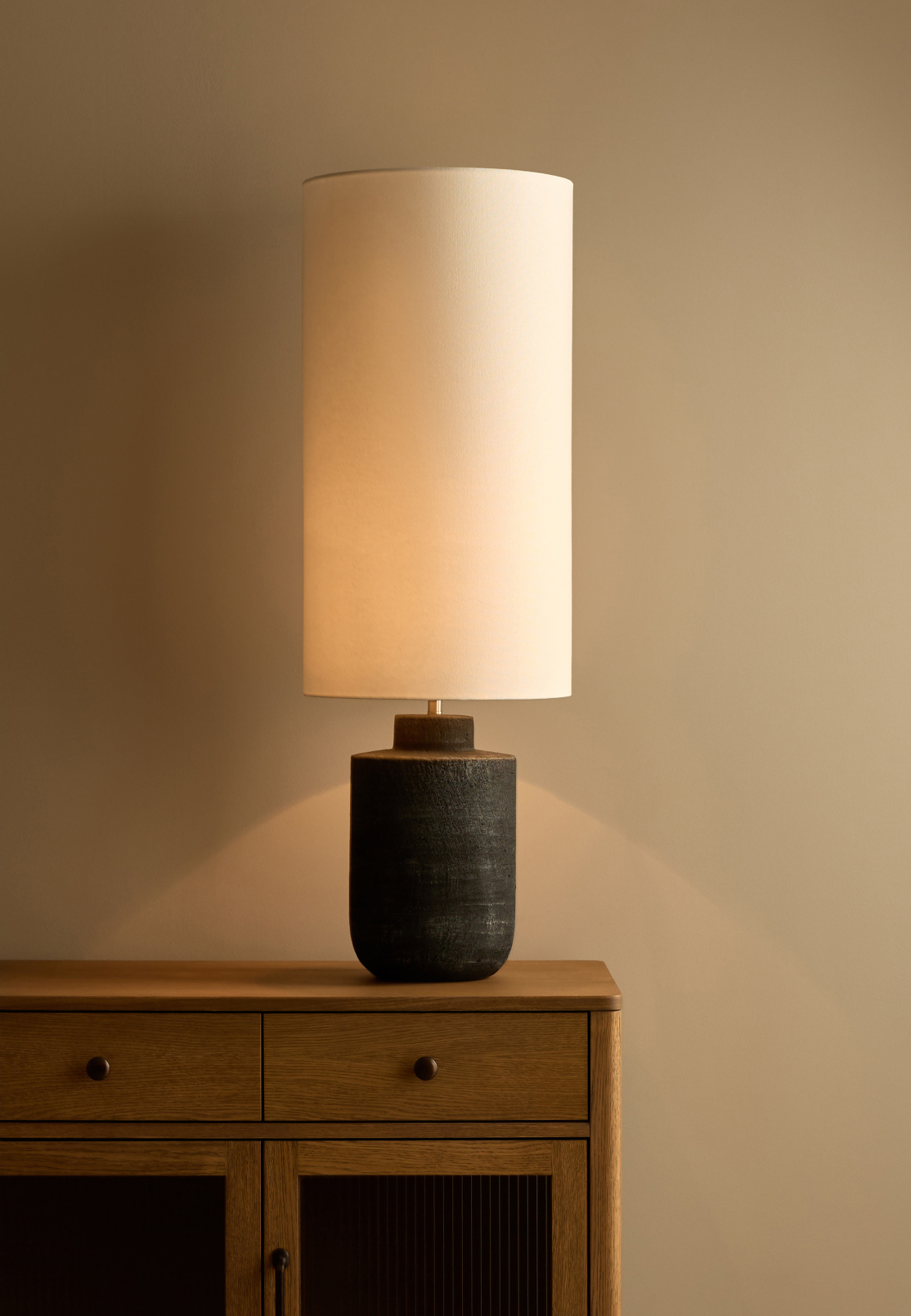
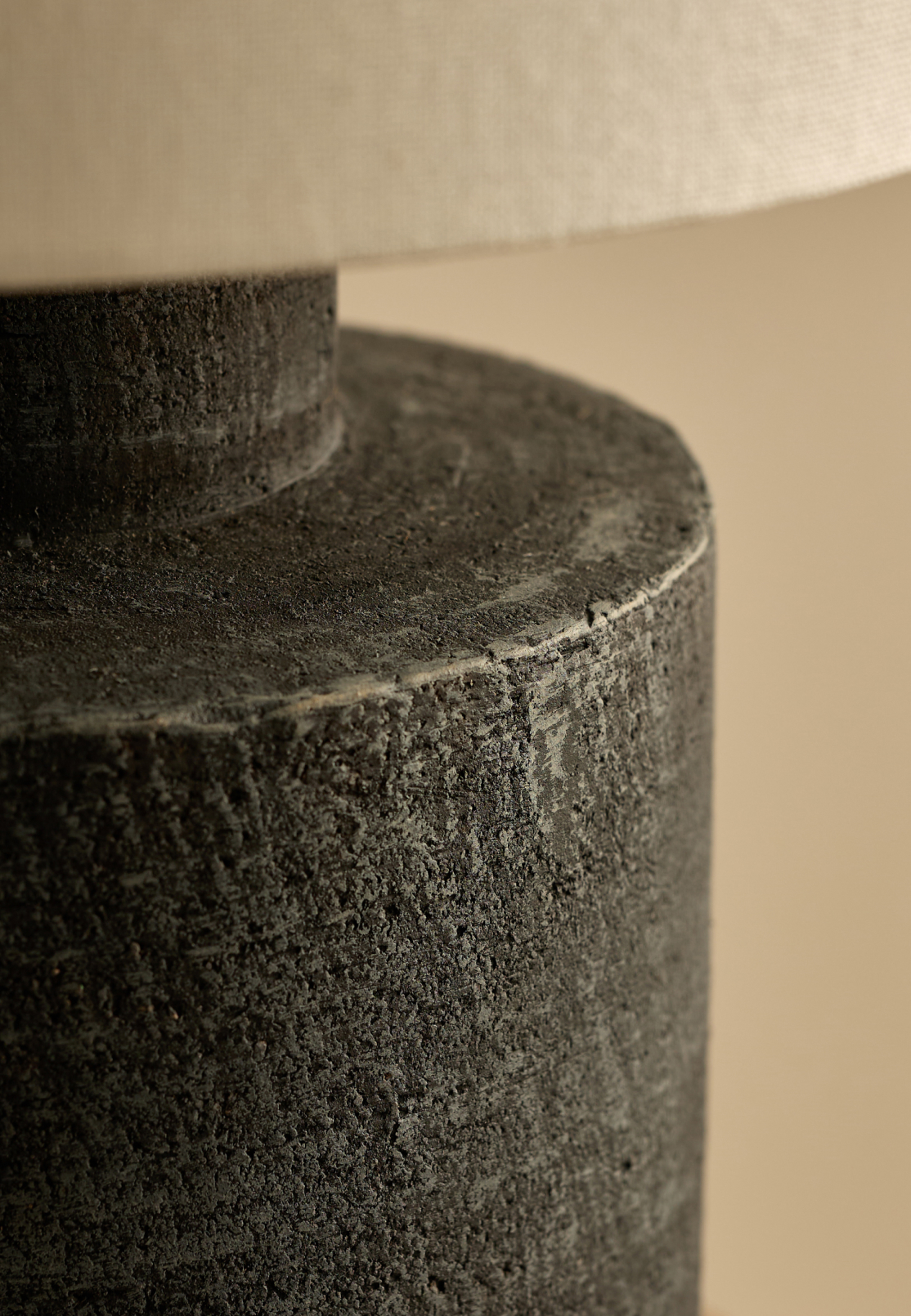
Where Sena Beige feels warm and grounded, Sena Black shifts the mood. The graphite ceramic introduces a cooler, more mineral presence, set against the softer, breathable quality of natural textile. The balance moves away from softness towards clarity and restraint.
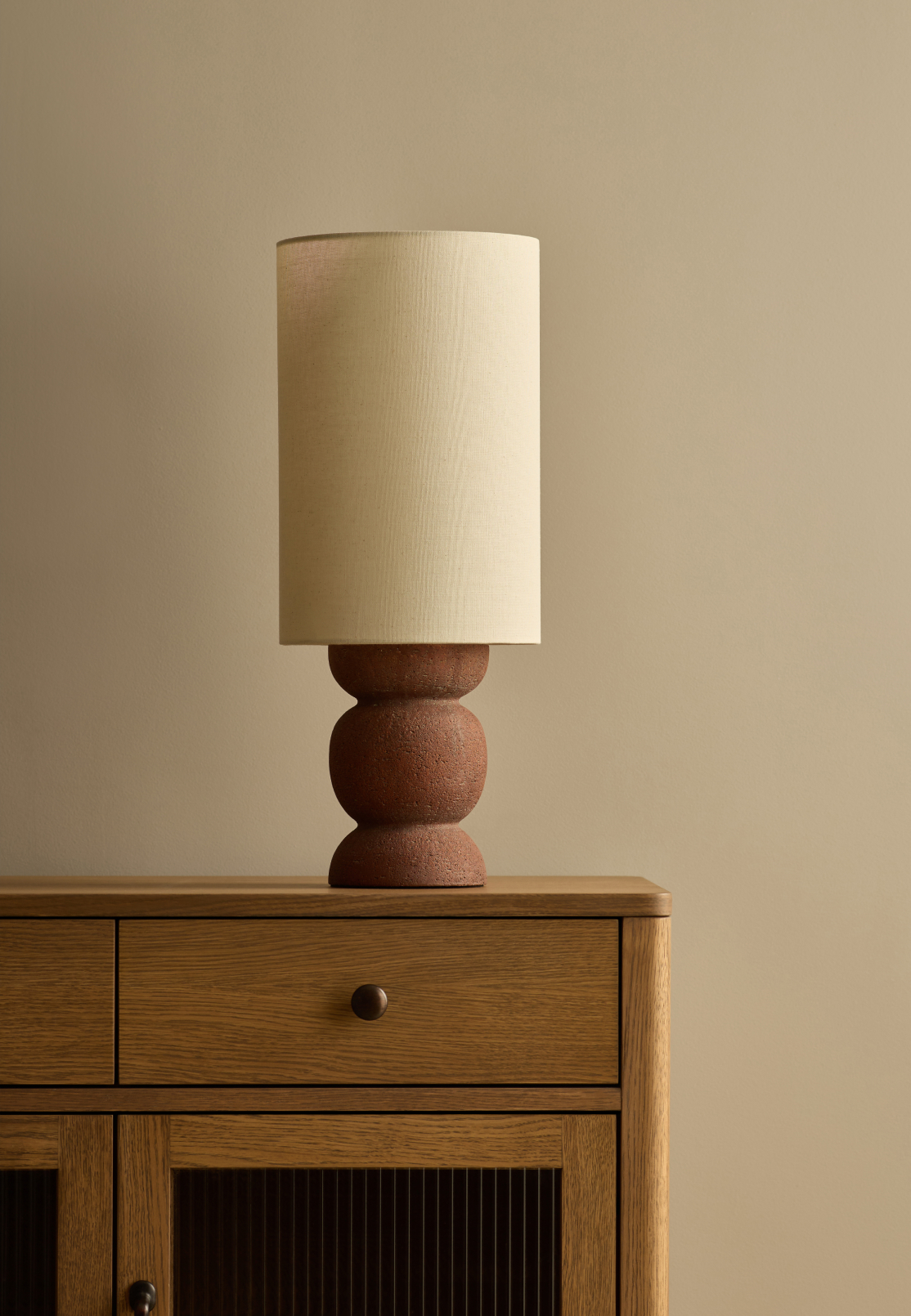
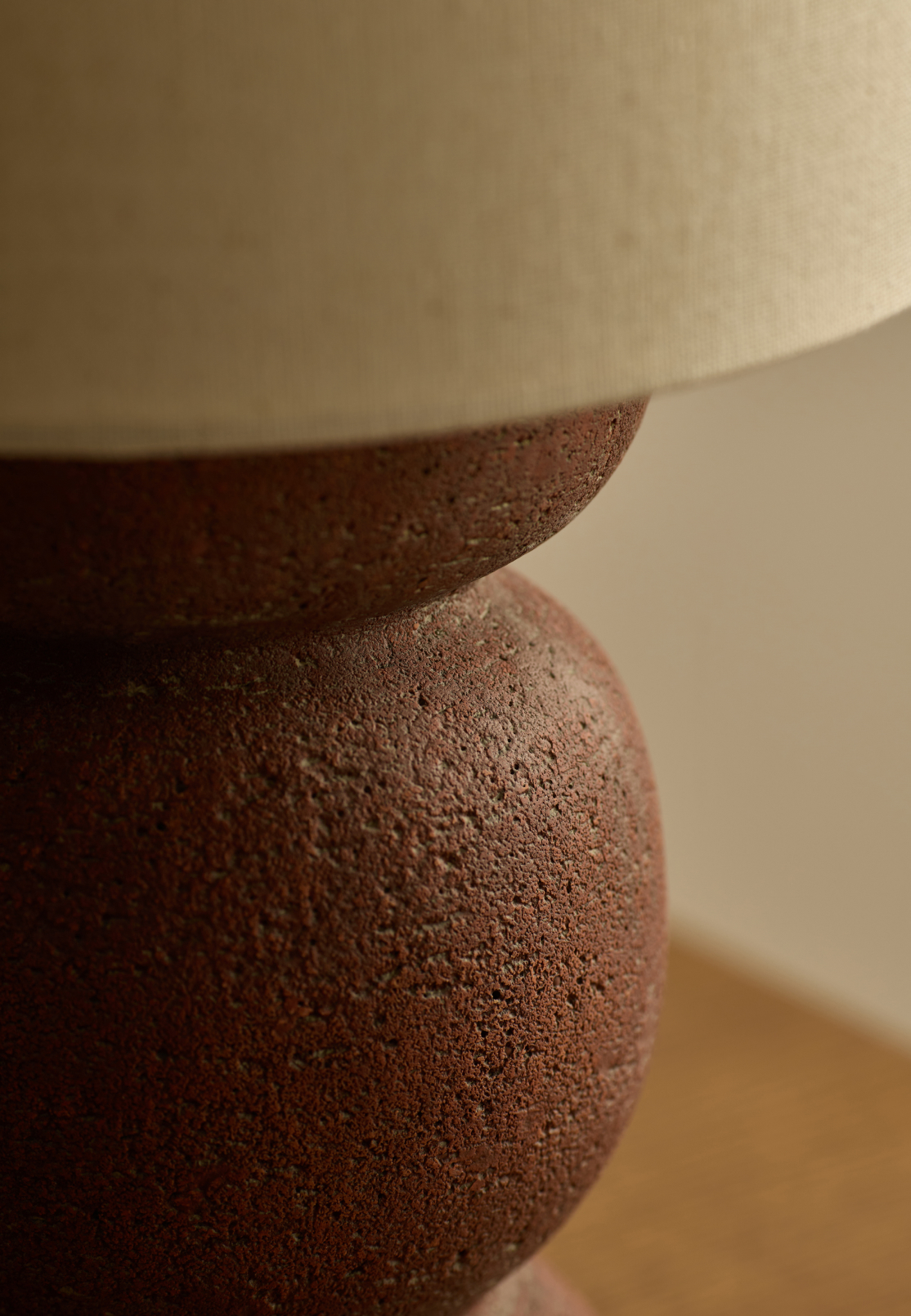
Soma engages with the terracotta palette through a contemporary lens. Its sculptural fibreglass base, finished in a deep, saturated tone, places emphasis on outline and colour as the primary carriers of the object’s identity.
Experience the light firsthand and discover the new table lamps in our showrooms
Items
All products