

Slow Living Outdoors: Four Settings in Southern France
What is hardest to come by now is a pause. Slow living makes its argument against hurry: that the ordinary hours of a day deserve some attention, and that the rituals around them are worth keeping. Outdoors it becomes a practical question, a matter of how a space is arranged and how much of the work the landscape is left to do.
Château de la Tour and the countryside of southern France gave us four settings: a table, a pier, a terrace, and a corner of the vineyard
Set for the Critics: Dinner with an Audience
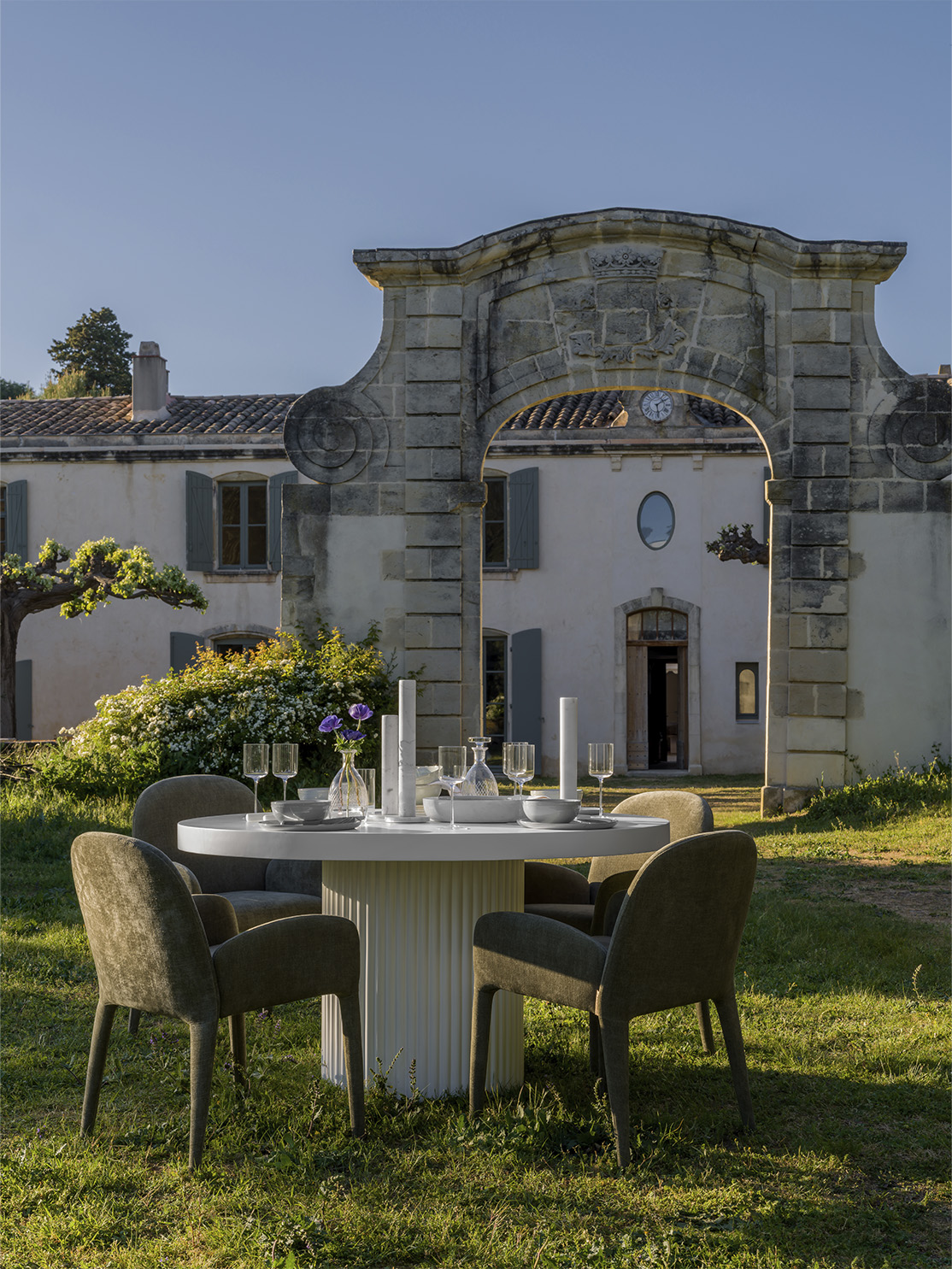
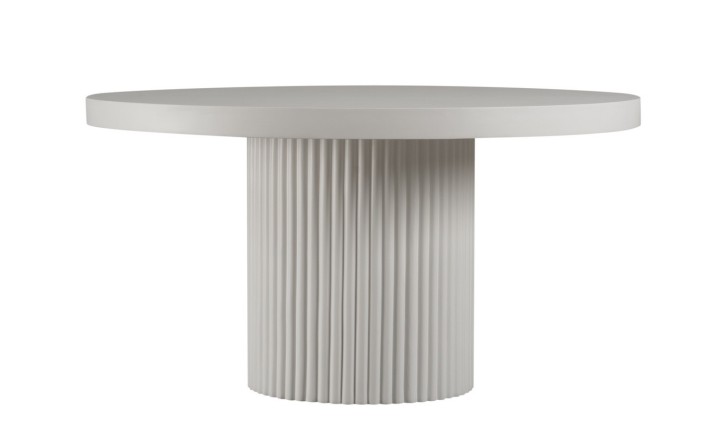
Picture a warm evening at the villa. The owners are expecting old friends, film critics with a well-trained eye, and the table is expected to hold its own. A monumental concrete table takes the centre, its proportions matched to the scale of the old gates behind it.
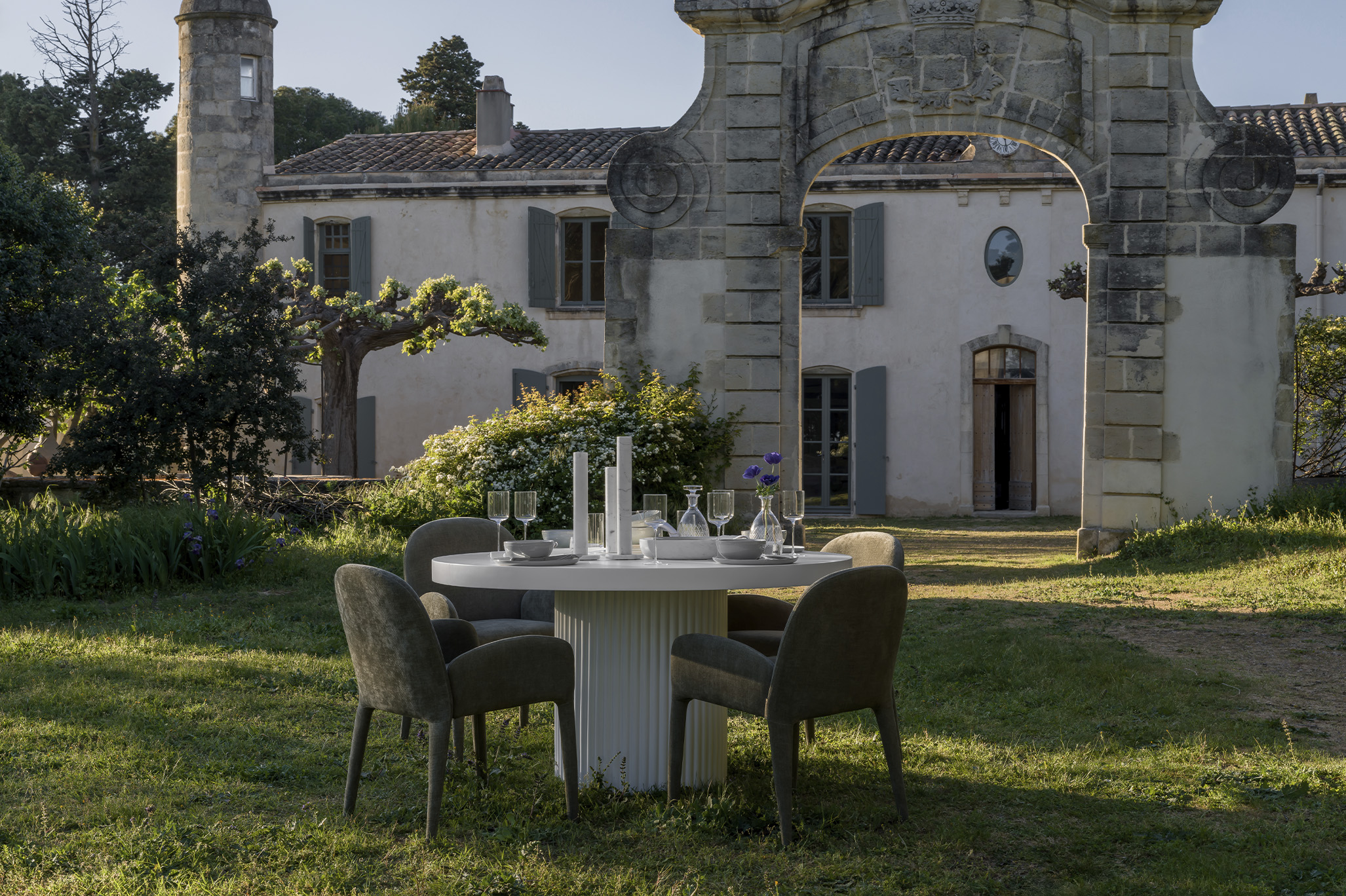
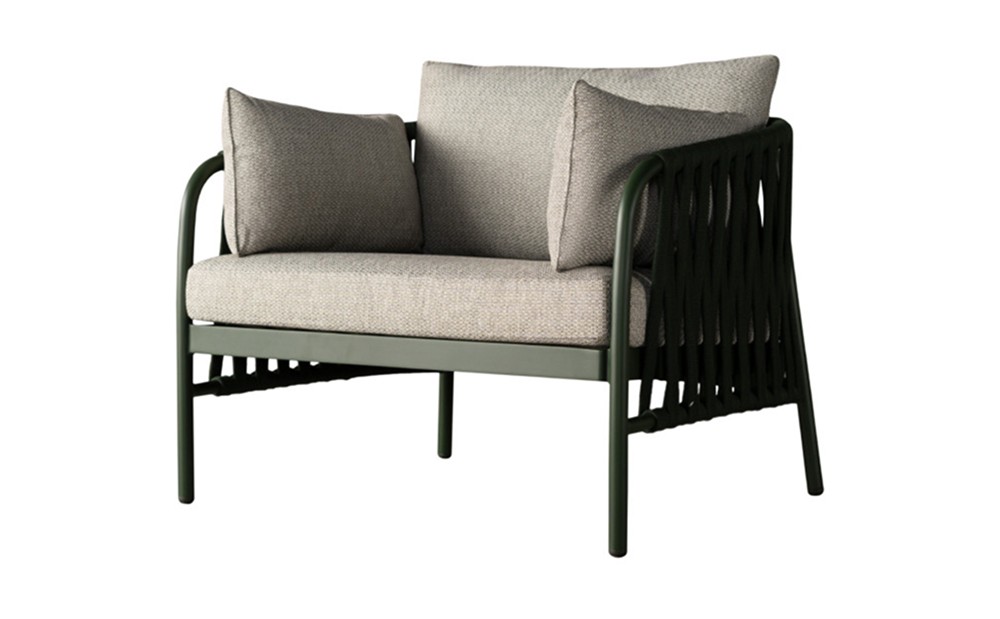
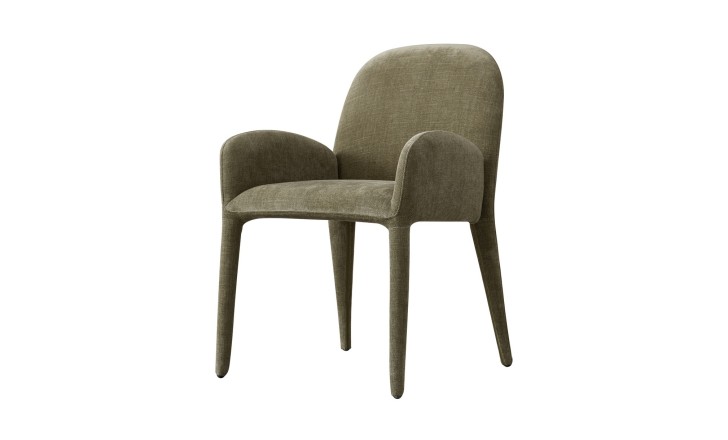
Tyler chairs in a deep conifer green sit alongside it. Bringing indoor pieces outdoors is a styling move that depends entirely on the forecast, and on a clear evening it lifts the whole occasion. The rounded backs pick up the curve of the arches and the dome of the tower, so the chairs belong to the architecture rather than stand in front of it.
On the Pier: Nothing but the Water
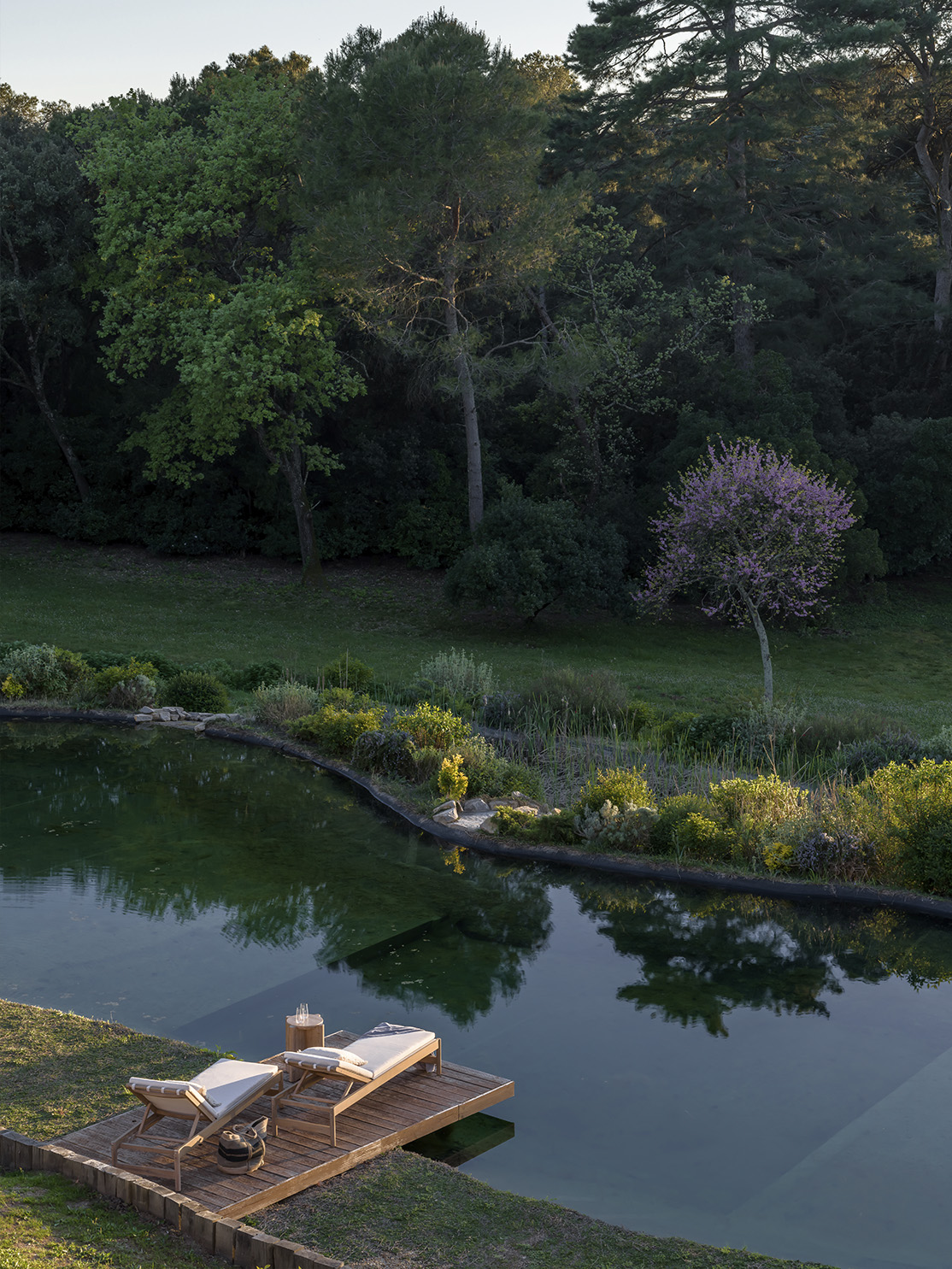
Away from the house, at the edge of still water, everything is arranged around quiet.
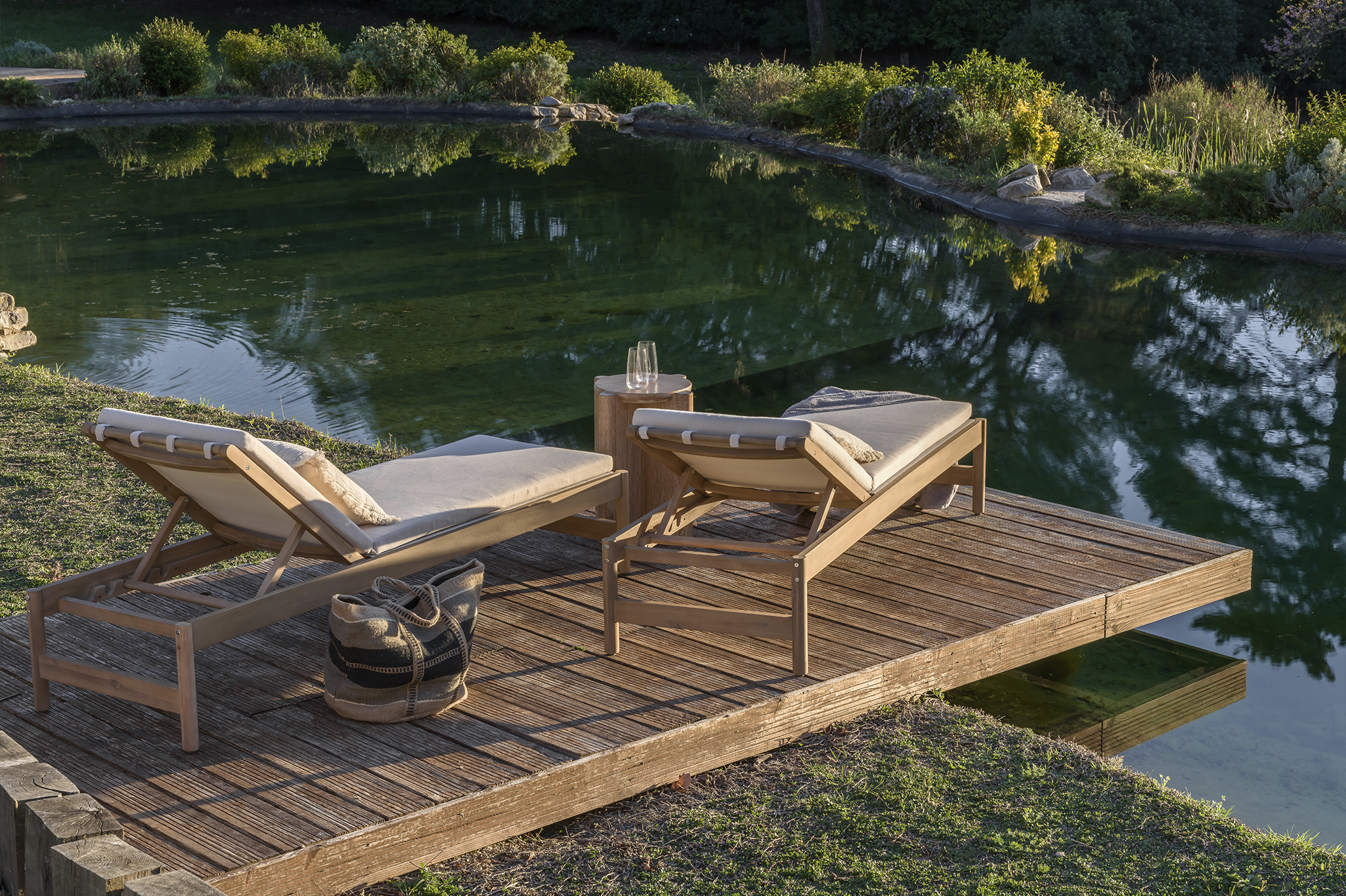
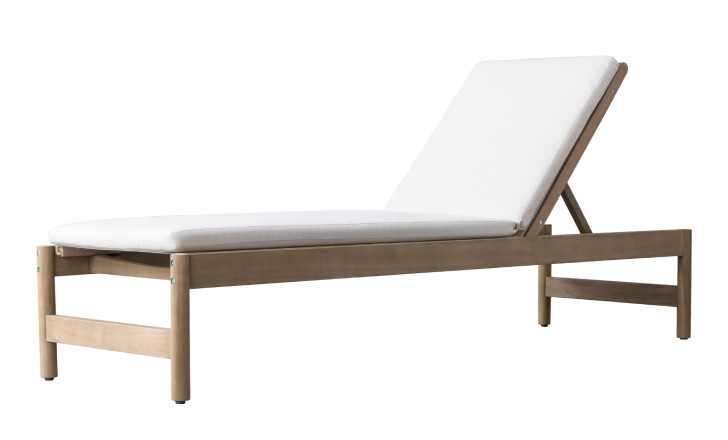
Each lounger reclines through several positions, so the view can be taken in from whatever angle suits the hour. The calm comes from restraint: natural texture, moving air, clear water, and little else.
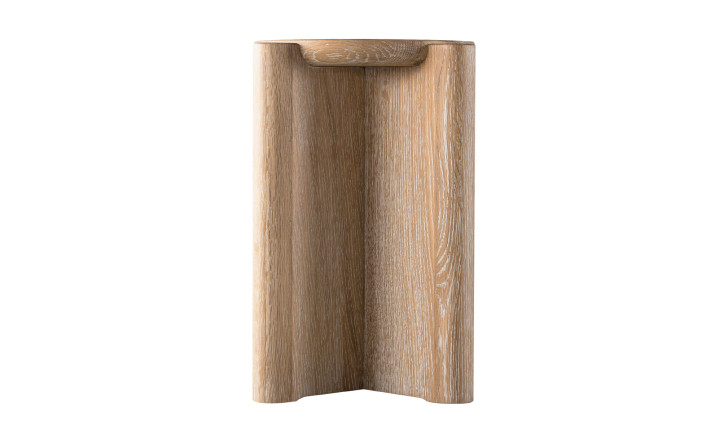
Breakfast in the Shade
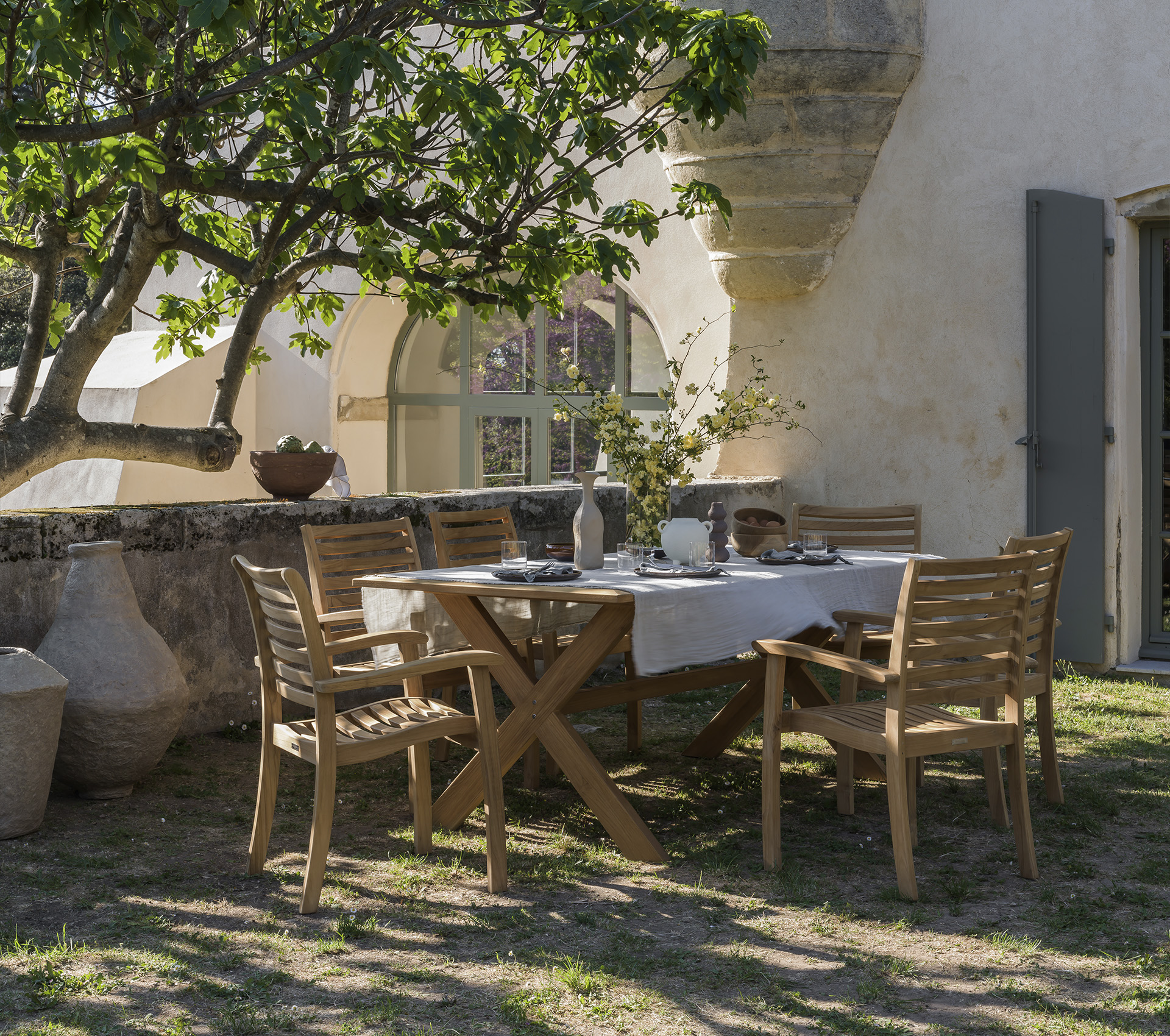
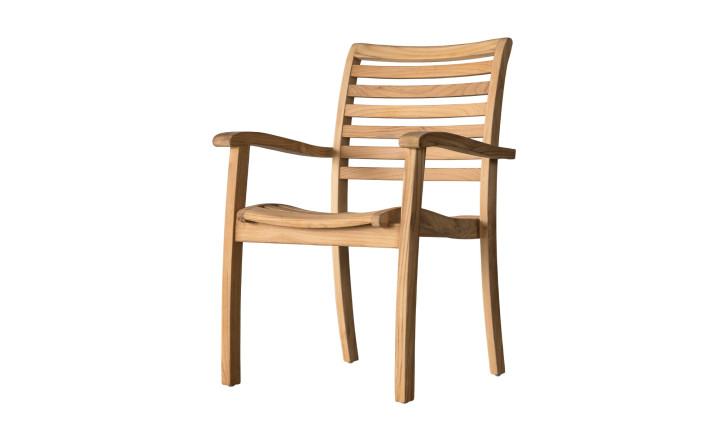
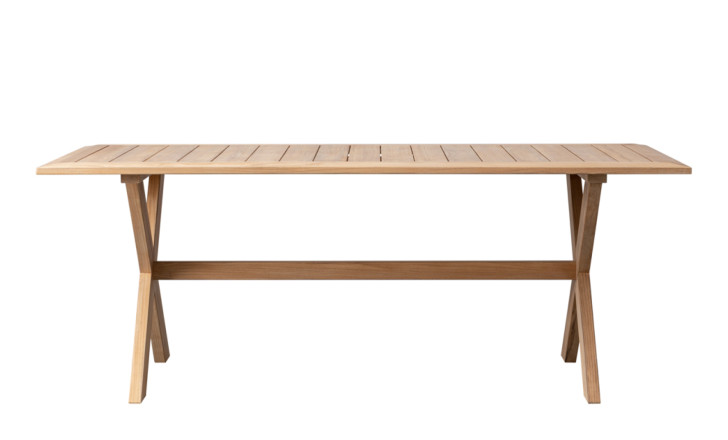
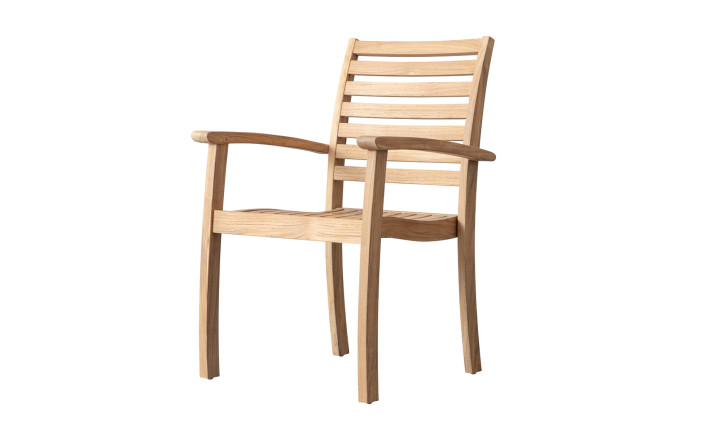
A table and chairs by the stone wall hold the family's morning habits. The day starts here with a berry tart still warm from the oven and a pot of coffee. Teak holds its own against the old stone, and nothing in the setting breaks the period.
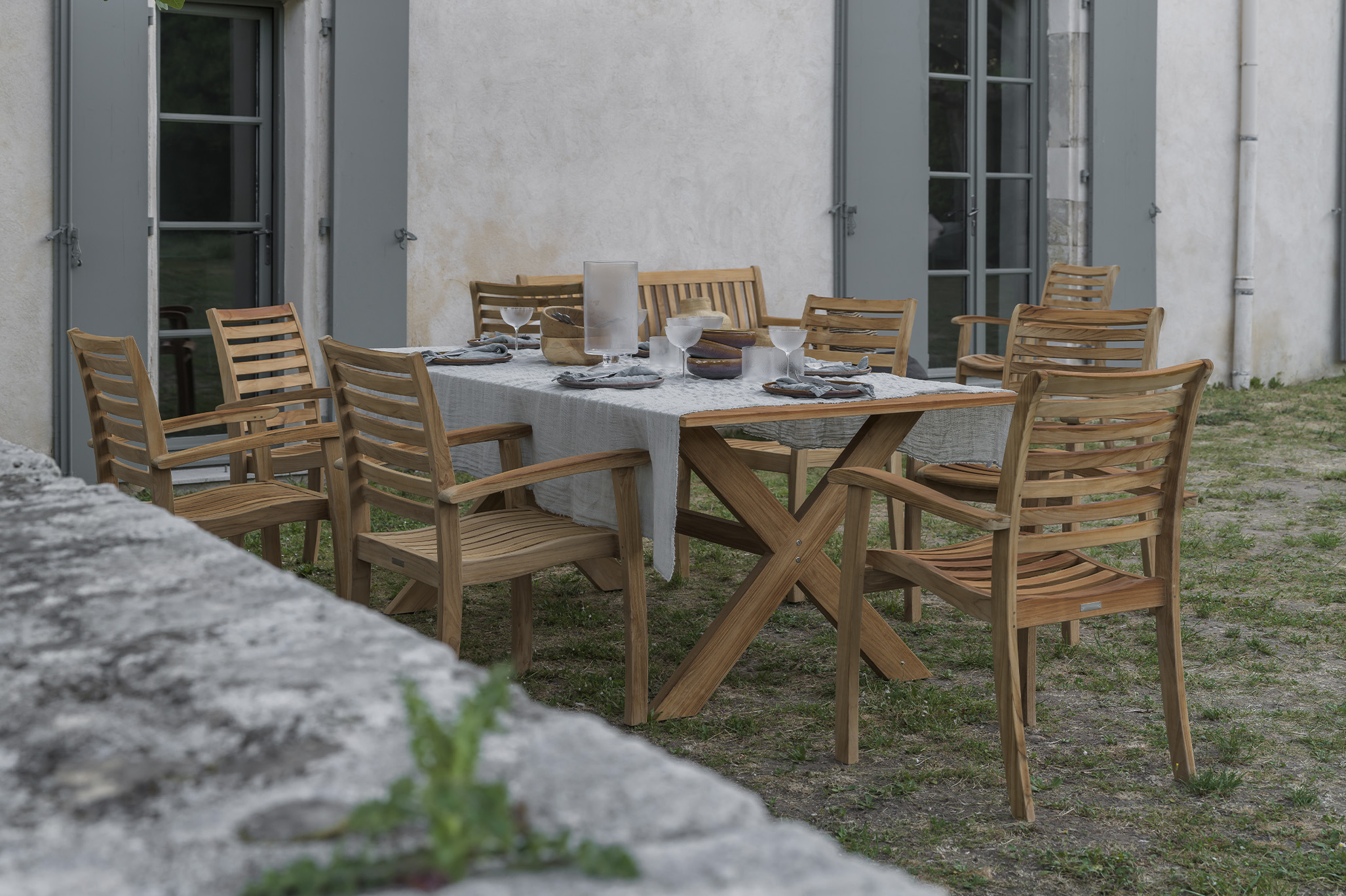
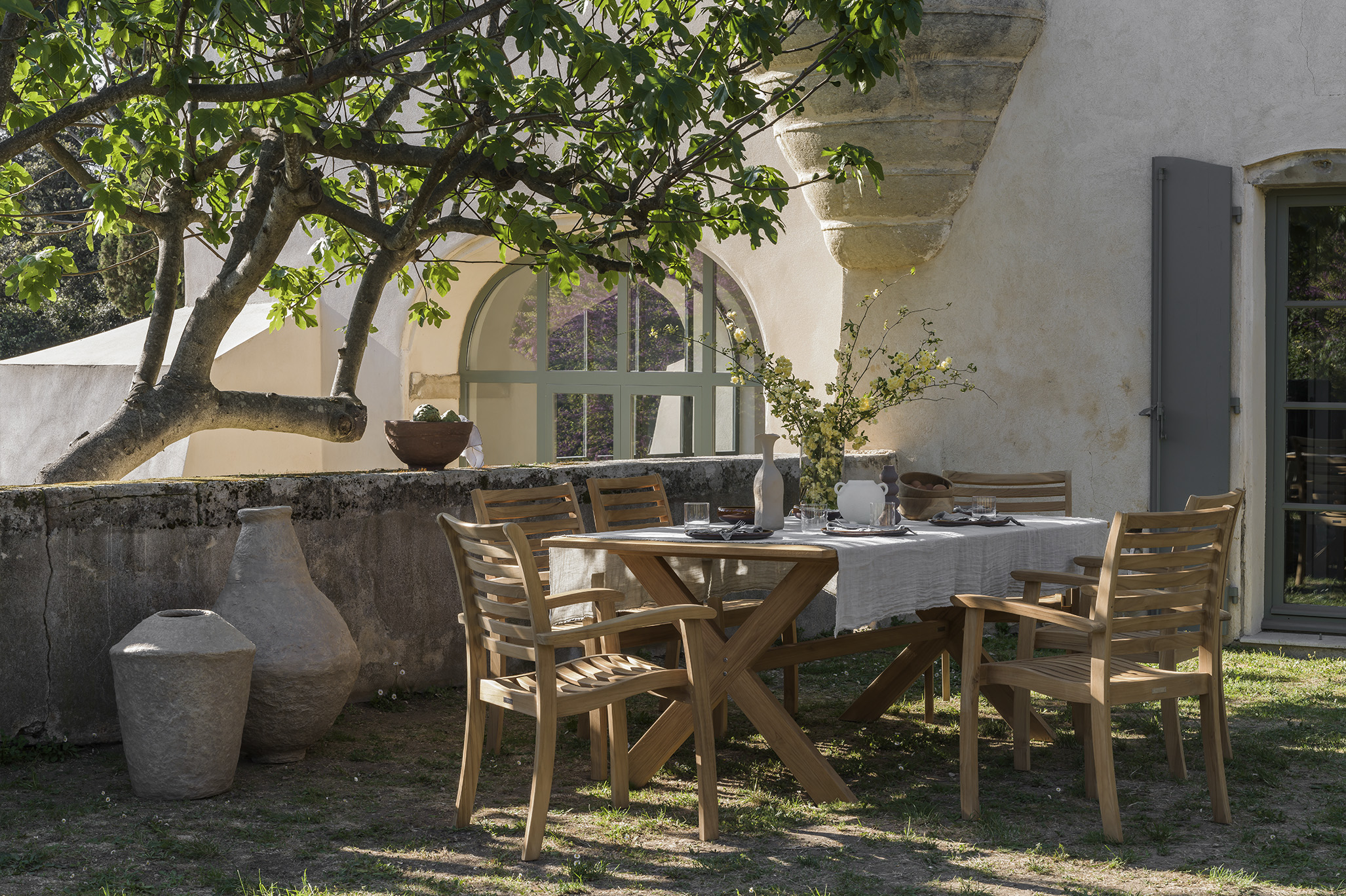
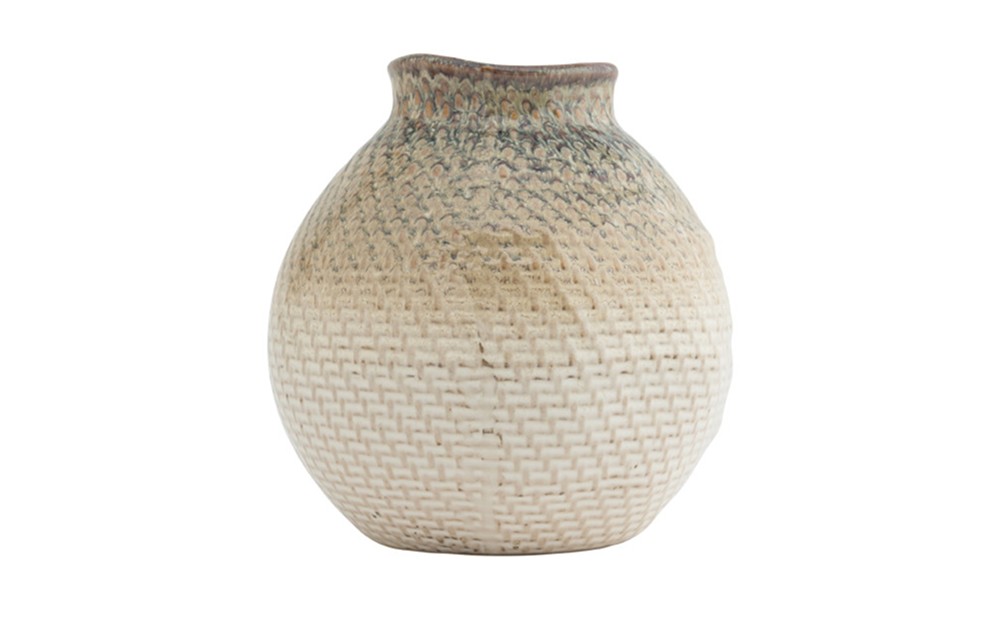
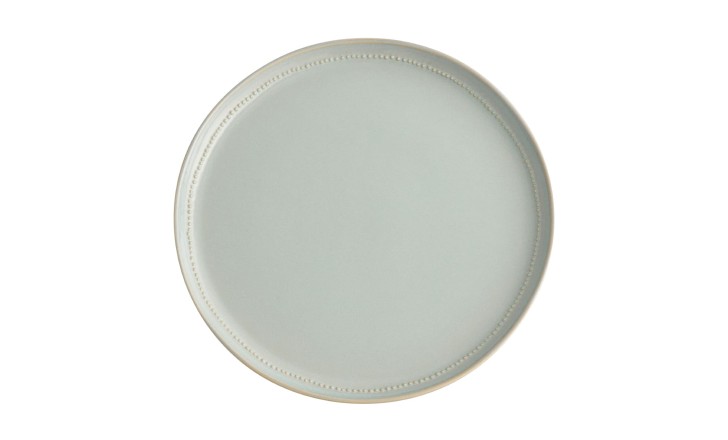
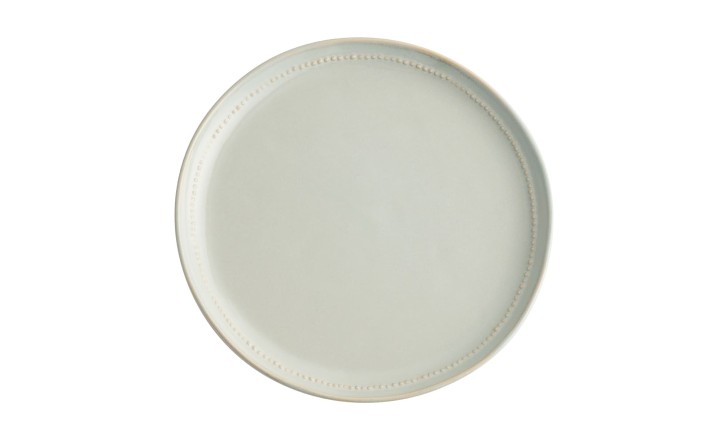
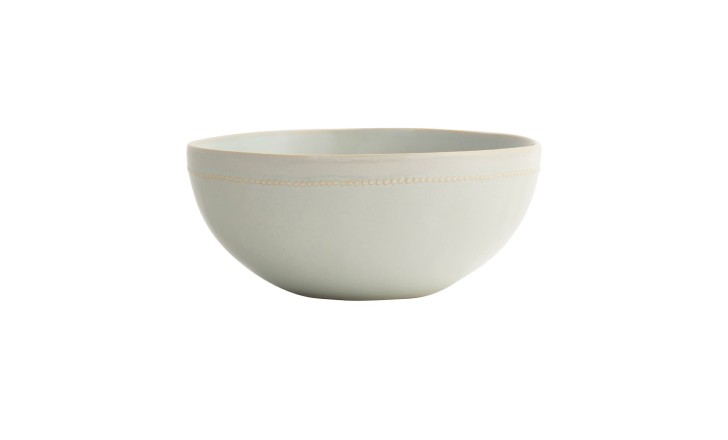
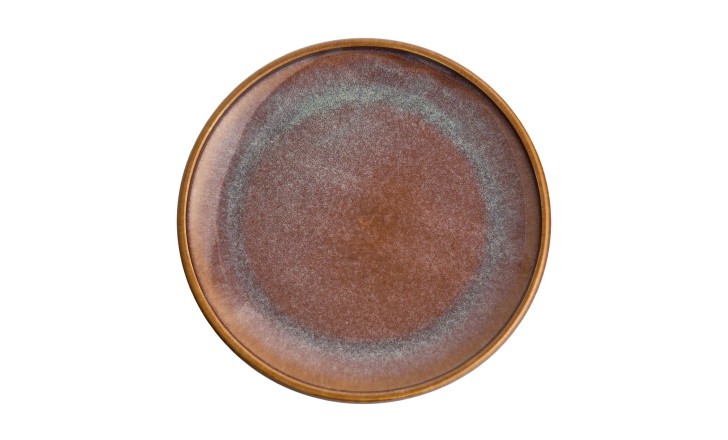
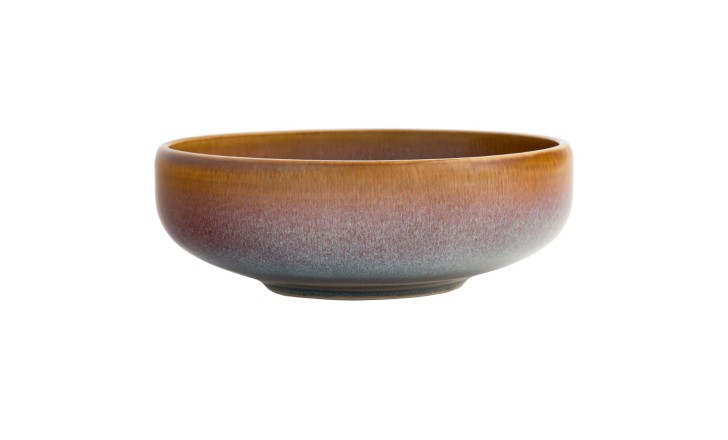
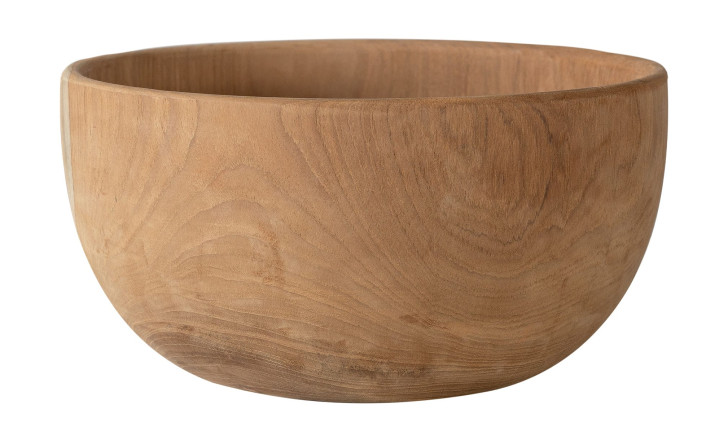
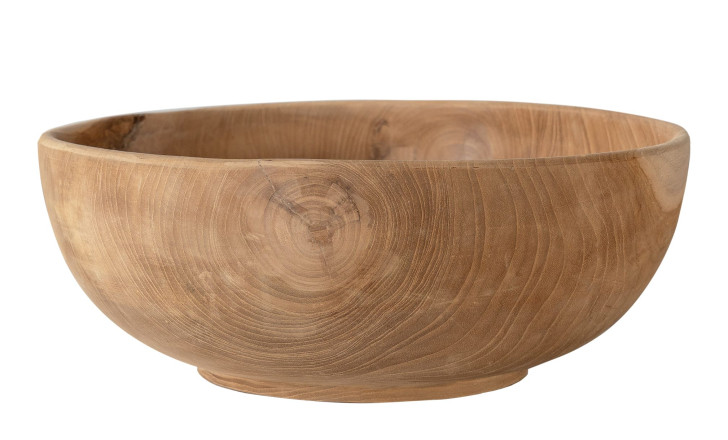
The table follows the surroundings: flowers in the vases match the blossom on the trees nearby, and handmade ceramics carry the rest. The Lago bowls and plates run from terracotta through sea blue to bark.
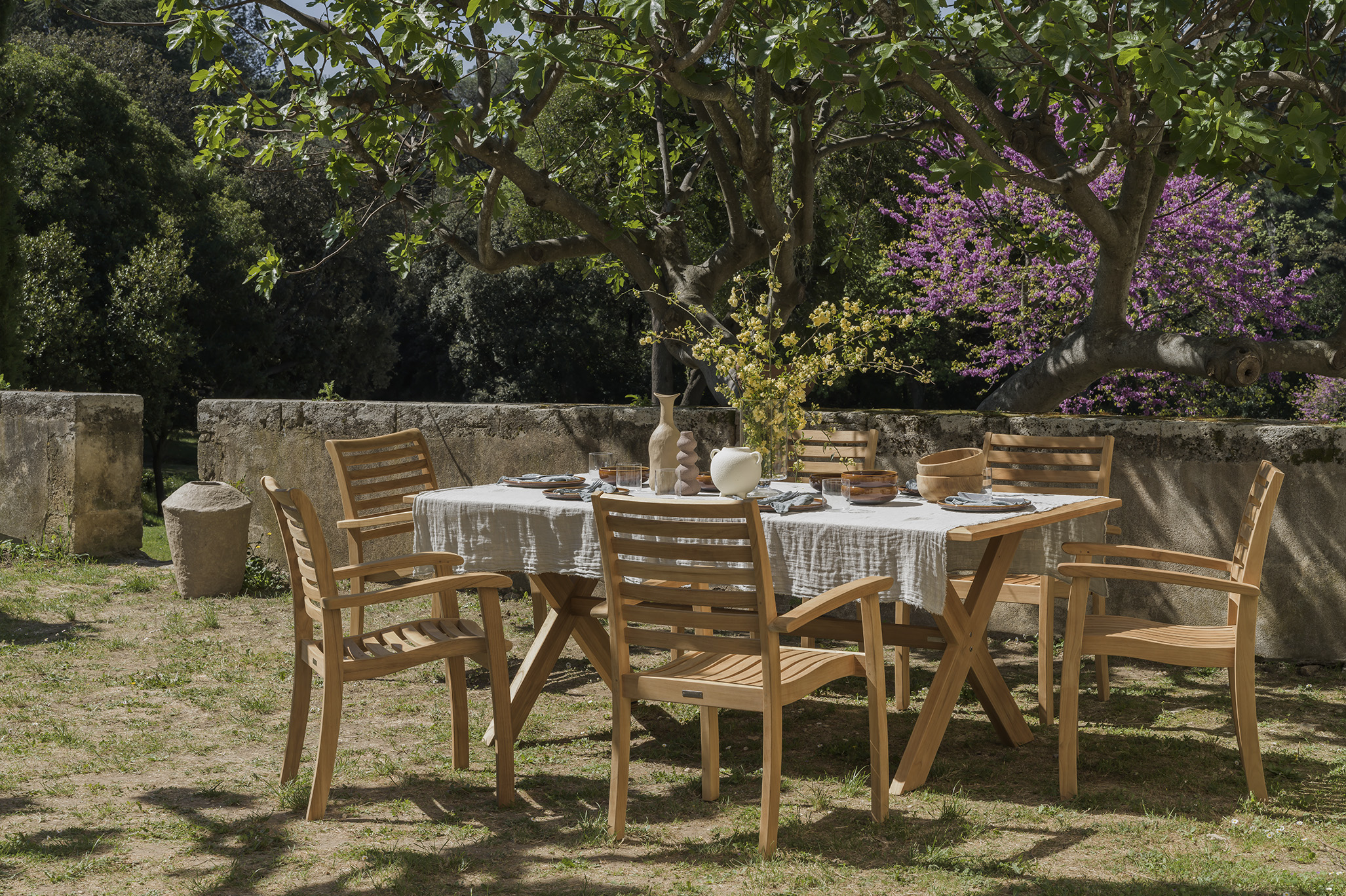
Among the Vines
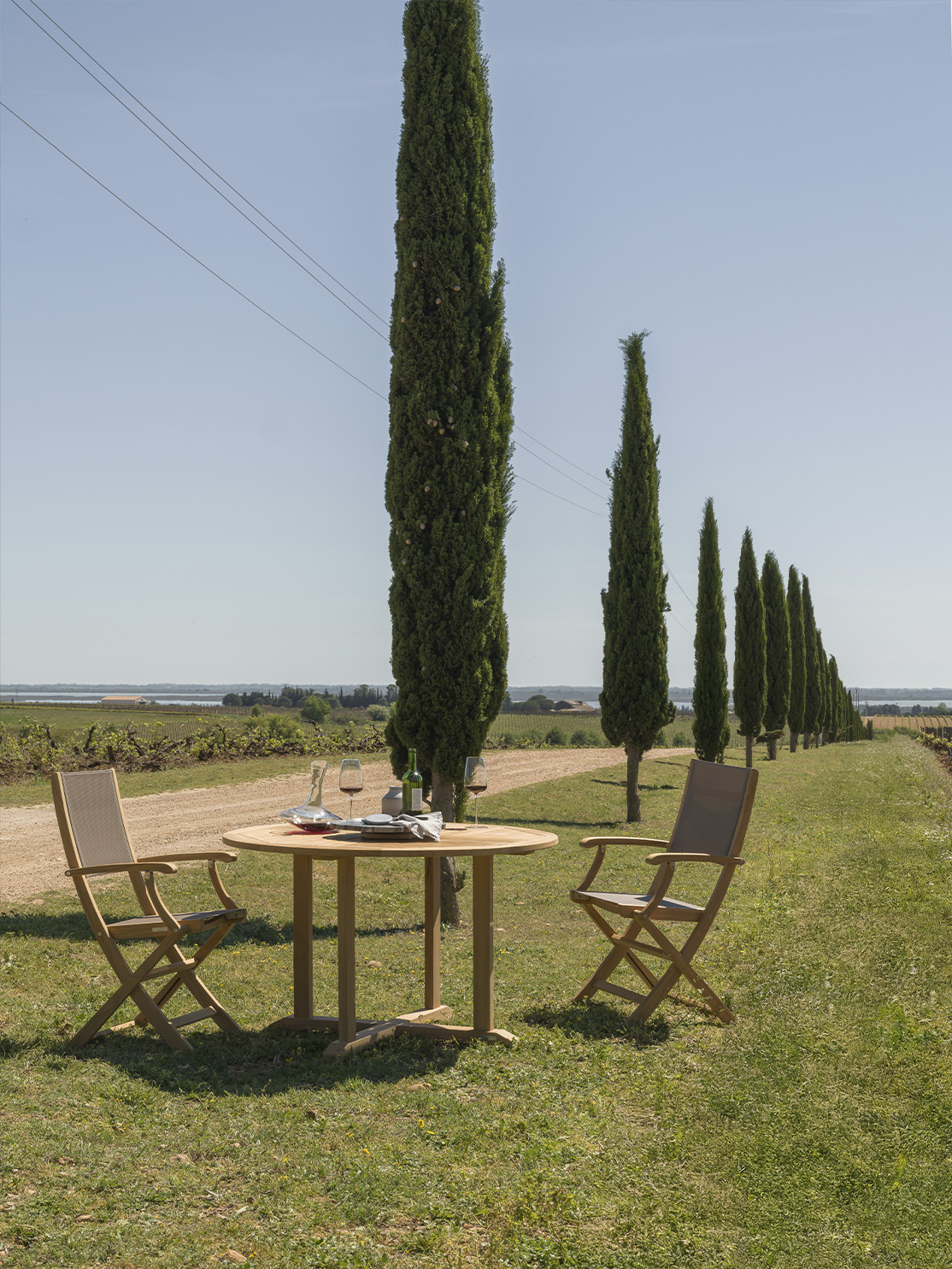
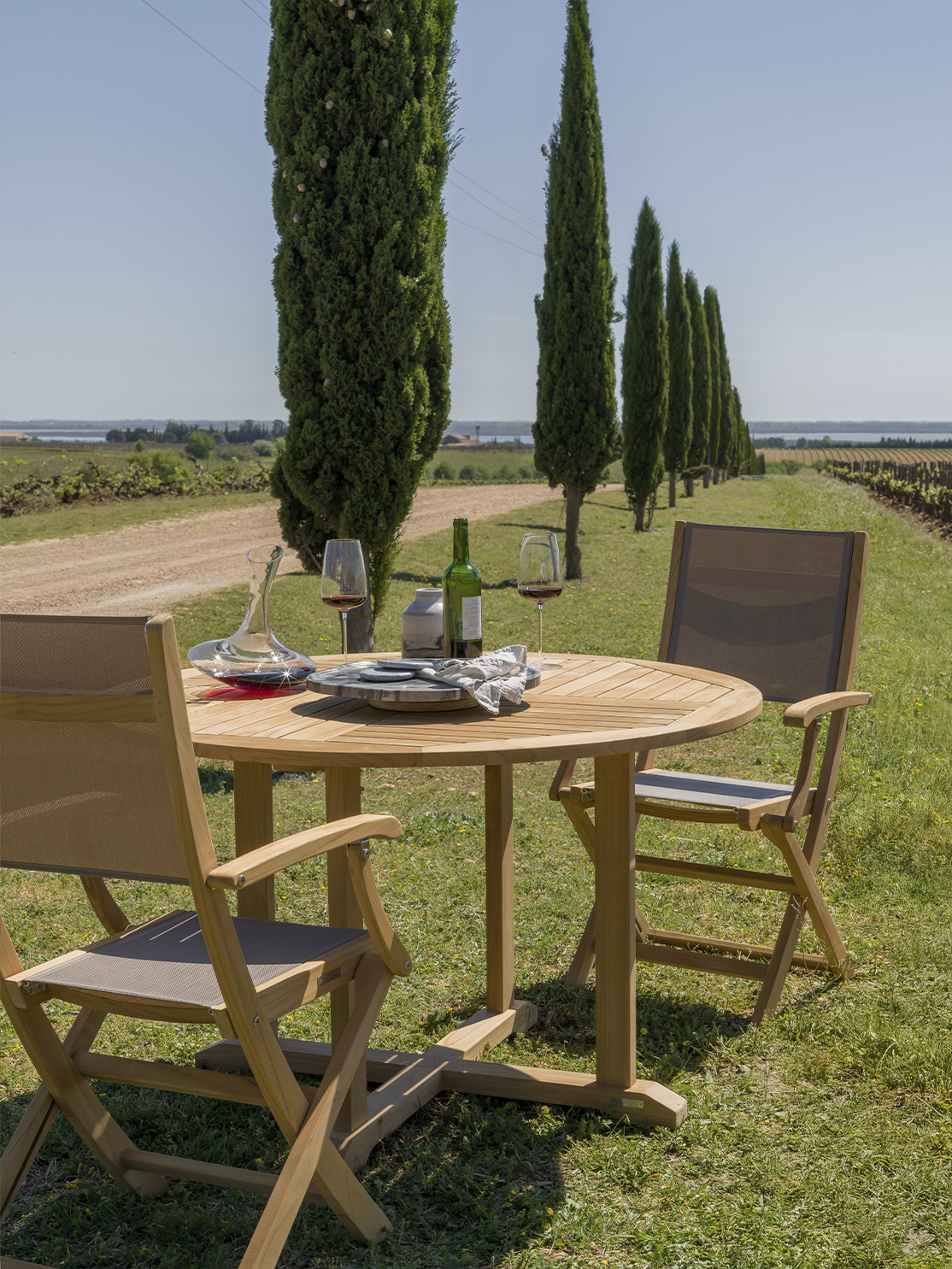
Tucked behind the château, beside the vineyard, a small corner is given over to tasting. It is the kind of place where nobody is expected and nothing is scheduled.
Bringing It Home
The showrooms carry the collections behind these settings, and the design team can work any of them onto a particular terrace or garden.