

Five New Sofas: Different Ways to Shape a Living Room
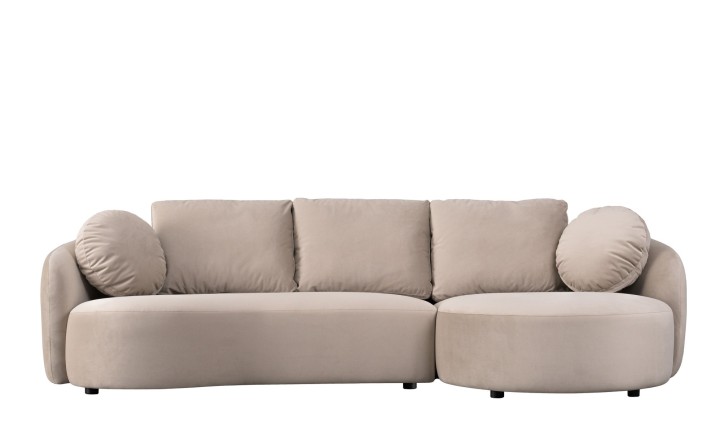
Sonora
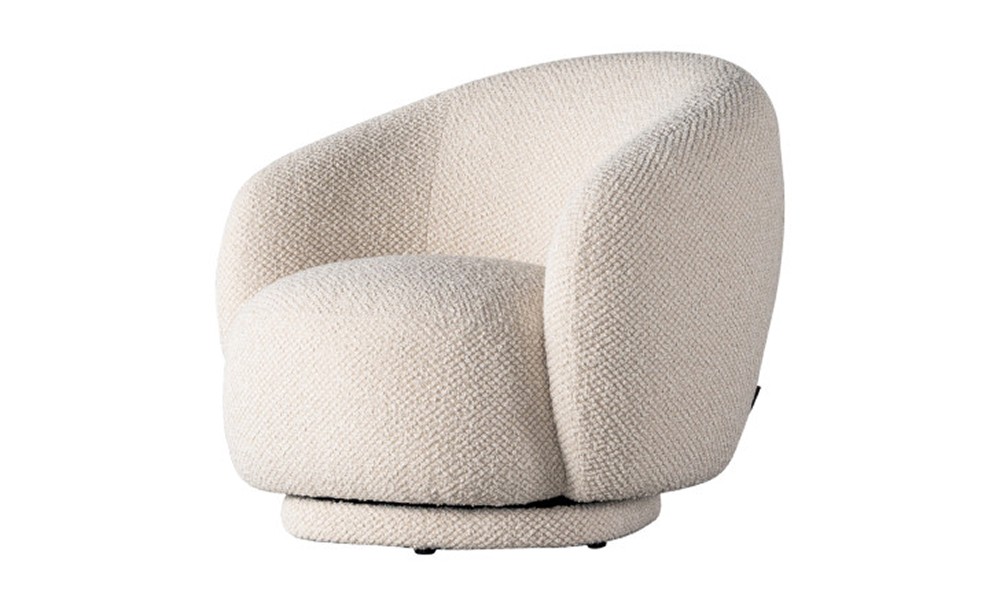
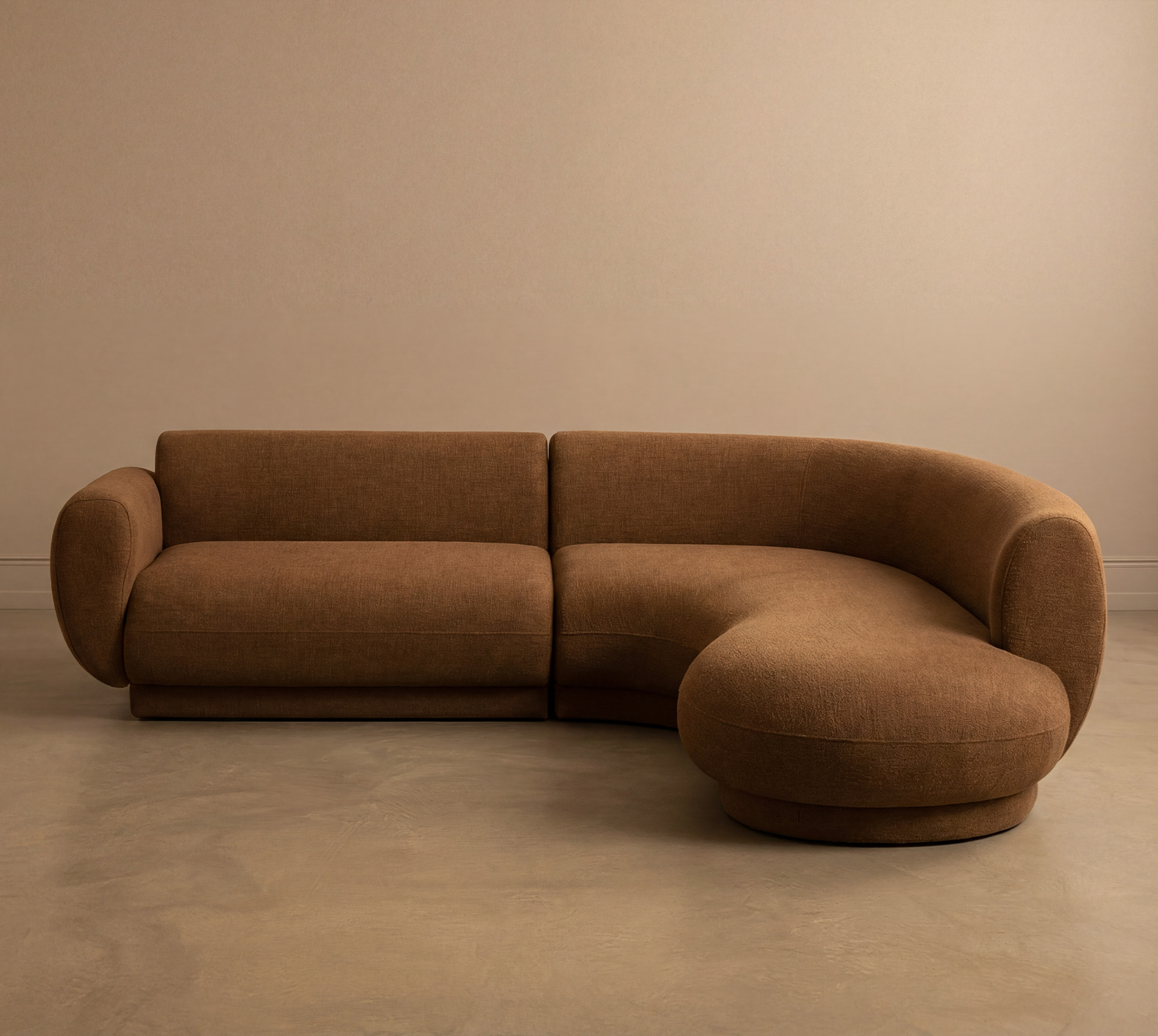
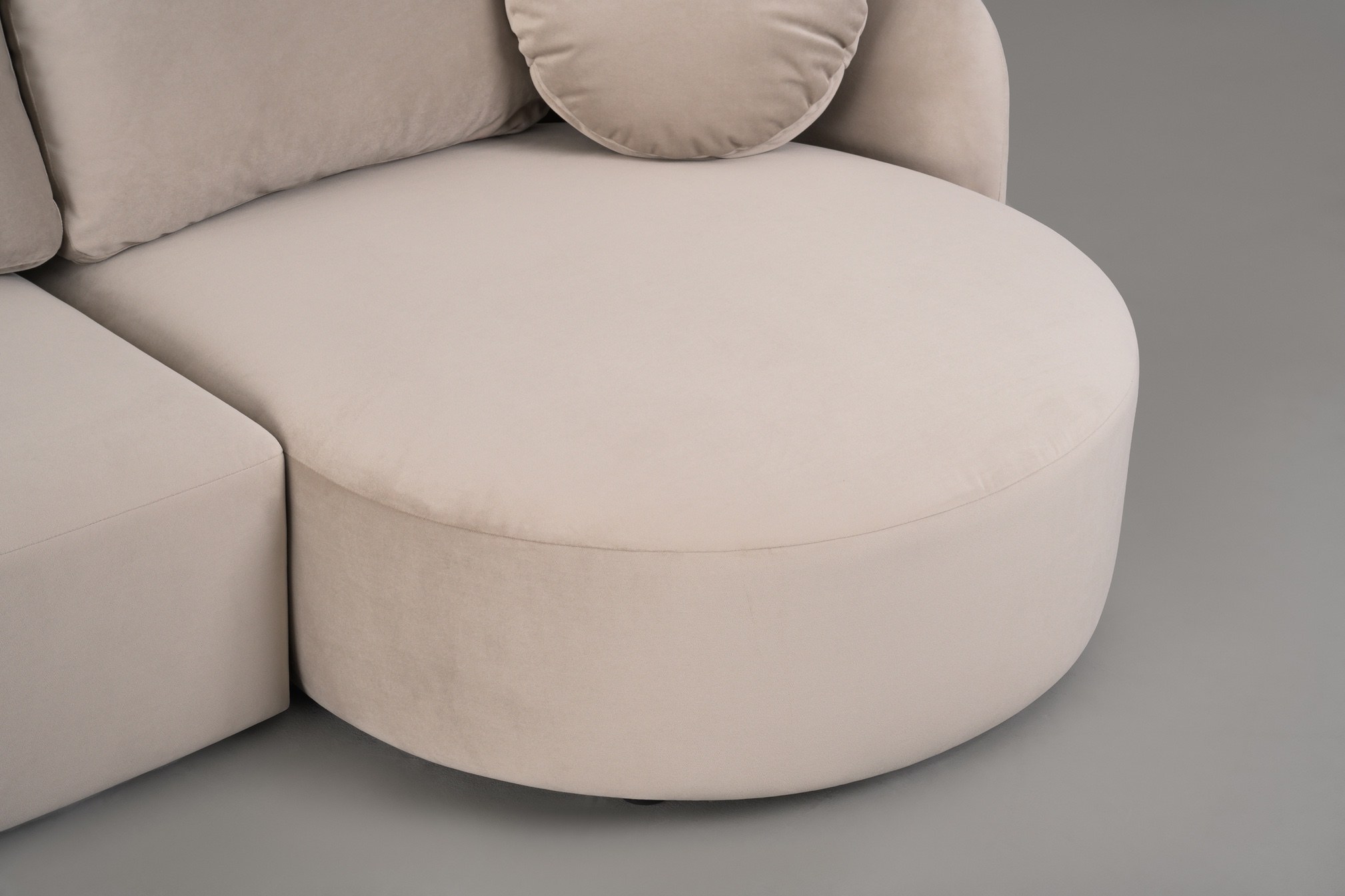
The Sonora series has been part of the range for a while: sofas in several sizes, a swivel armchair, different configurations. What this new addition brings is a new upholstery: EP1, a warm sandy fabric that reads differently from the earlier options and suits interiors where the sofa is meant to settle quietly into the room rather than stand apart from it.
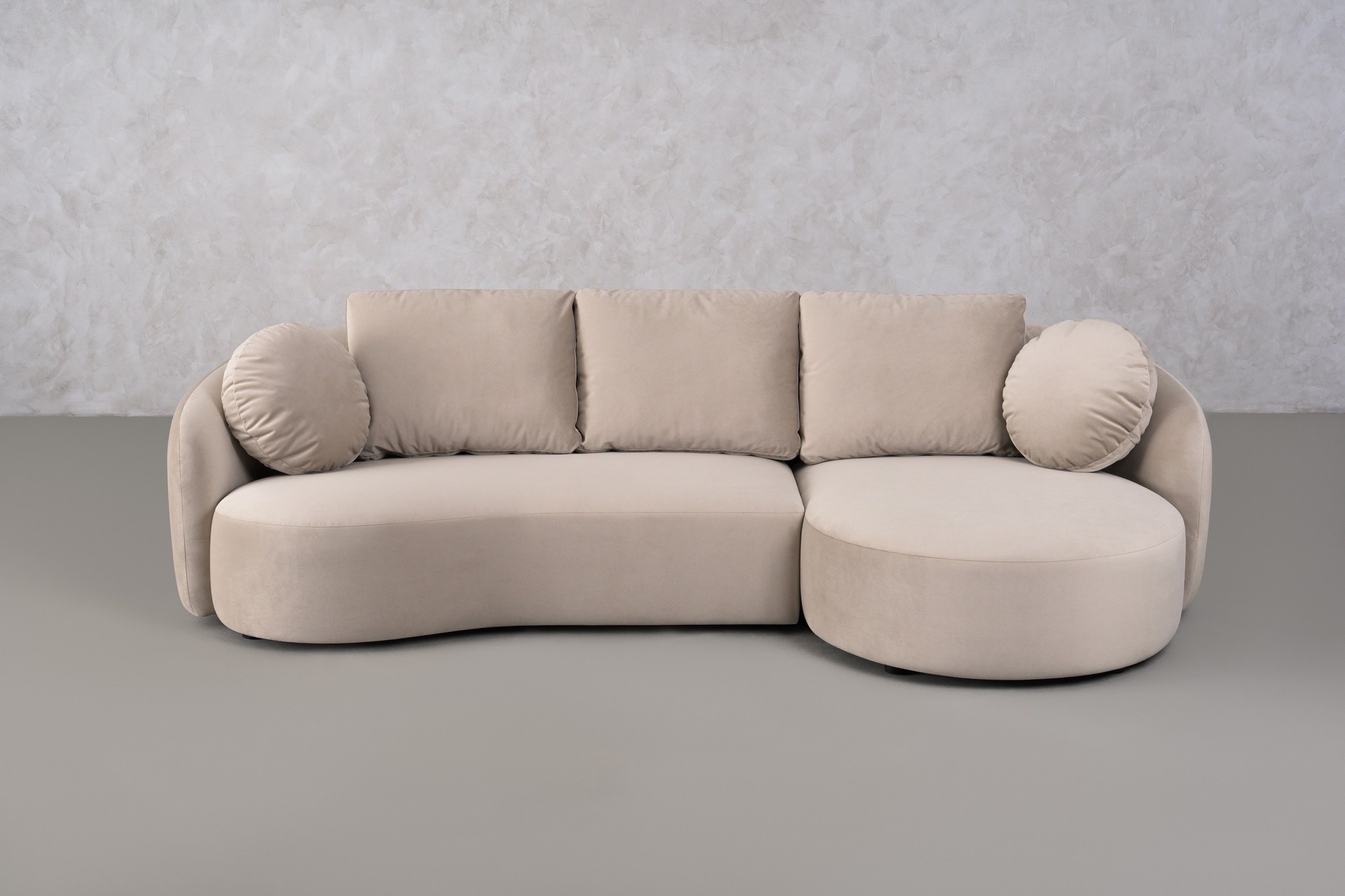
The curved silhouette that defines the series has always worked because it changes the relationship between the piece and the room. It does not press against a wall or anchor a corner: it sits in space, and the layout forms around it. The new fabric makes that quality easier to use across a wider range of interiors.
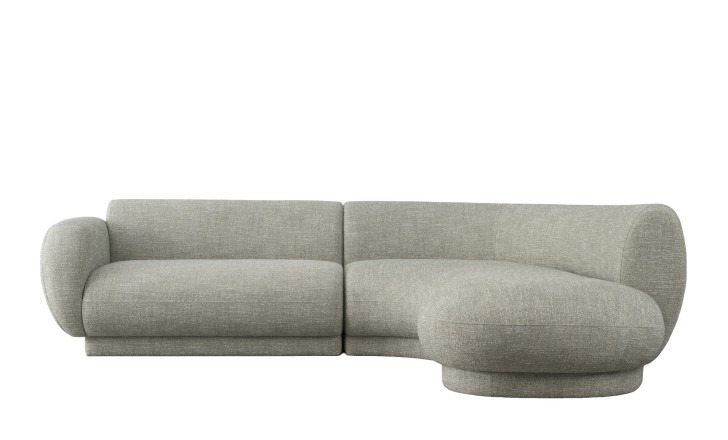
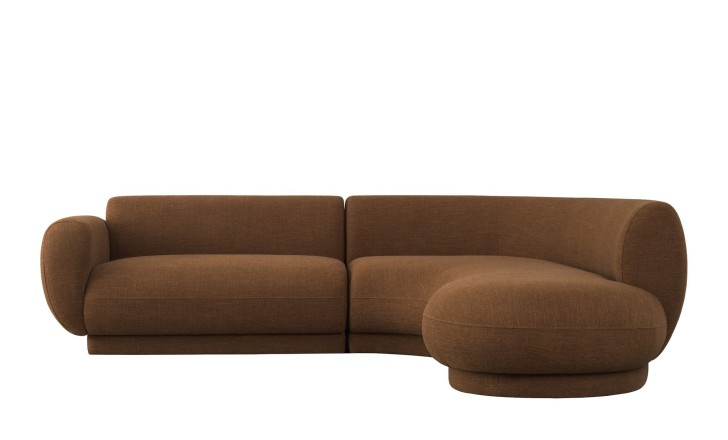
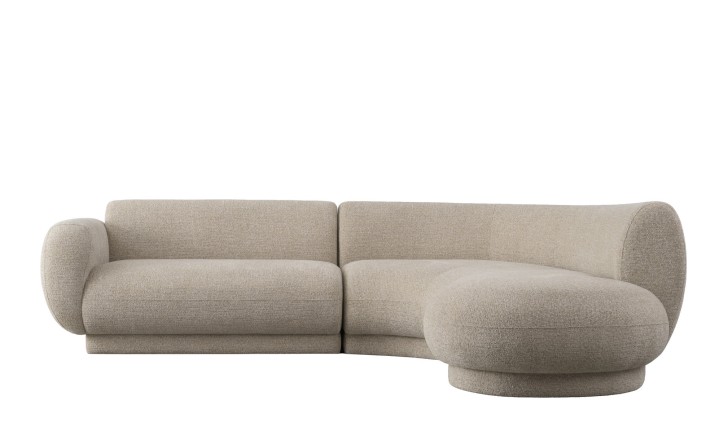
Barton
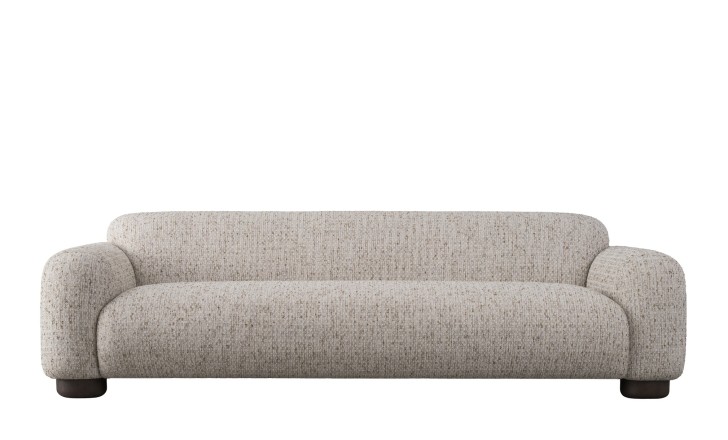
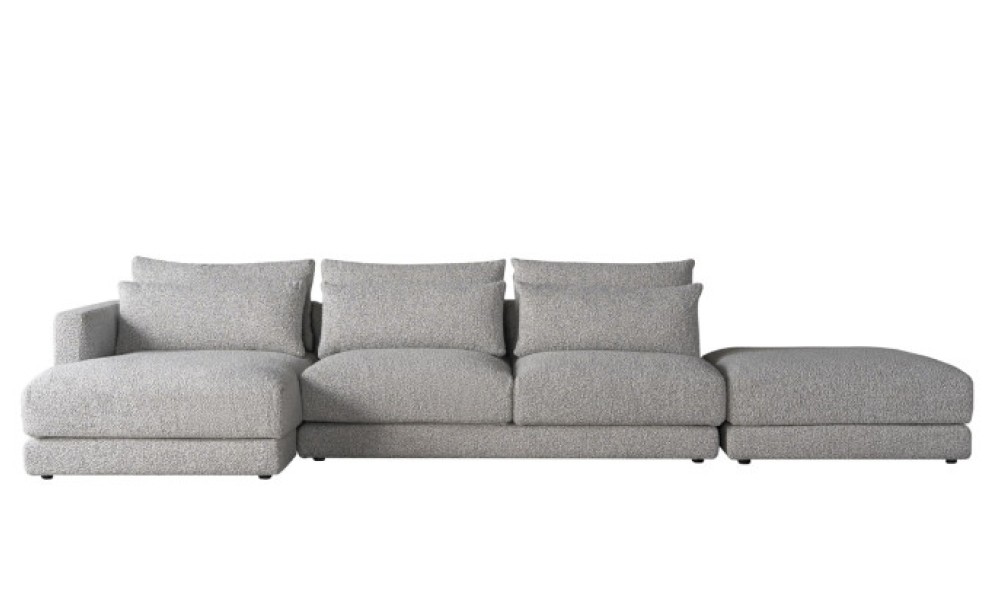
The continuity of Barton's silhouette has a practical consequence that is easy to miss. The seating feels less directional: you are not guided into one fixed position, but can shift or sit at an angle without thinking about it. Most sofas have a correct way to sit. Barton is less insistent about it.
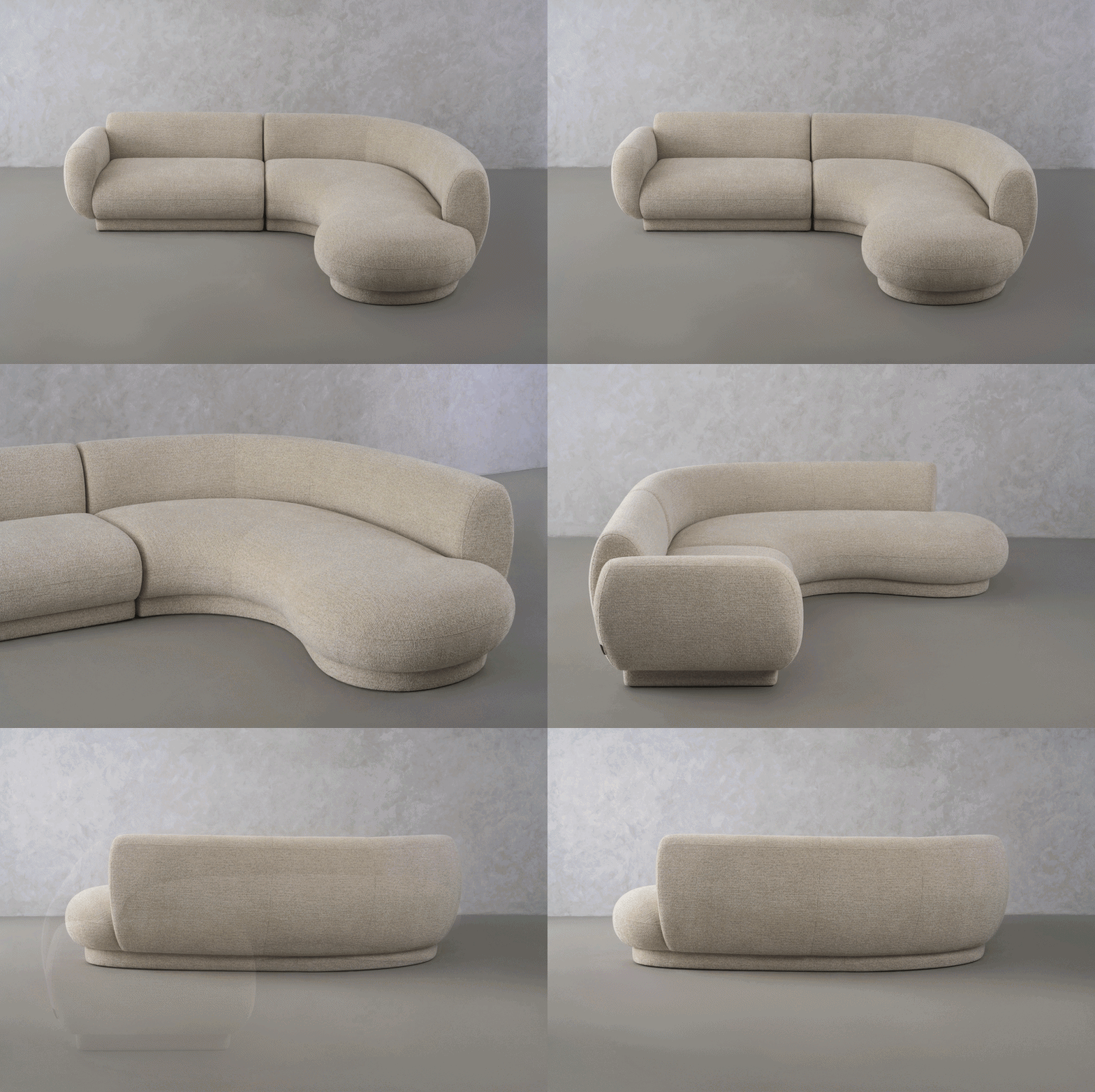
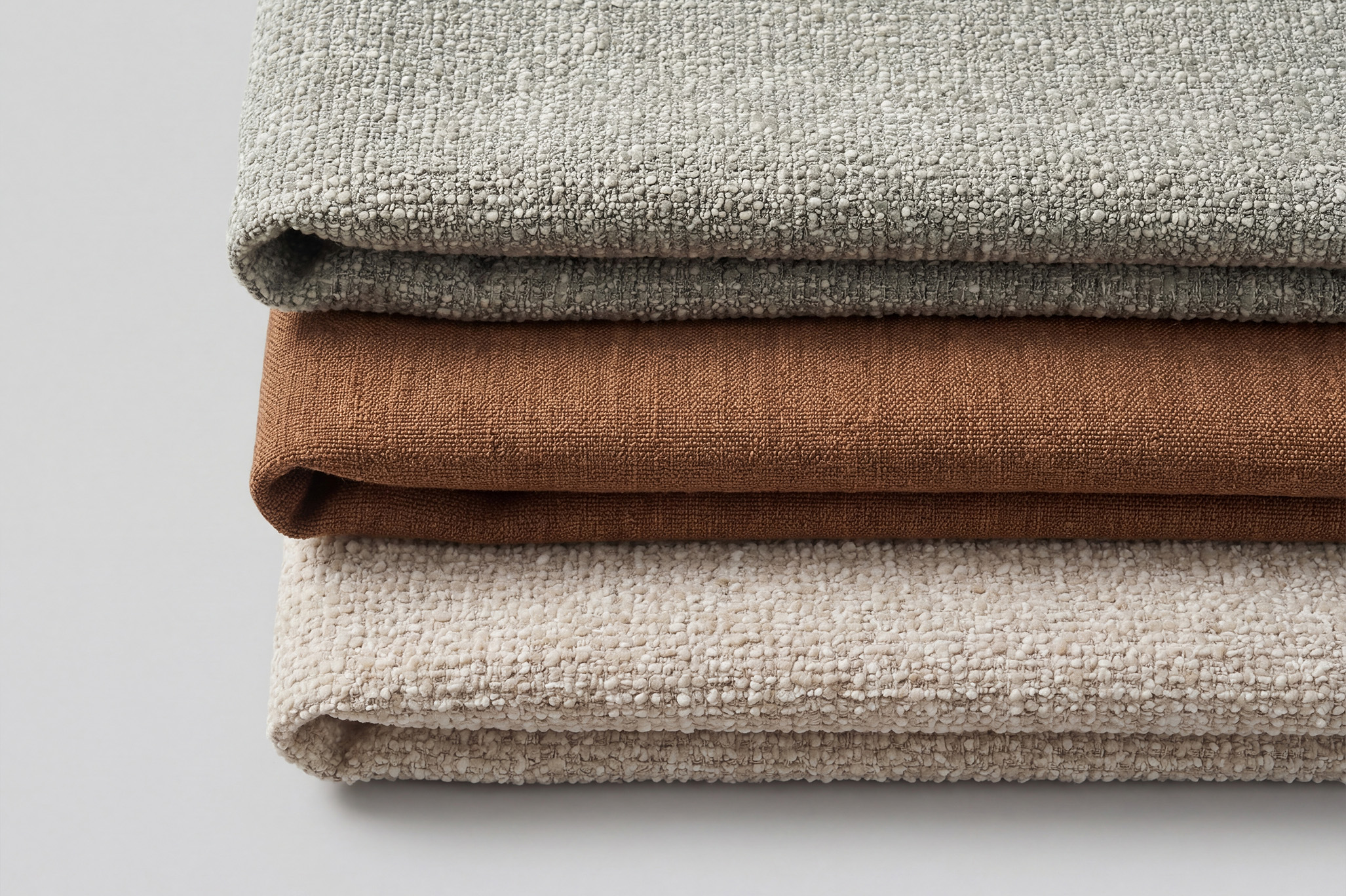
It is available in three upholsteries, and the bouclé version changes the character of the piece considerably. Bouclé absorbs light rather than reflecting it, making the sofa feel heavier and warmer. The same form reads quite differently depending on which you choose.
Murray
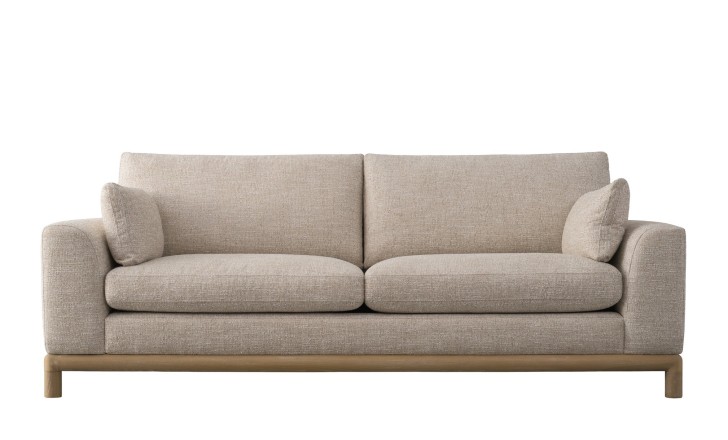
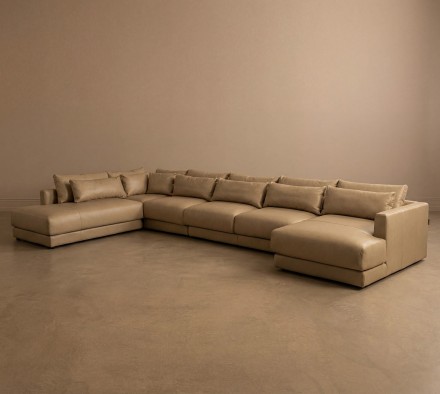
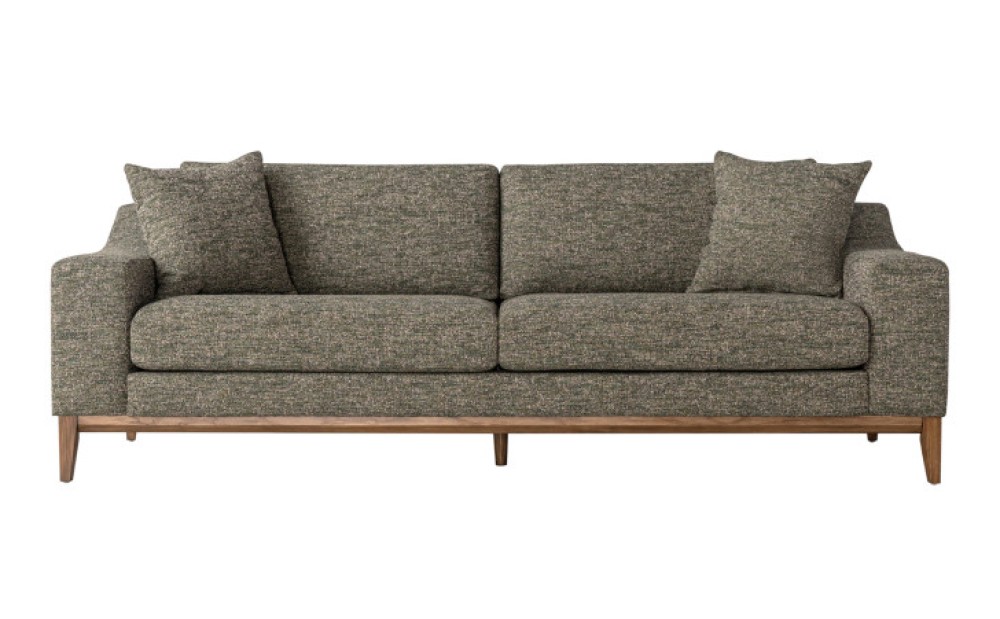
The sofa bed has long been treated as a compromise. Murray begins as a well-proportioned sofa, and only then introduces the additional function, which sounds straightforward but is rarer than it should be.
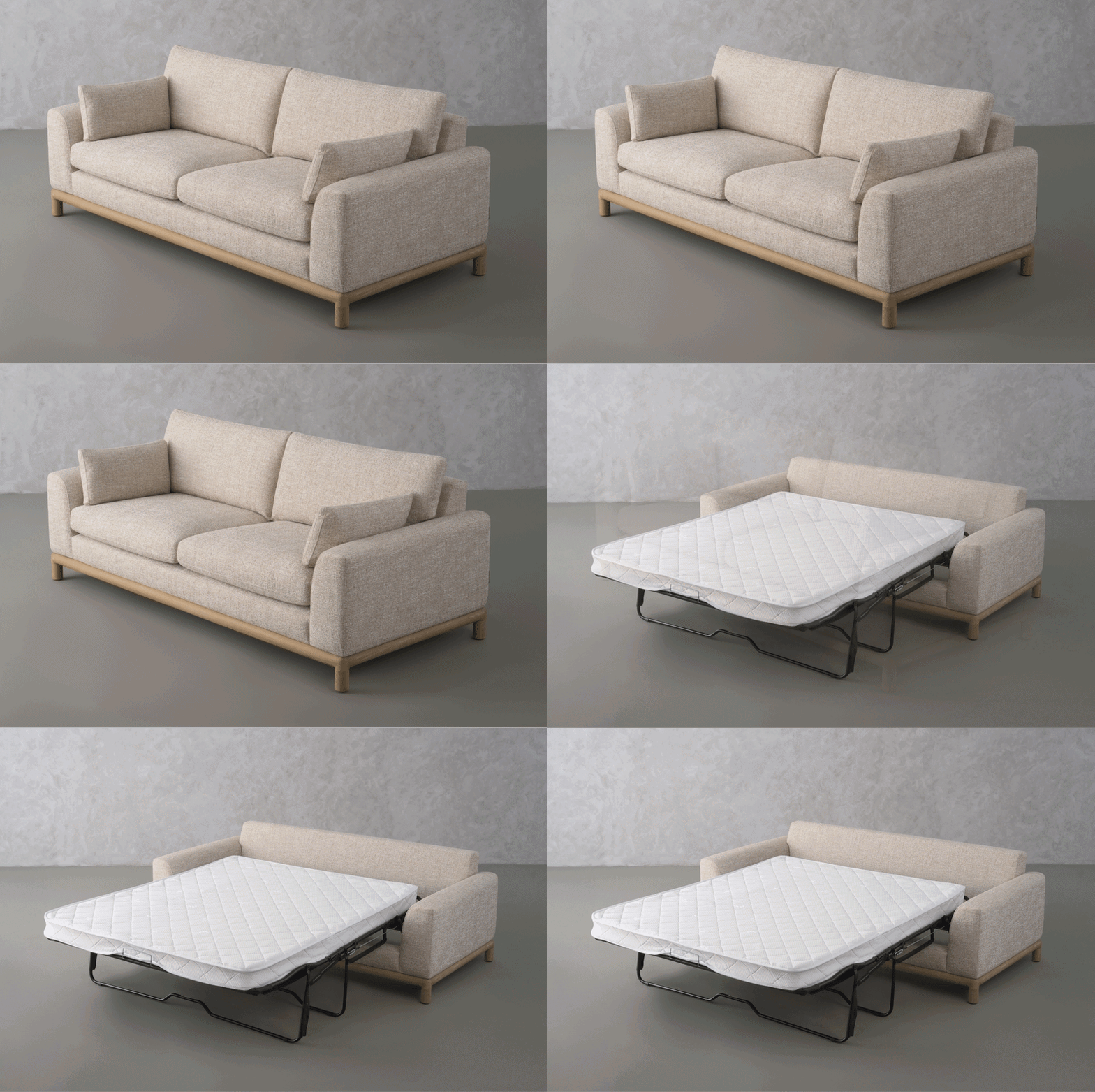
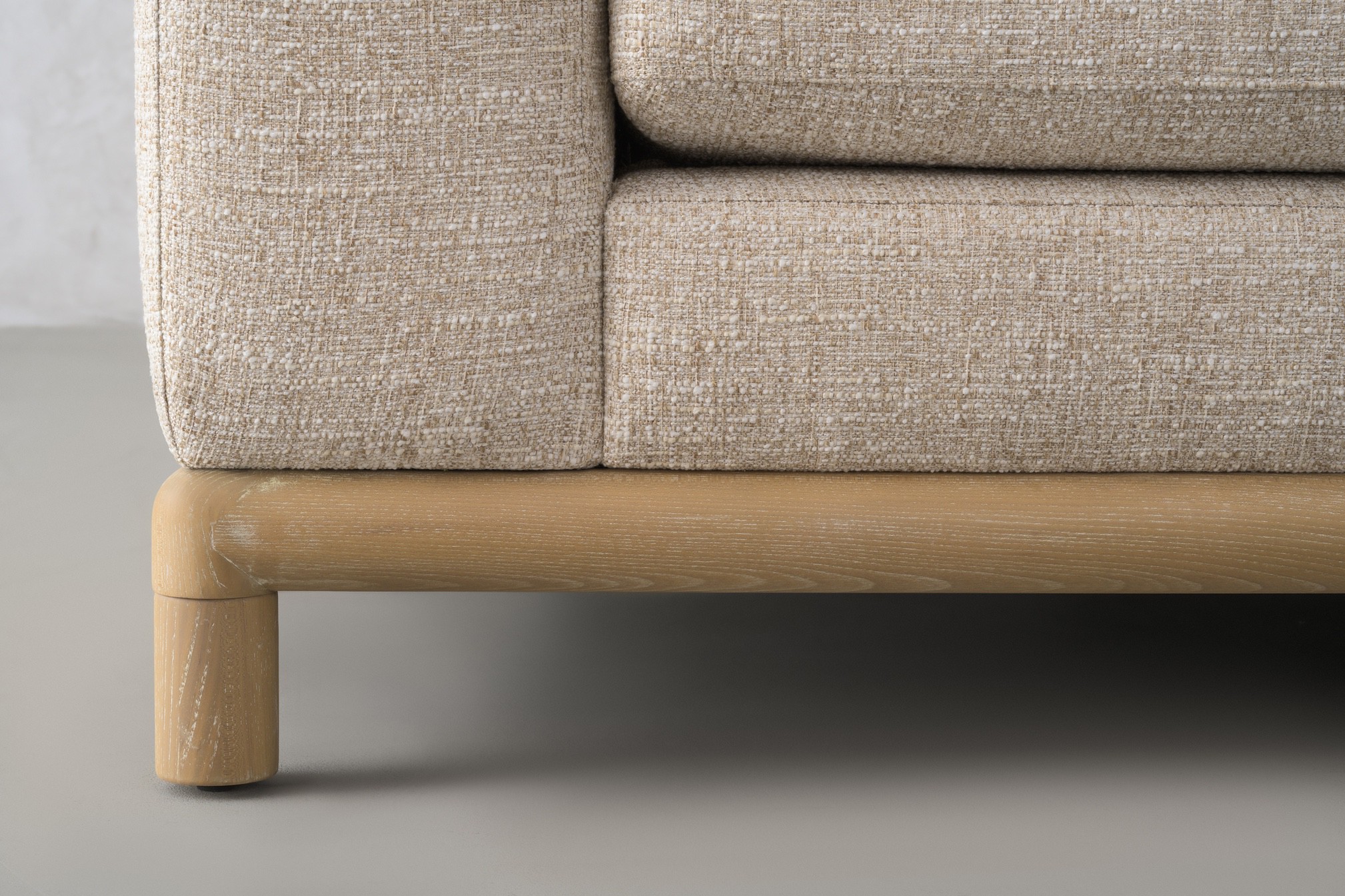
The elm wood legs are worth noting. Elm is a warm, close-grained timber with a long history in furniture making, and it reads differently from the generic rubberwood legs that typically accompany this category of sofa: the kind of detail that lifts a practical piece into something more considered.
Nicole
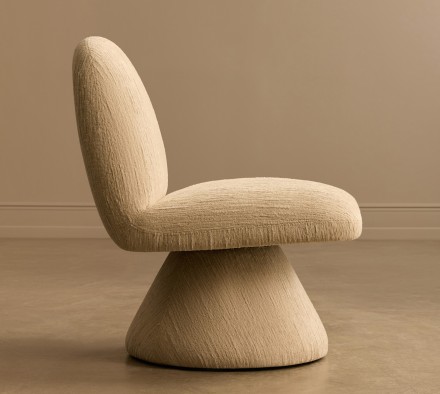
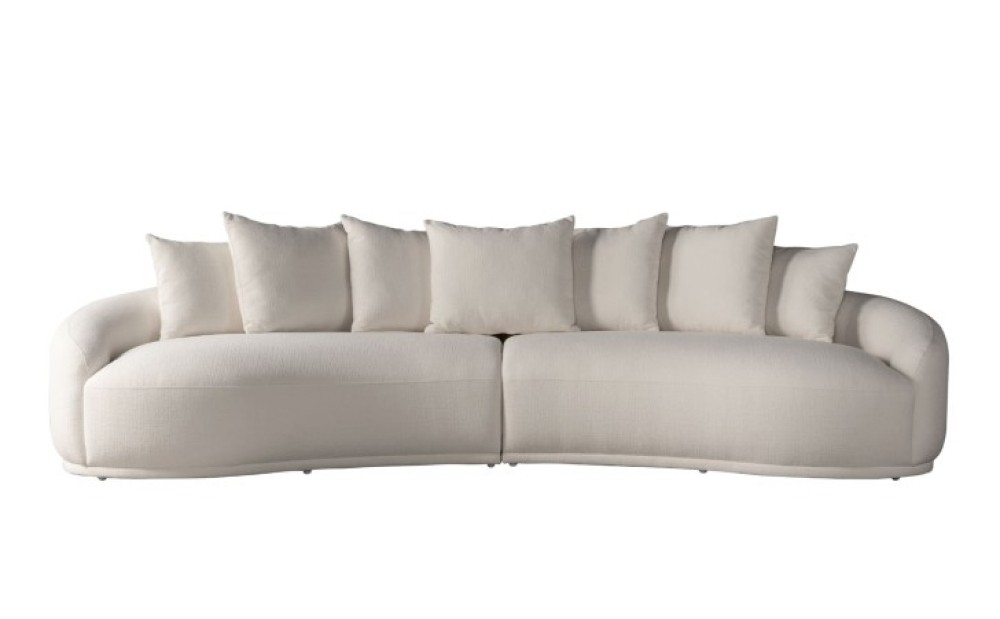
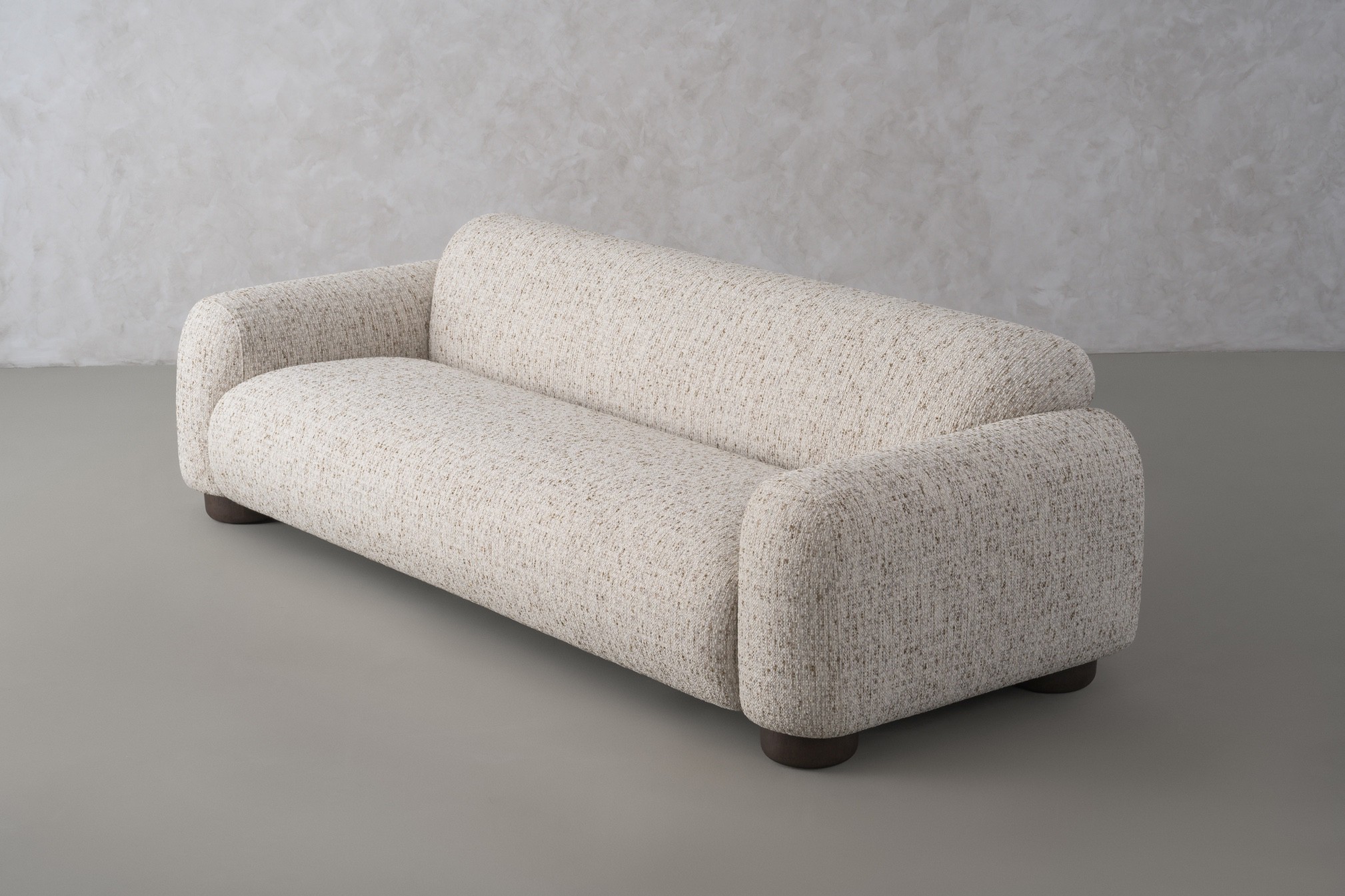
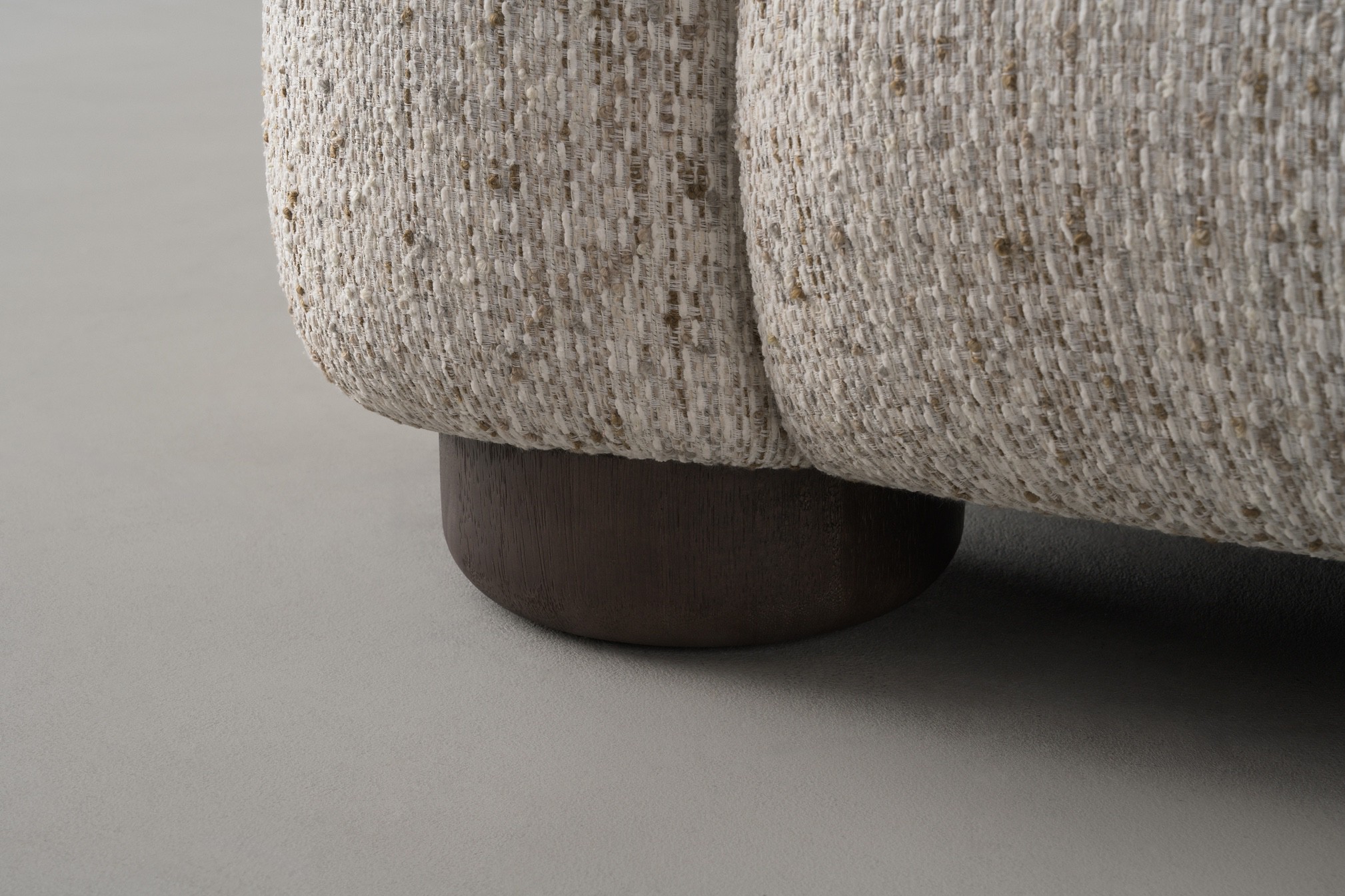
The rounded, voluminous forms that define Nicole are sometimes called the "puffy" aesthetic in contemporary furniture: a return to tactile, body-friendly shapes following years of sharp-edged minimalism. It works because it communicates comfort before you have even sat down, setting the tone of a room rather than simply filling it. It is a sofa for spaces where ease is expressed visually as much as physically.
Odrie
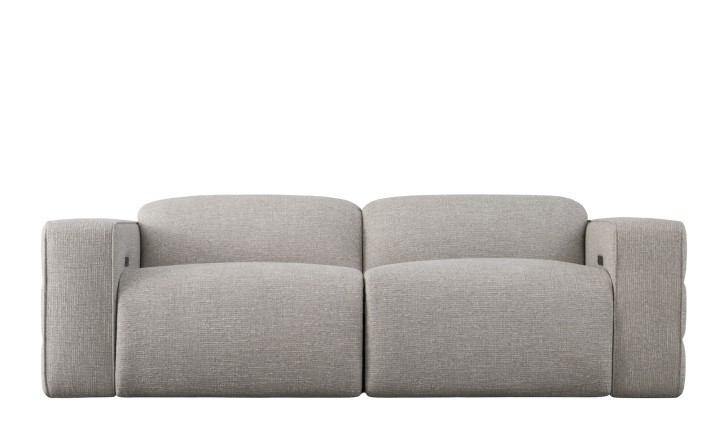
The recliner has a complicated reputation. For most of its history it has been an unapologetically functional object: useful and somewhat graceless, the piece that designers quietly remove from a room before a photograph is taken.
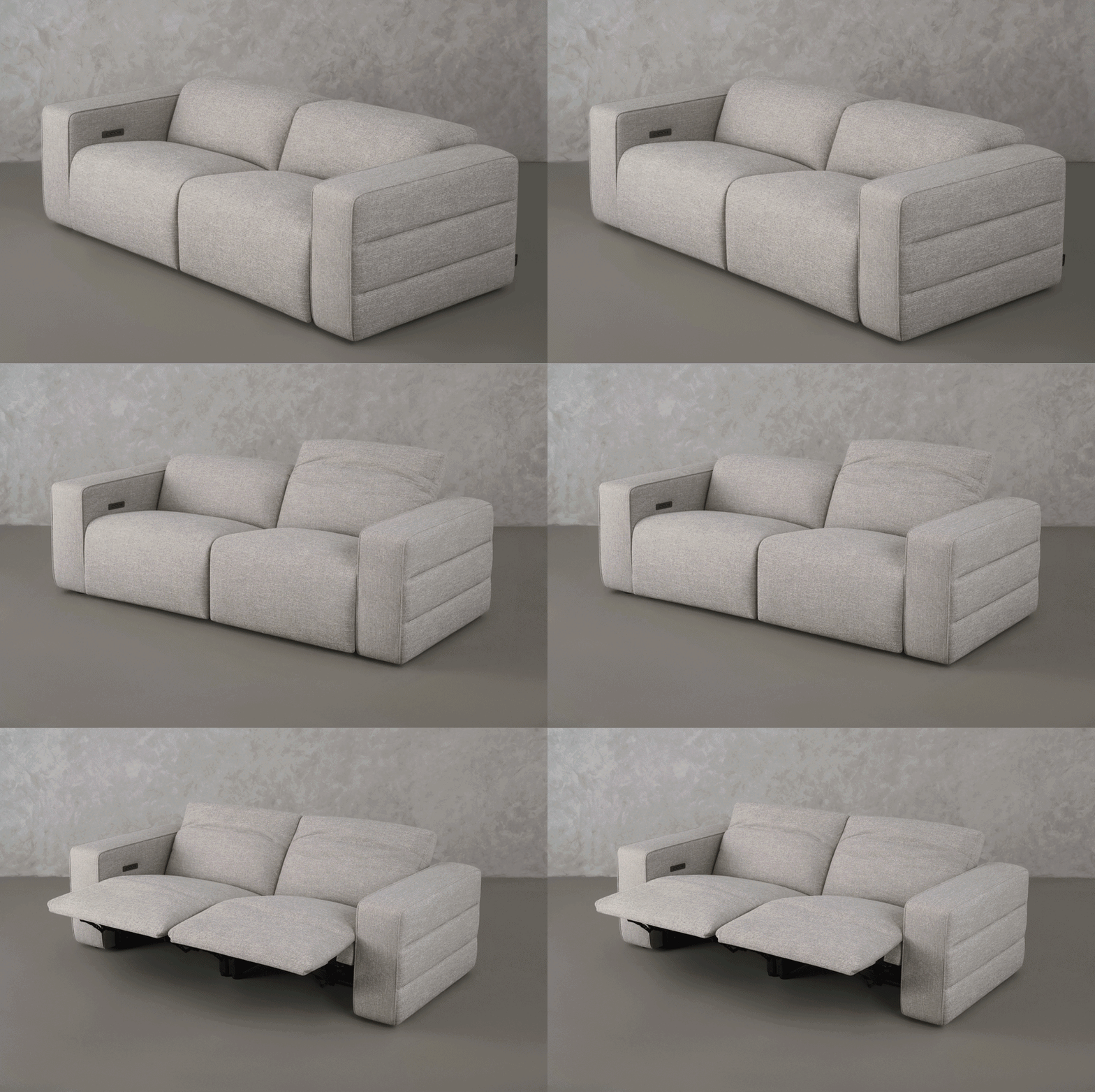
Odrie's reclining mechanism is entirely concealed, and the visual integrity of the piece remains intact whether the seats are upright or fully extended. That is a harder problem to solve than it looks, and most furniture in this category does not bother trying.
All five sofas are available at the Dantone Home showrooms, and the differences between them are best understood in use, not just by eye
Items
All products