

Sonora: Blush Tones by the Fire
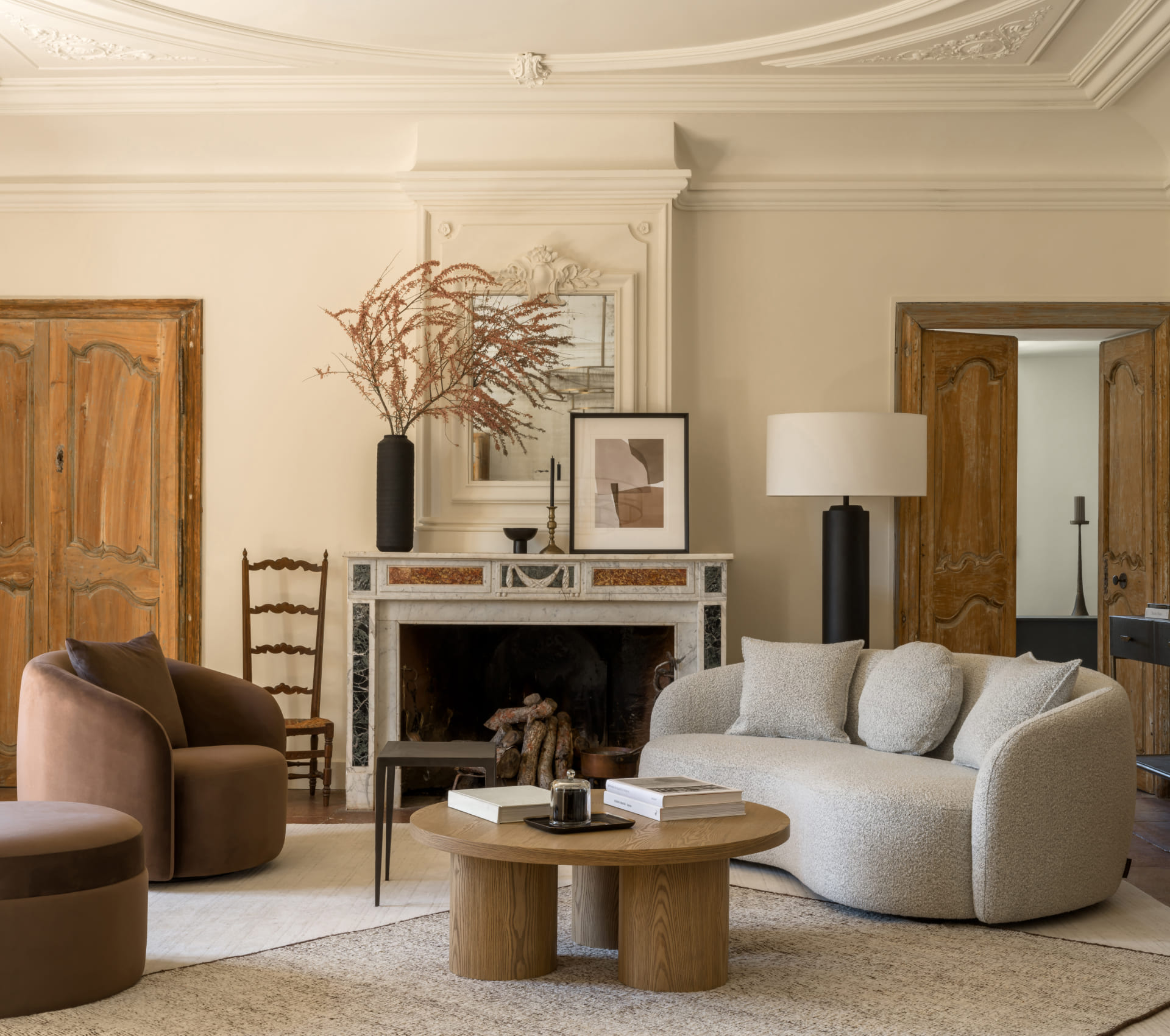
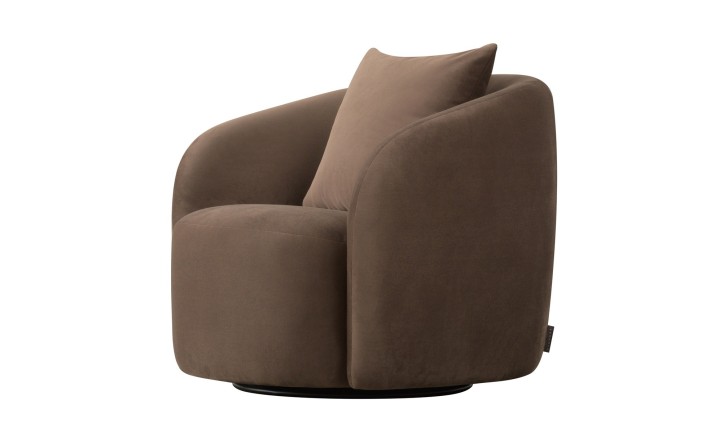
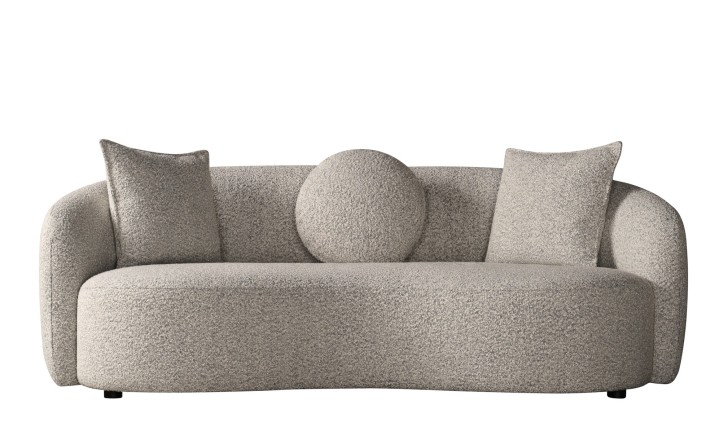
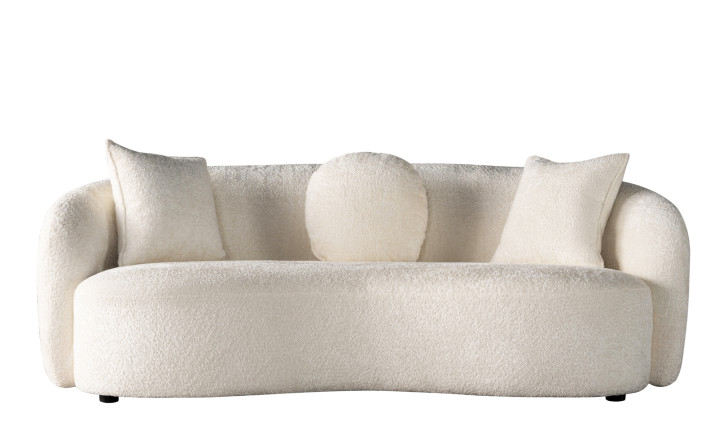
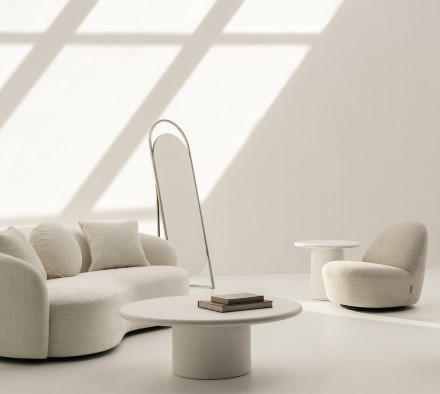
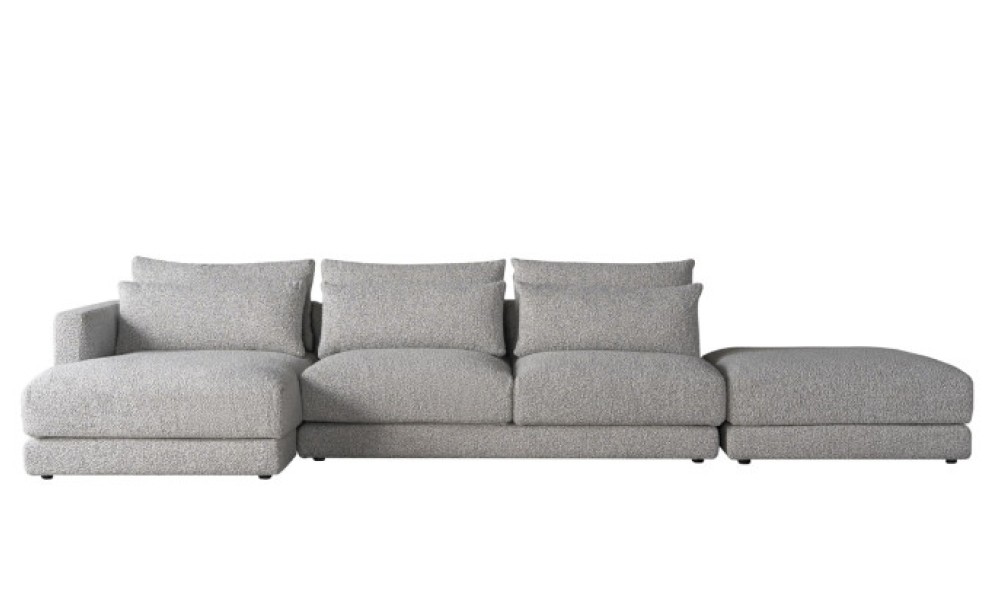
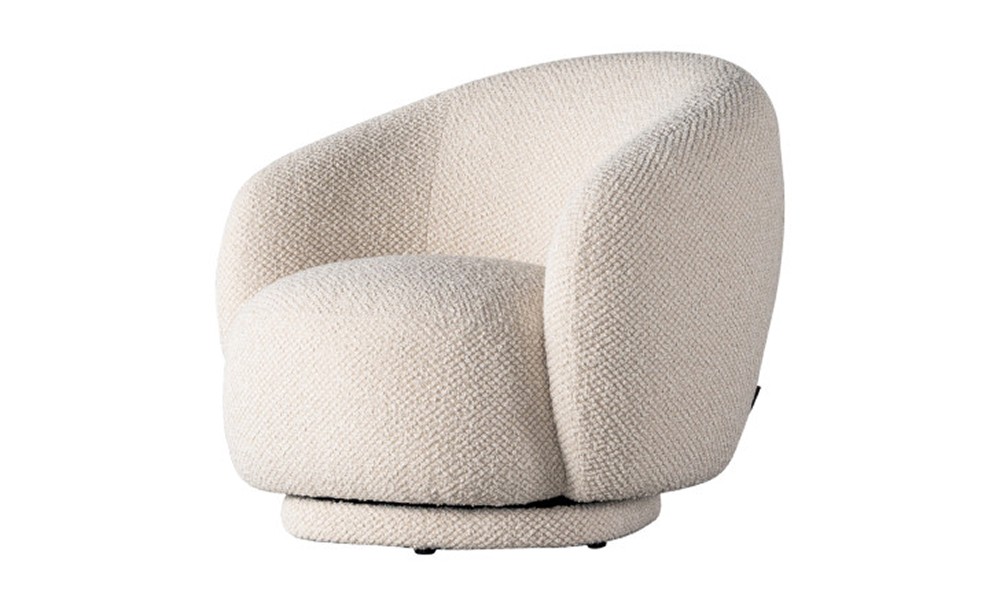
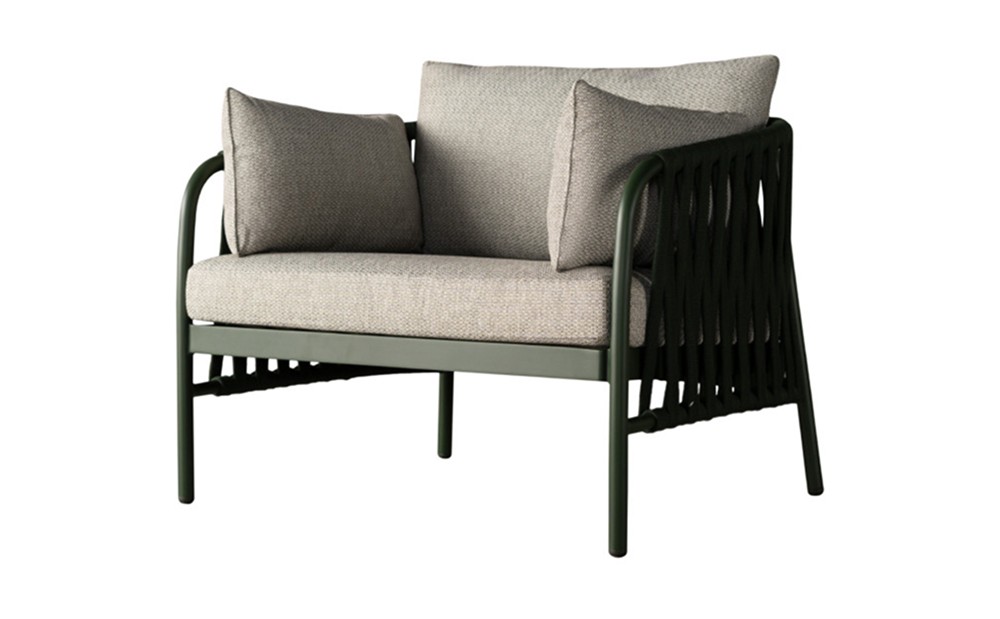
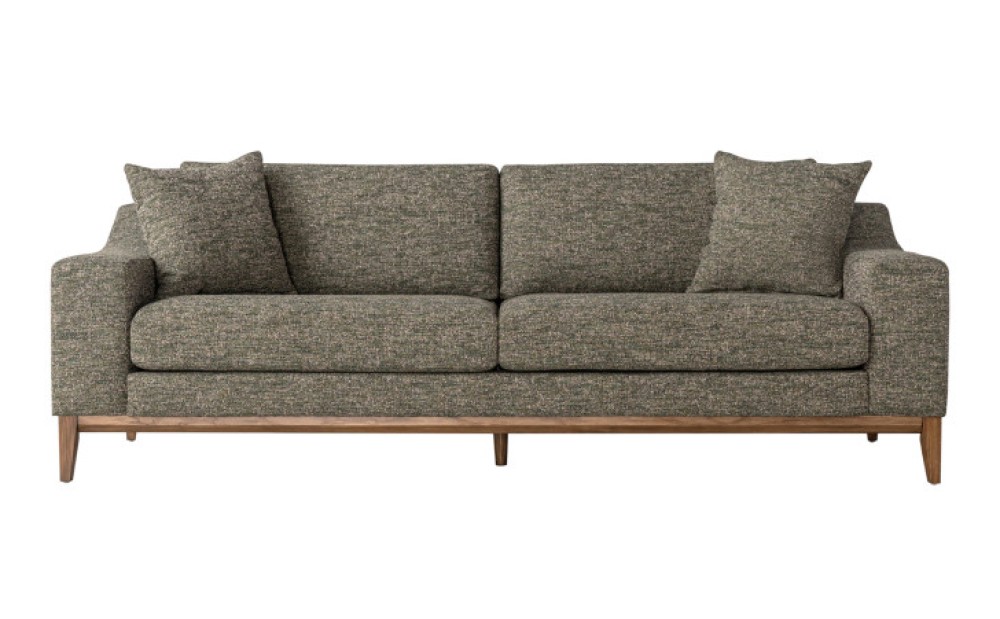
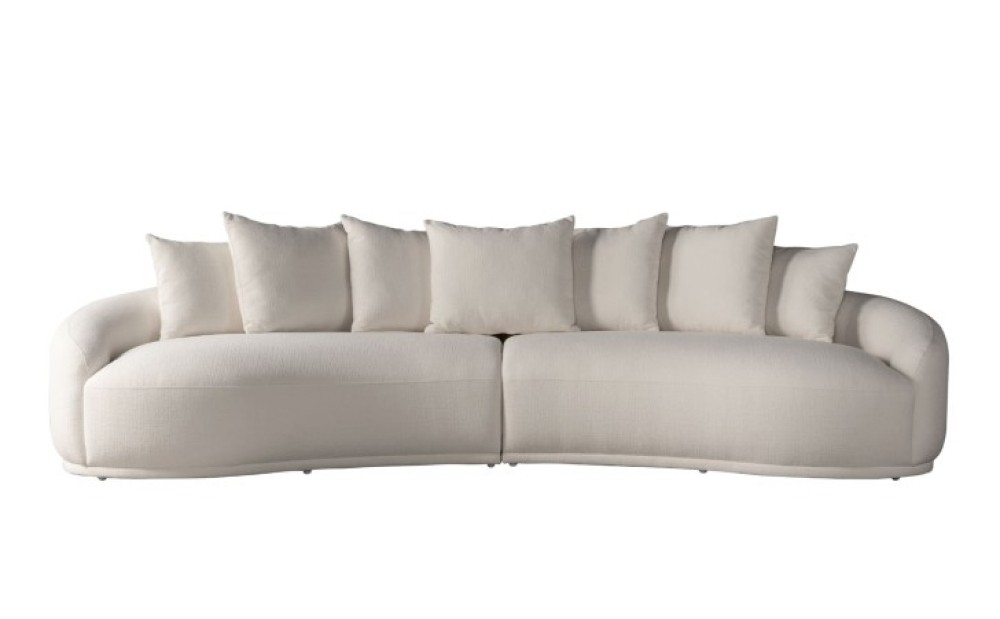
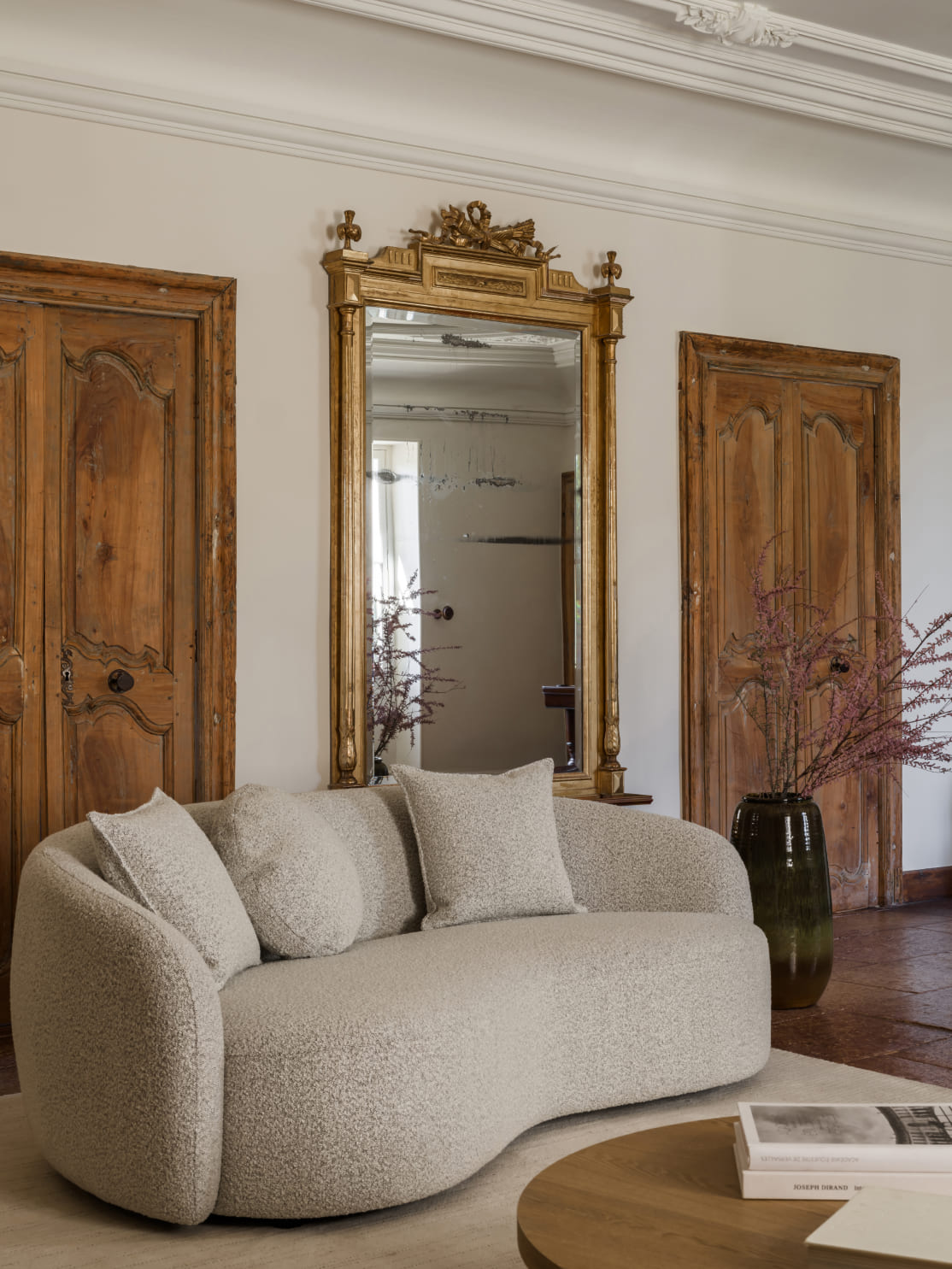
The salon at Château de la Tour sits at the formal heart of the house. Twin doors, sandblasted back to bare wood and returned to their positions, open on either side of the fireplace, framing the room around it. The whole room rests on a contrast: the strict geometry of the chimneypiece against the soft, gathering curves of the Sonora sofa and armchair, both in blush.
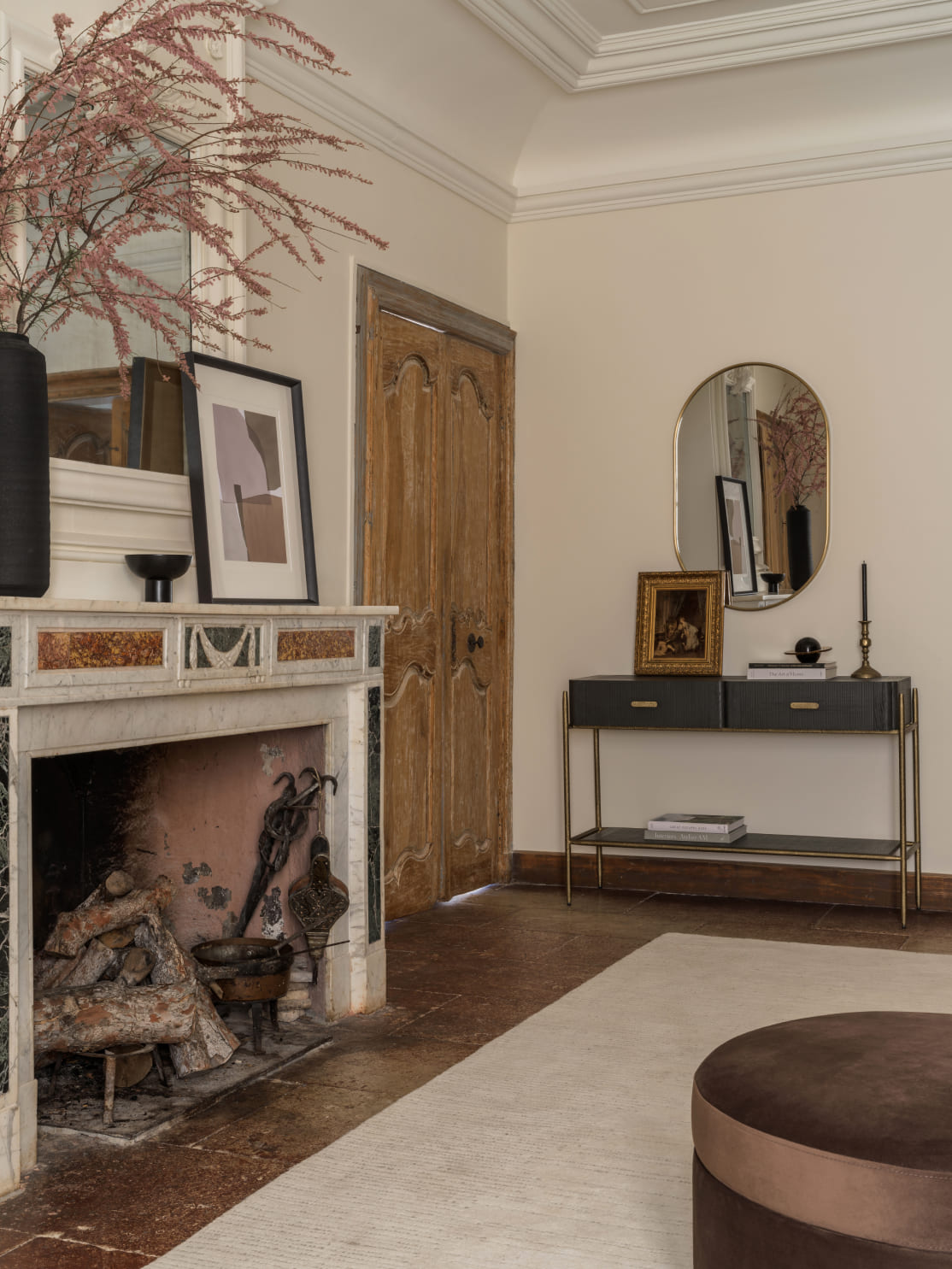
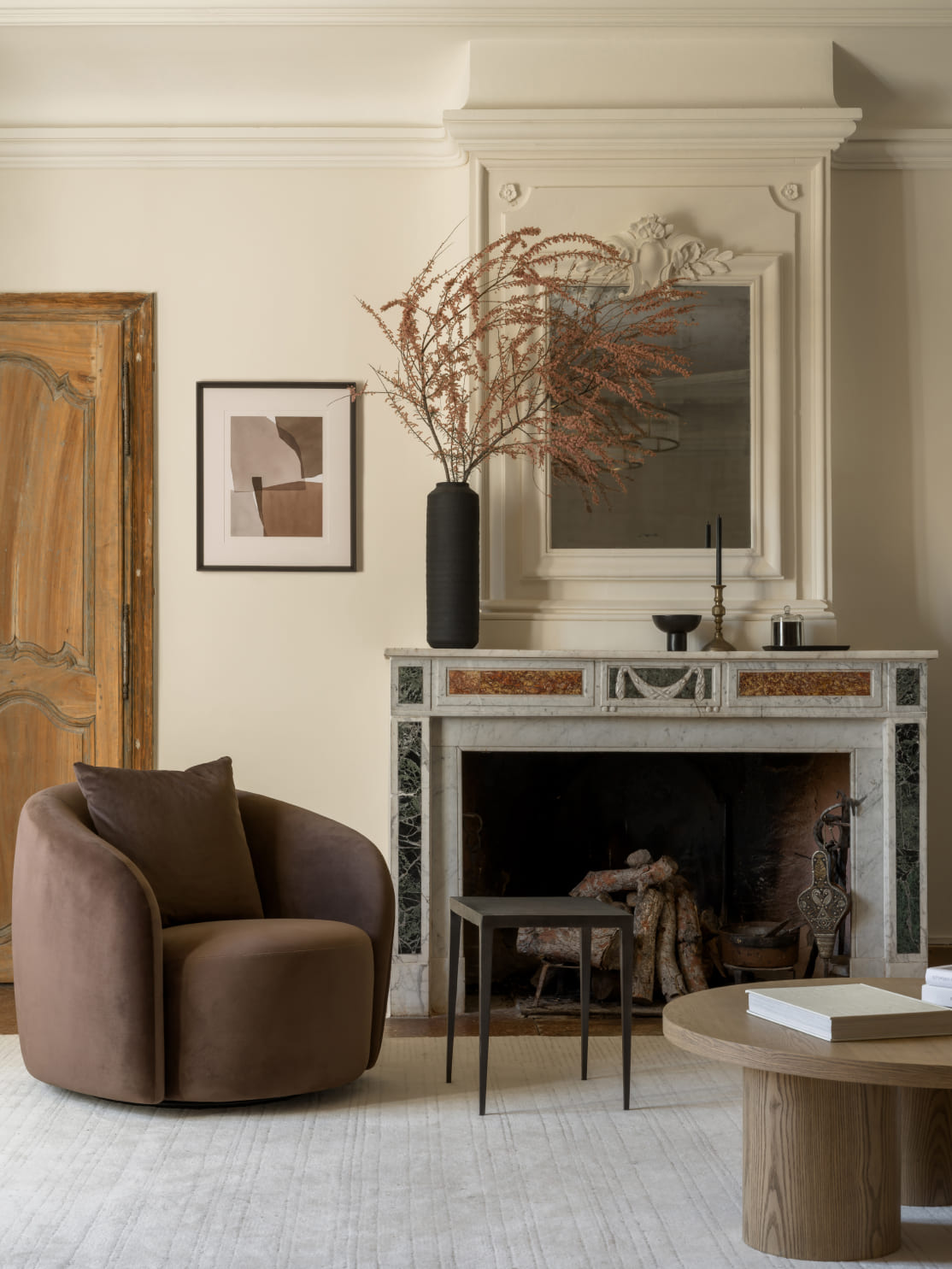
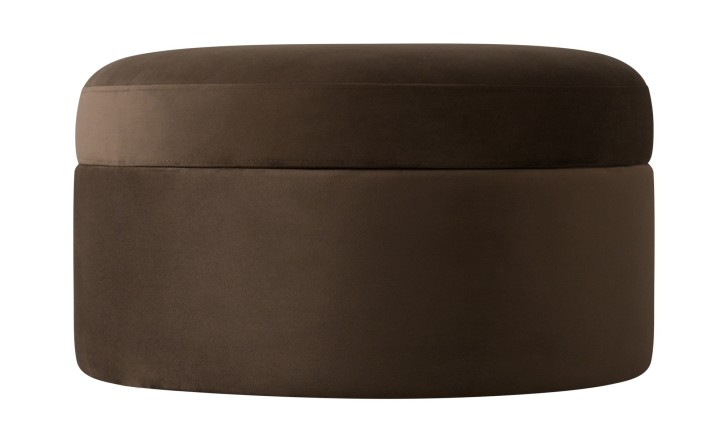
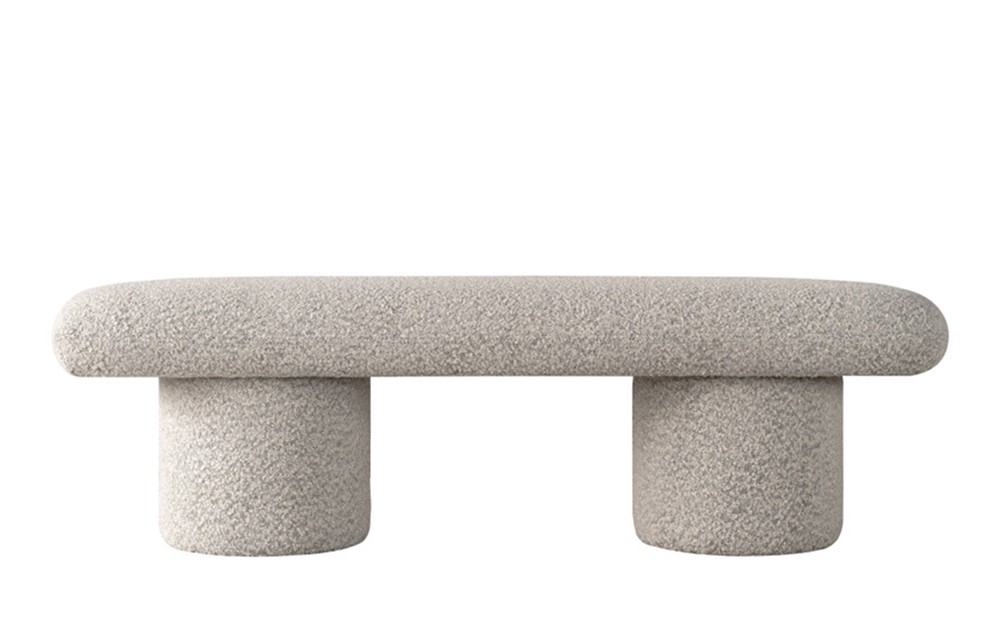
Texture is layered in carefully. The sofa is matched to the rug's brown undertone, while the armchair sits in velvet: a fabric finding its way back into rooms after years of absence. Where a second armchair might have gone, the Salta pouf takes its place, keeping the room from crowding. The room is not large, and the restraint shows.
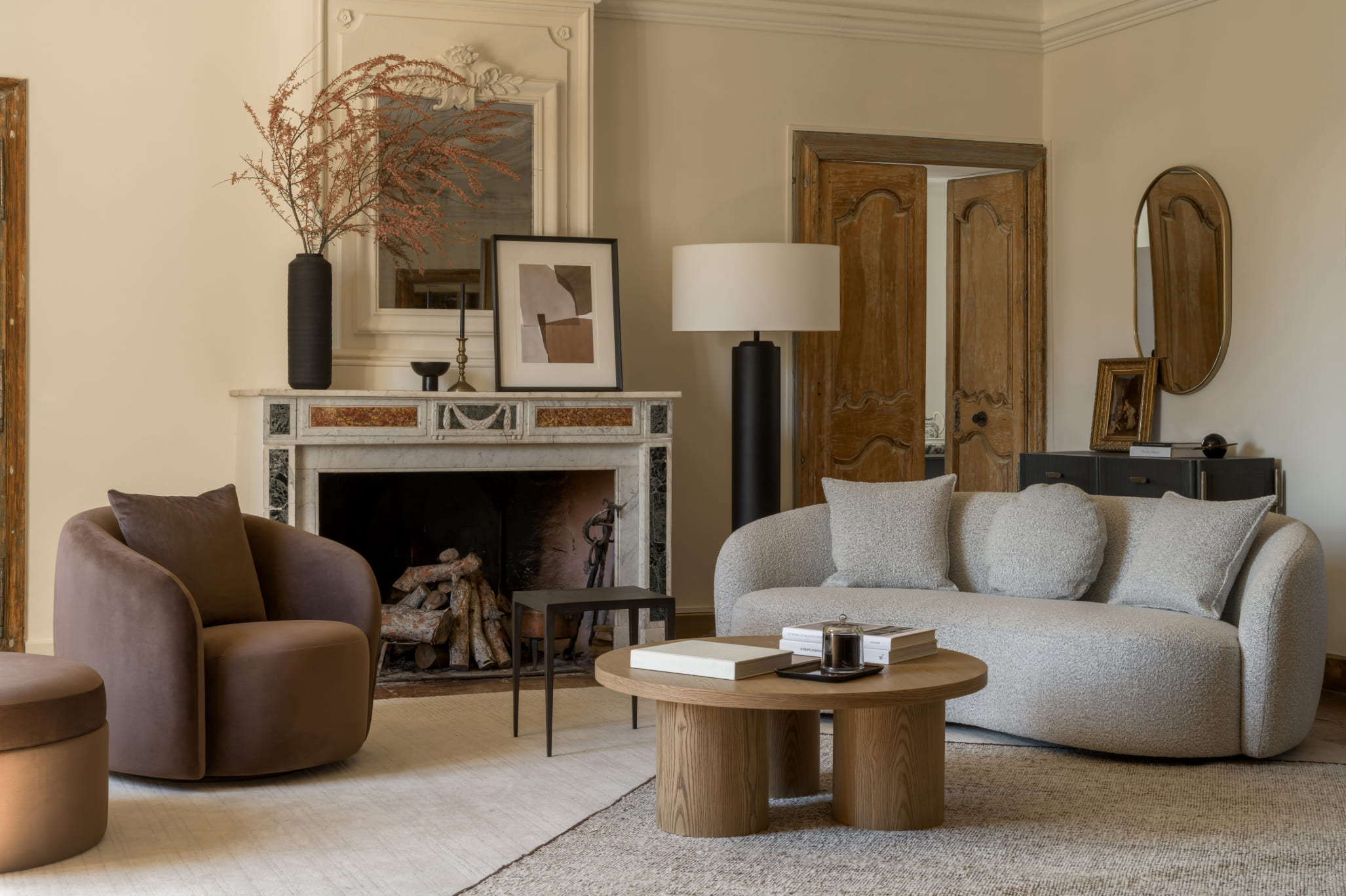
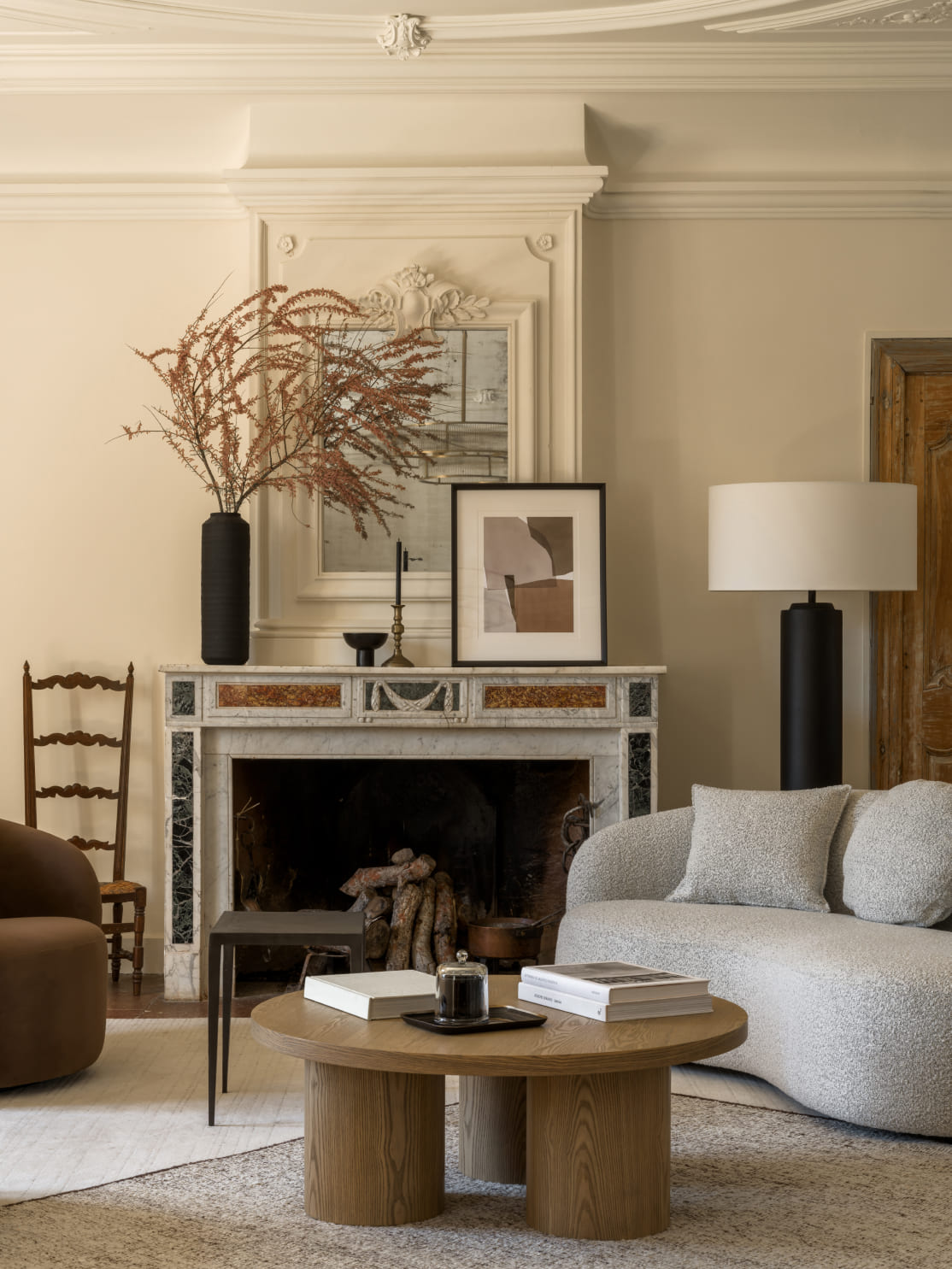
The blush note is picked up twice: once in a sprig of flowering tamarisk laid across the fireplace surround, again in a graphic poster framed in slim wood. Neither feels like decoration; both feel like someone arranging the room rather than dressing it.
Layers of Time
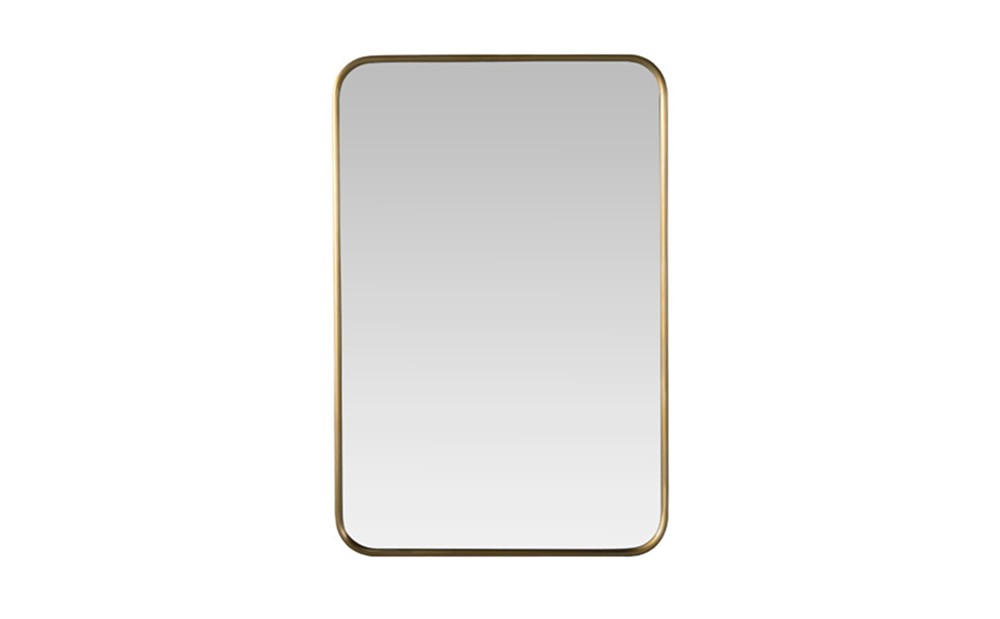
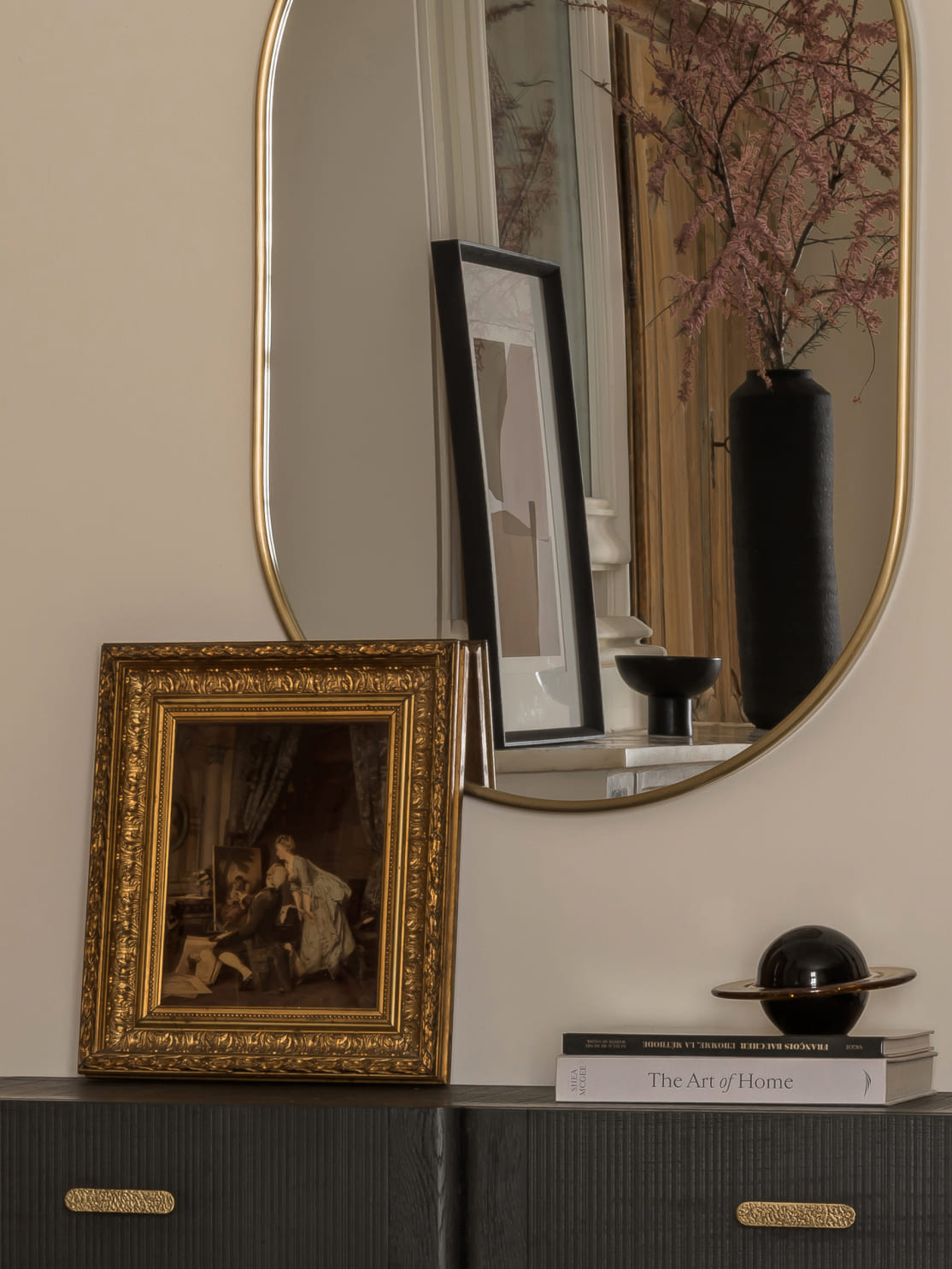
The room is composed of pieces from several centuries, kept in deliberate conversation. The mirror over the fireplace is old; its silvering has lost reflectivity in patches and gained a patina nothing modern could imitate. Across the room a newer oval mirror answers it – a contemporary piece, doing the same job in the same language.
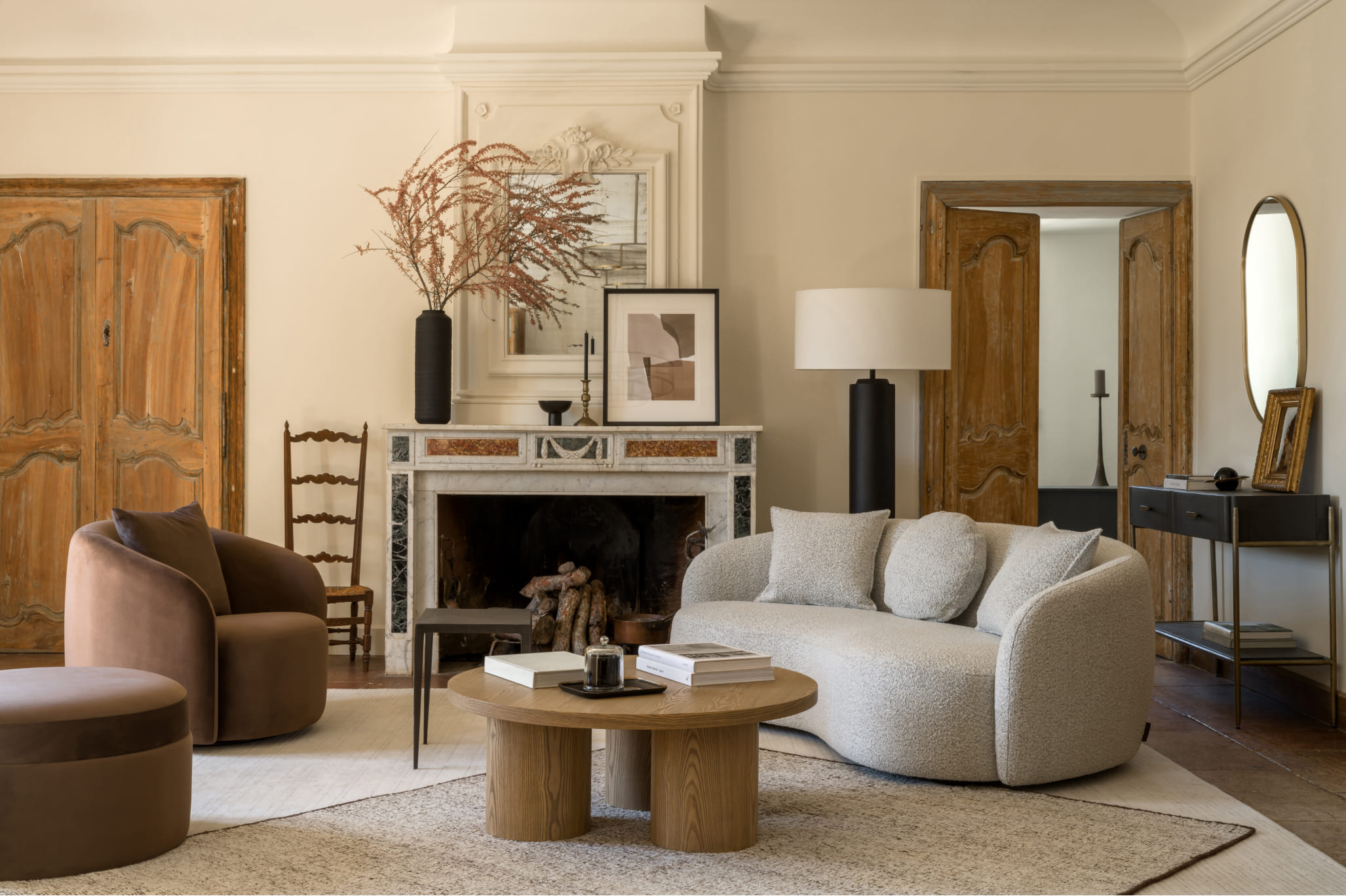
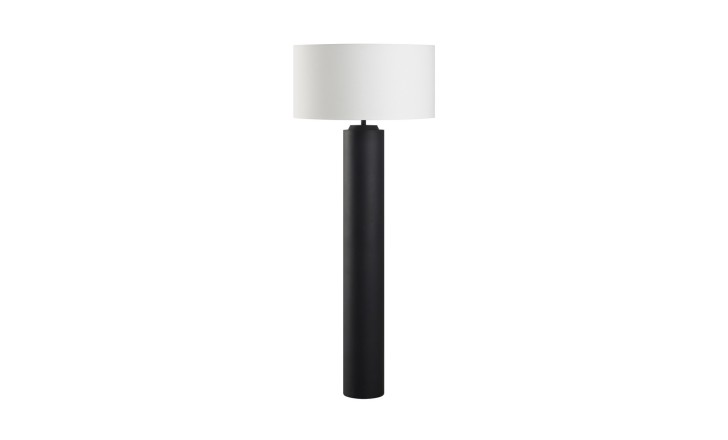
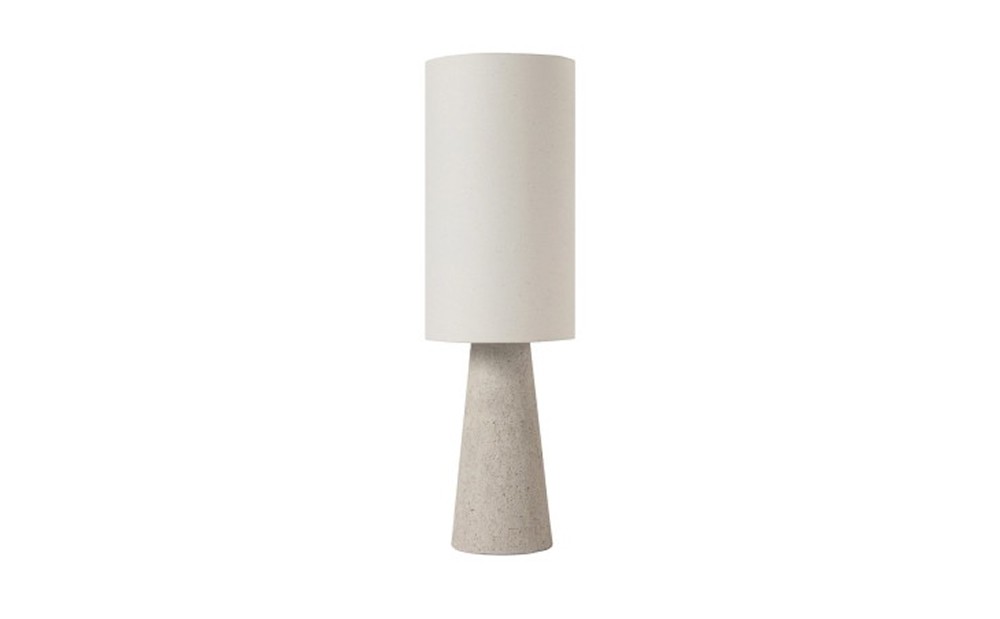
The same logic governs the two pieces that flank the fireplace. On one side, the Ganges floor lamp – contemporary, minimal in its line. On the other, a slender chair from the eighteenth century, the kind once found in French and Belgian country houses. Everything about it was once practical: the tall back kept the shoulders out of the draughts coming through the stone walls; the rush seat made the construction light enough to carry between rooms; the turned rungs set up a rhythm because the joiner had time to do it that way. Over generations, chairs of this kind stopped being mere furniture and became the atmospheric anchor of a house. Here, set beside the floor lamp in the reading corner, it does the same job again.
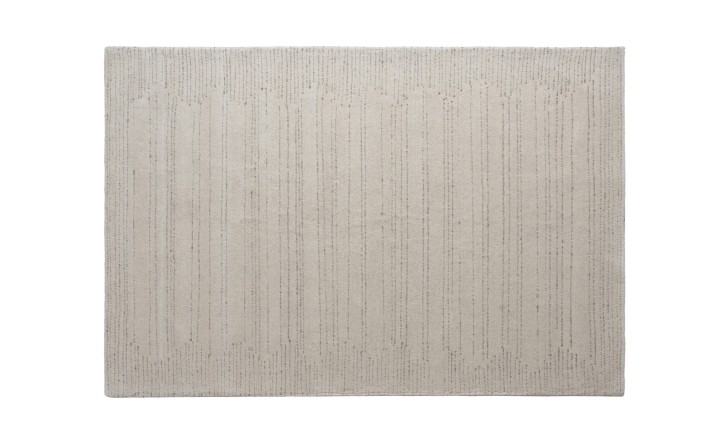
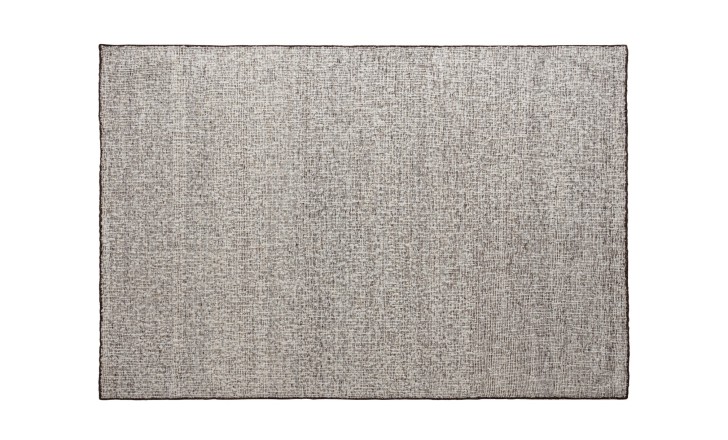
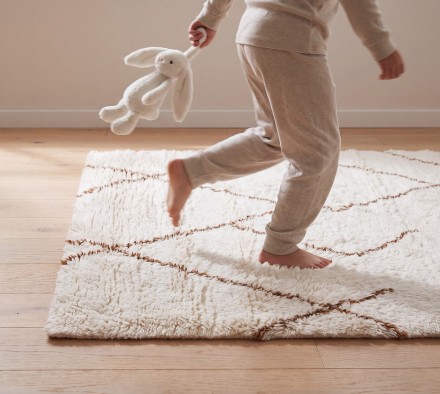
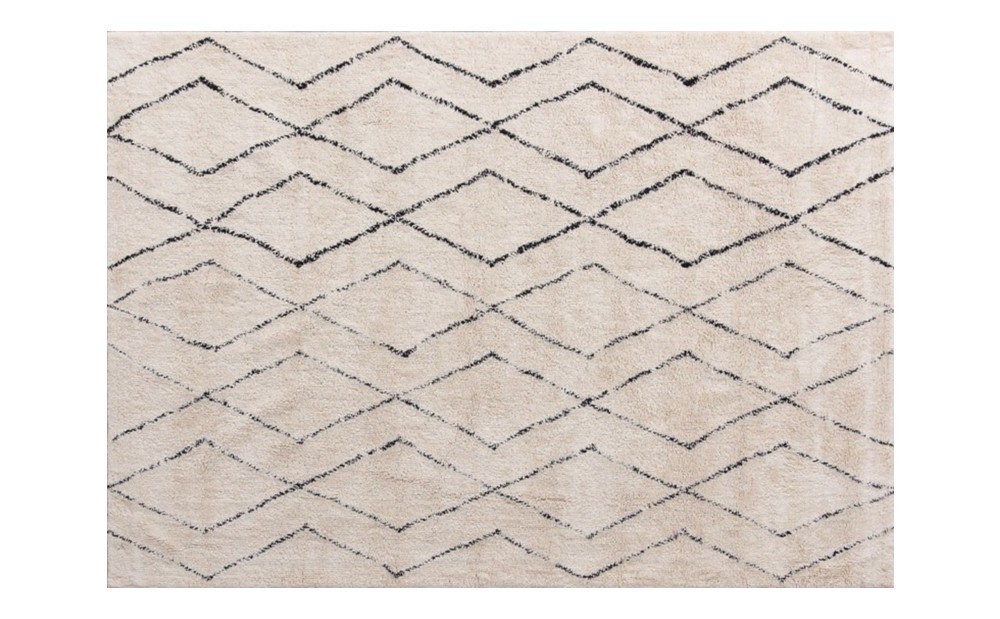
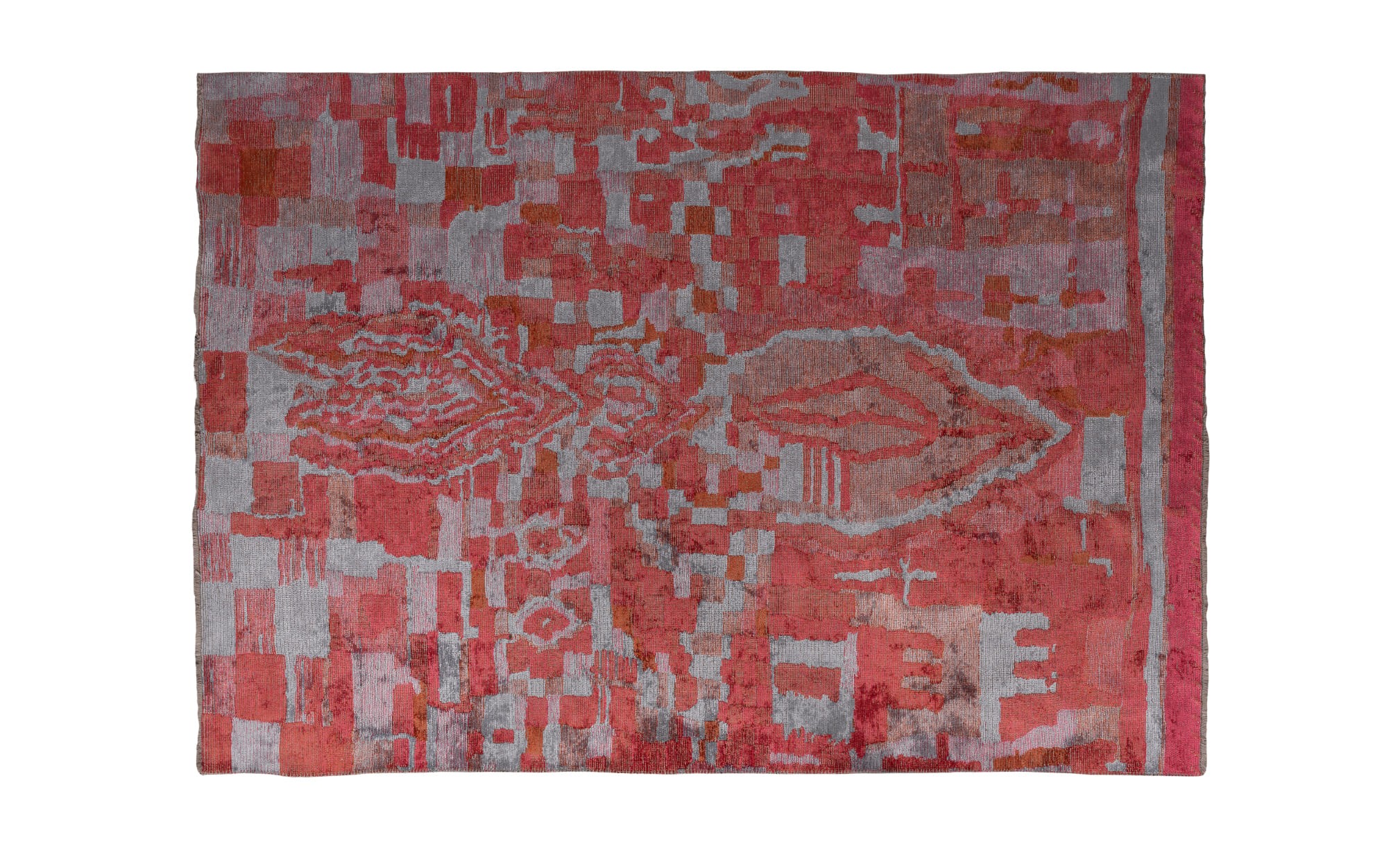
The rugs carry the layering further. A vanilla rug picks up the wall colour, ruled with fine silver lines: a quiet reminder that water has been falling on this house for centuries, leaving its trace in the silvering of the mirrors. Over it, set on a diagonal, a brown rug brings movement to the floor.
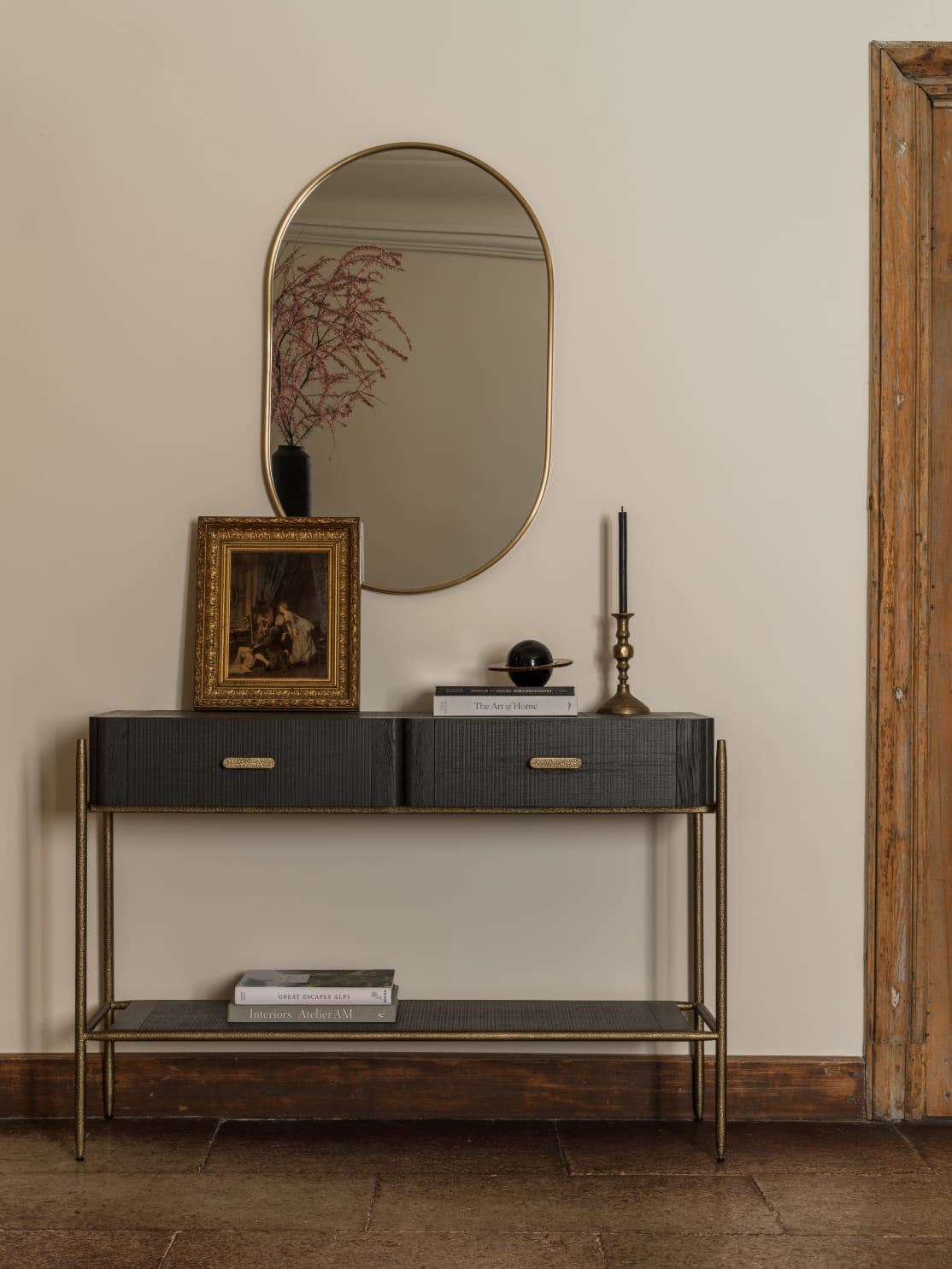
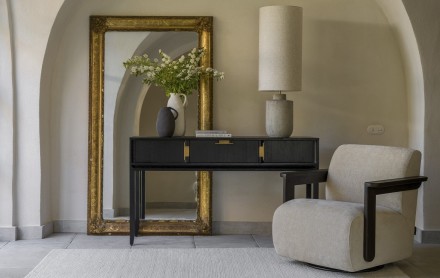
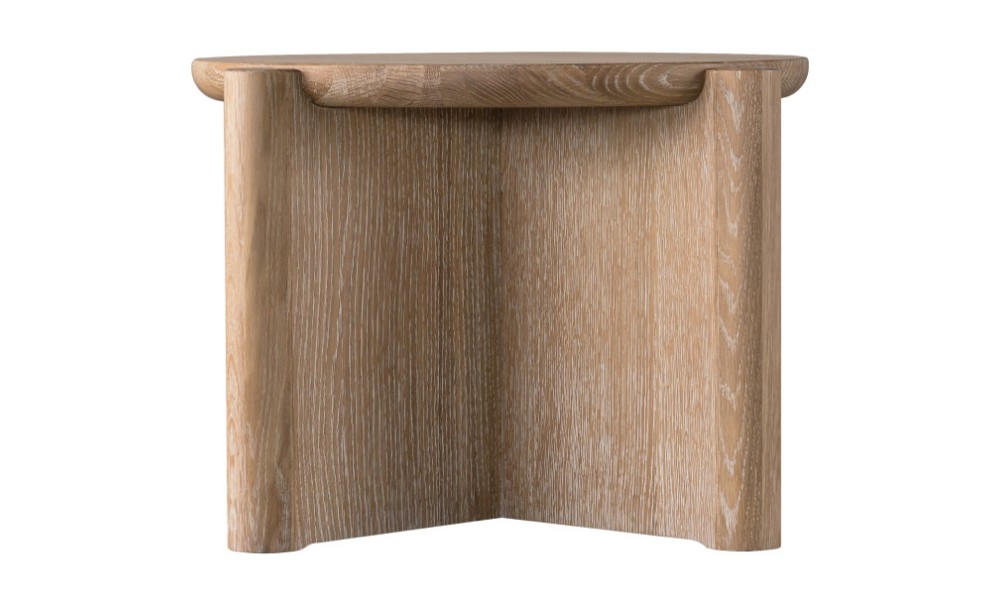
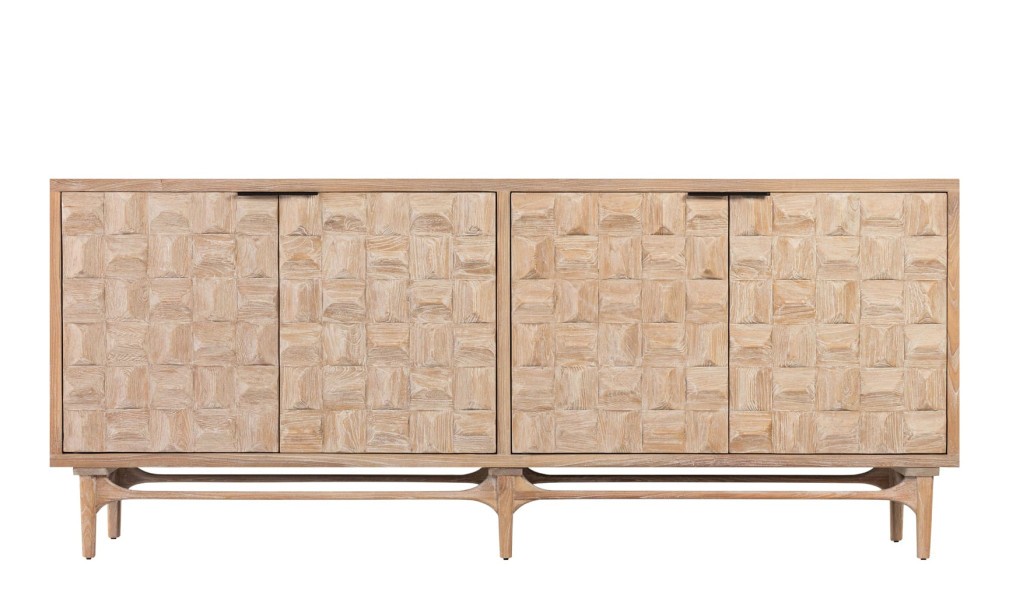
The Rustic console – designed by James Patterson and brought into the room only a few years ago – settles in with the antiques rather than against them. The chased metal, the brass inlays, the proportions – everything is built to age into the room. Patterson designs this way as a rule: furniture meant to become an heirloom within a generation, not wait for one. On the low table, kept in the tone of the historic doors, a candle sits under a glass dome; on the console, a small glass planet echoes it – a small note about cycles.
Soul of the House
The flowers do not come from a florist. They are cut from the garden a few steps from the door, often from the tree just outside the window. The room turns with the season; nothing is arranged that wasn't growing the day before.
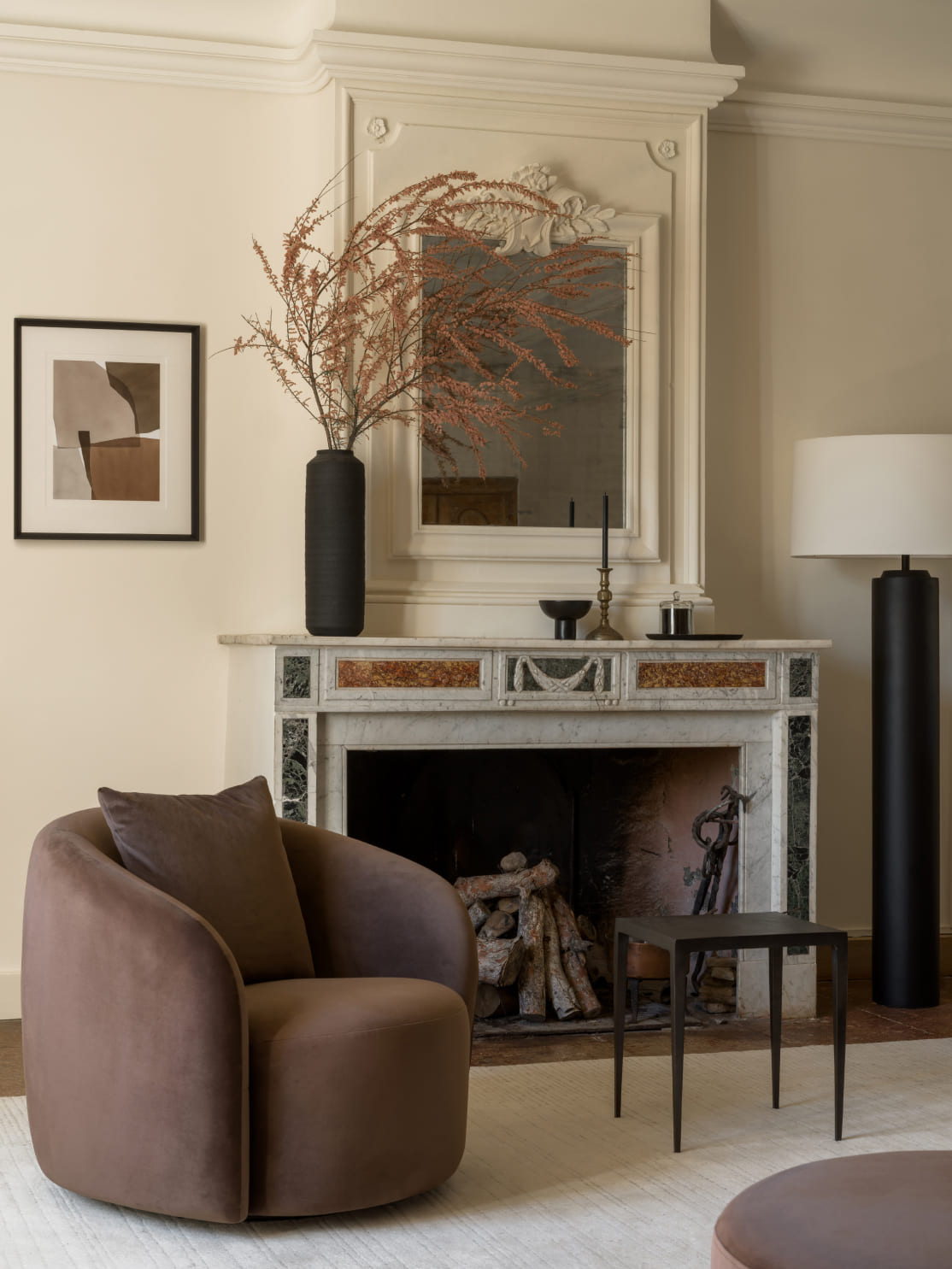
A room of this kind works because two languages meet across it without strain: the geometry of the chimneypiece, the doors, the rectangular frames, against the curves of the Sonora sofa, the oval mirror, the rugs laid on the diagonal. Both have been doing this for centuries; together, they give the room its weight.
Every piece in this room can be seen at the Dantone Home showrooms. Come to see how they sit against your own walls and find what fits your own way of living