
Learned by Hand: Furnishing a Child's Room
Long before anyone can explain proportion or grain, a child knows it by hand: which surfaces are warm, which are hollow, which hold up when climbed on. Furniture made for children gives them little to go on, and it goes quickly, outgrown in two or three years, though the room itself will hold a person for fifteen. Which is why the best pieces for a child's room usually come from the ordinary range: they last, they move elsewhere in the house afterwards, and in the meantime a child grows up among materials worth touching.
Somewhere to Play
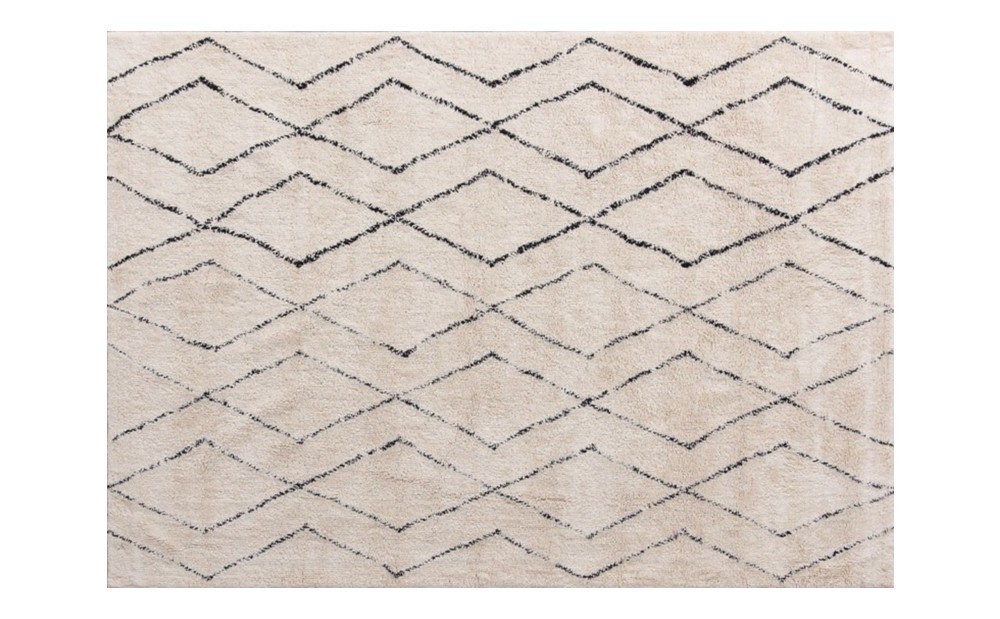
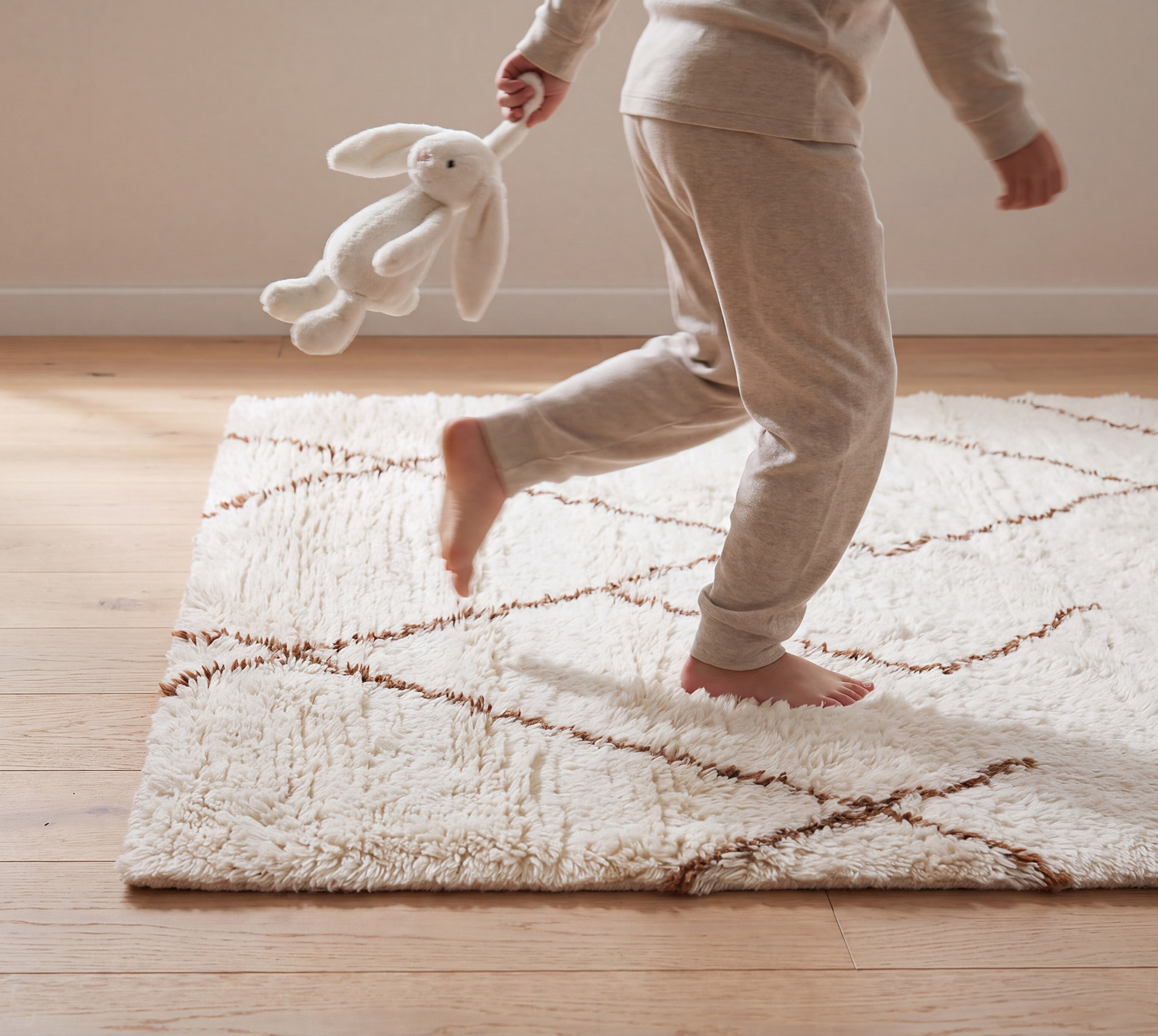
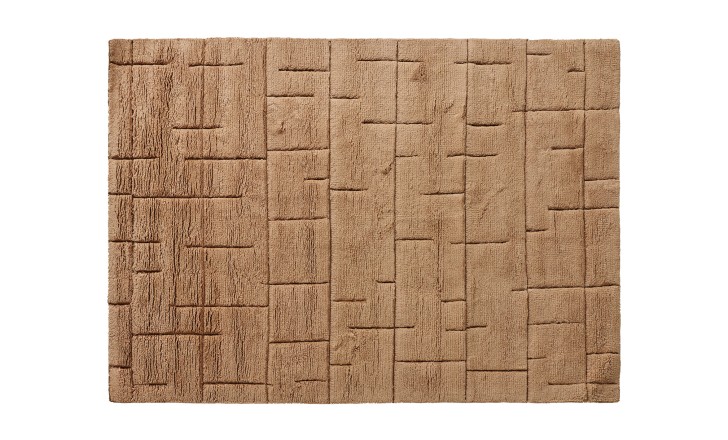
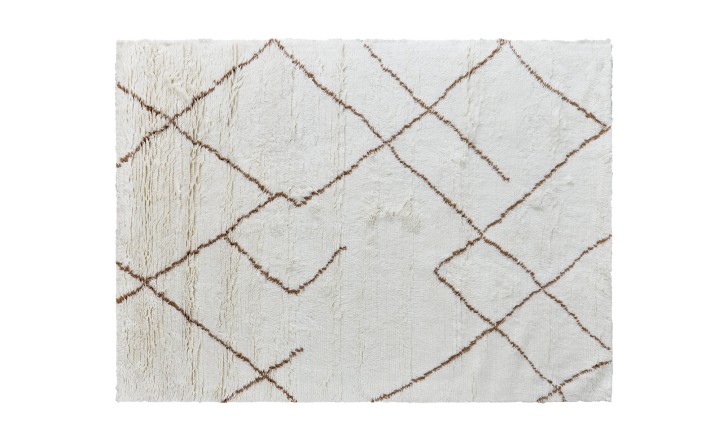
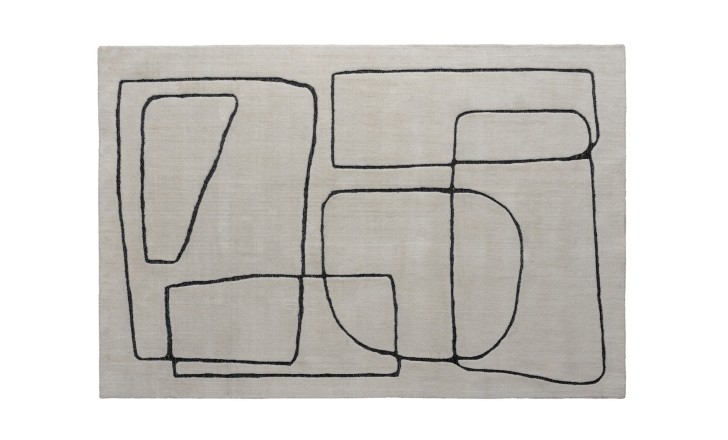
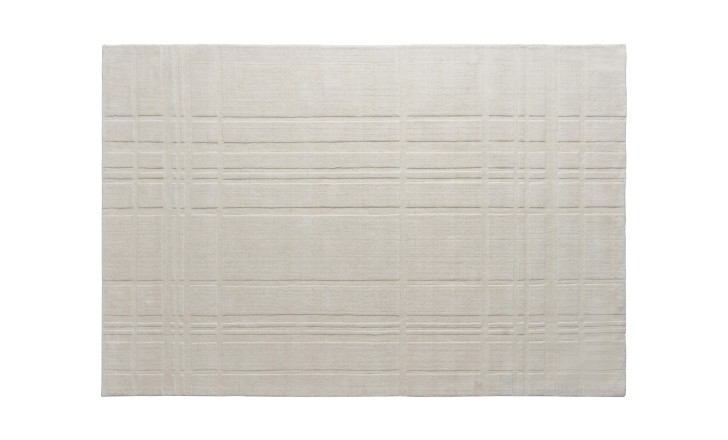
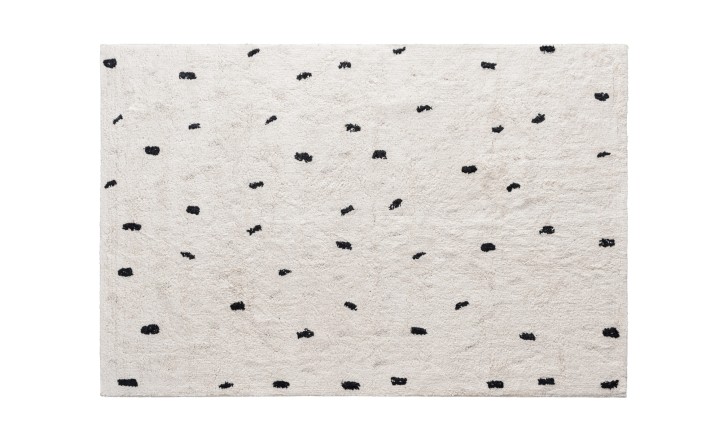
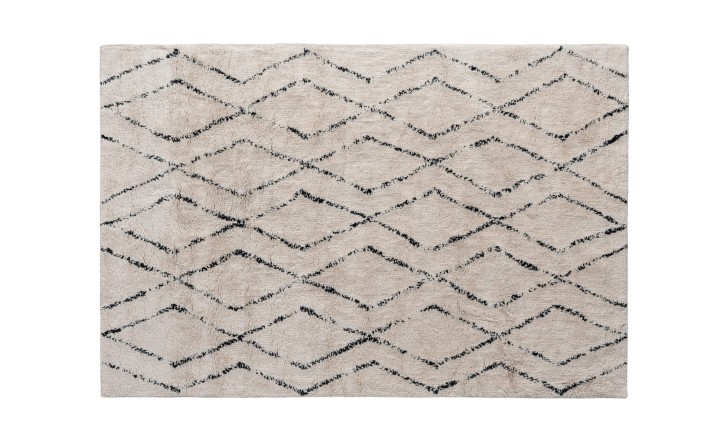
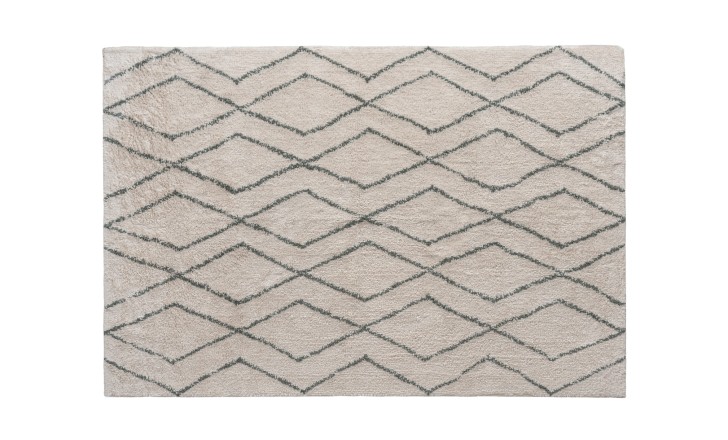
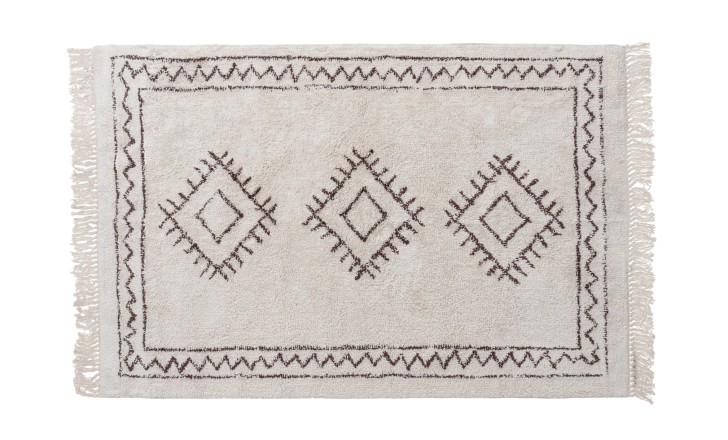
For the first few years, most of what happens in the room happens on the floor. That makes the rug the most used piece in it, and worth choosing properly: wool takes the traffic, softens hard tiled floors, and absorbs a good deal of the noise a room like this generates.
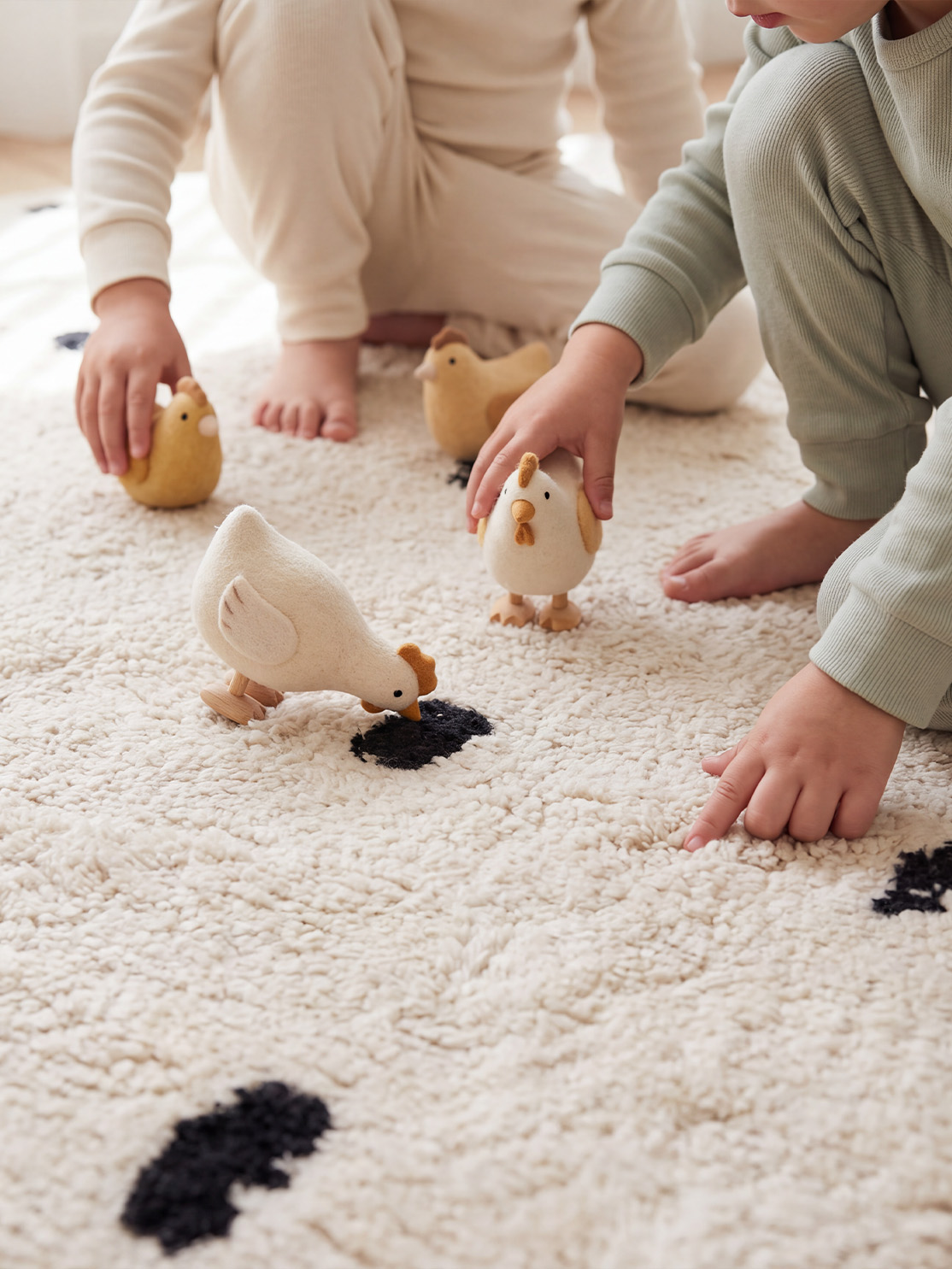
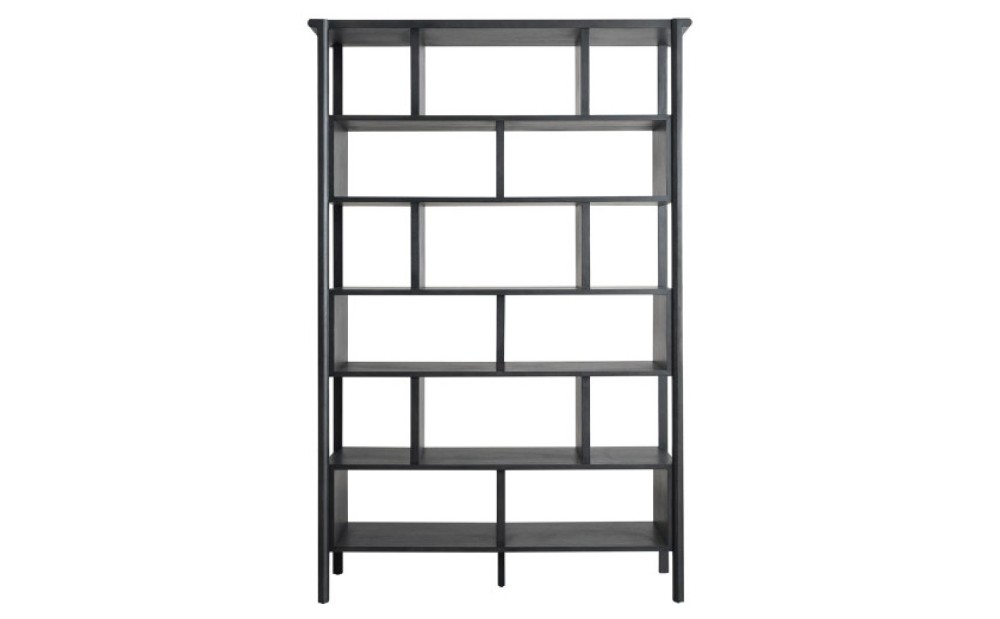
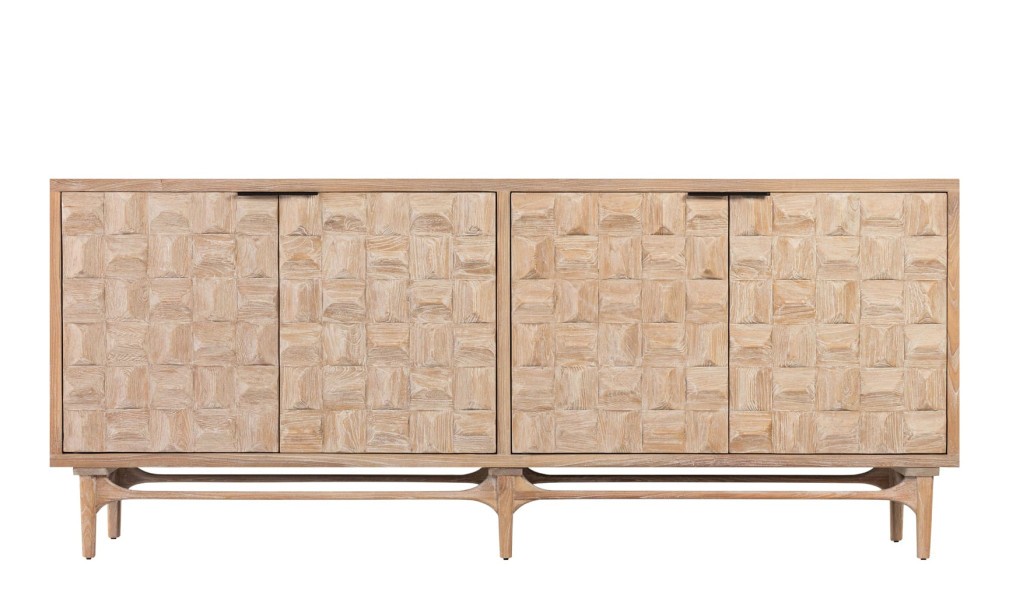
Storage belongs at the same level. Low open shelving, within a child's own reach, is the difference between toys that get put away and toys that do not: nothing is tidied by a child who cannot see the shelf. Keep the lower runs for whatever is in use now, and the upper ones for books, boxes, and the things only an adult needs to reach. As the child grows, the same unit simply changes what it holds.
Somewhere to Work
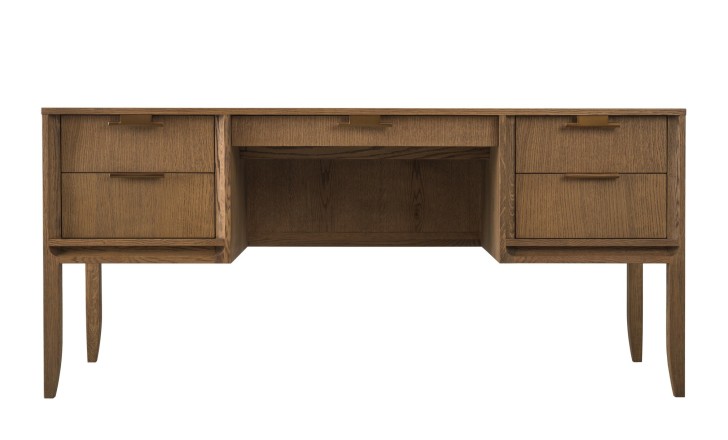
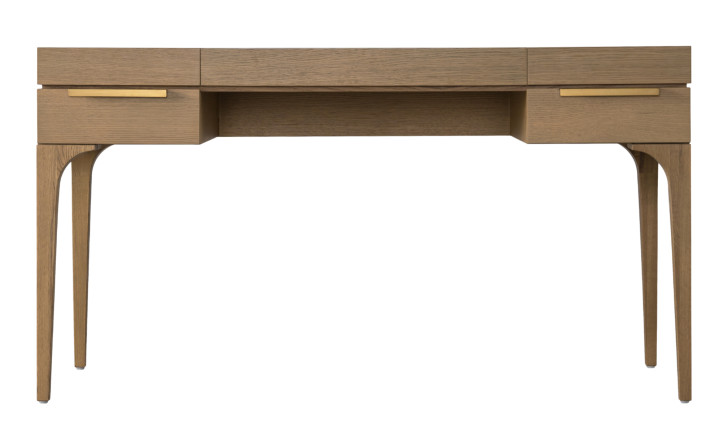
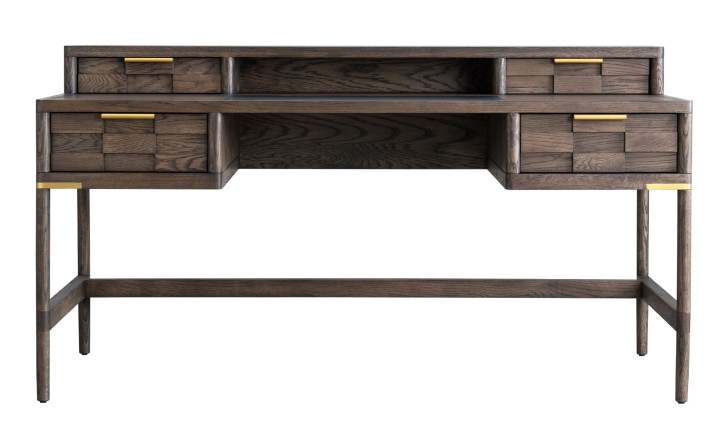
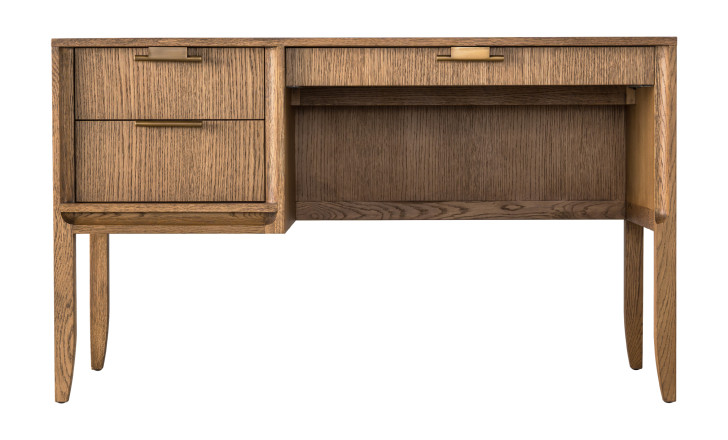
The desk arrives earlier than most parents expect, and it stays for a decade and a half. Homework at eight, coursework at fifteen, and after that it moves into a study without looking out of place.
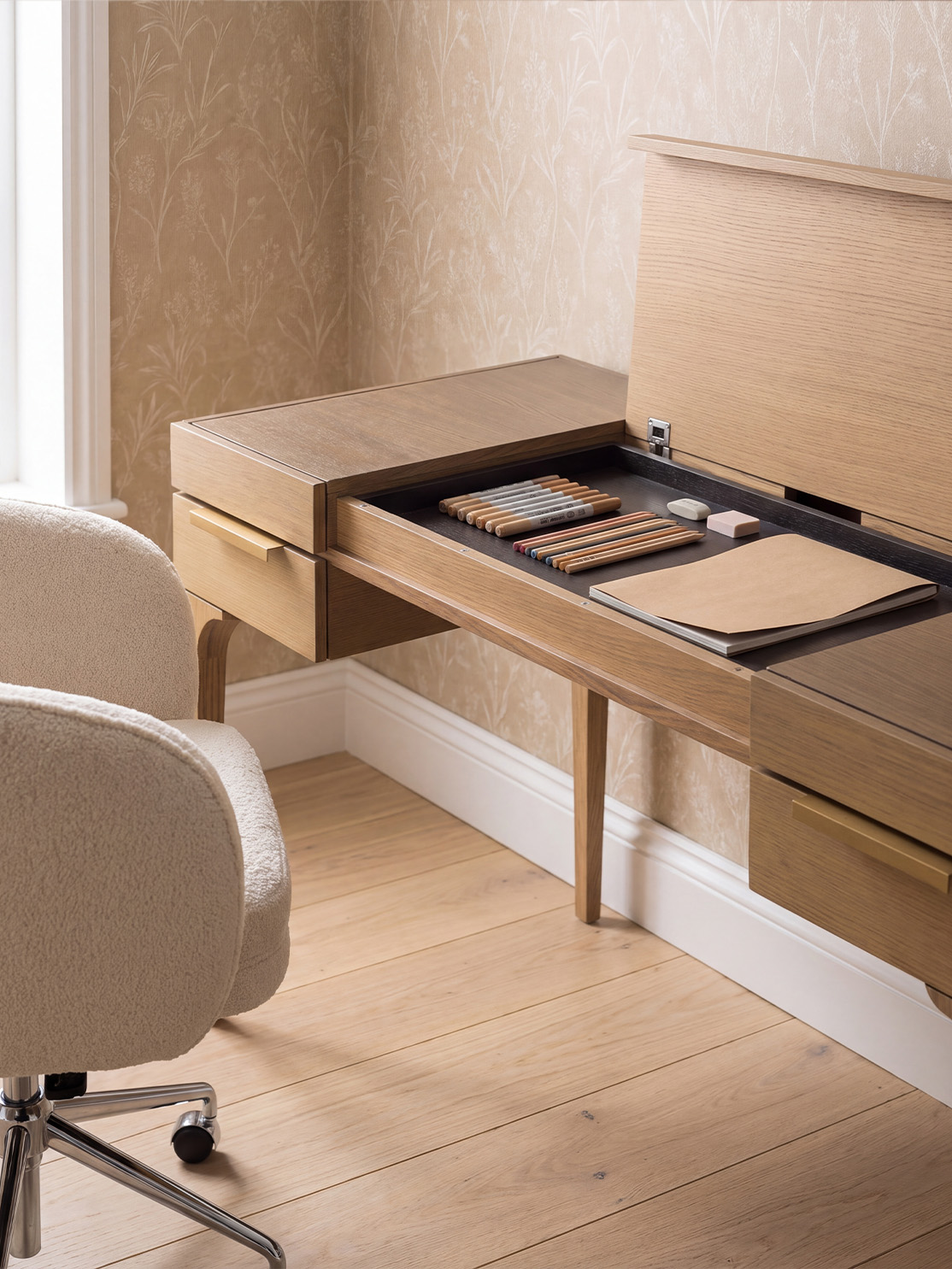
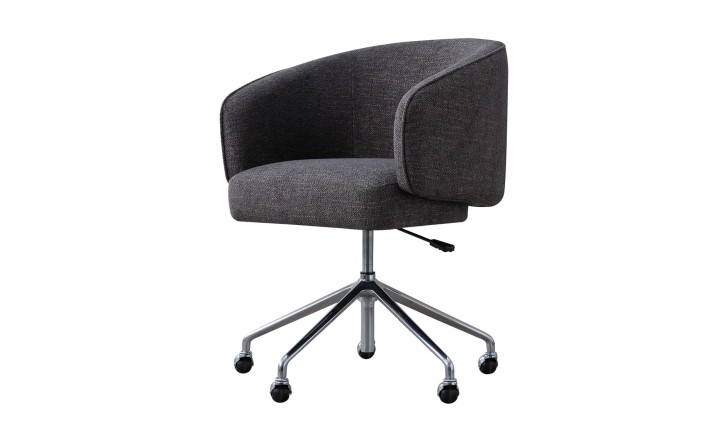
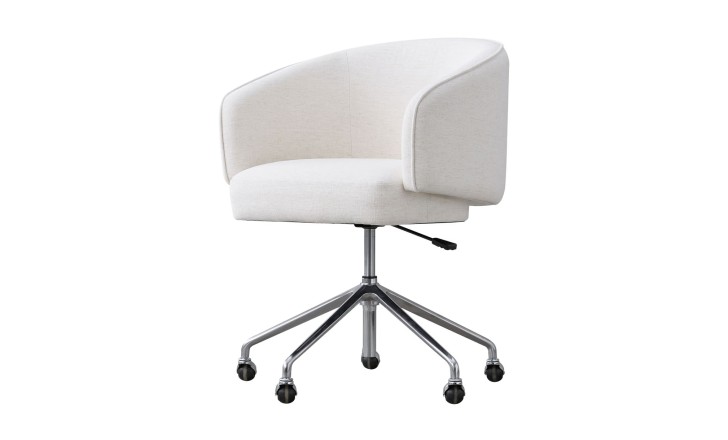
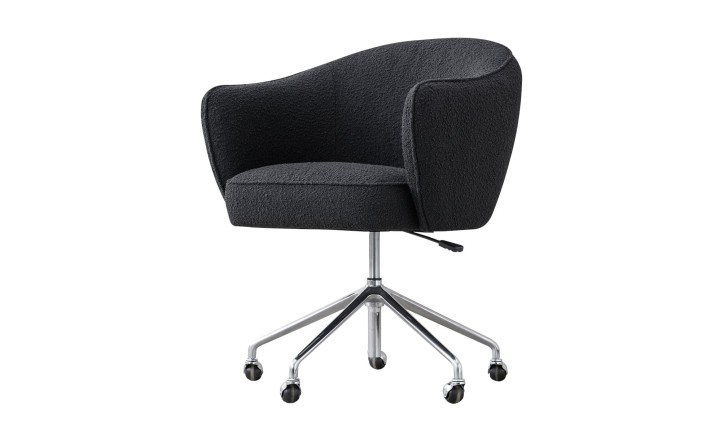
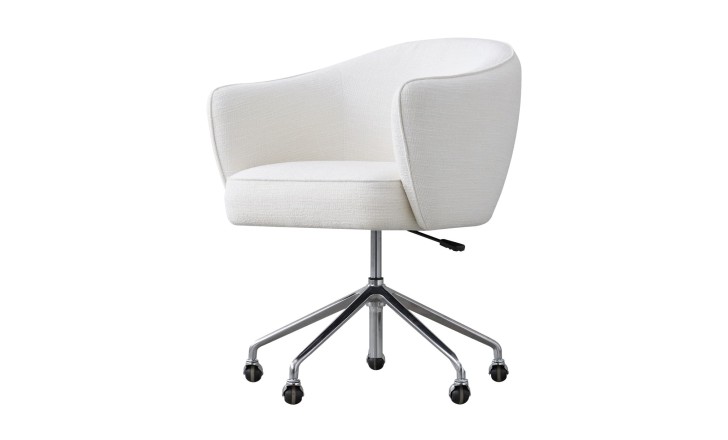
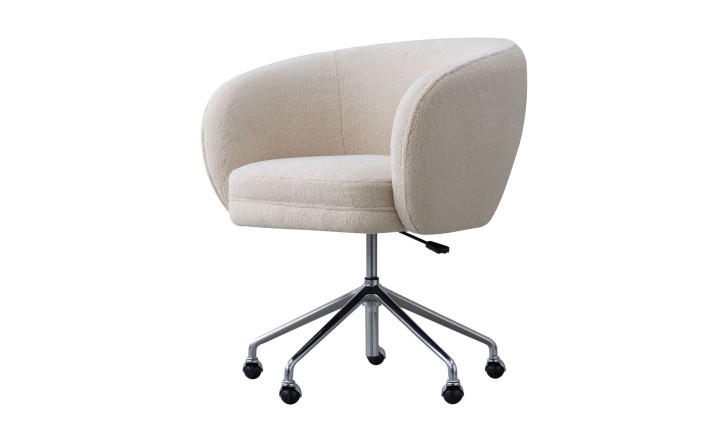
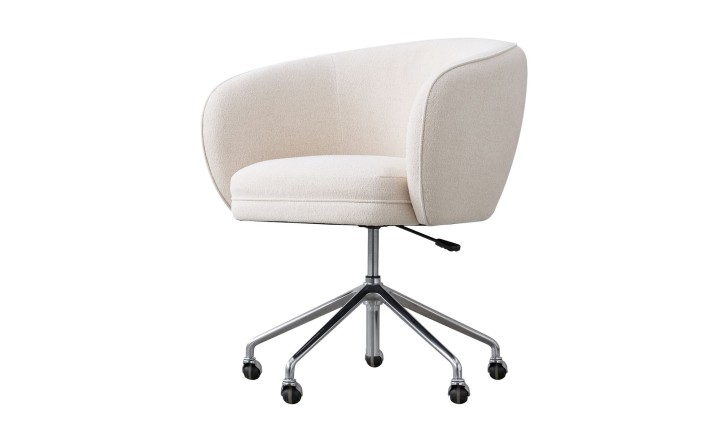
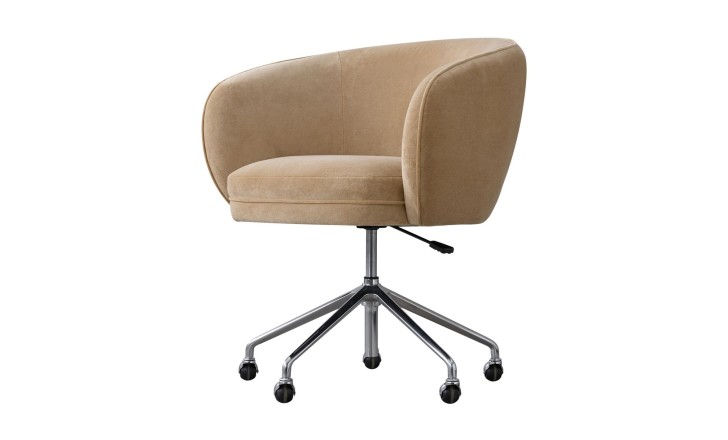
What matters is fit, and fit changes every year, which is where a proper office armchair earns its place: the seat rises and falls on a gas lift, so the same chair sits correctly at eight and at fifteen. Upholstered, it reads as furniture rather than office equipment, which matters in a room that is also a bedroom.
Somewhere to Read
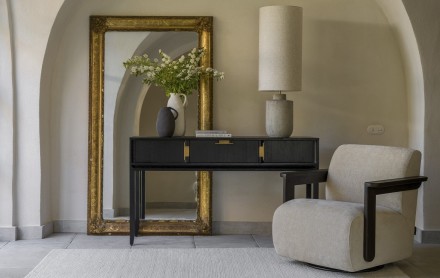
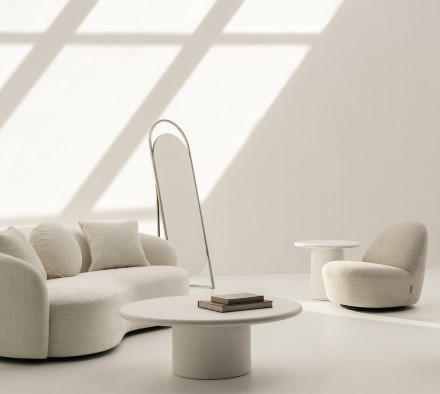
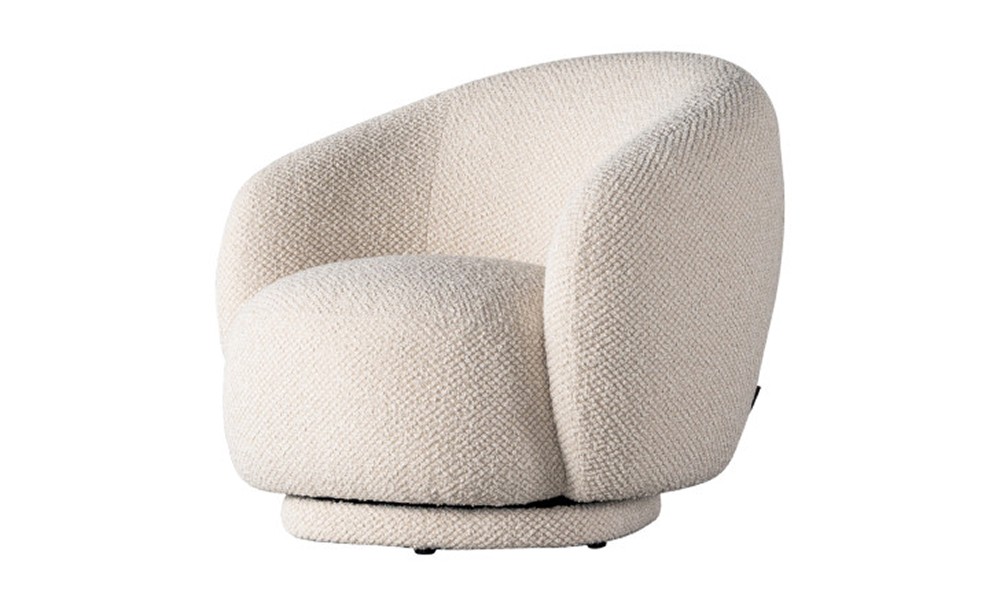
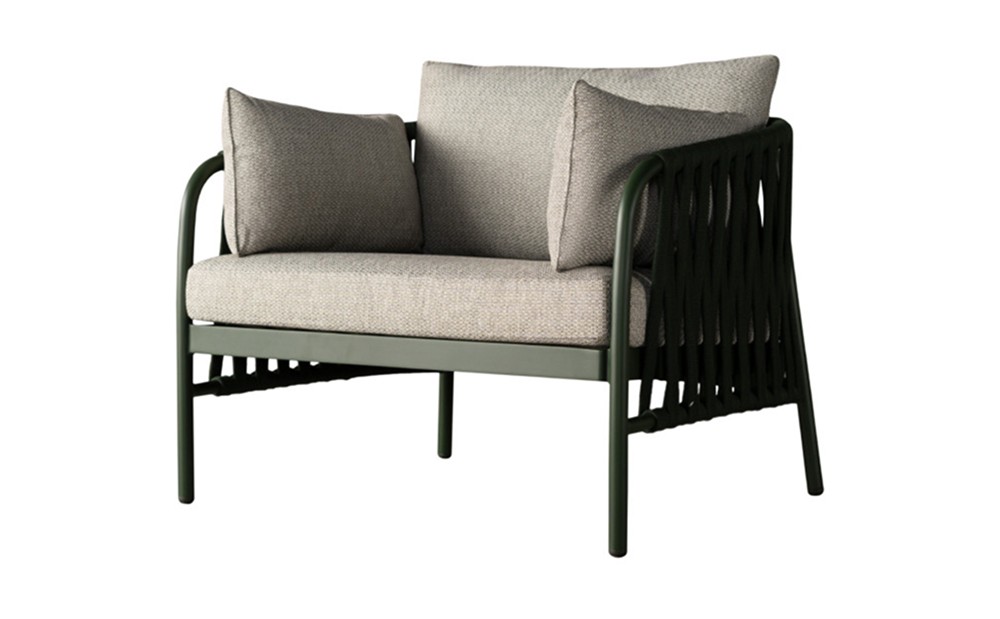
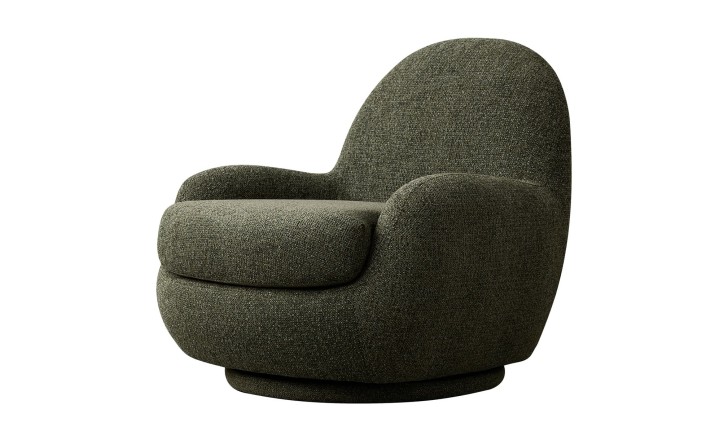
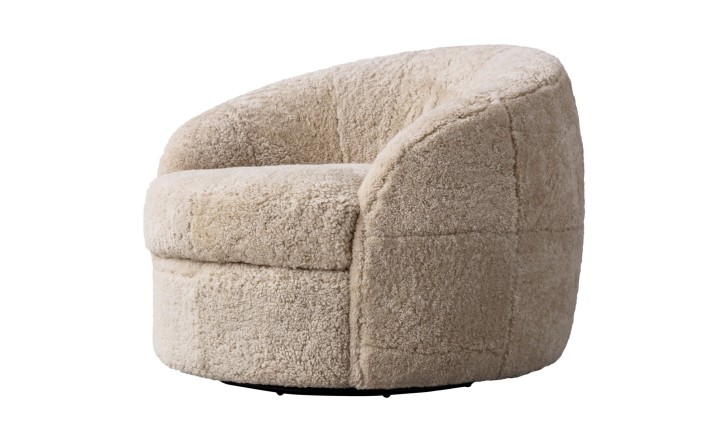
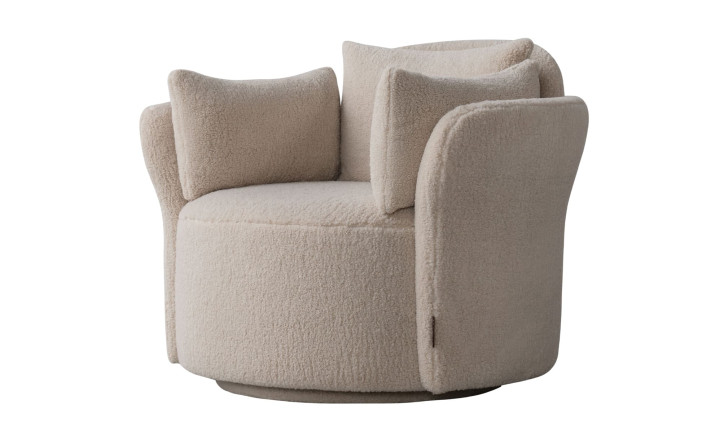
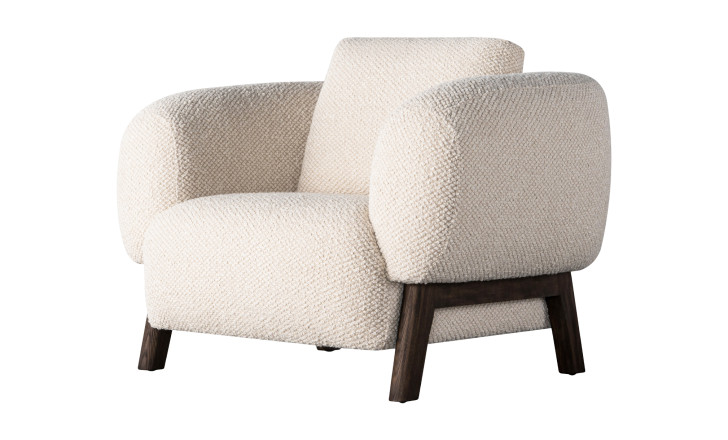
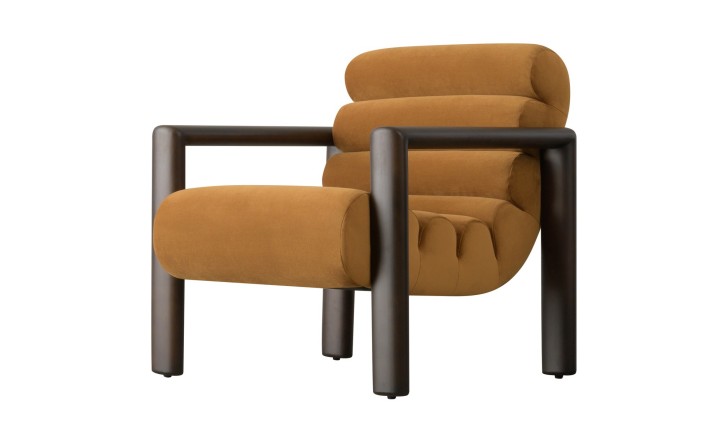
Every child's room wants one seat that belongs to the child rather than to the room: a deep armchair in the corner, the sort you fold into sideways with your legs over the arm and stay in until the chapter finishes.
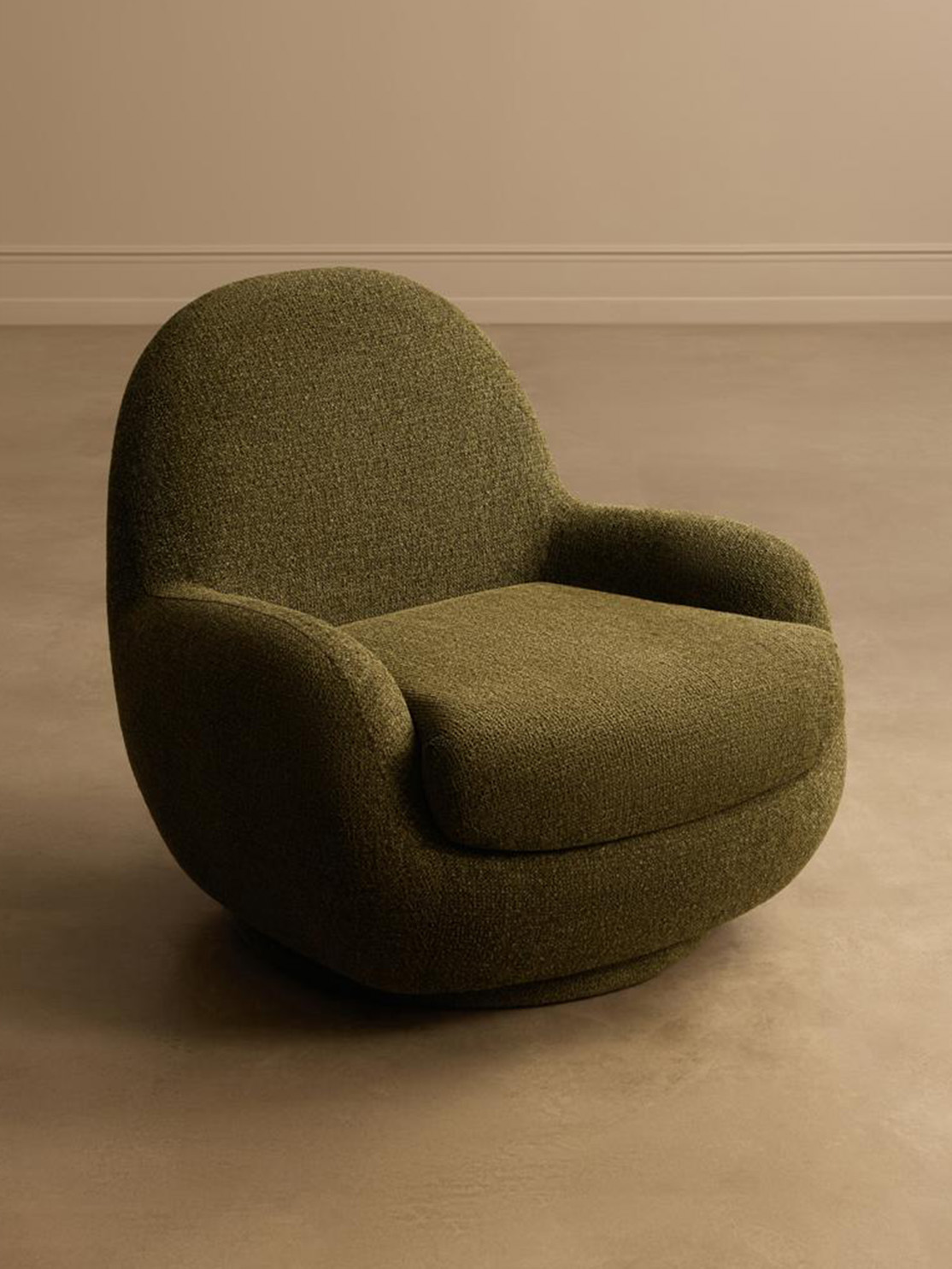
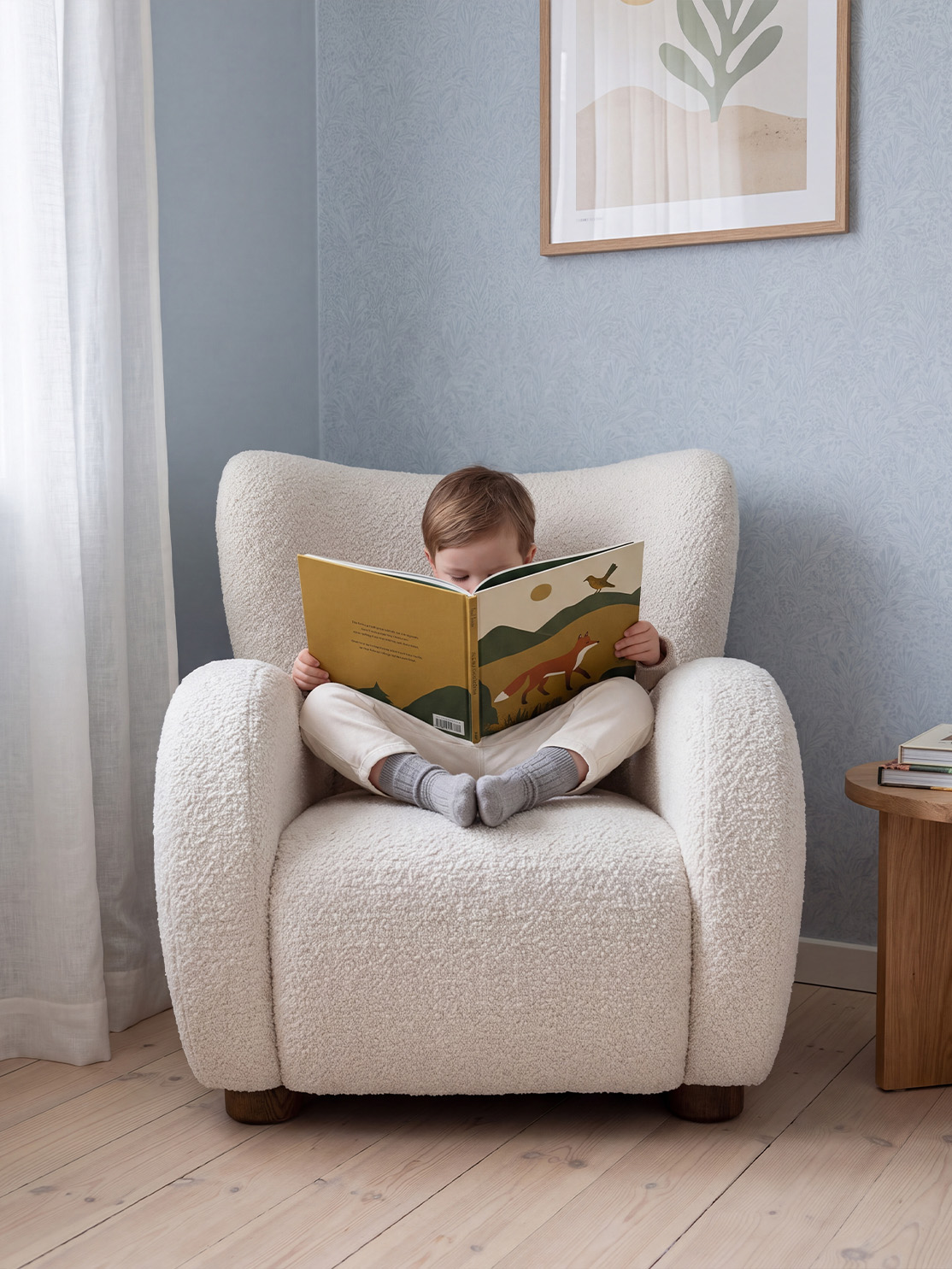
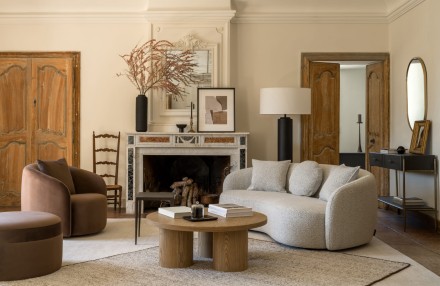
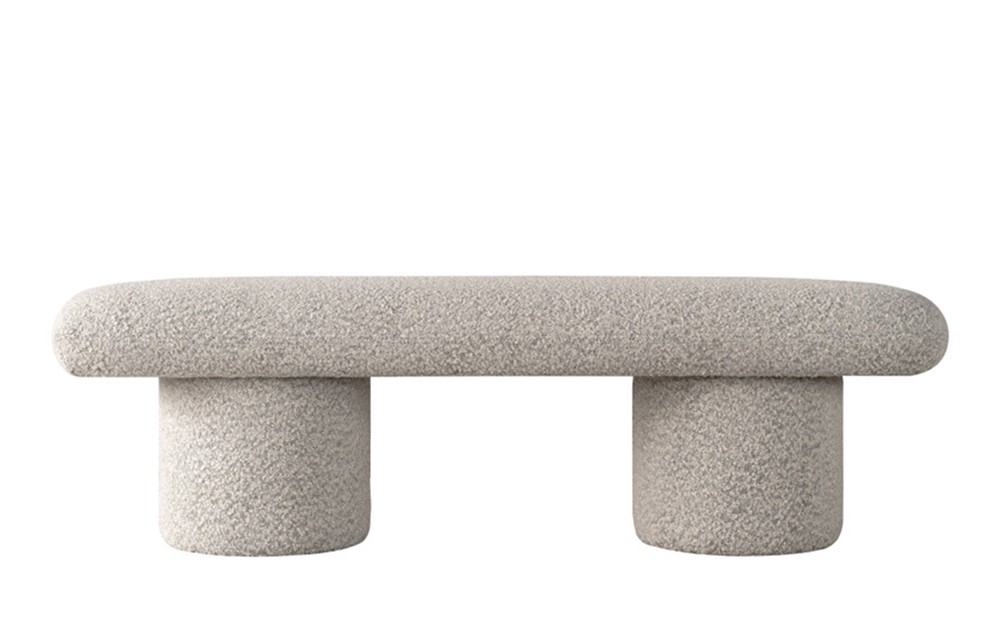
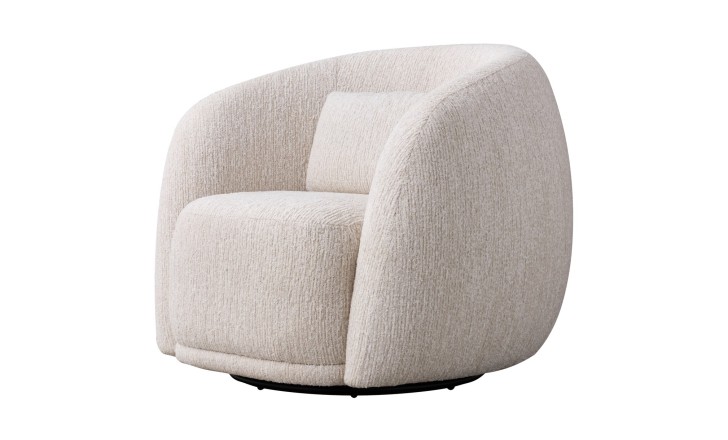
This is the piece where character earns its place. Rounded shells, boucle, velvet, a swivel base that turns away from the door: shapes playful enough to delight a child and well drawn enough to keep. Choose it deep, and in a fabric with a removable cover, and fifteen years of use become a great deal less alarming.
Somewhere to Sleep
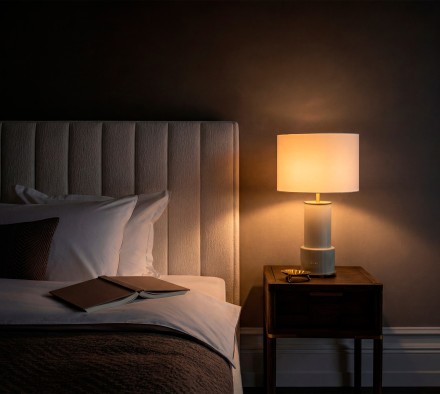
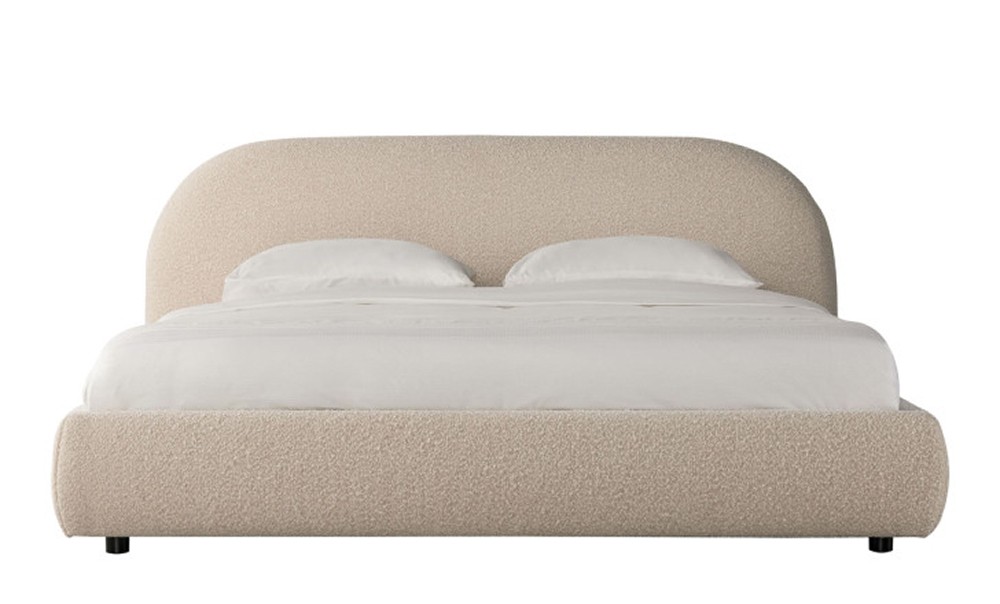
The bed is the piece most often bought as a novelty and most often regretted. A plain, well-made frame in a standard size avoids the whole problem: it works at six and at sixteen, and takes ordinary bedding rather than something bought specially.
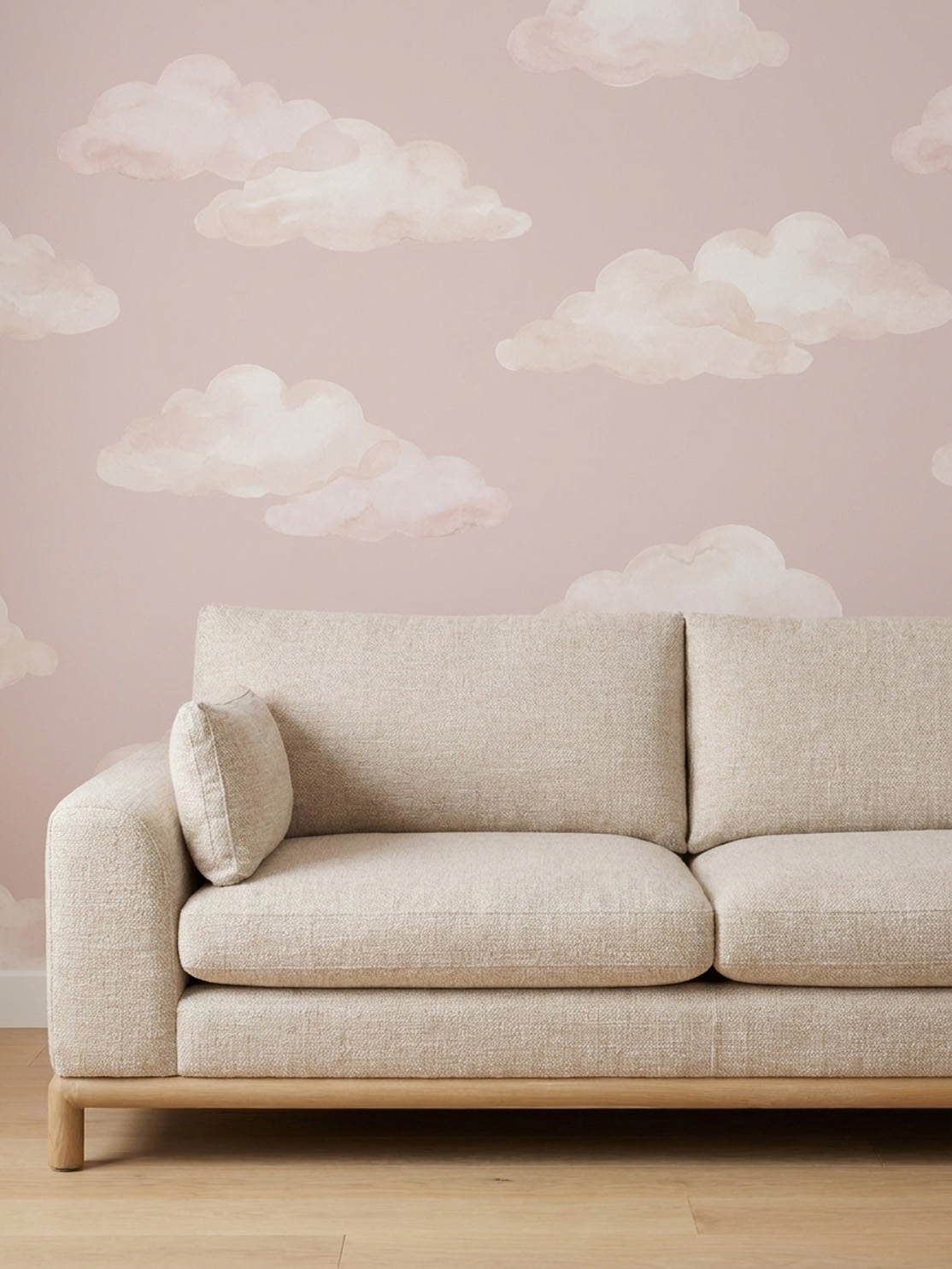
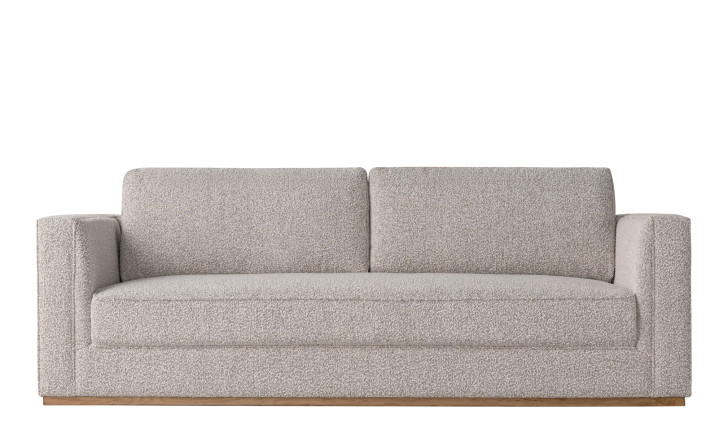
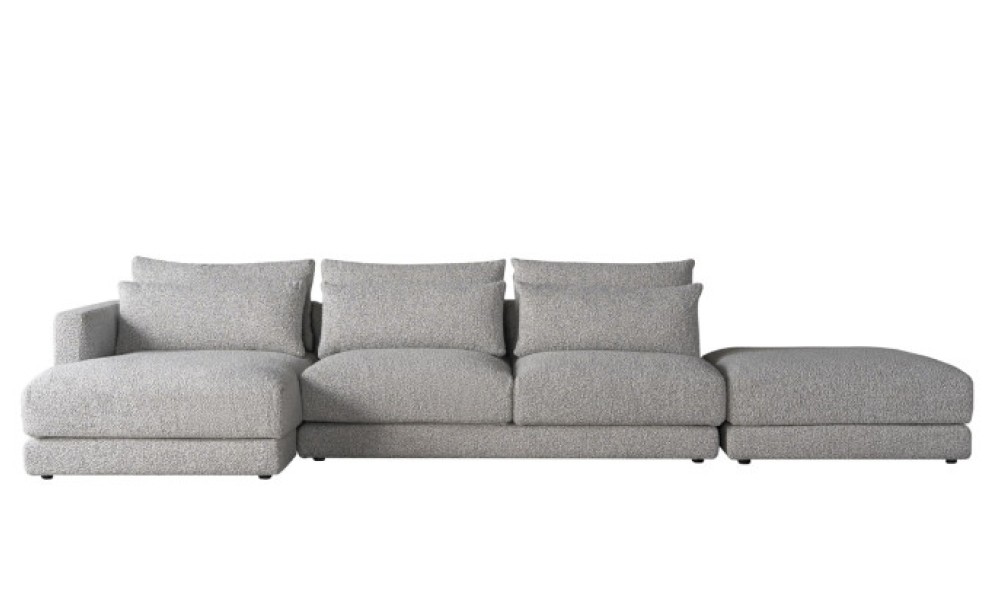
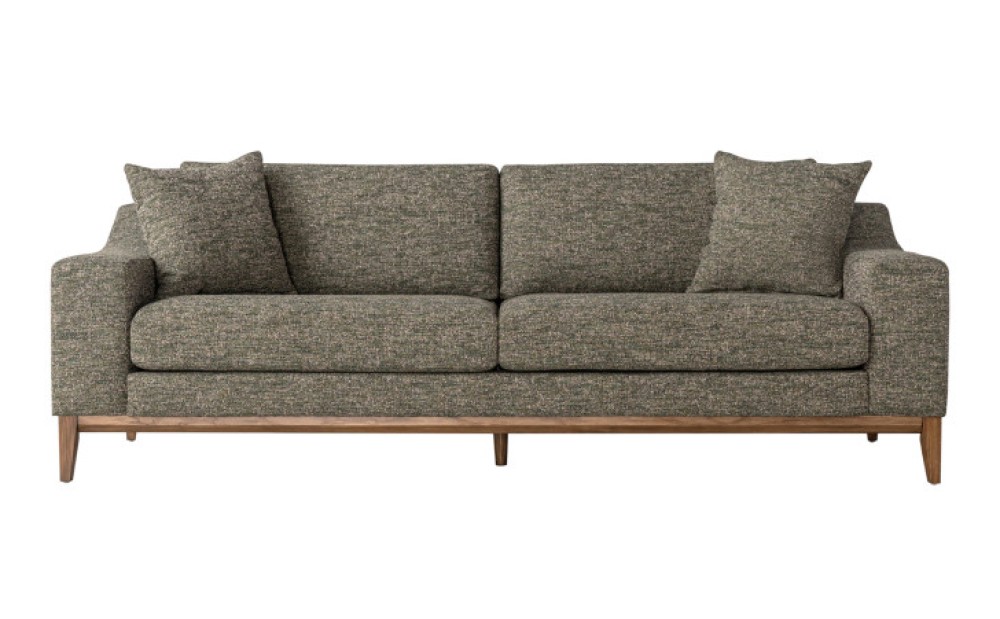
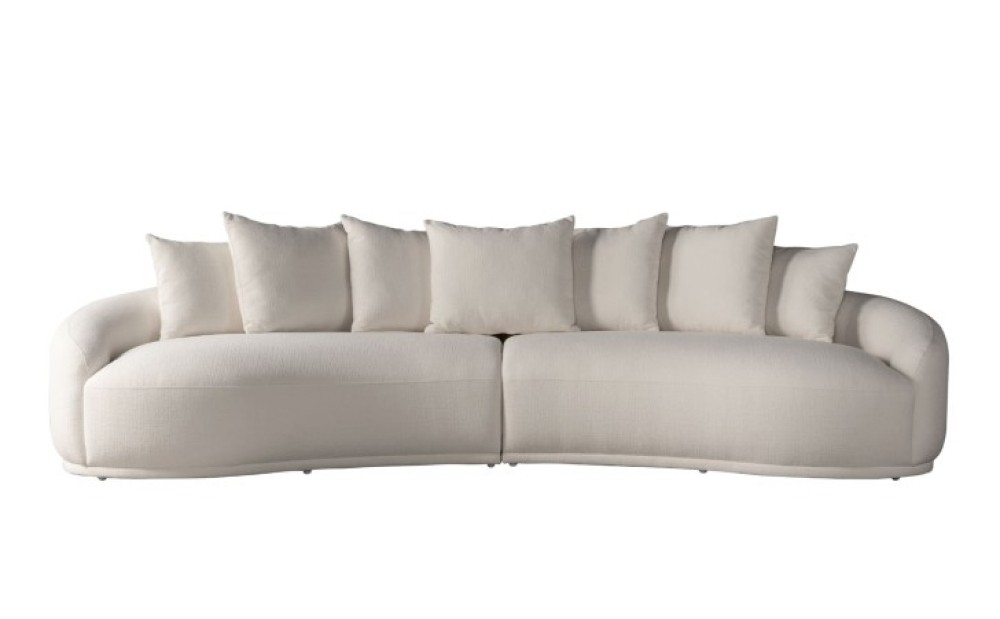
For smaller rooms, or for older children, a sofa bed earns its keep twice over: seating by day, a proper bed at night, and somewhere for a friend to stay without rearranging the house. When the room changes purpose, it moves to the guest room and carries on.