
Luxe Console: Three Ways to Give It a Job

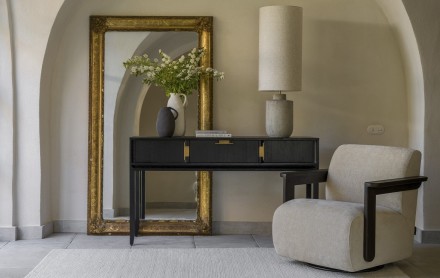
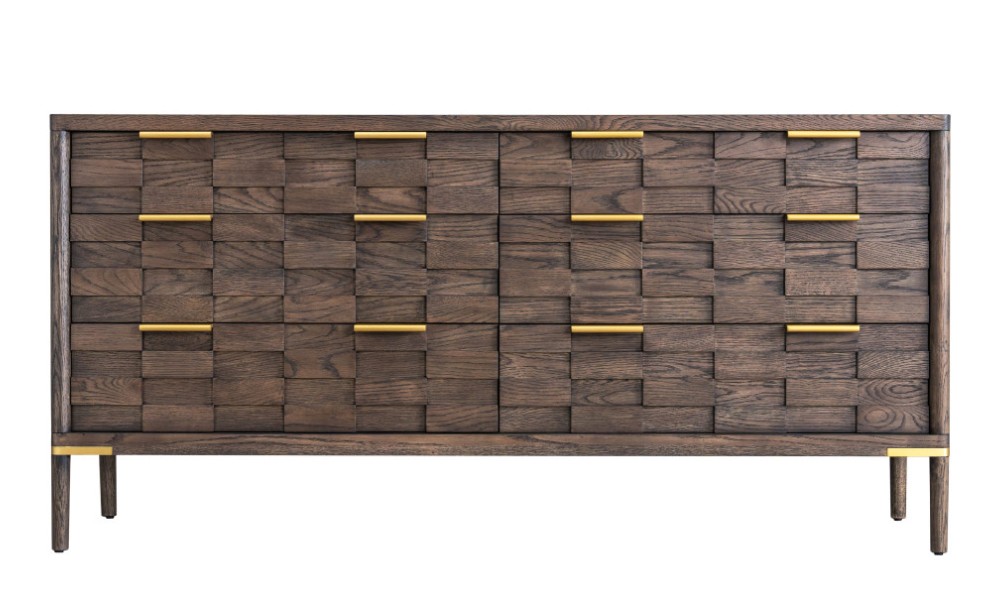
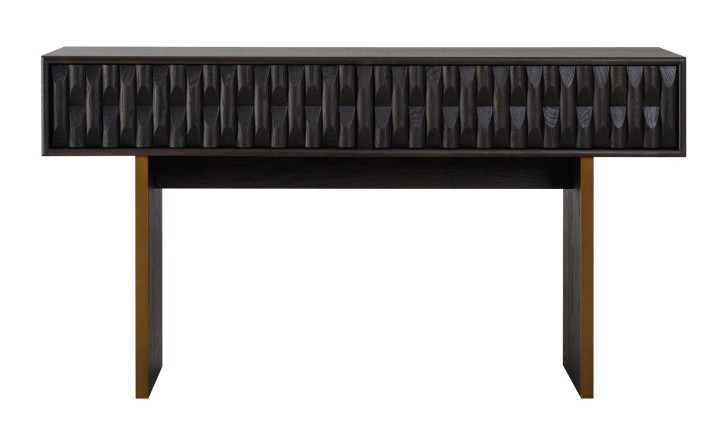
A console is the hardest-working piece in a house, and the least noticed. At 38 cm deep it fits where nothing else will, in a hallway, behind a sofa, along the wall of a bedroom, and it takes on whatever the room needs of it. The Luxe Console, from James Patterson’s limited edition in carved black-brown oak on a brass edge, is 153 cm wide and 82 cm high, with two drawers that pull out from behind the relief. There are no handles; the carving itself gives the hand its grip.
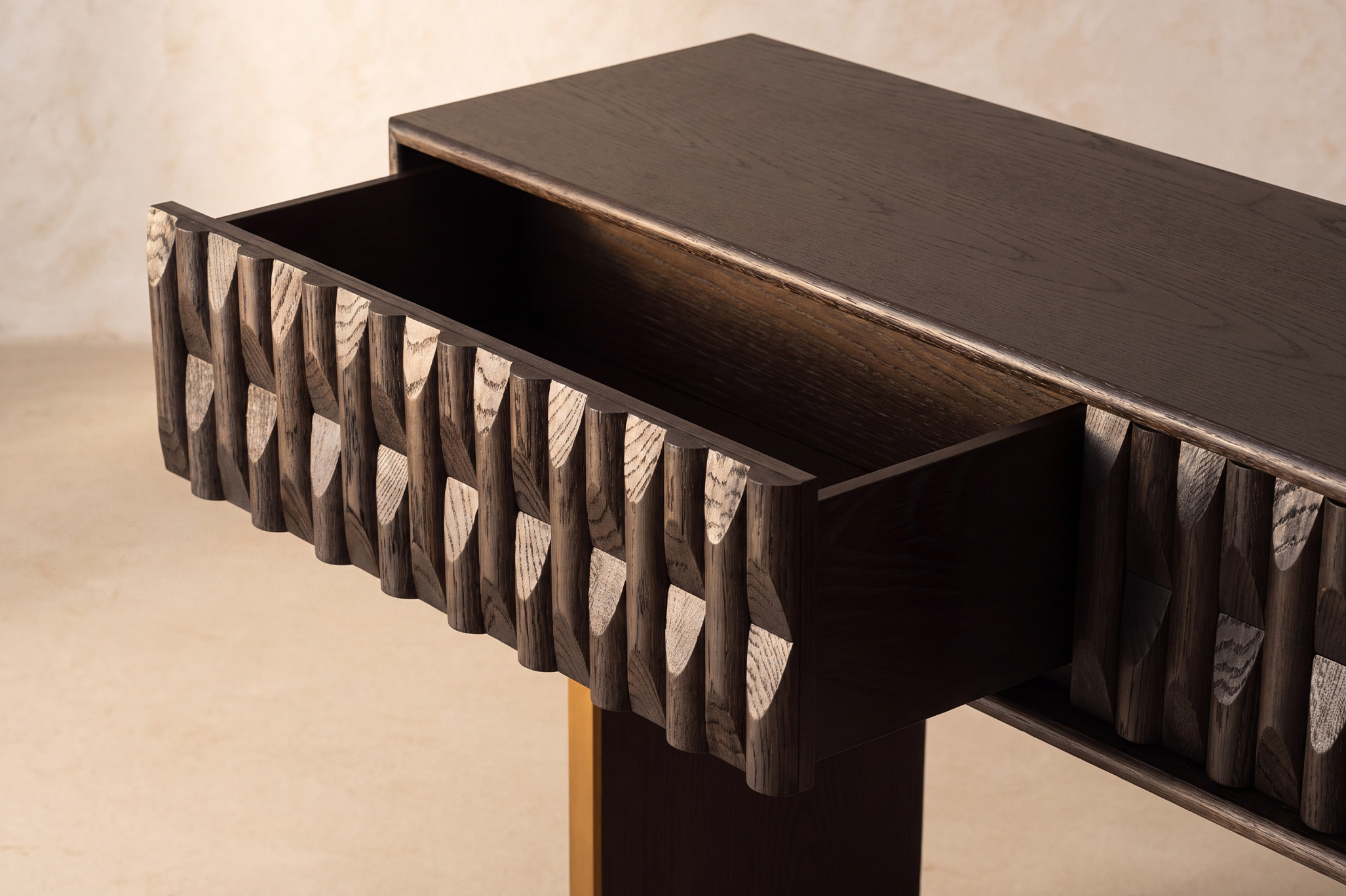
Those drawers are the point. Everything that would otherwise sit in view, keys, cables, letters, jewellery, has a place a hand’s reach from where it is used, and the top stays clear for the one or two things worth looking at. Below, three rooms give the console three different lives.
Two drawers with no handles, a top kept half empty, and one job per room
Hallway

Everyone comes home the same way: hands full, keys somewhere, a phone that needs putting down. The first flat surface inside the door takes the lot, and the console is that surface. The difference here is what happens a minute later: the drawer opens with a pull on the carving, and keys, sunglasses, the post, and the phone charger go in, so the top is clear again before the coat is off. The second drawer takes what should not be seen at all, the dog’s lead, spare cables, the documents that live by the door.
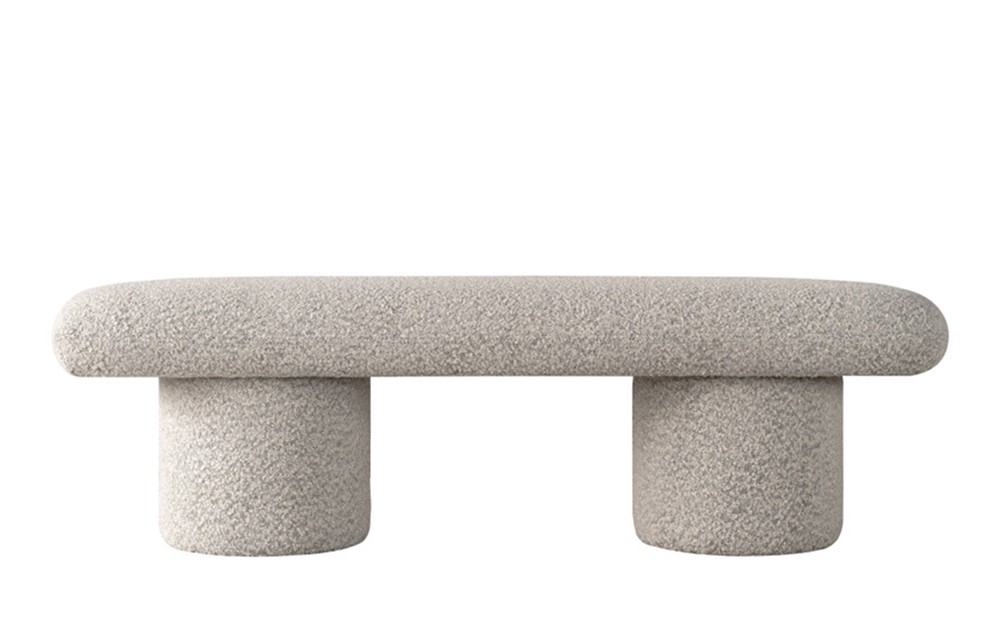
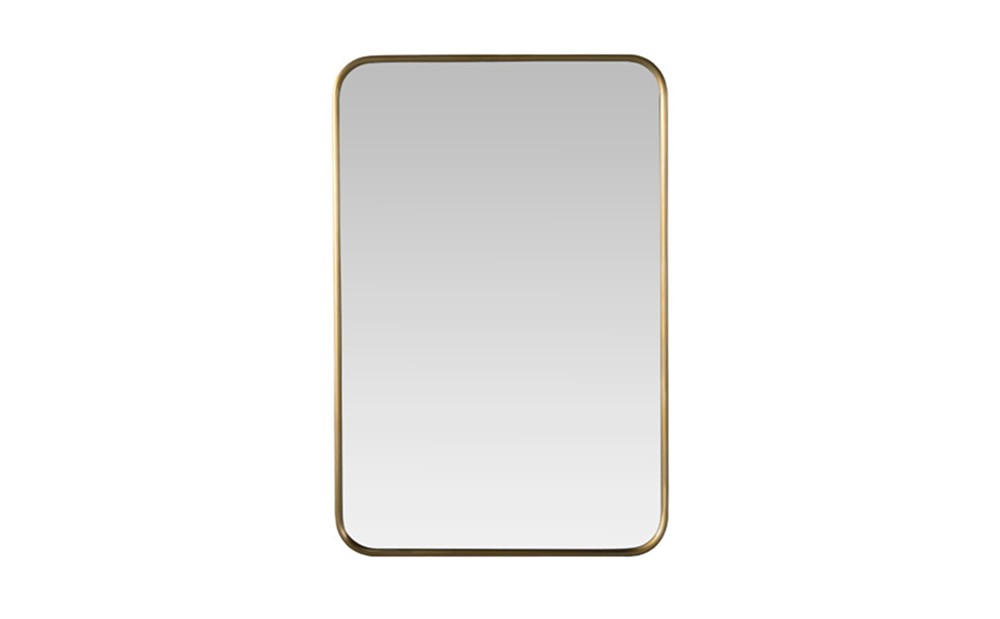
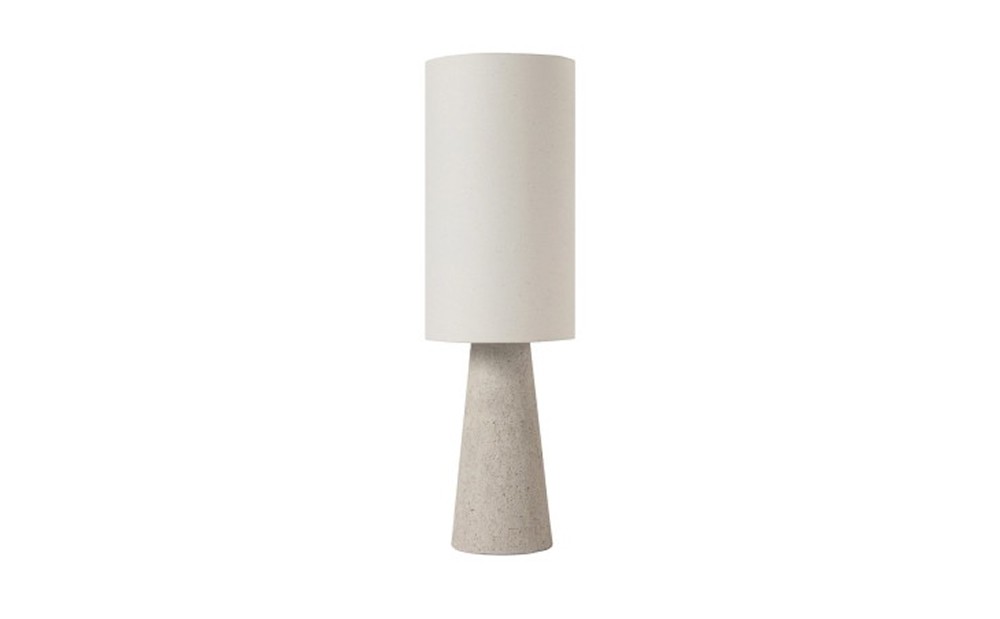
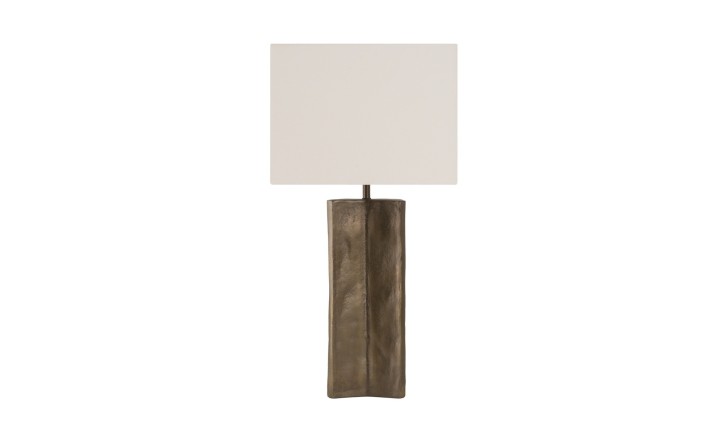
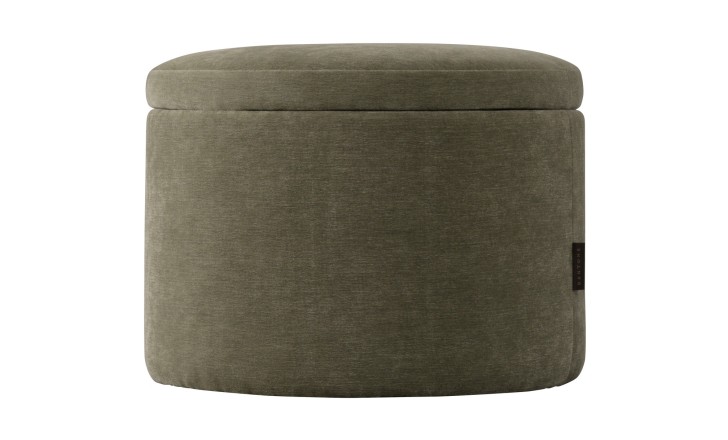
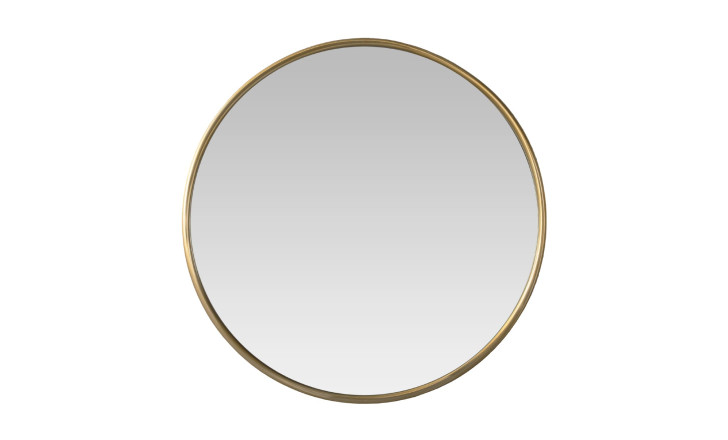
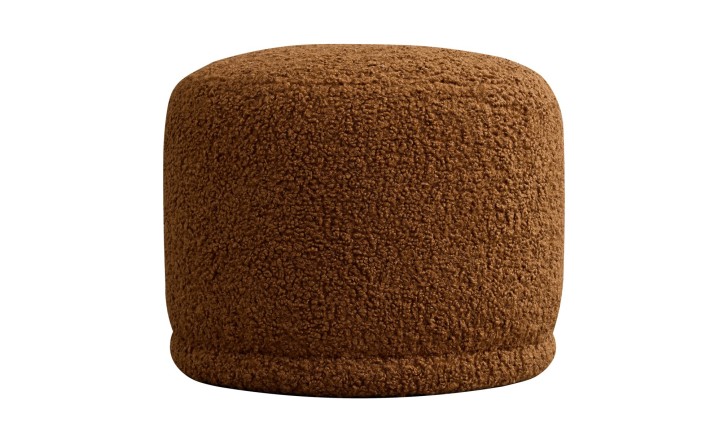
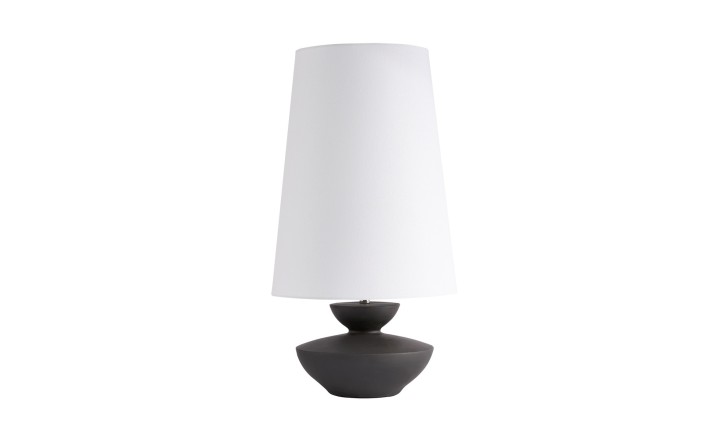
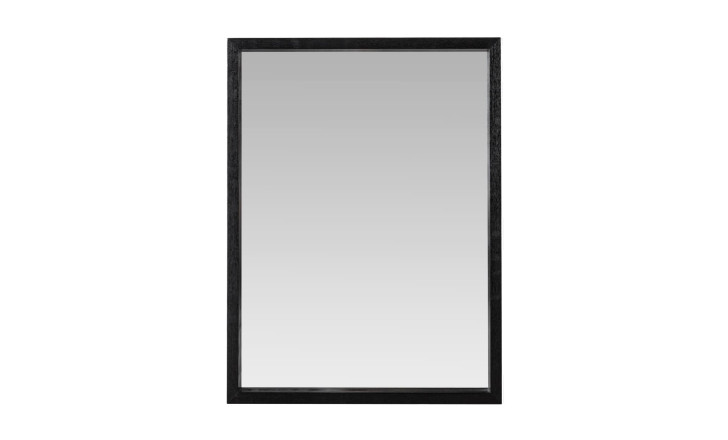
The mirror is for the last glance on the way out. The pouf is for sitting down to lace shoes, and its lid lifts on a shoe brush and an umbrella. The lamp does one thing: in the evening it is the light you switch on instead of the ceiling, so the house meets you at the door, not from above.

Bedroom

Here the console becomes a dressing table, and 38 cm is exactly the depth for it: the pouf slides under, you sit, and the mirror is where your face is. The drawers hold jewellery and the morning’s small things, so the top is empty when you sit down and empty again when you stand up. Nothing needs moving to get ready.
The mirror is rectangular and hung portrait, 60 by 80 cm, so it takes the face and the shoulders at once when you sit; the thin black frame keeps it quiet against the oak. The Minna lamp is the first light on and the last one off, and its tall shade lights a face, not a bedroom. The pouf in caramel boucle has no back, so it tucks away and leaves the floor clear between the bed and the door.

Living Room

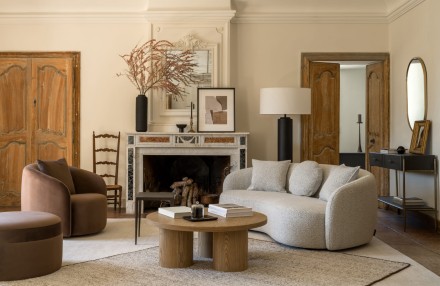
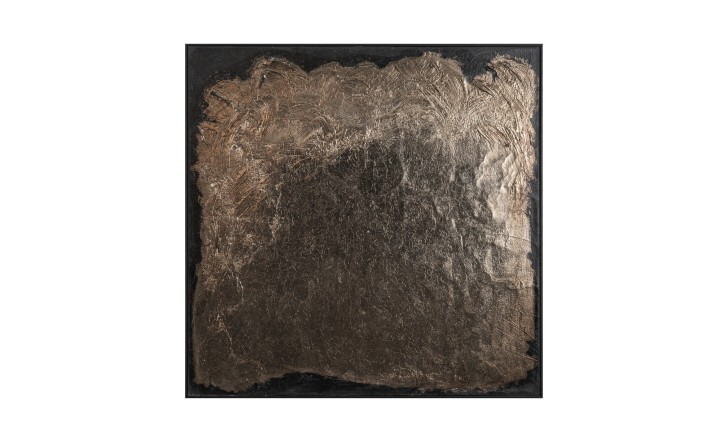
In a living room the console is not storage first; it is the wall the sofa looks at. The drawers still earn their place, they are where the remote controls, the cables, and the chargers go instead of the coffee table, but the top is composed rather than used. The painting sets the height of the wall and its bronze surface changes with the light through the day. On the console, two books lie flat, Escher’s Kaleidocycles and Ultimate Collector Watches, the kind that get picked up for ten minutes with a coffee and put back where they were, so the top stays honest: nothing on it is there for show.


The console is one of six pieces in Luxe, and the Dantone Home designers can build the rest of the room around whichever one comes first