
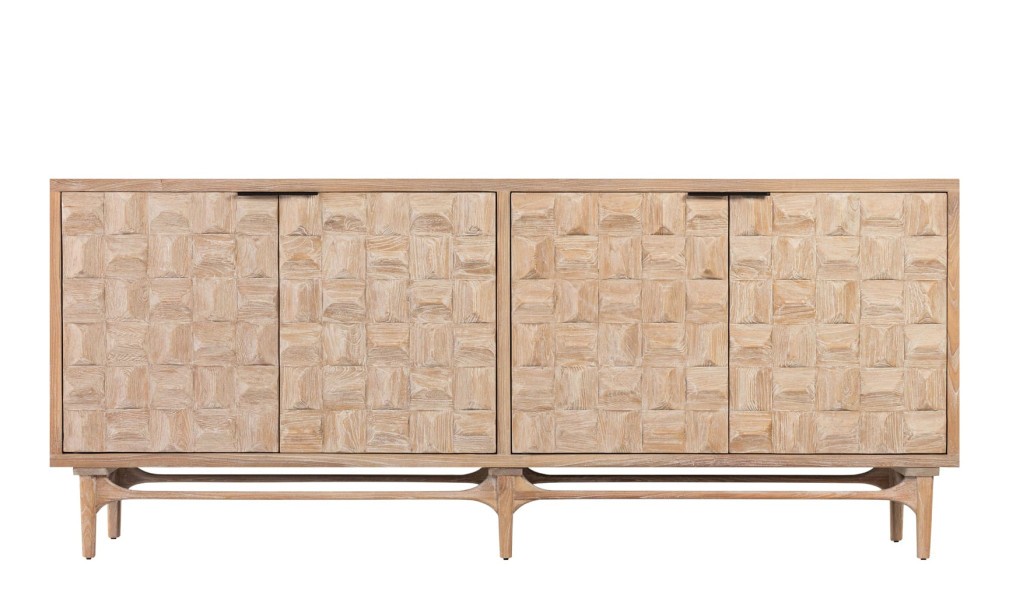
Knot by Knot: Three New Hand-Knotted Rugs
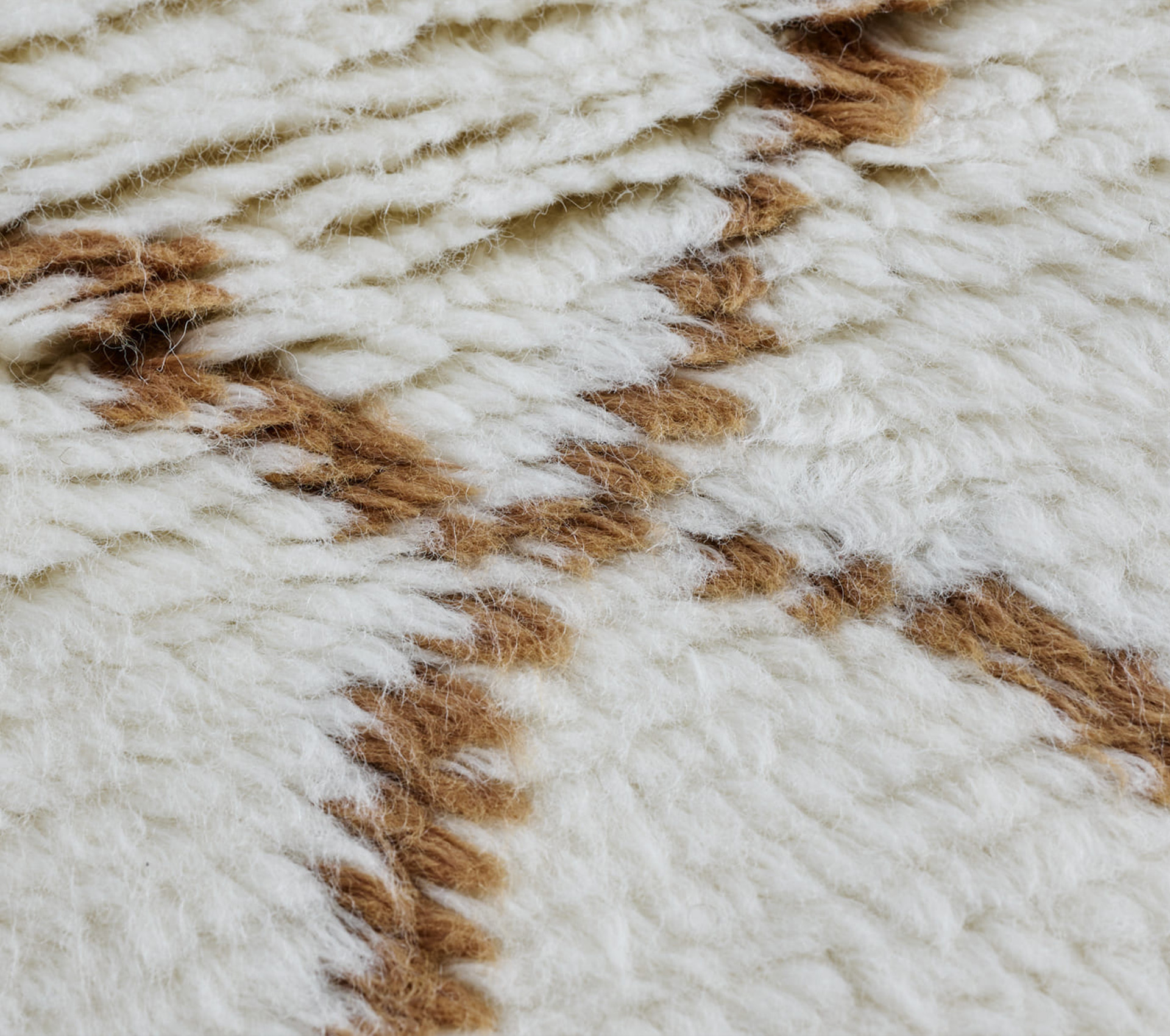
Wool from New Zealand has been going into carpets for a century, for reasons that have little to do with softness. It is strong rather than fine, it springs back when crushed, and it grows pale enough to take a colour cleanly. Three new rugs arrive in it, each one knotted by hand.
Hand-knotted in 100% New Zealand wool, in three sizes: 170 × 240, 200 × 300, and 300 × 400 cm, all in stock
Tied by Hand, Row by Row
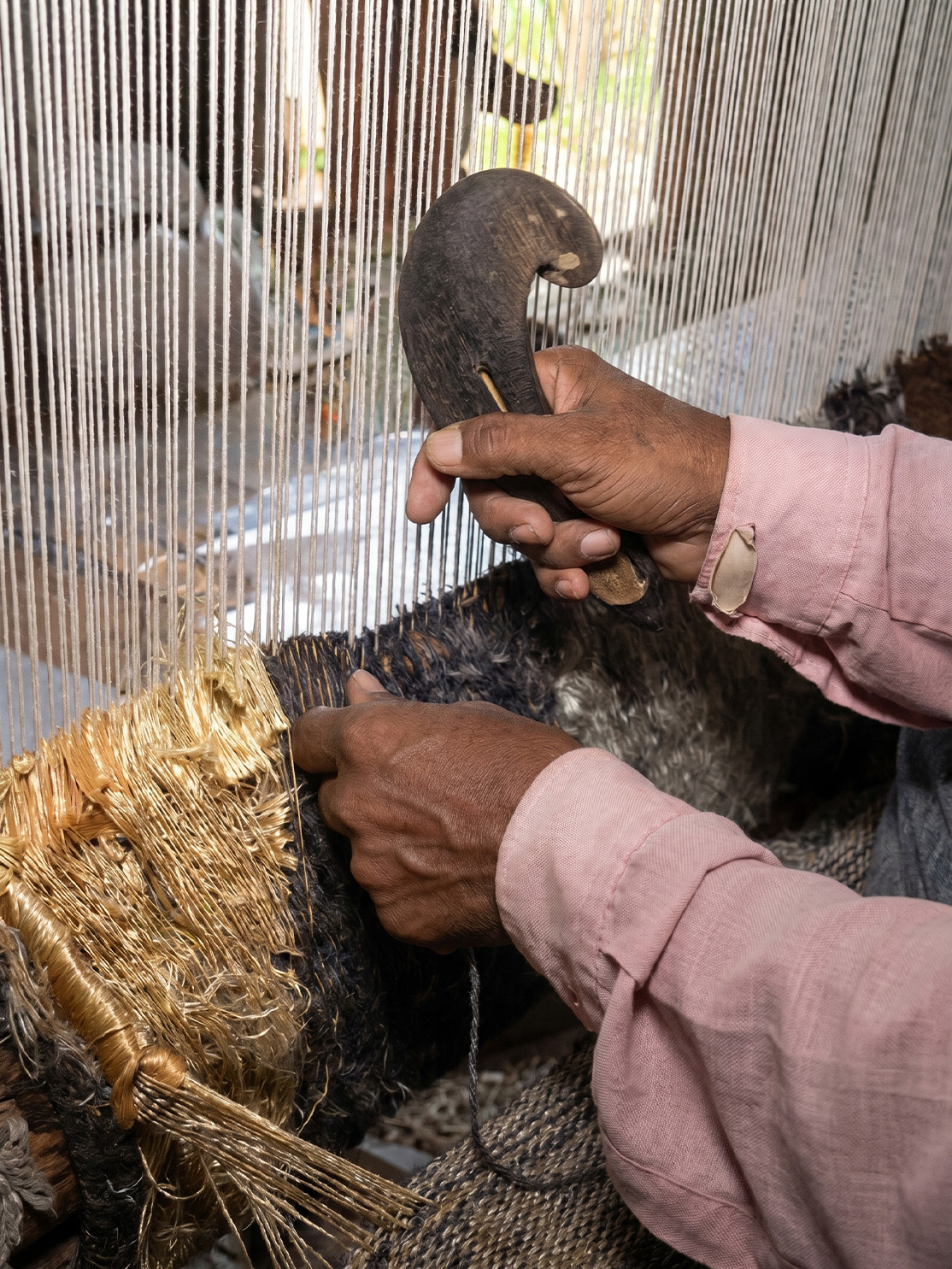
A hand-knotted rug begins on a loom: a wooden frame strung with vertical cotton threads, the warp, pulled tight between the top and bottom bars. Horizontal threads, the weft, are woven through to build the base.
The design is drawn first on graph paper, where every square stands for a single knot. Working from it, the weaver ties each knot around the warp by hand, row by row, then drives the row down against the last one with a comb-like beater until the structure is dense.
Off the loom, the rug is washed to clean the fibres and soften them, then sheared to an even pile height, stretched, and trimmed. A large rug can take months.
Where the Wool Comes From
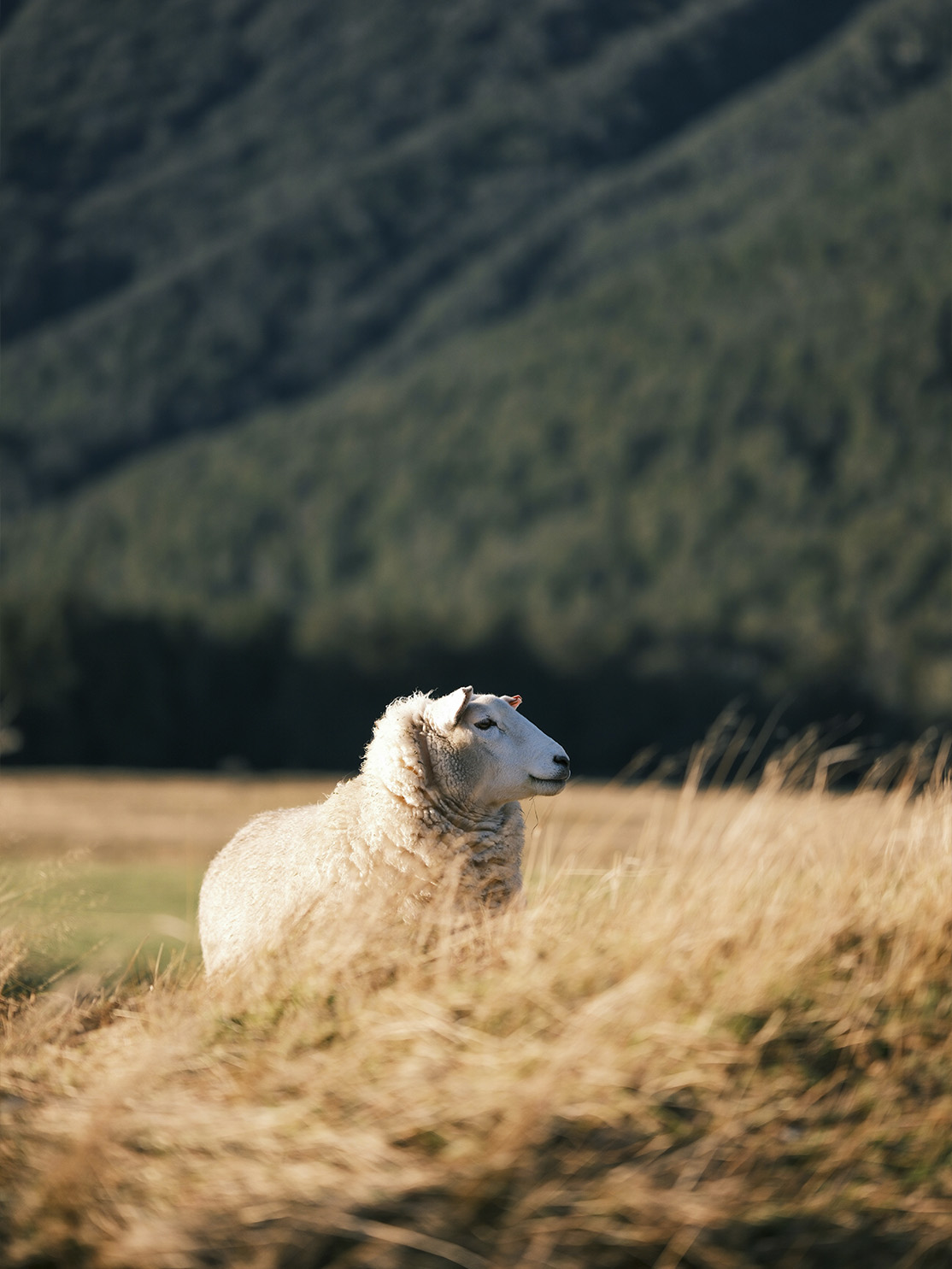
New Zealand grows wool for floors. Around half the country's clip is the heavy, long-stapled sort that goes into carpets rather than clothing, and a century of breeding, pasture, and climate has been pointed at that one end. It is wool with a job: thick enough to take a household walking over it, springy enough that the pile comes back up after every step.
What makes it worth shipping across the world is the colour it starts at. Fleece off hard country comes up yellow, and yellow wool will only ever take a dark dye. New Zealand fleece is white, so it takes any colour and holds it true: the cream ground of the Ourain stays cream rather than drifting towards beige, and a single caramel runs the length of the Inca Gold without going muddy.
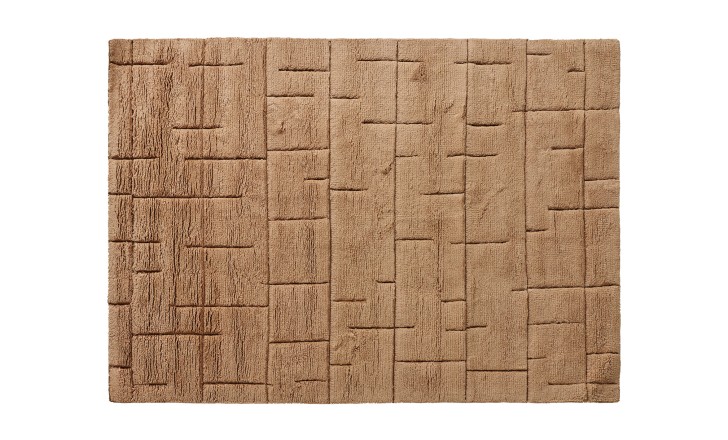
Inca Gold
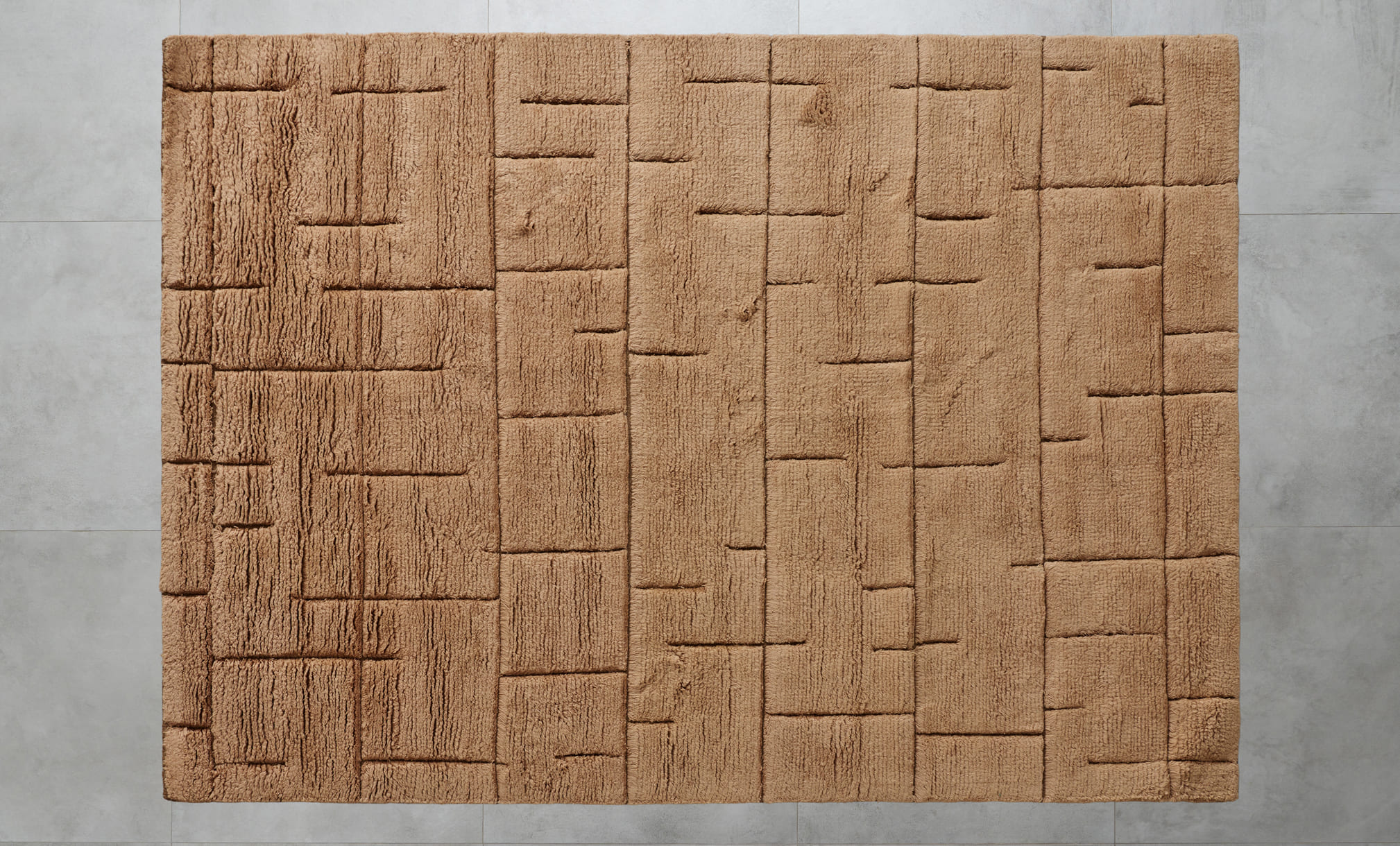
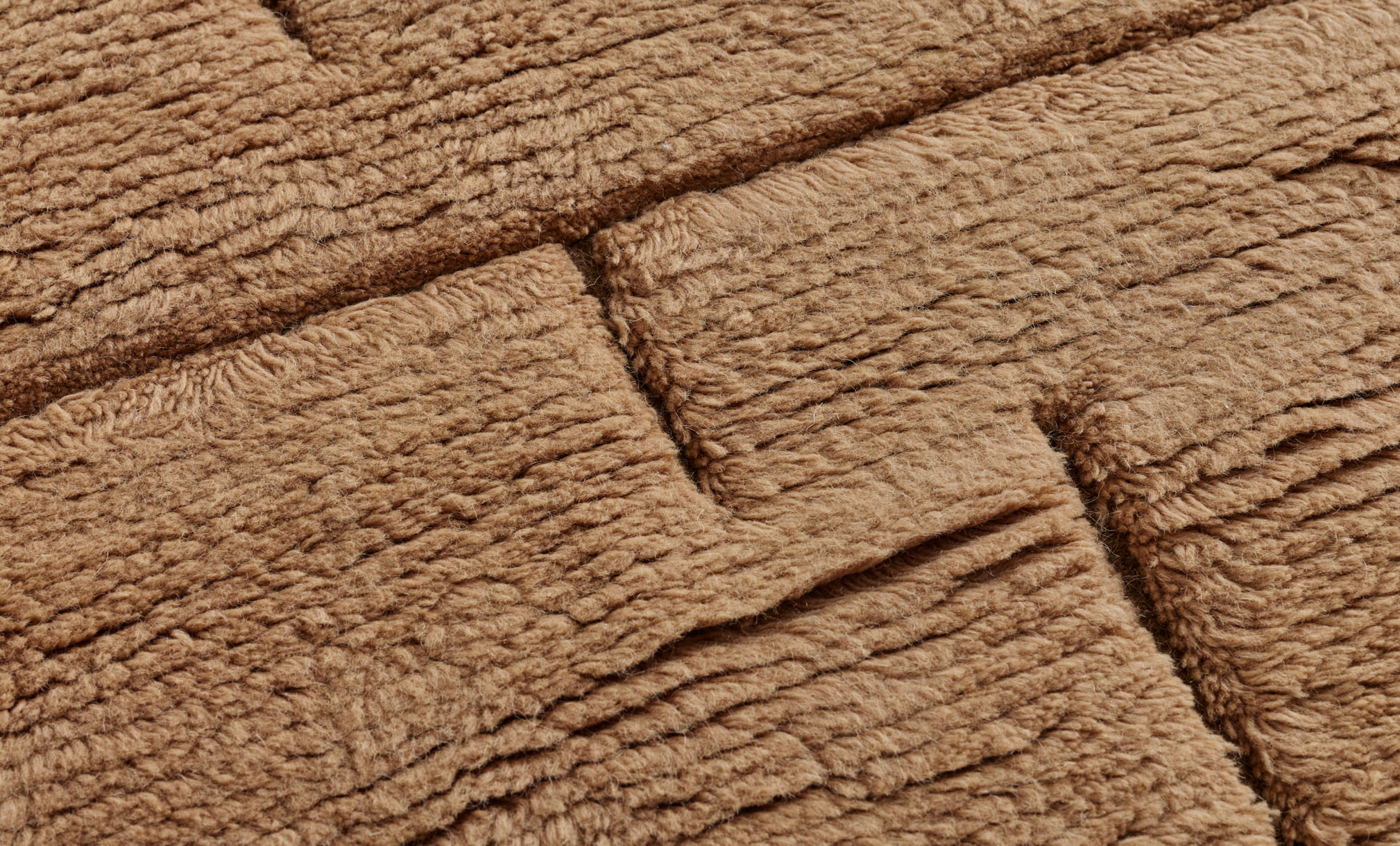
A single caramel tone, worked in relief. There is no second colour: the pattern is cut into the pile, so the surface reads as courses of masonry, irregular blocks fitted tight against one another. The reference is dry-stone walling, which is where the name points, and the effect depends on the light rather than on dye. Move around it and the carved lines shift from shadow to nothing.
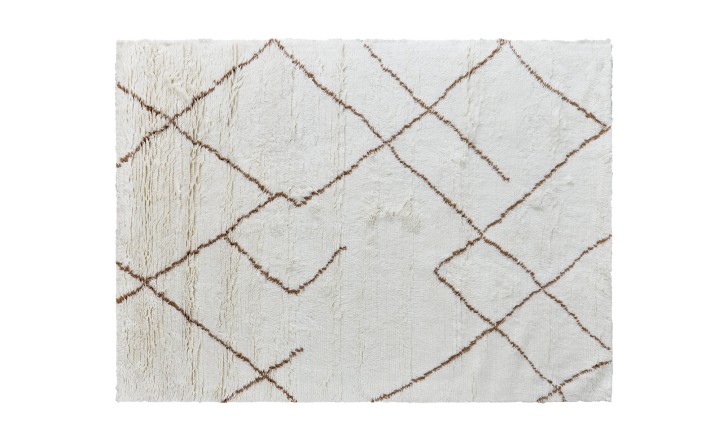
Ourain
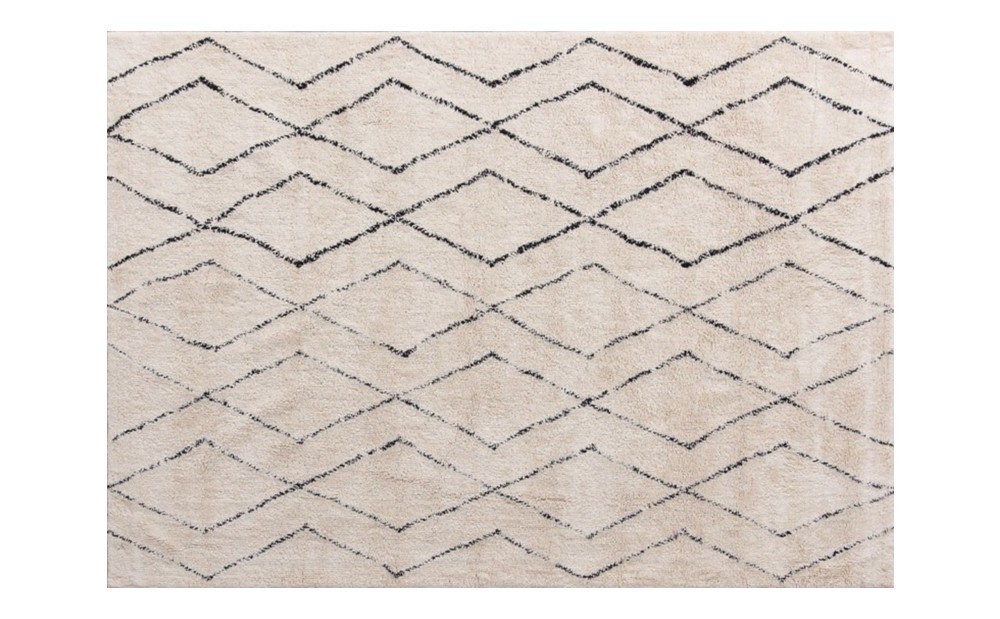
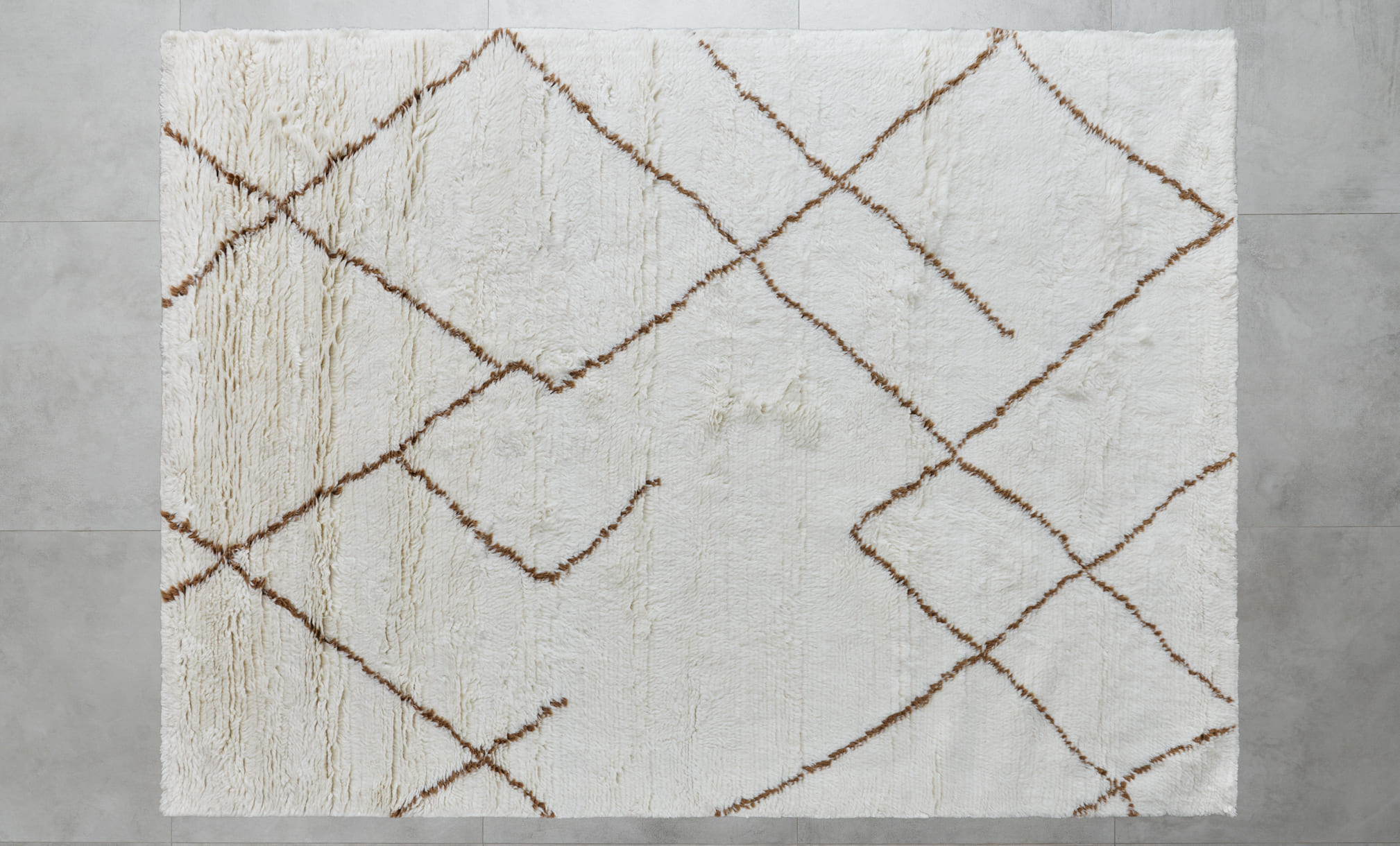
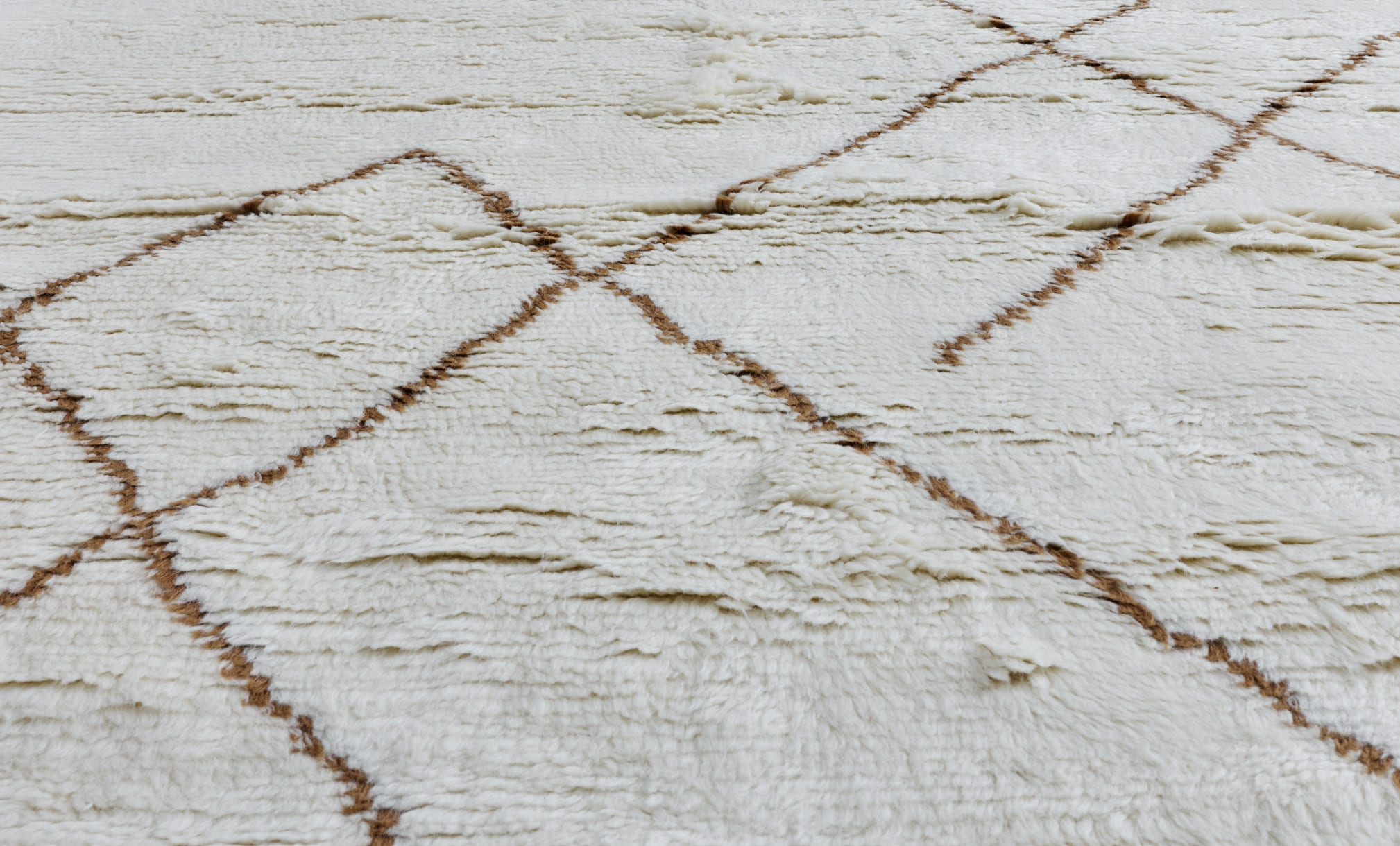
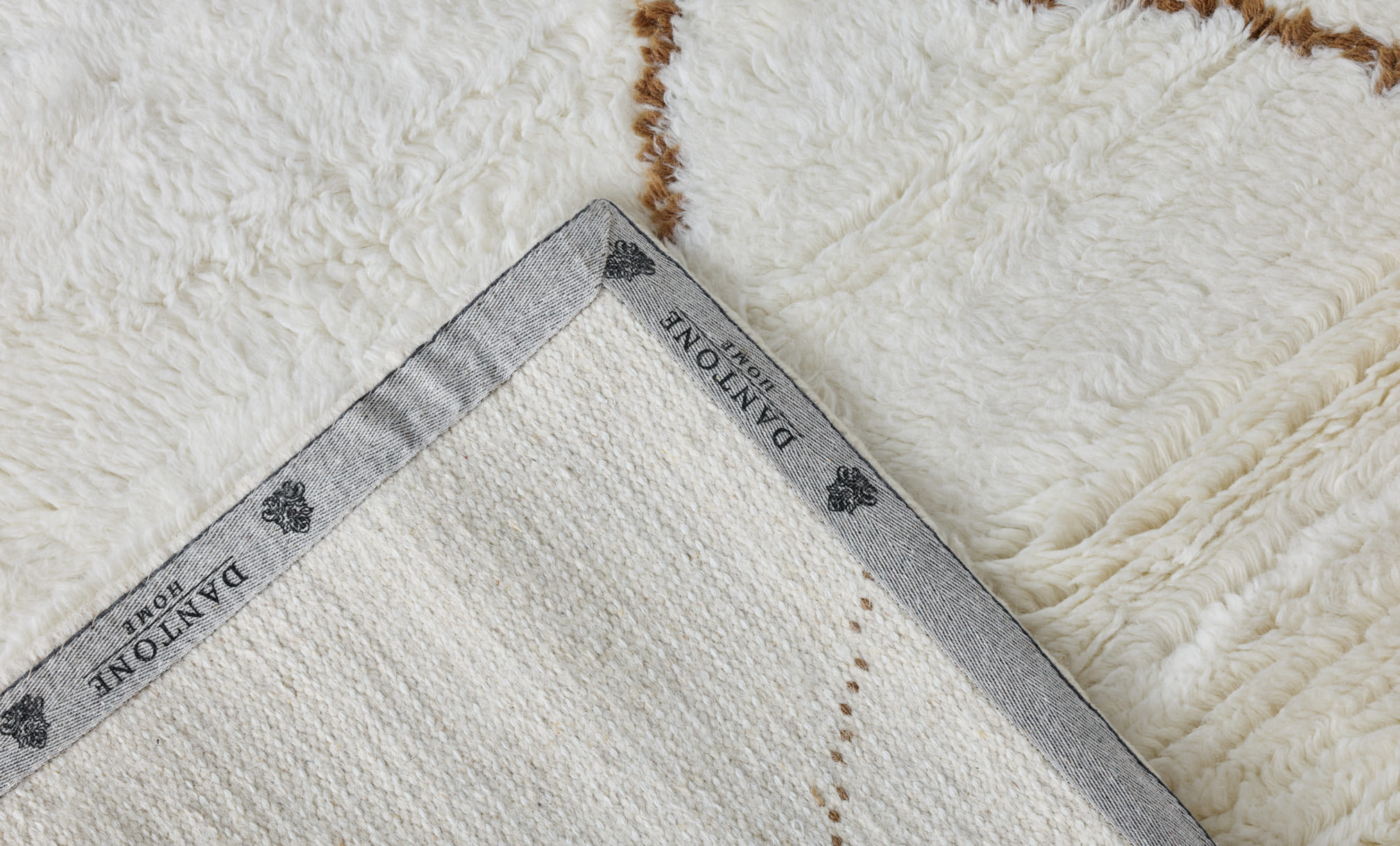
Cream ground, brown lattice, drawn in a loose diamond that never quite repeats. The name points to the Beni Ourain rugs of the Middle Atlas, where the pattern was never a print but a record of the weaver's hand, and the lines wander accordingly. The pile is the deepest of the three, at 1 cm, and the ground is pale enough to lift a dark room.
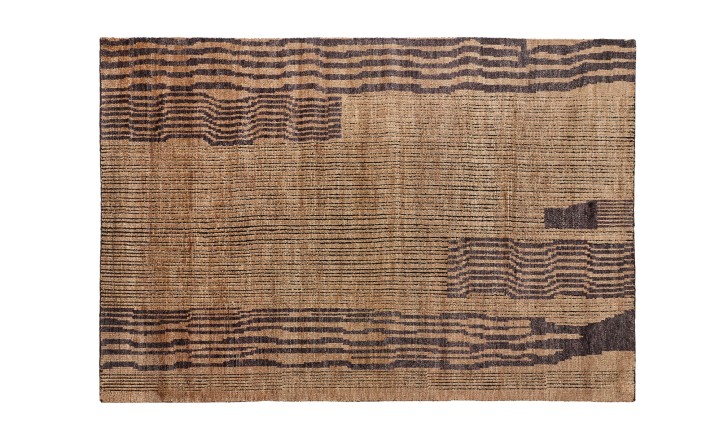
Riffle
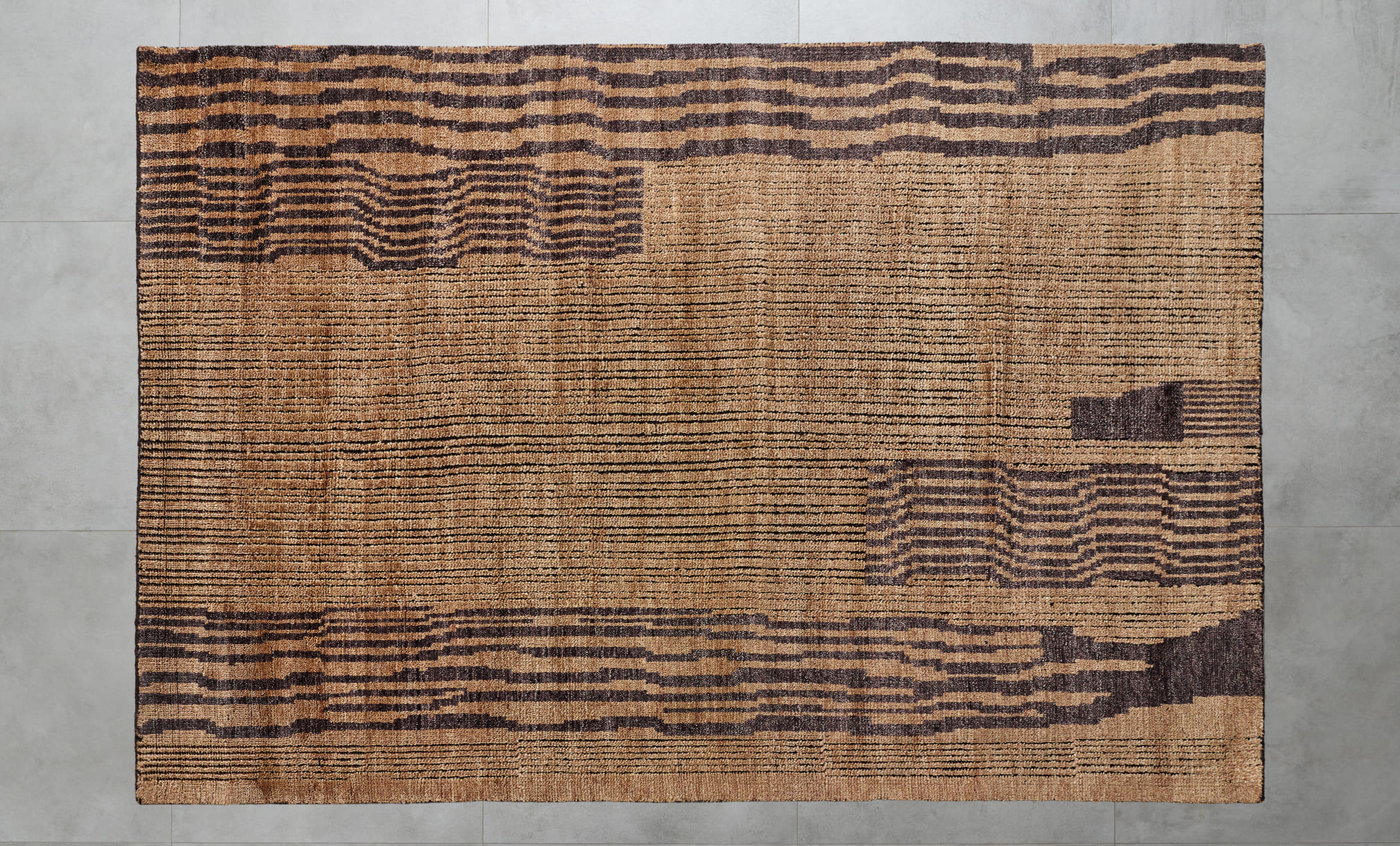
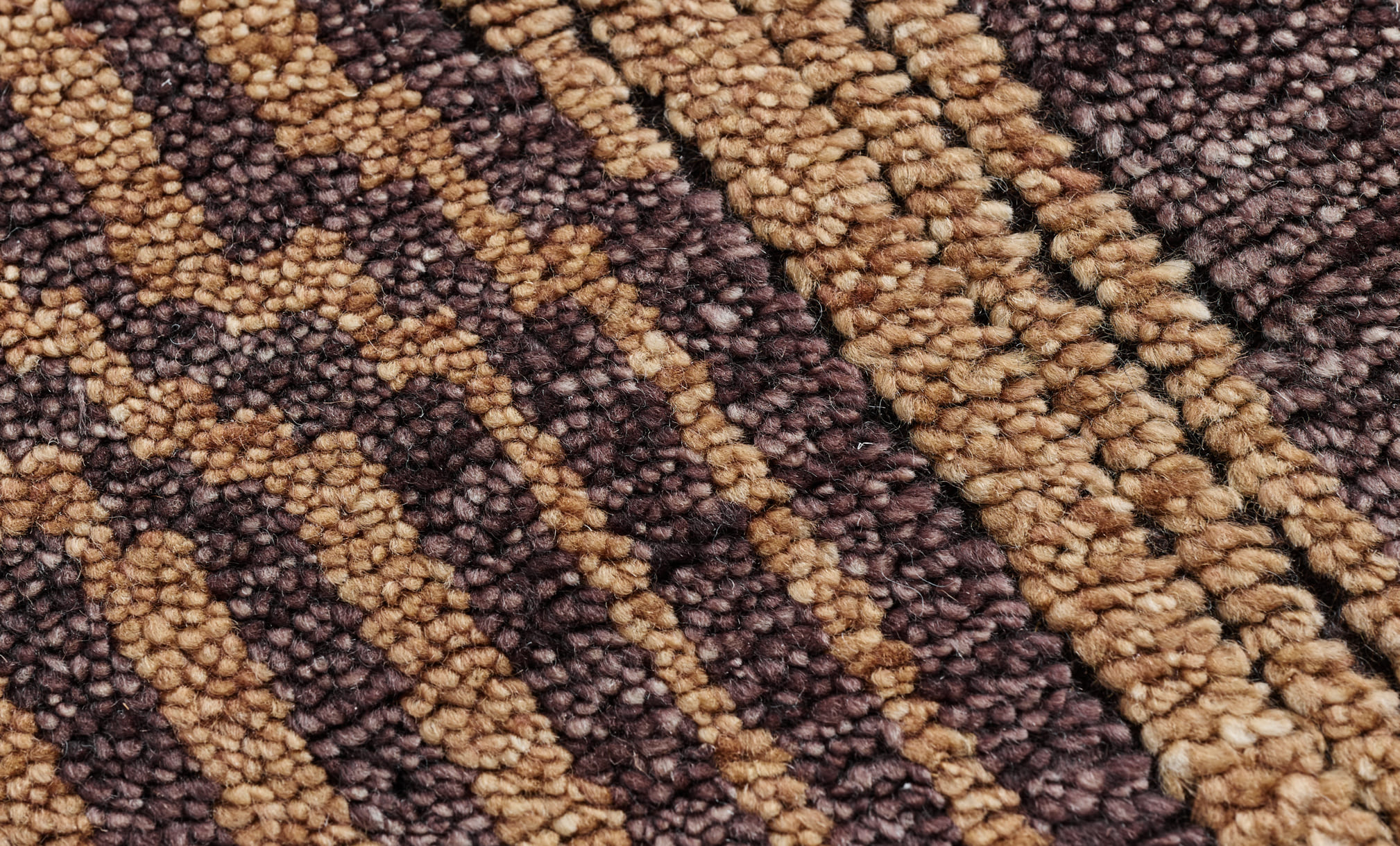
Bands of charcoal broken across a tan ground, gathering in some places and thinning in others. The pattern recalls water moving over a shallow bed, or the grain in a cut plank: horizontal, rhythmic, never quite even. The pile is the shortest here, at 0.5 cm, so it sits flatter underfoot and holds the pattern crisply. A rug for a room that has enough going on and wants texture rather than another colour.
Practical Notes


Underfoot, in a Tiled House
Floors here are usually hard: tile, marble, or porcelain, which is the sensible answer to the climate and a bright, unforgiving surface to live on. The room stays cool and the sound stays with it: footsteps carry, voices bounce, and nothing invites anyone to sit down.
A wool rug settles all of that. It absorbs the noise, warms the surface enough that the floor becomes a place to sit, and gives children, films, and long evenings somewhere to happen. In a room that is mostly hard edges, it is the one thing that gives.
See all three at the showrooms, or browse the full range of rugs
Items
All products