





The Modern Majlis: Seating, Tables, and Light
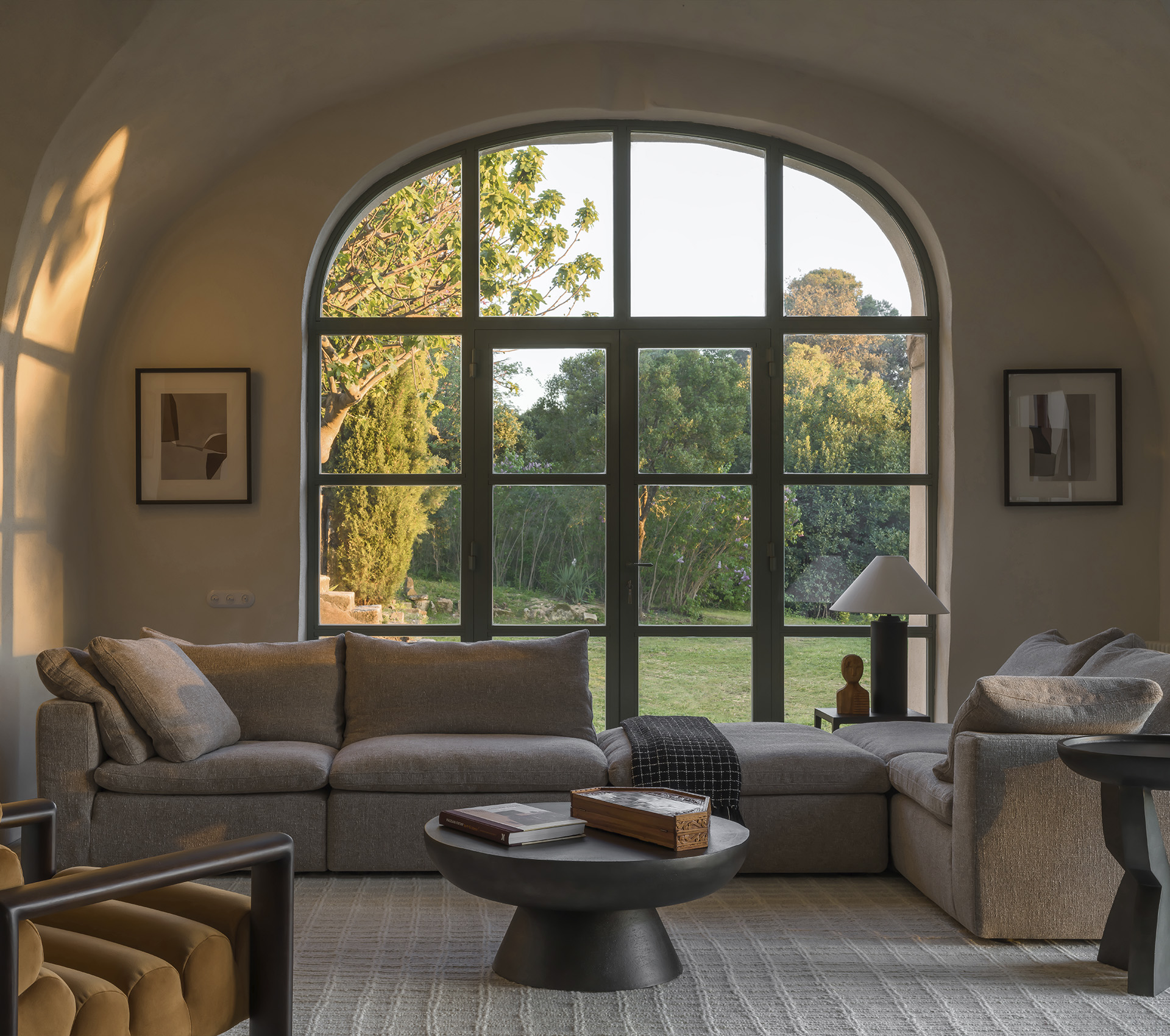
A majlis is arranged the way a conversation works. The seating runs along the walls rather than around a central table, so everyone faces everyone, and no one sits above anyone else. That arrangement is the part worth keeping. What has changed is the furniture: it no longer has to be built in, low, and lined in heavy traditional fabric to do the same job. A contemporary majlis can hold the same welcome in lighter forms and quieter colours. Three things carry most of the work.
1. Seating That Follows the Walls
The perimeter is the whole idea. Seating along the walls, open in the middle, lets a room hold ten people or thirty without anyone stranded outside the group, and keeps the floor clear for coffee to be carried round.
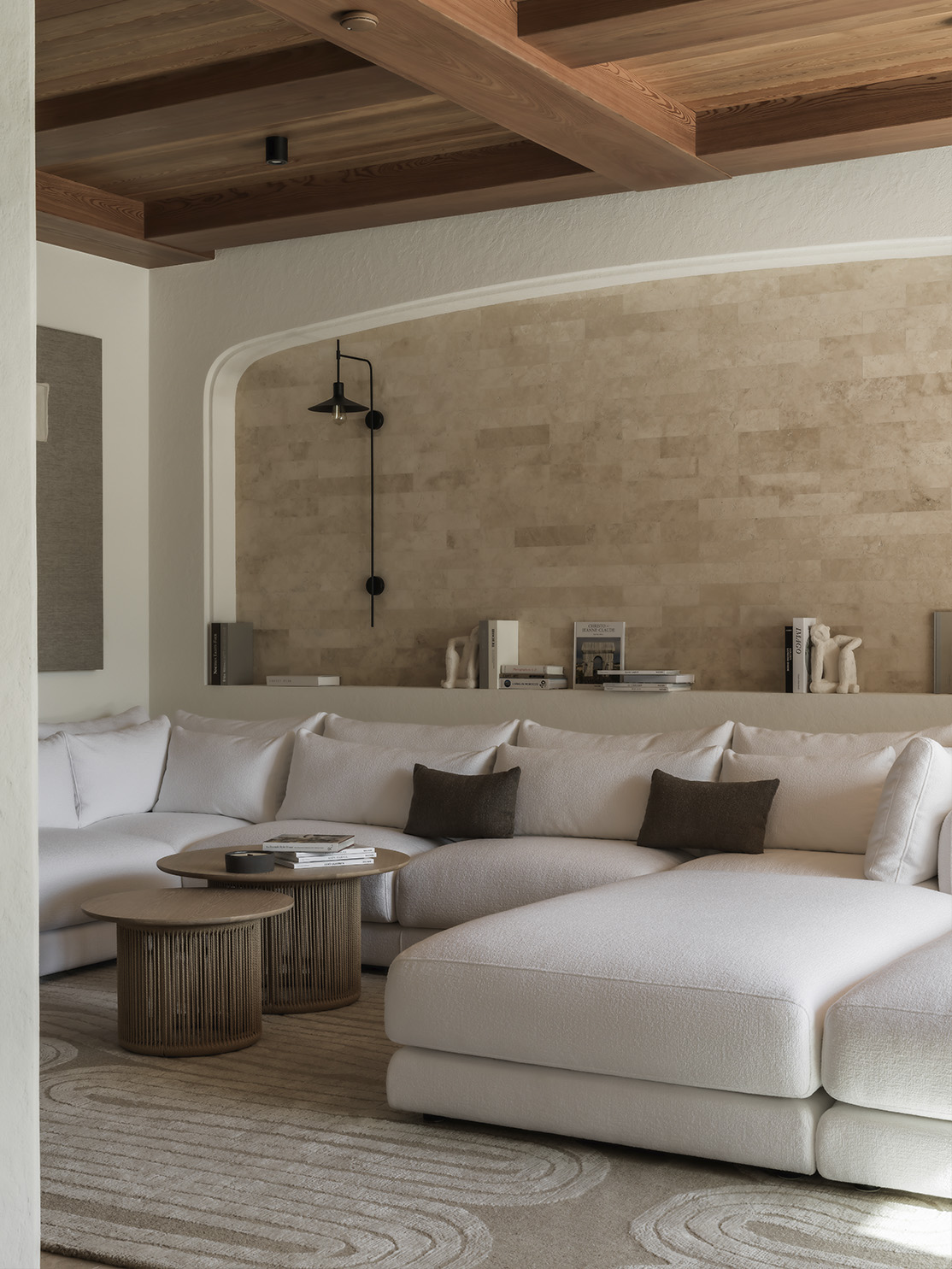
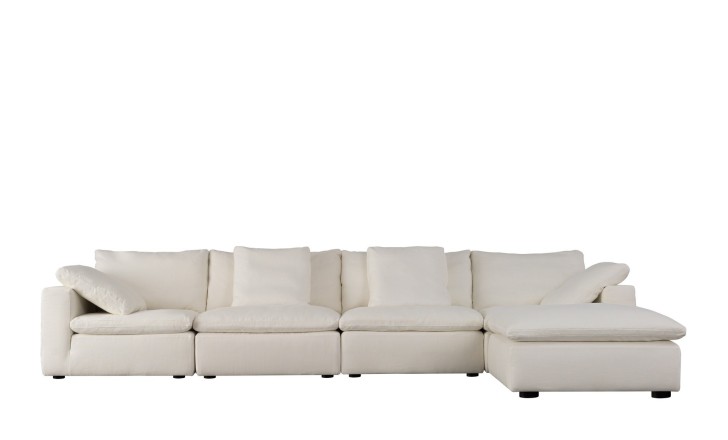
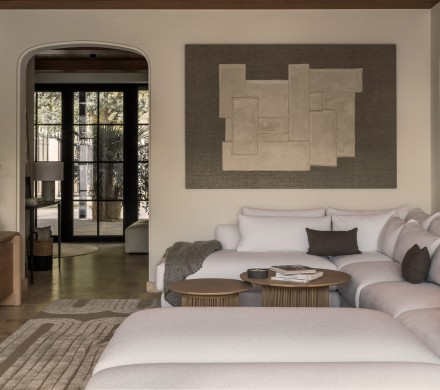
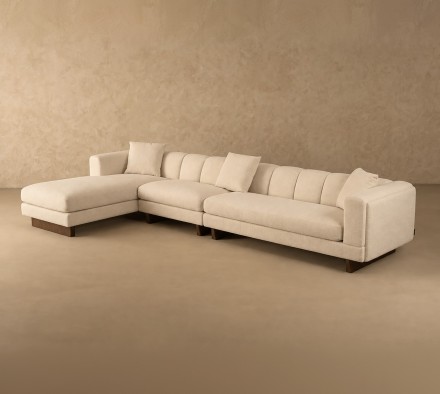
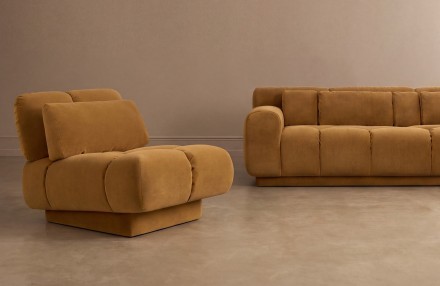
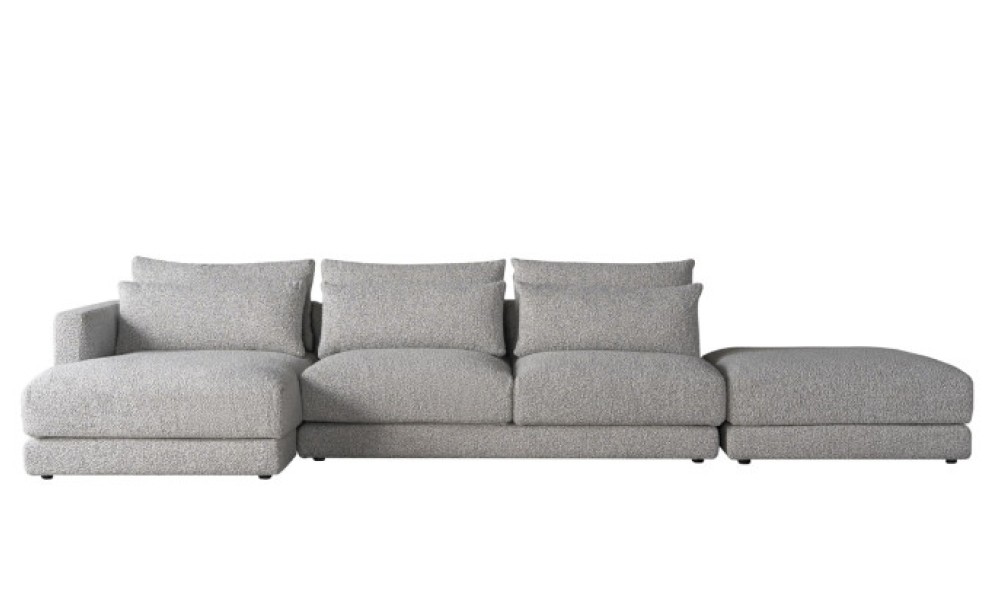
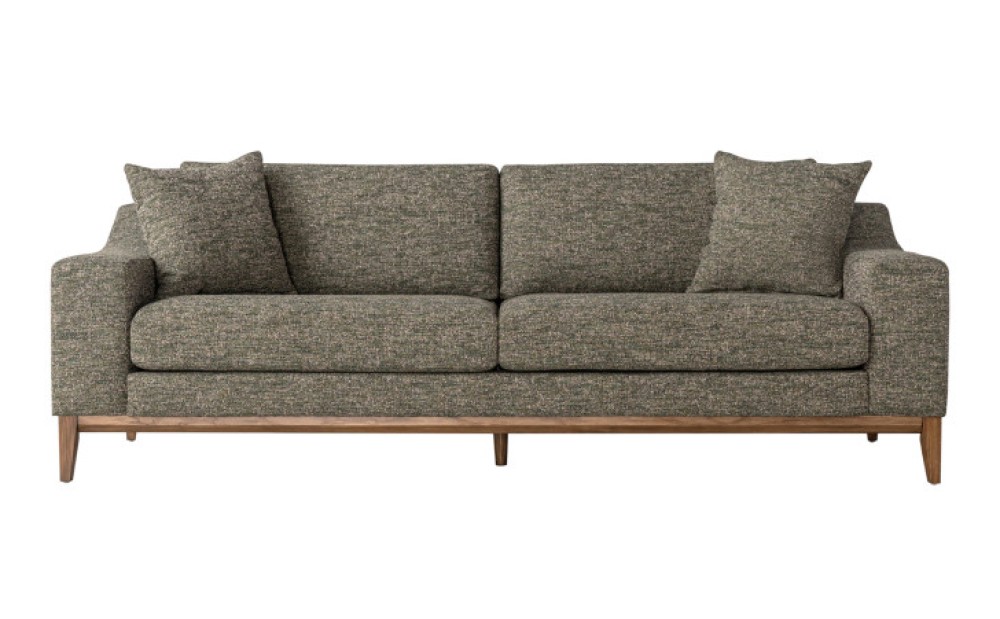
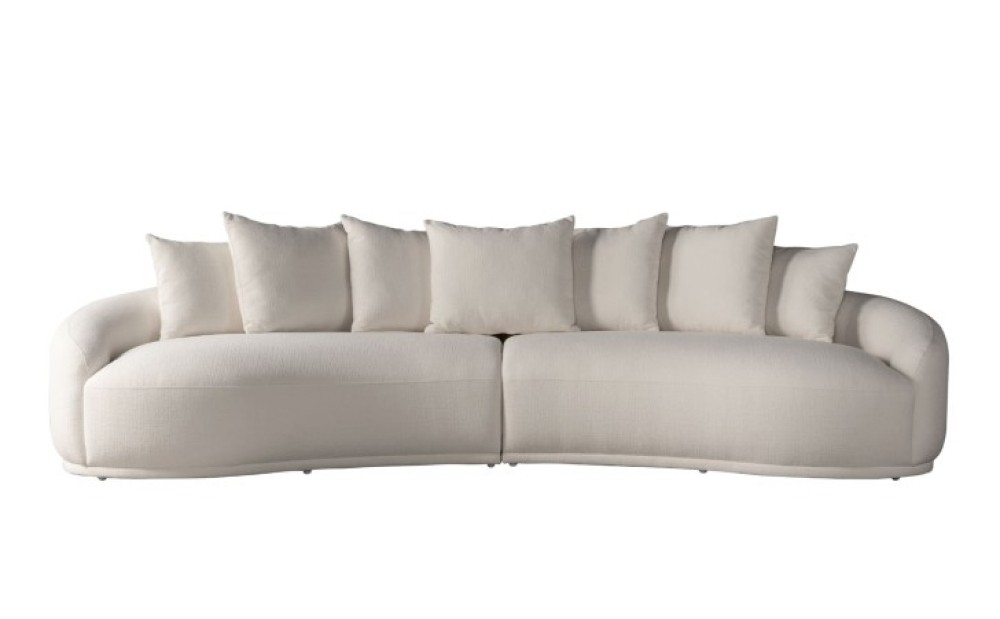
A modular sofa is the most direct way to build it. Because it comes in sections, it can turn a corner, run the length of a wall, or wrap three sides of a room, and it can be added to as the family or the house grows. Run continuously it reads as a modern diwan; a room does not need a matching suite to feel composed.
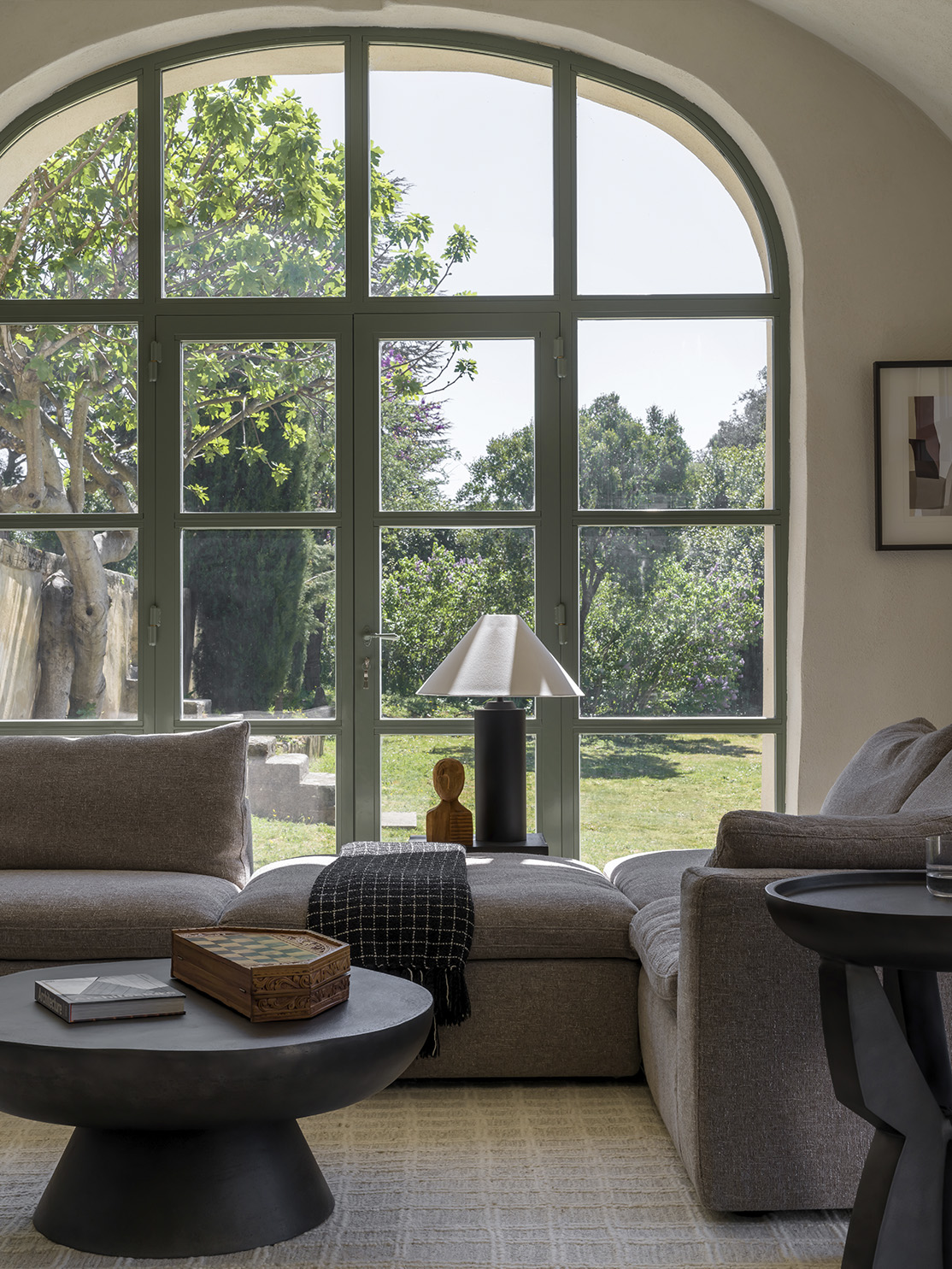
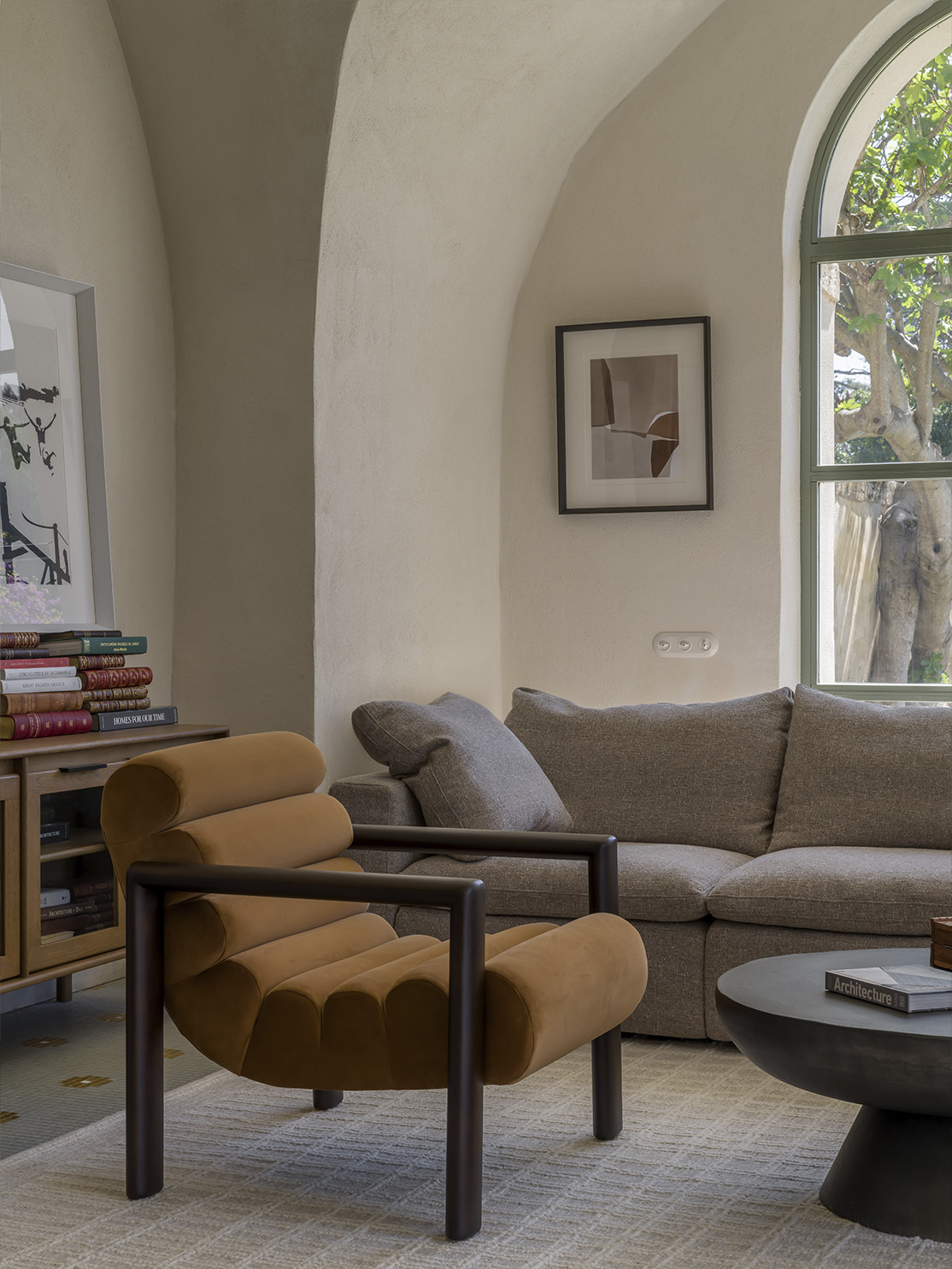
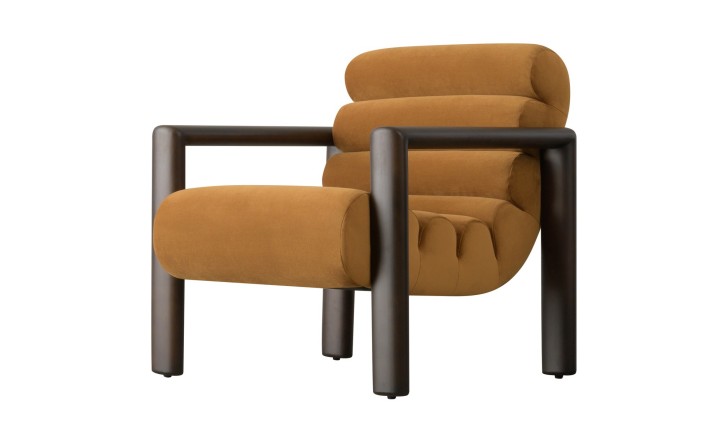
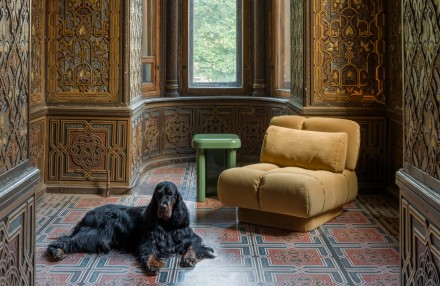
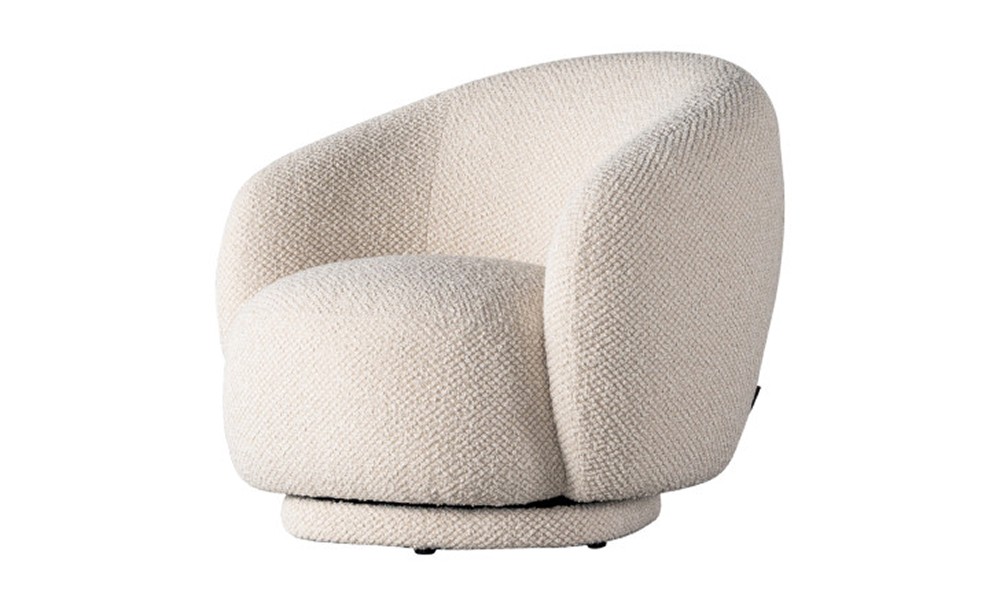
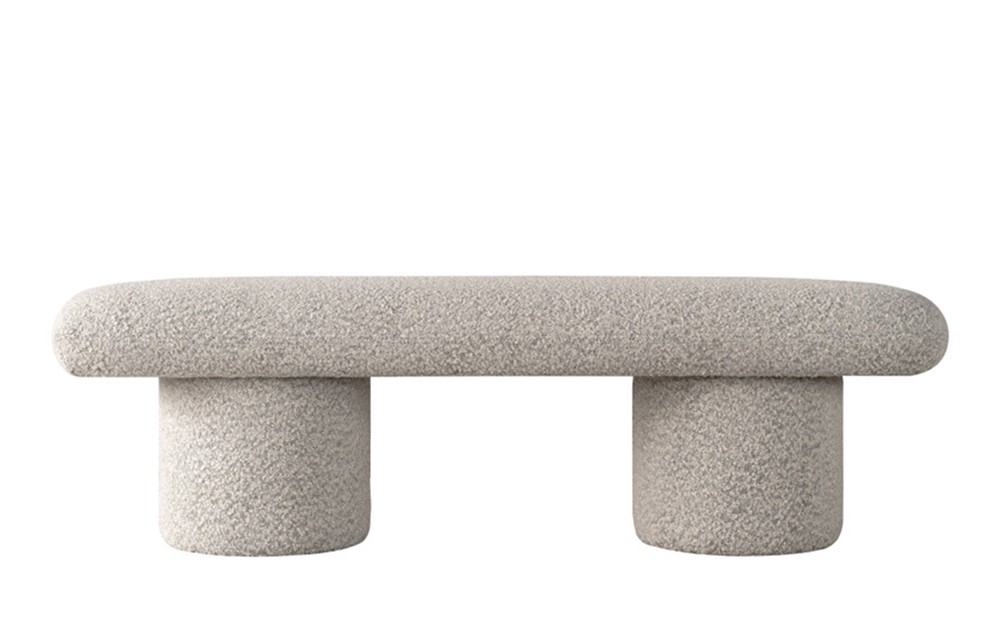
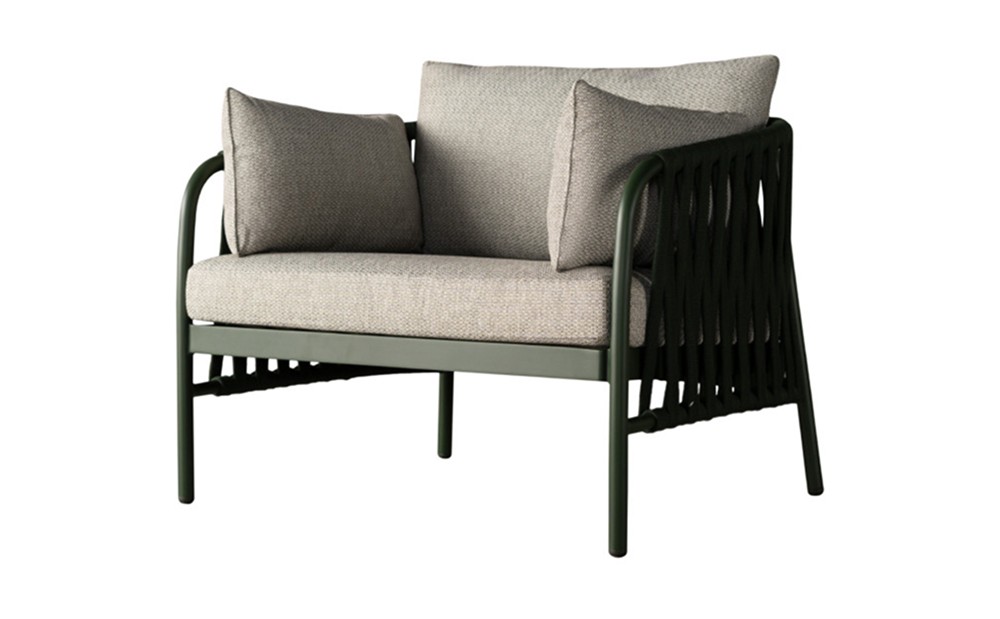
What keeps it from looking like a showroom line-up is variety at a single height. Armchairs of the same seat height as the sofa, set at the open end, and large ottomans that can be pulled into the middle when the room fills, break the run without breaking the line. The common height matters beyond looks: seating on one level is the old courtesy of the majlis, where no guest is raised above another.
2. Tables Within Reach
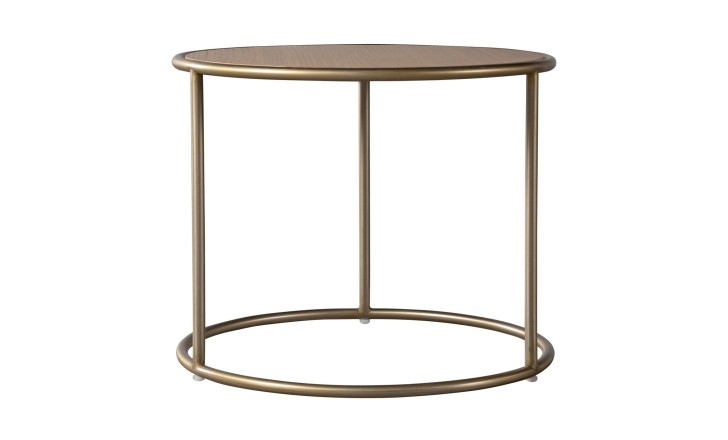
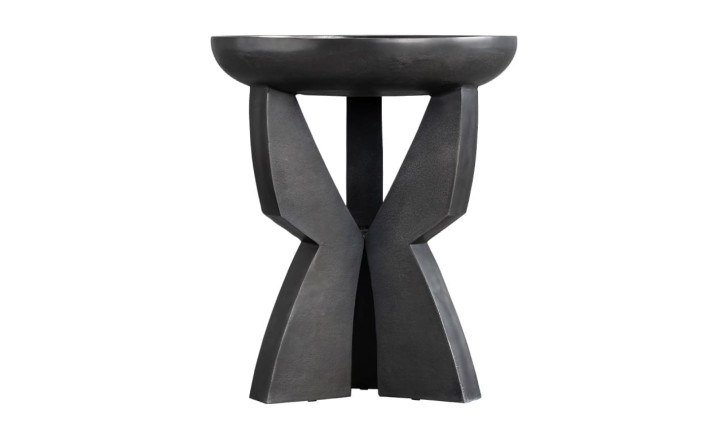
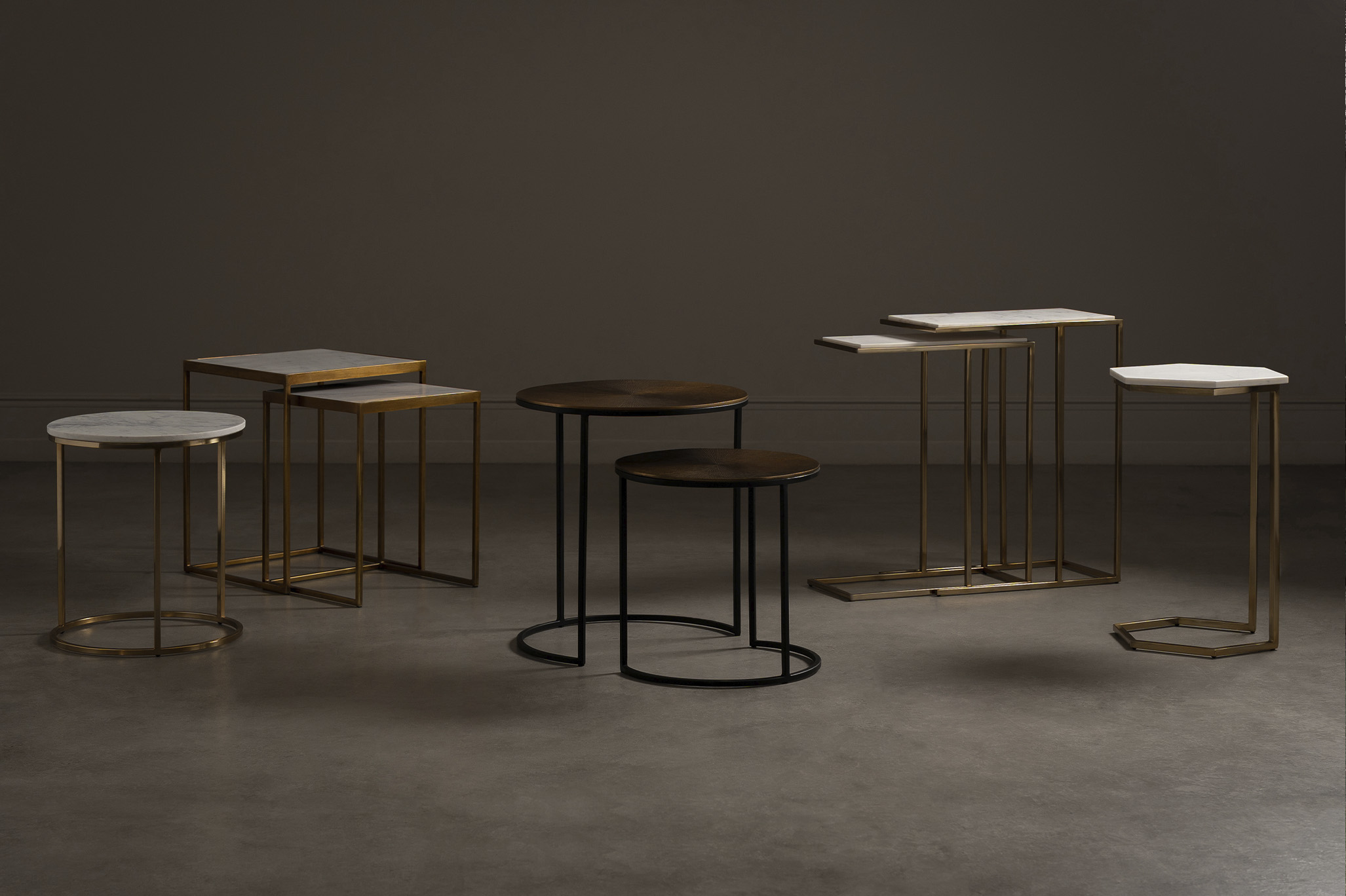
If the seating lines the walls, everyone needs a surface within reach, and one low table in the centre leaves half the room getting up to use it.
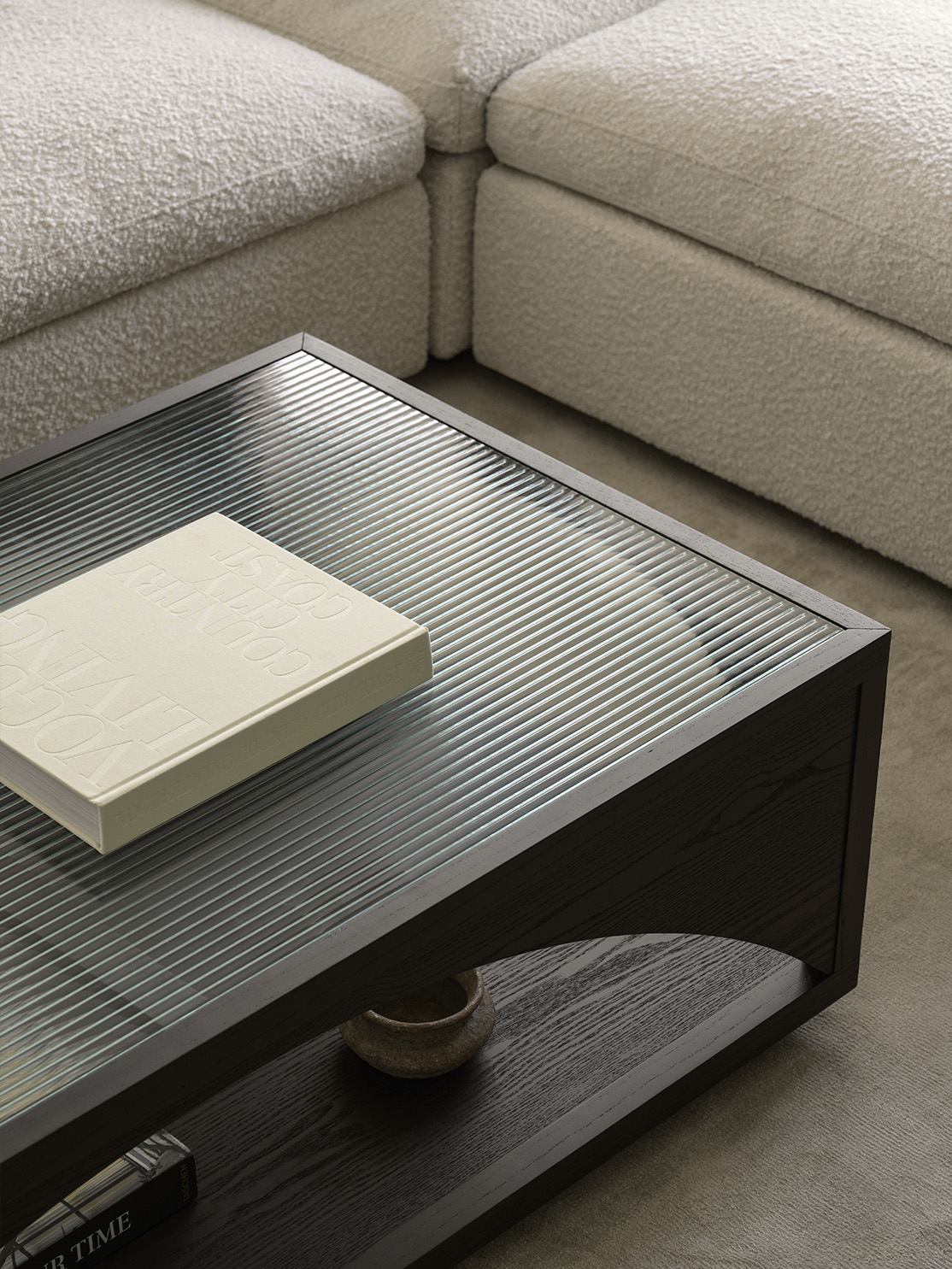
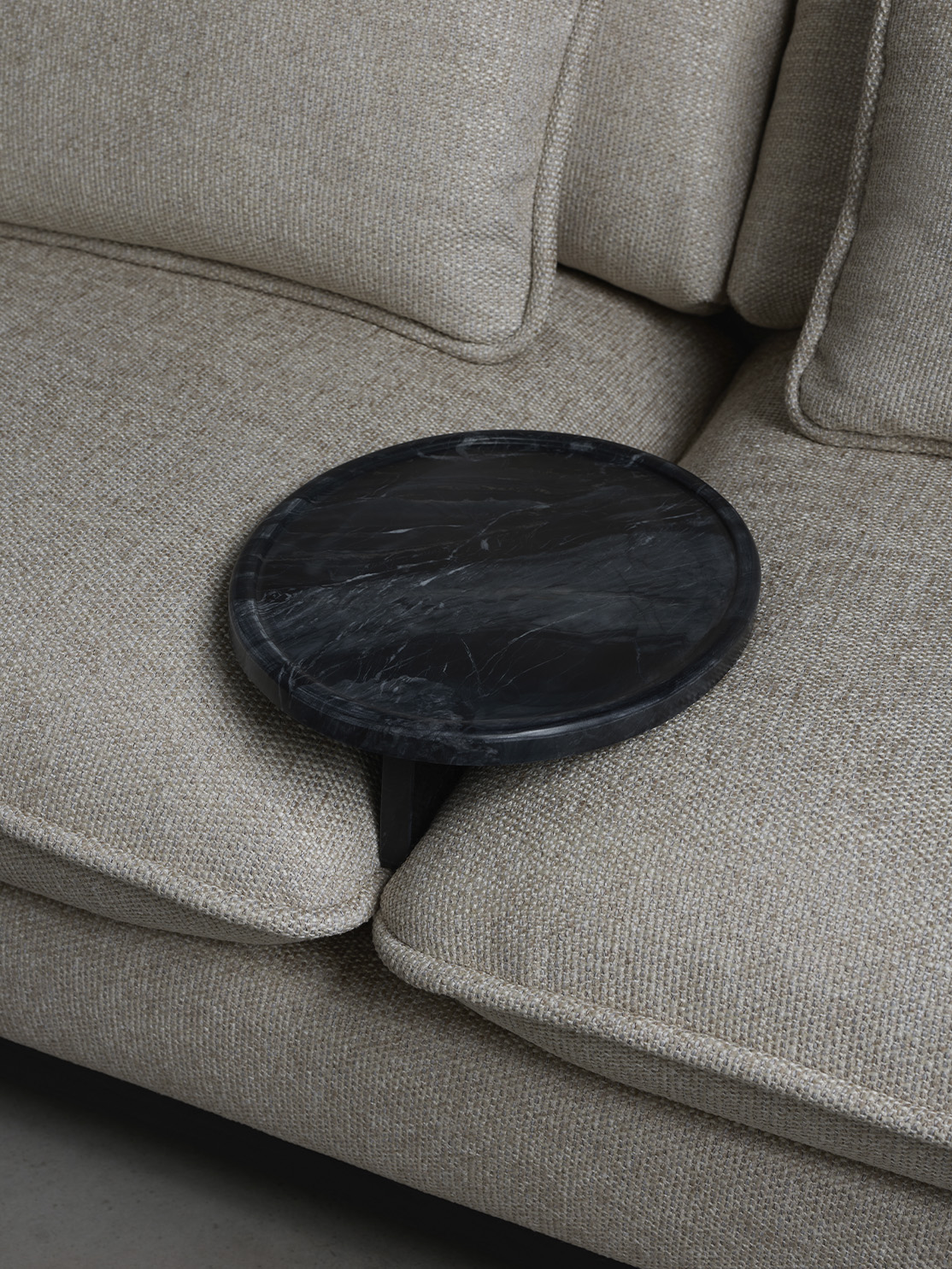
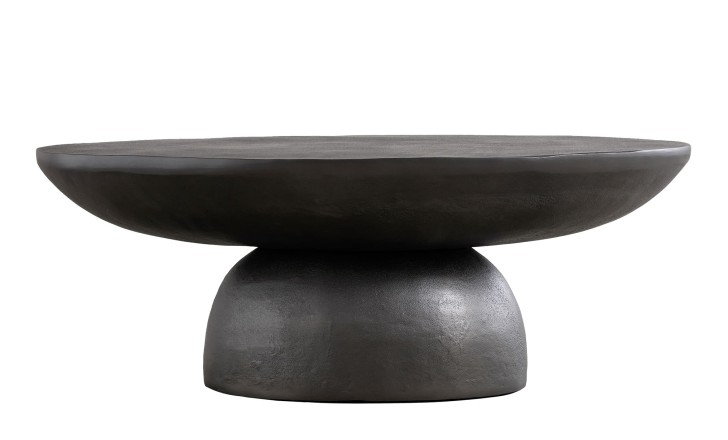
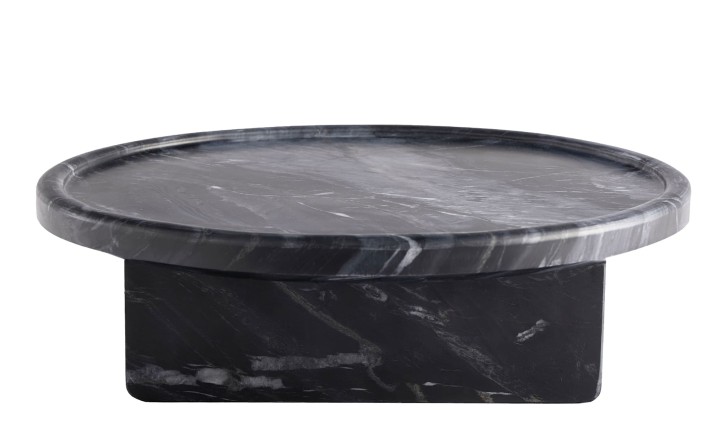
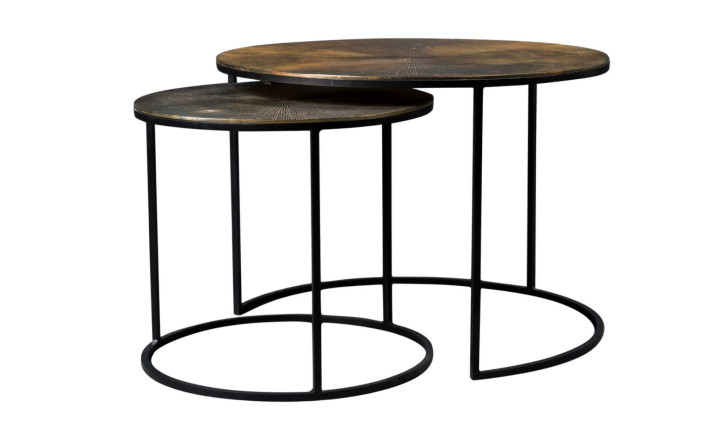
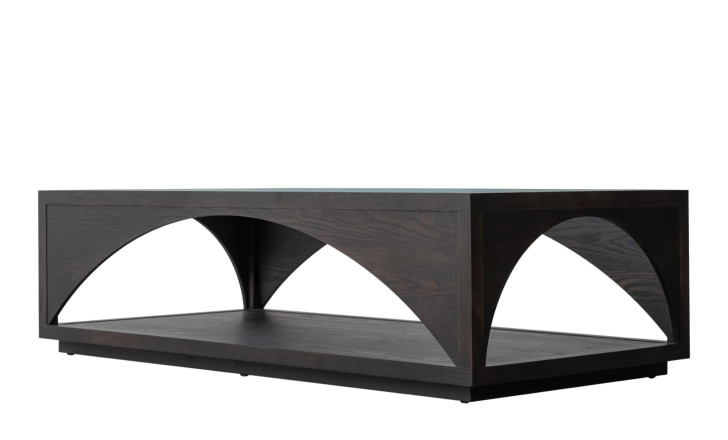
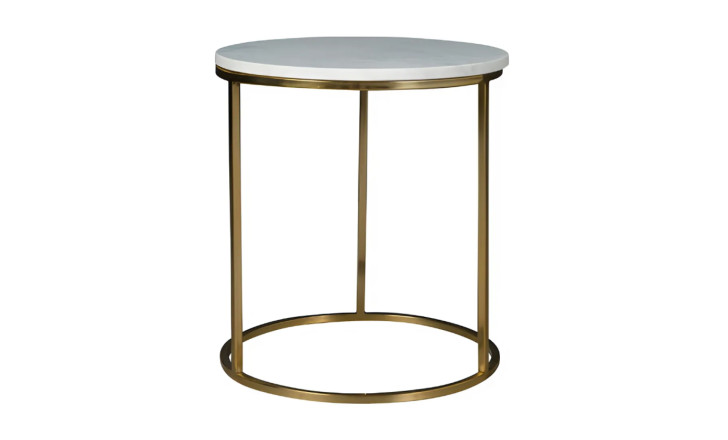
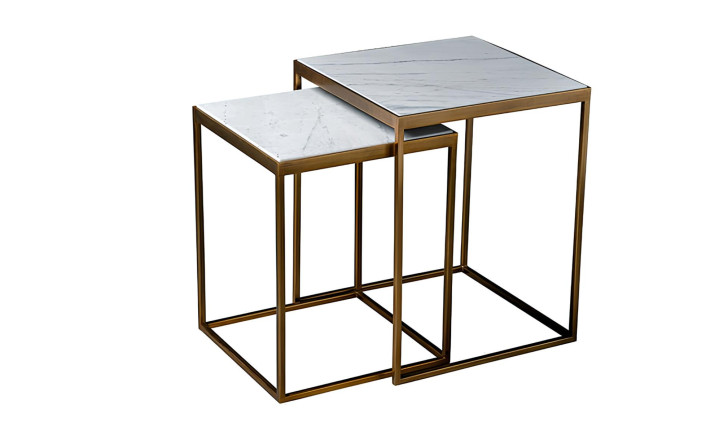
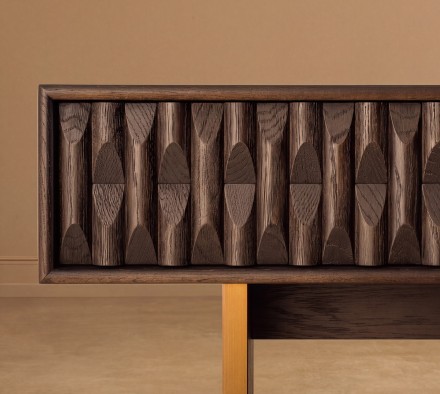
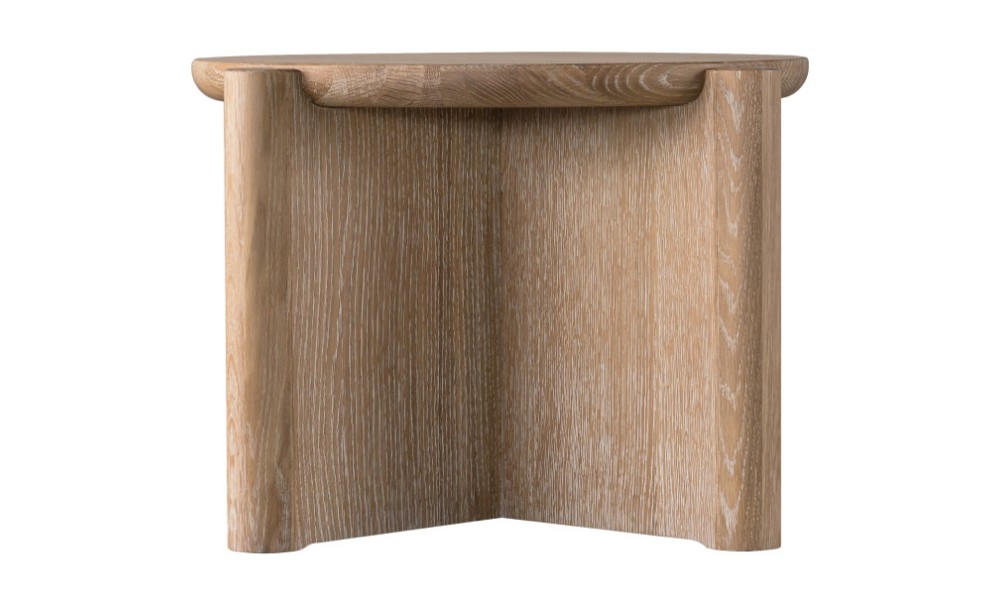
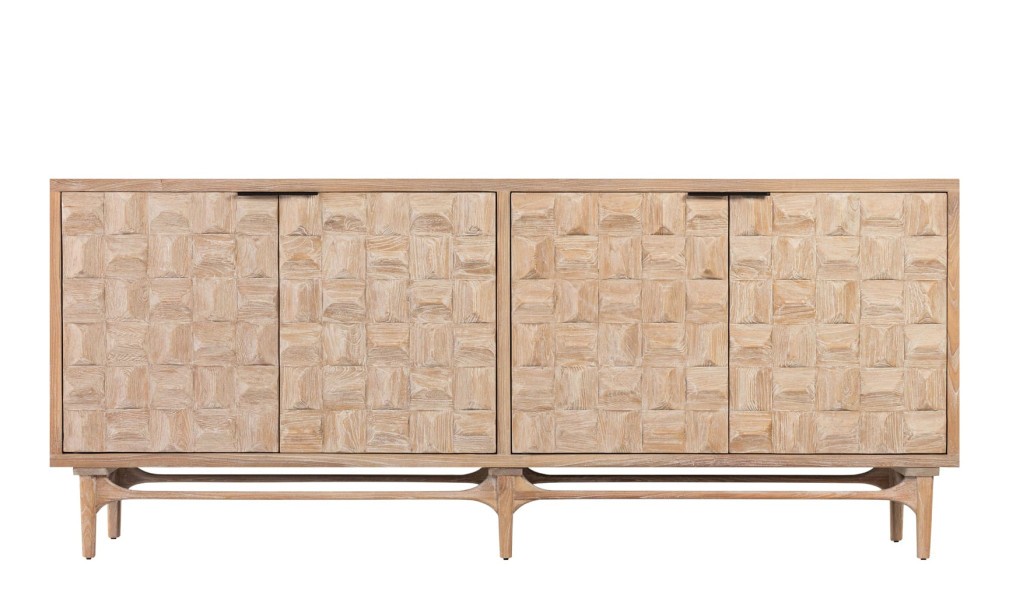
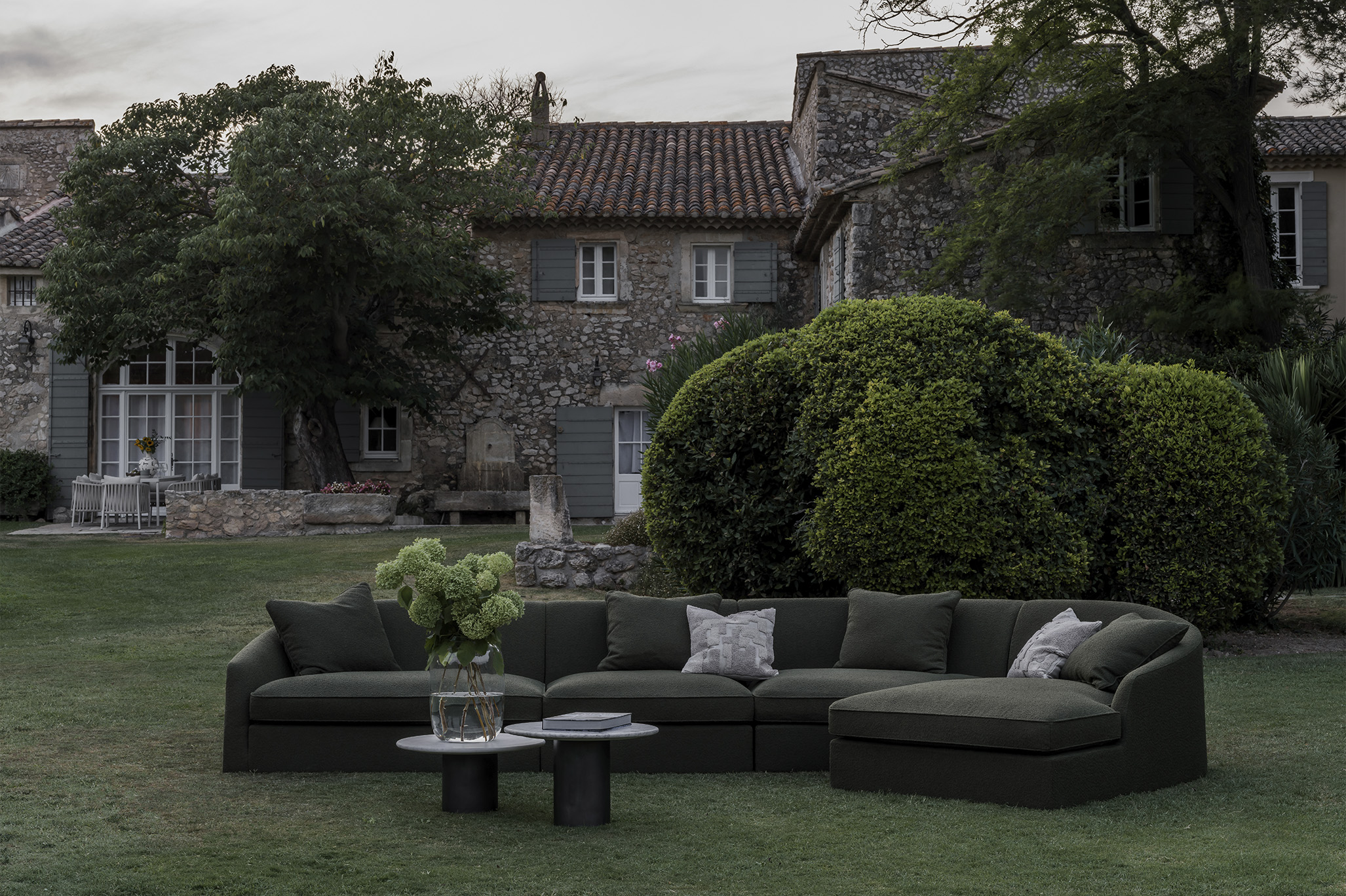
Two approaches work together. Coffee tables used in pairs, rather than a single large one, sit better in a long room and give both ends of the seating somewhere to set down a cup. And for the seating itself, a table sized to slot between two sofa sections stays where it is needed: a permanent place for coffee, dates, or a phone, without anything being carried over or shifted each time a guest arrives. It is a small
3. Light That Comes Down to the Room
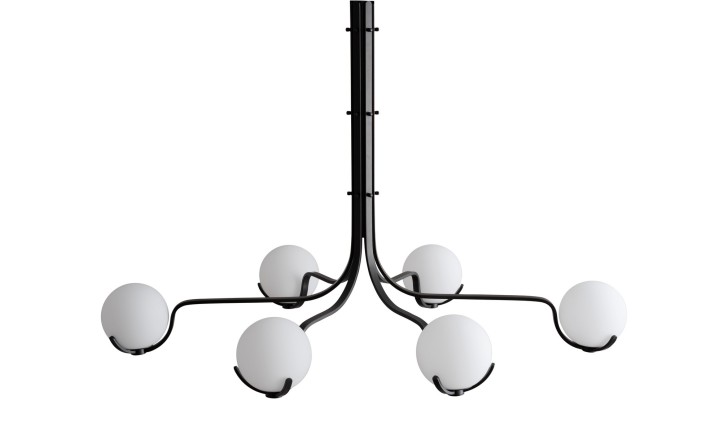
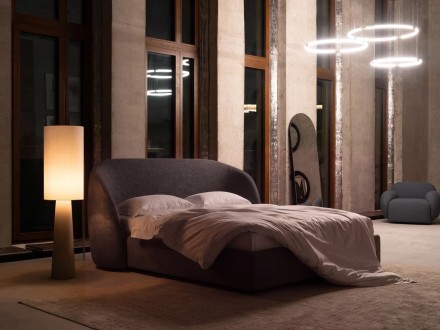
The ceiling light sets the brightness for the whole room, which is rarely the light a gathering wants. A majlis is used in the evening, and the evening asks for something lower and warmer.
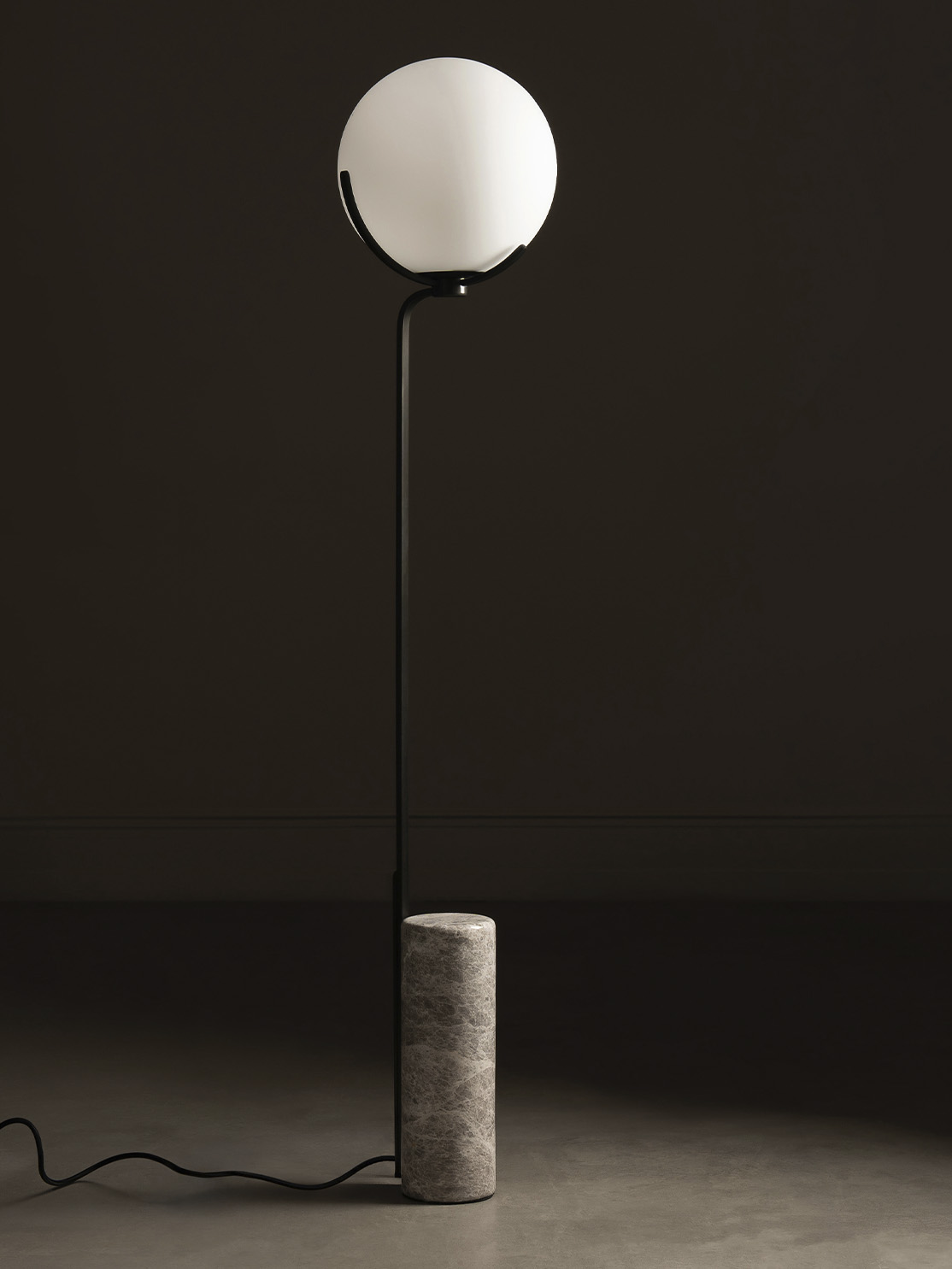
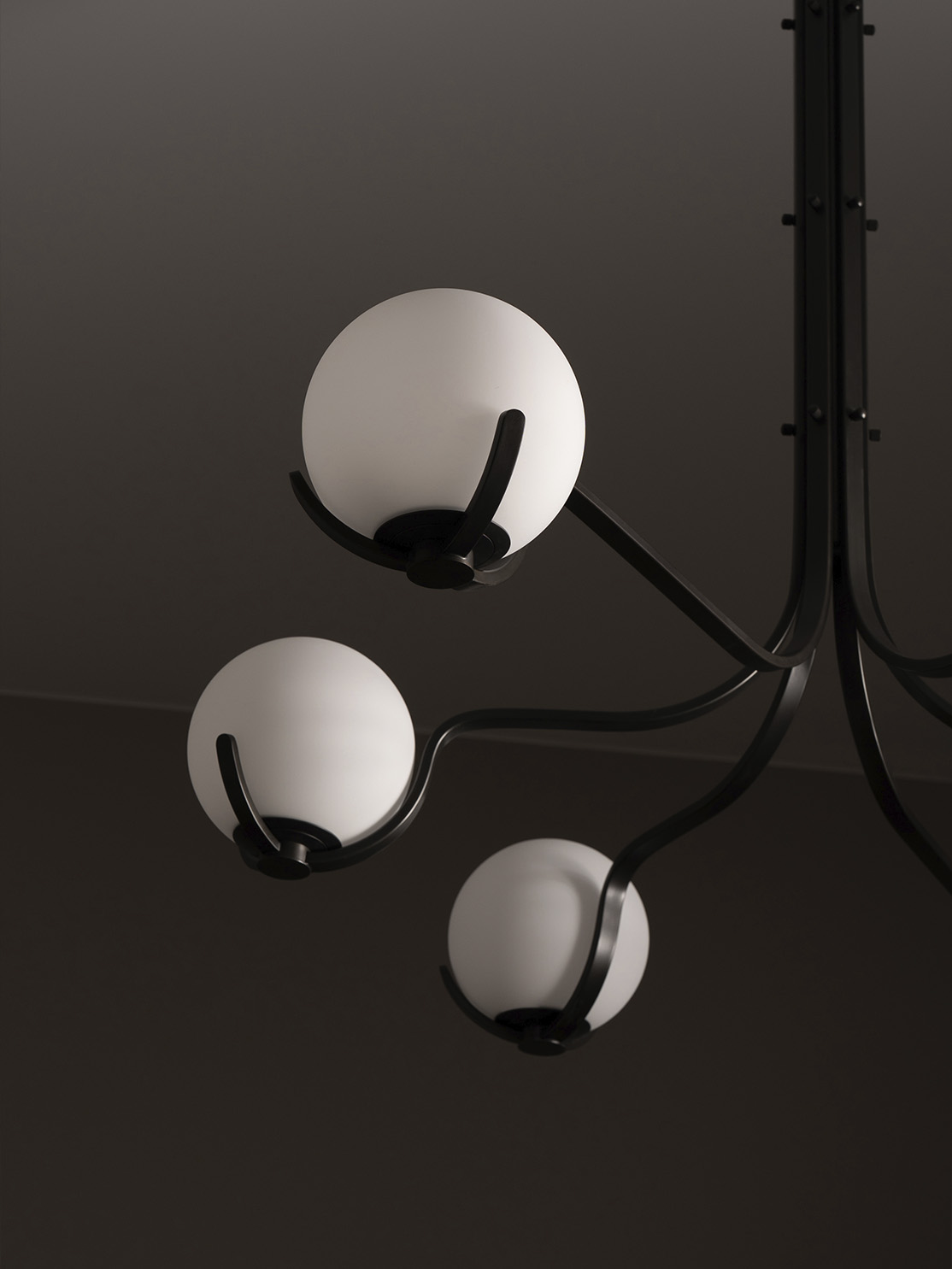
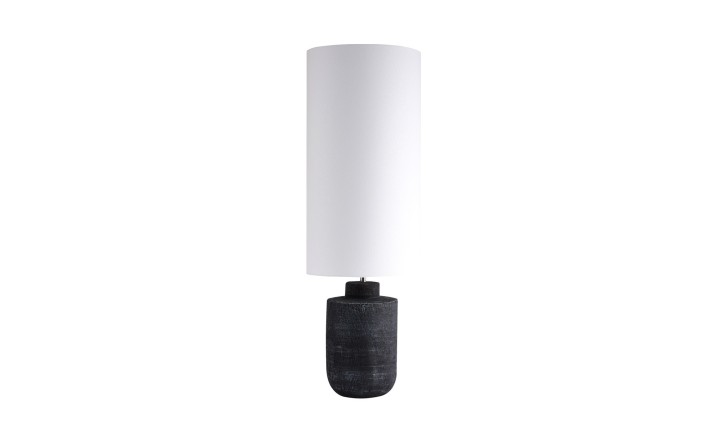
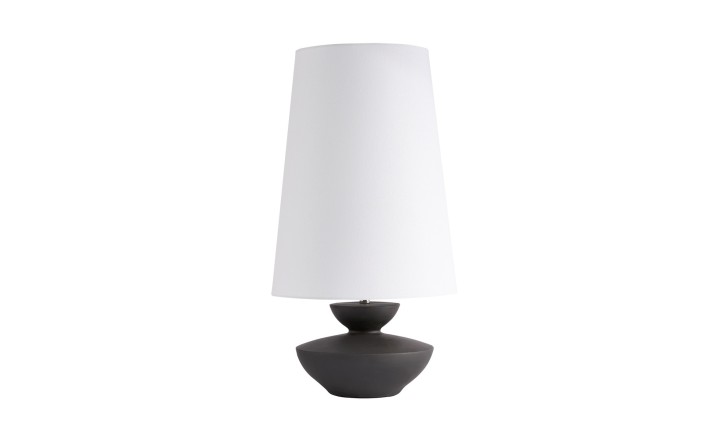
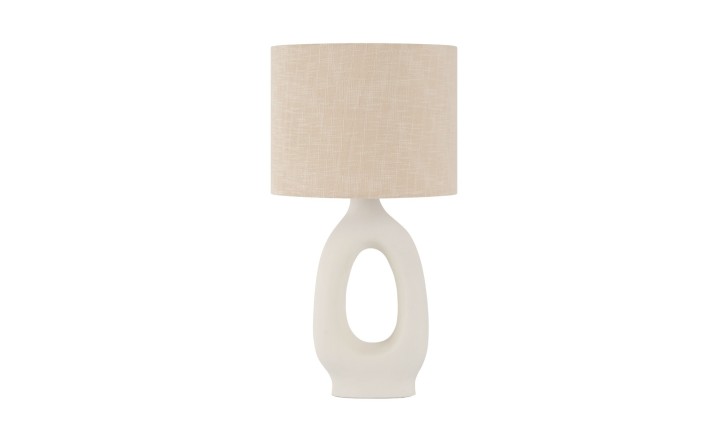
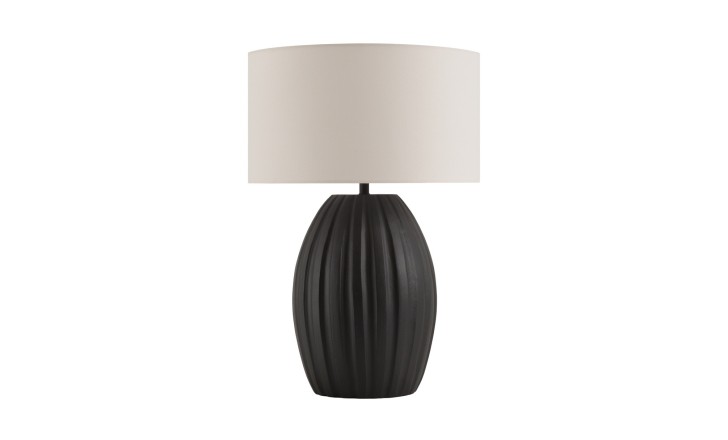
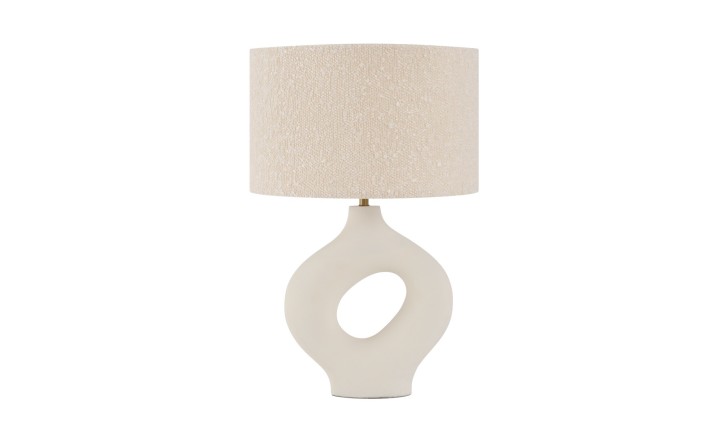
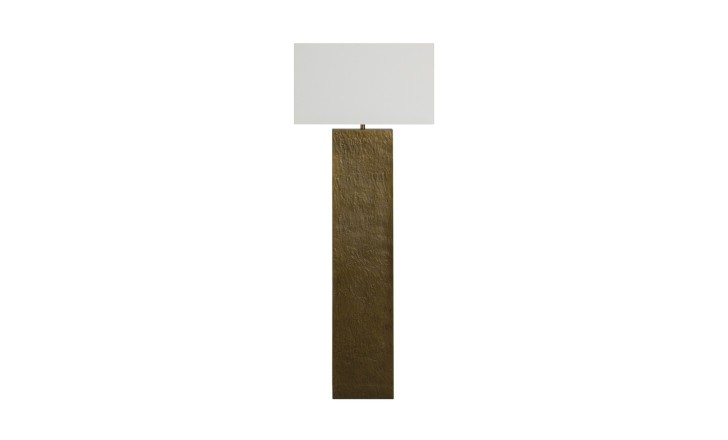
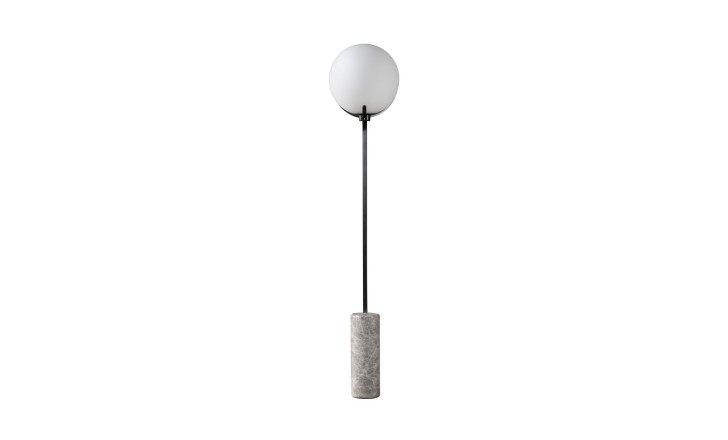
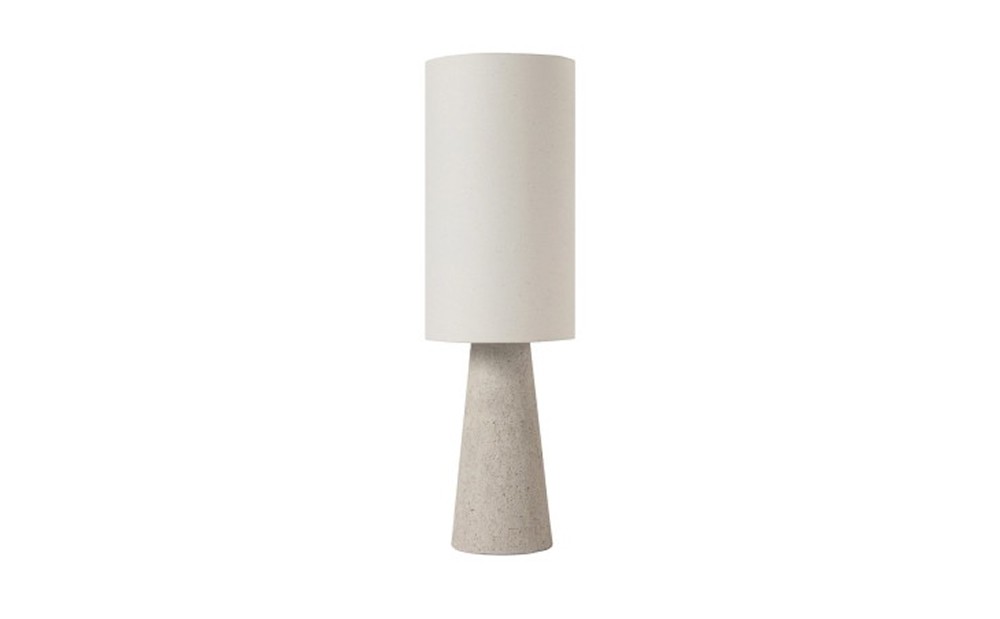
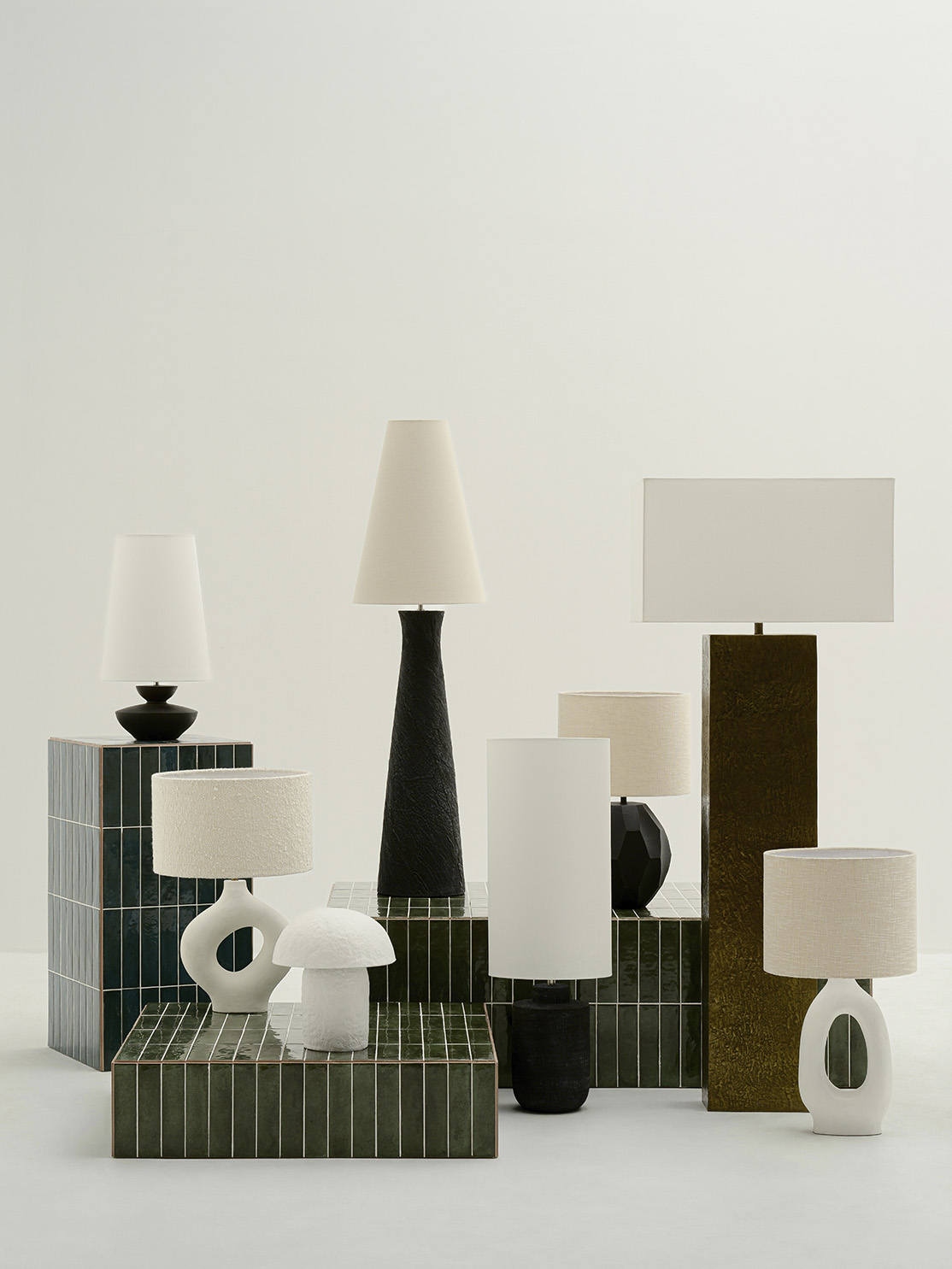
Floor lamps placed behind or beside the seating bring the light down to where people are sitting and pool it, so the room reads in warm patches rather than one flat wash. Layered this way, the same room shifts from bright and practical by day to low and settled at night, without rewiring anything. It is the quickest change of the three, and often the one that decides how a room feels after dark.
Every room has its own proportions. Dantone Home designers know how a majlis comes together, and would be glad to plan the seating, the sections, and the tables around your space
Items