
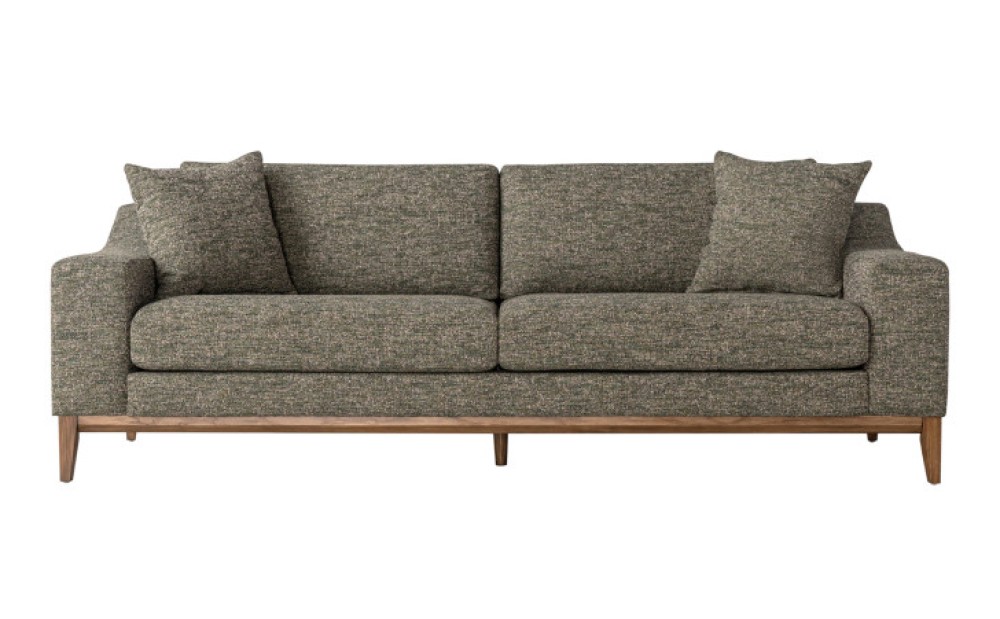
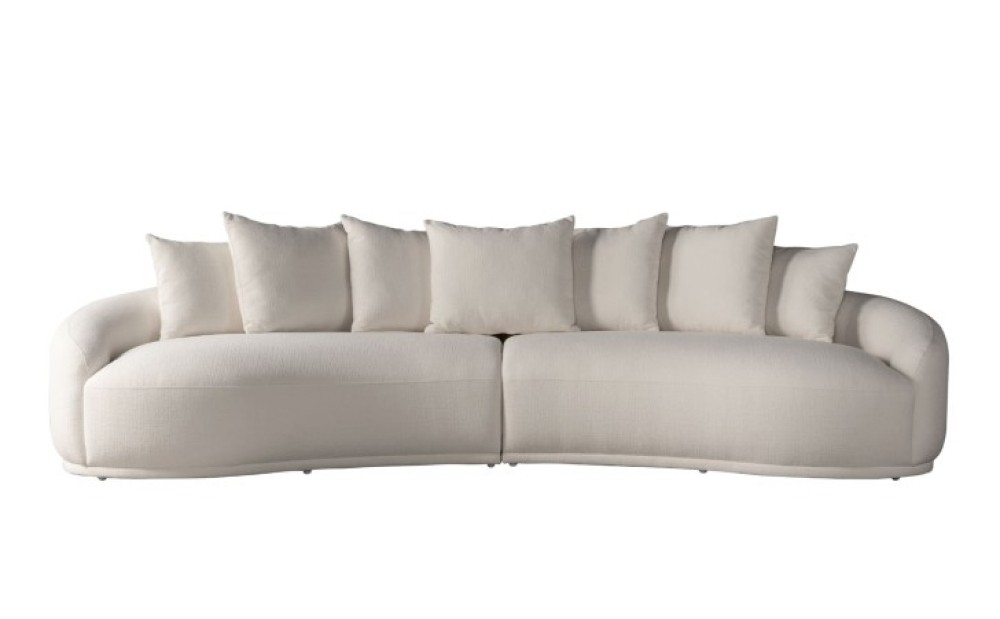
David Girelli on Bubble: From a Cube to a Soft Form
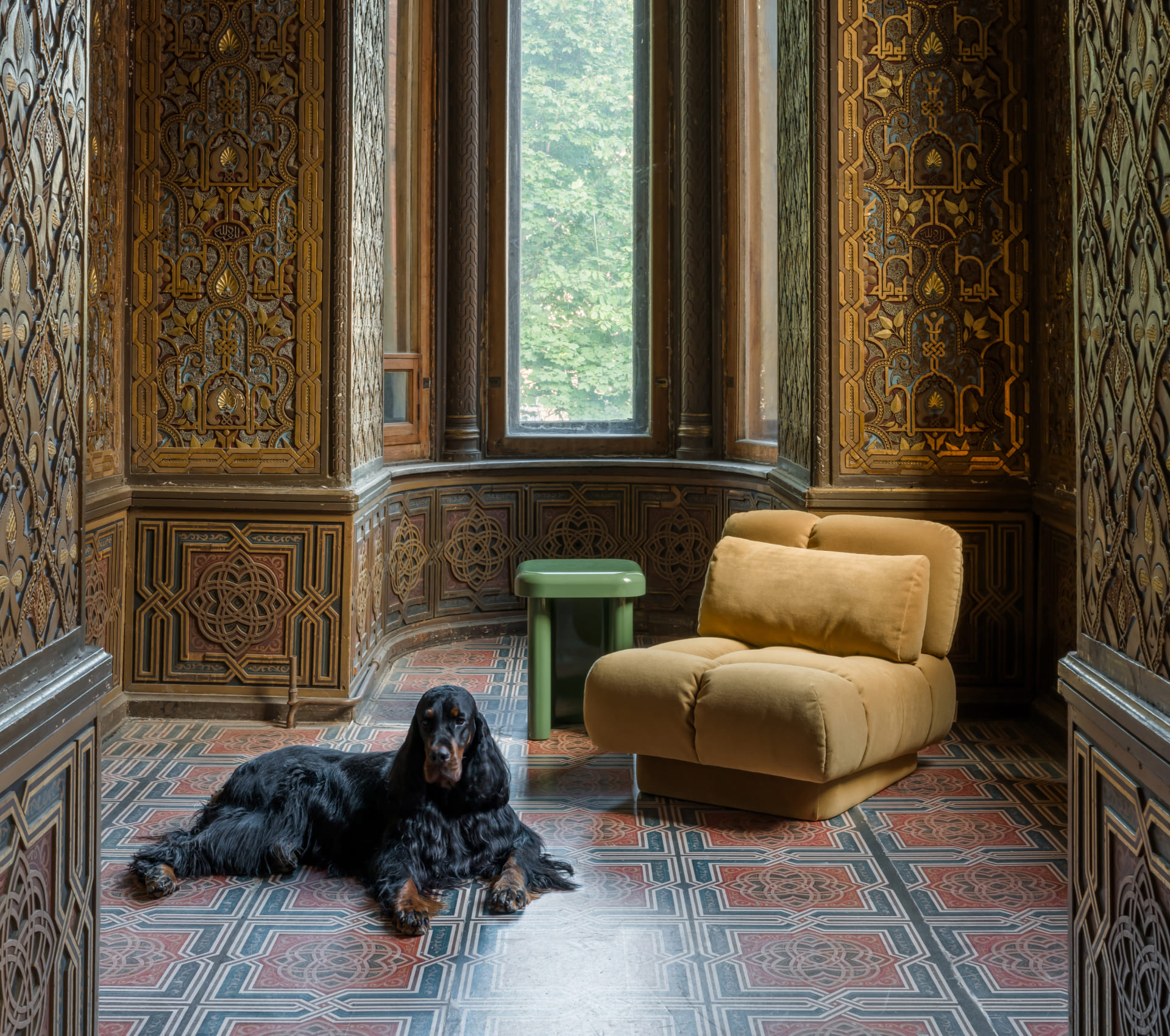
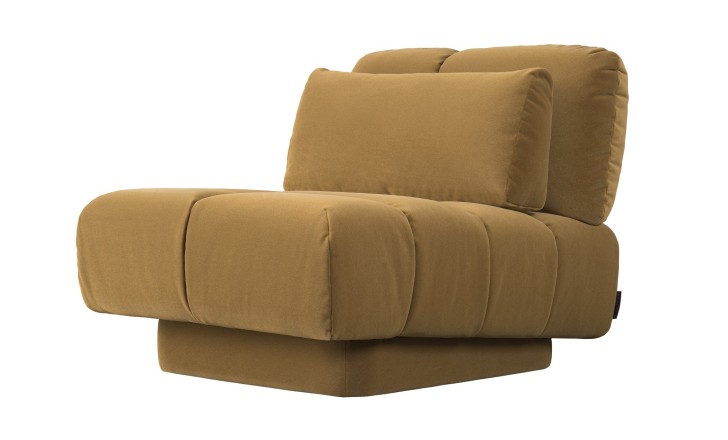
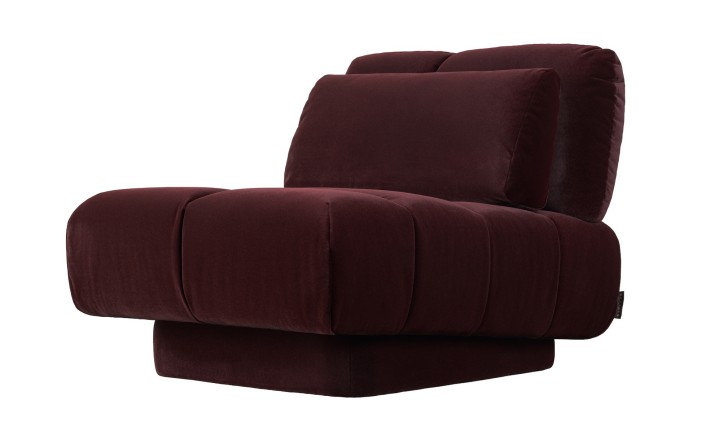
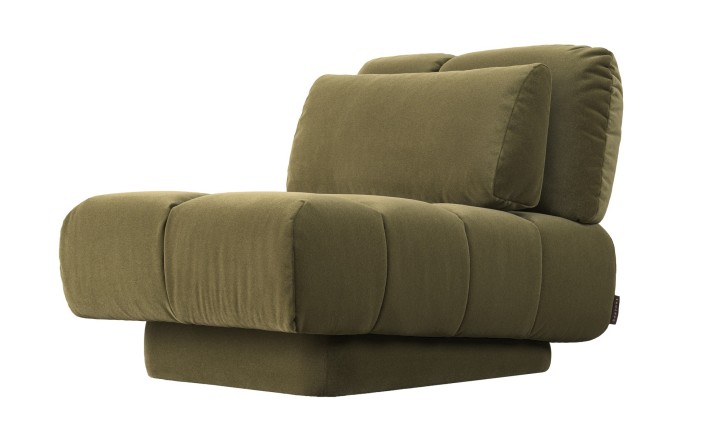
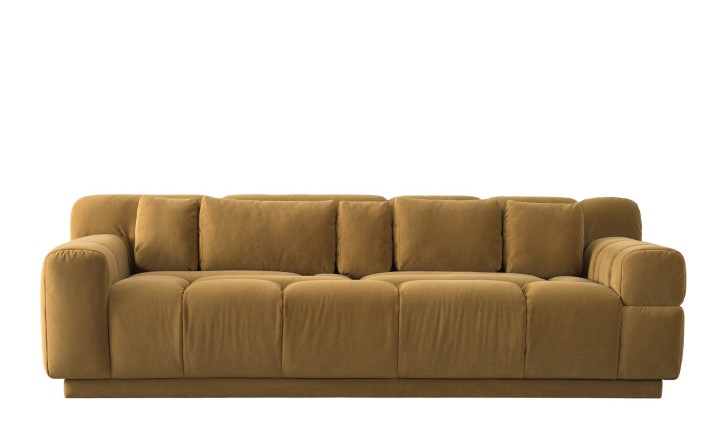
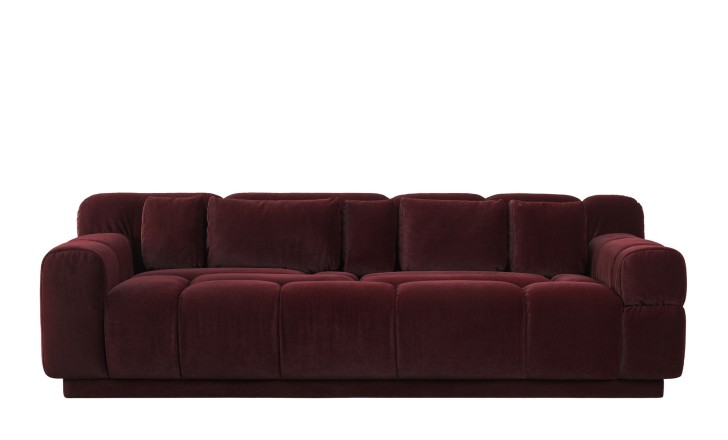
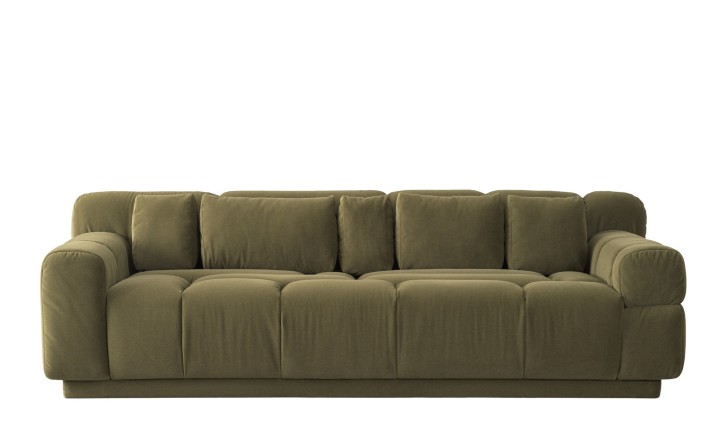
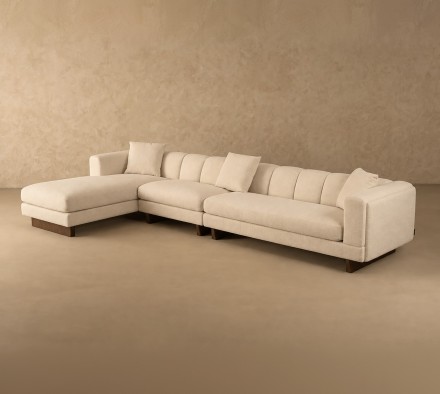
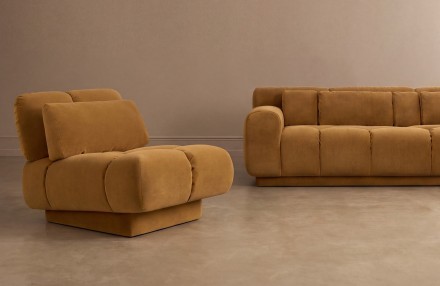
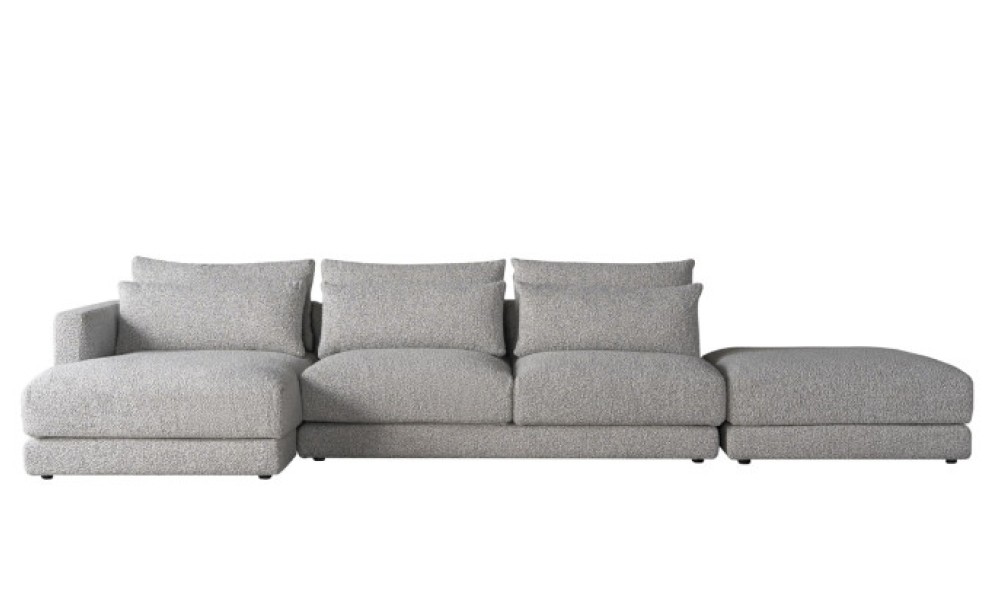
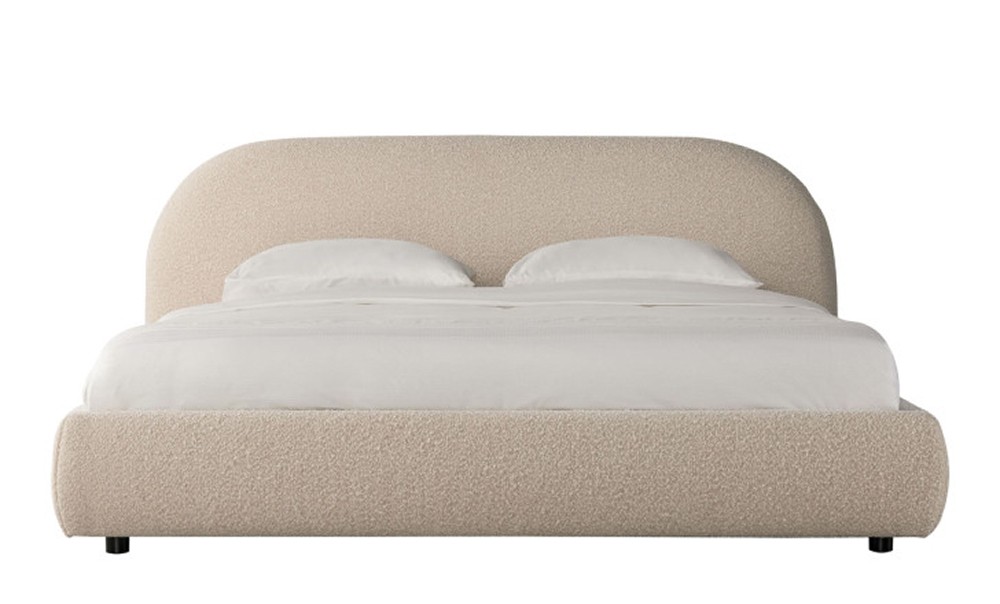
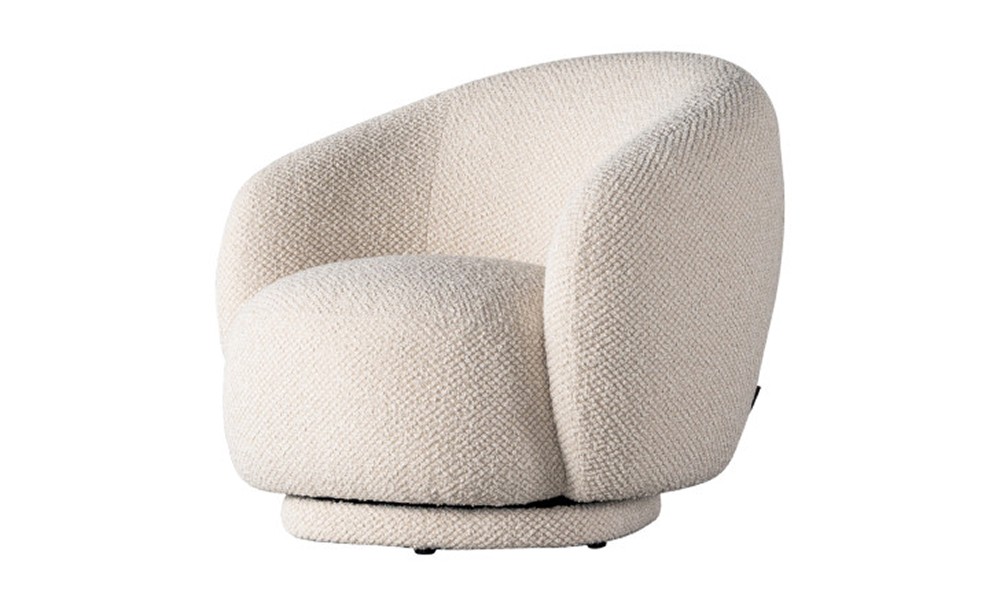
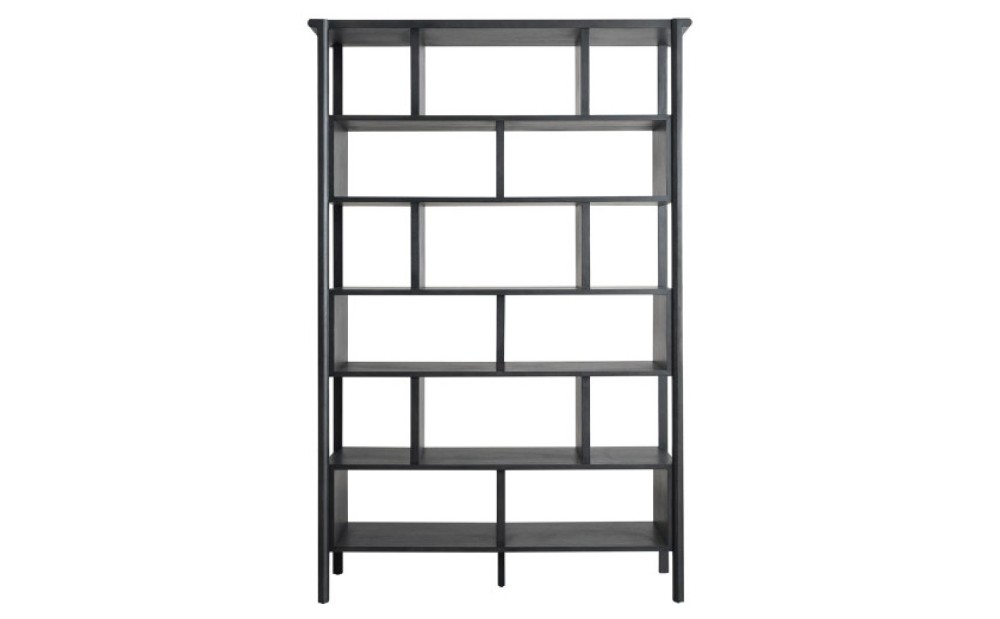
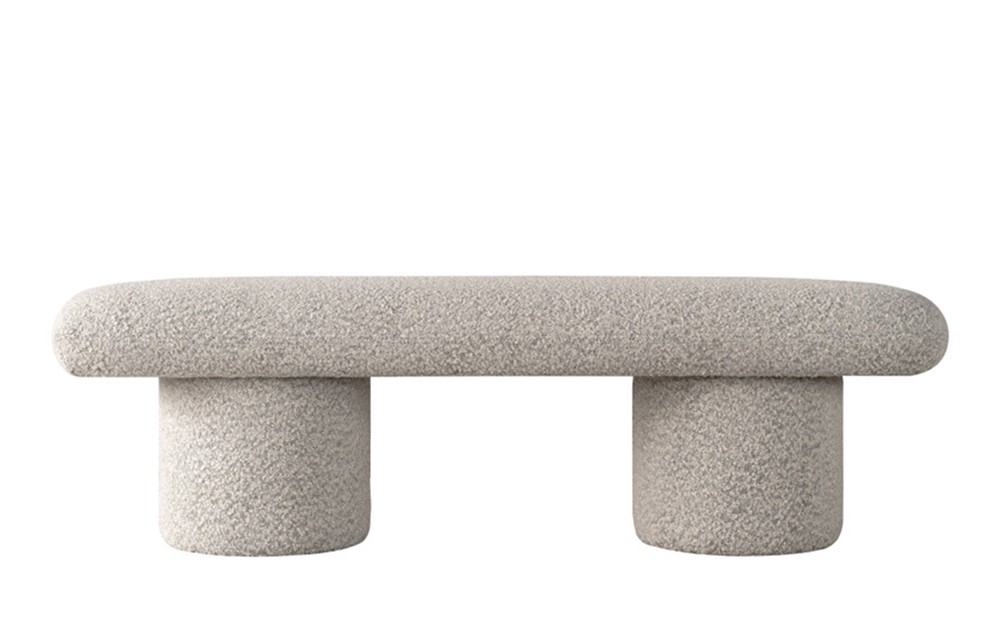
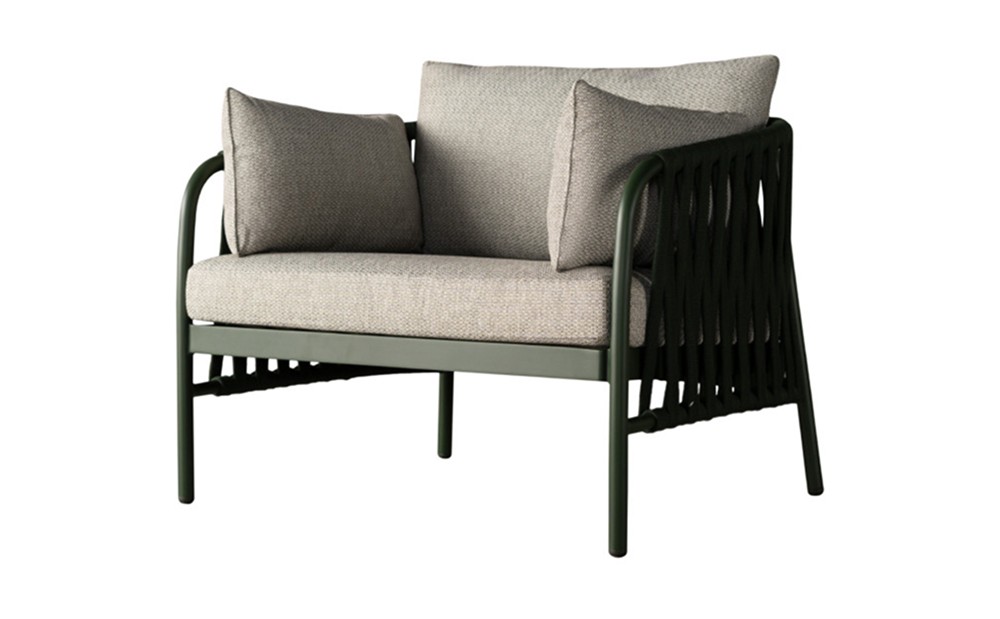
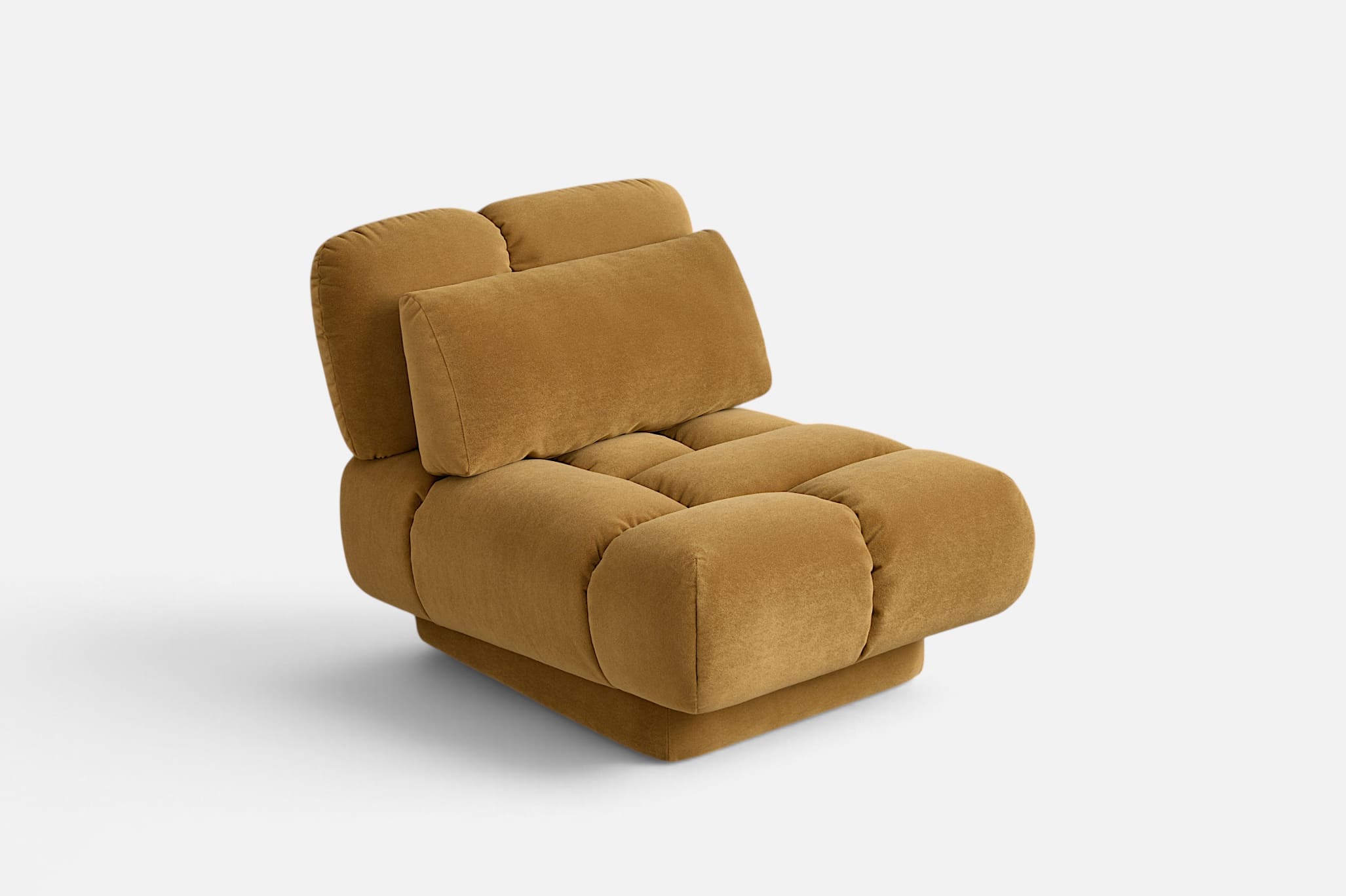
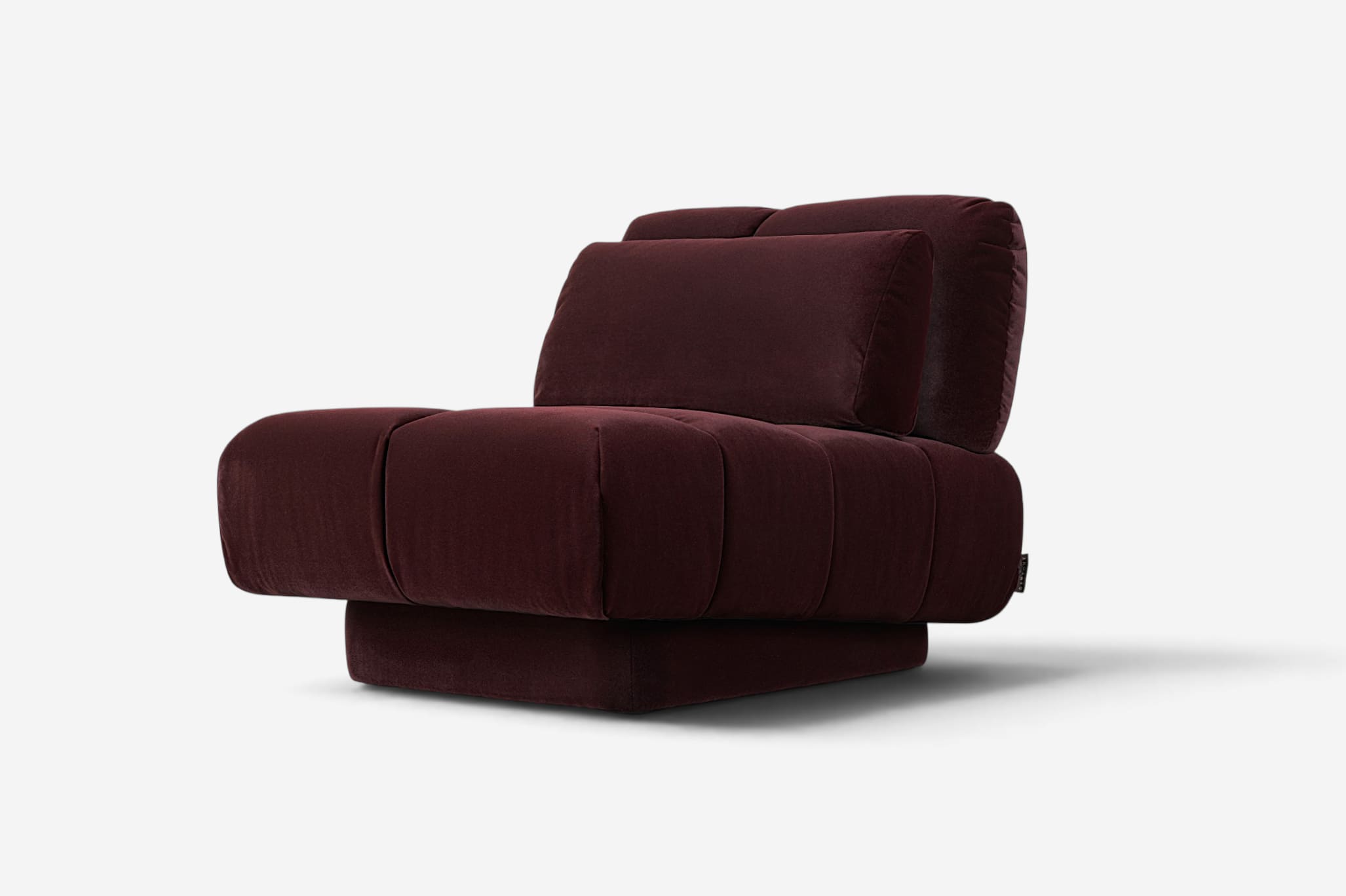
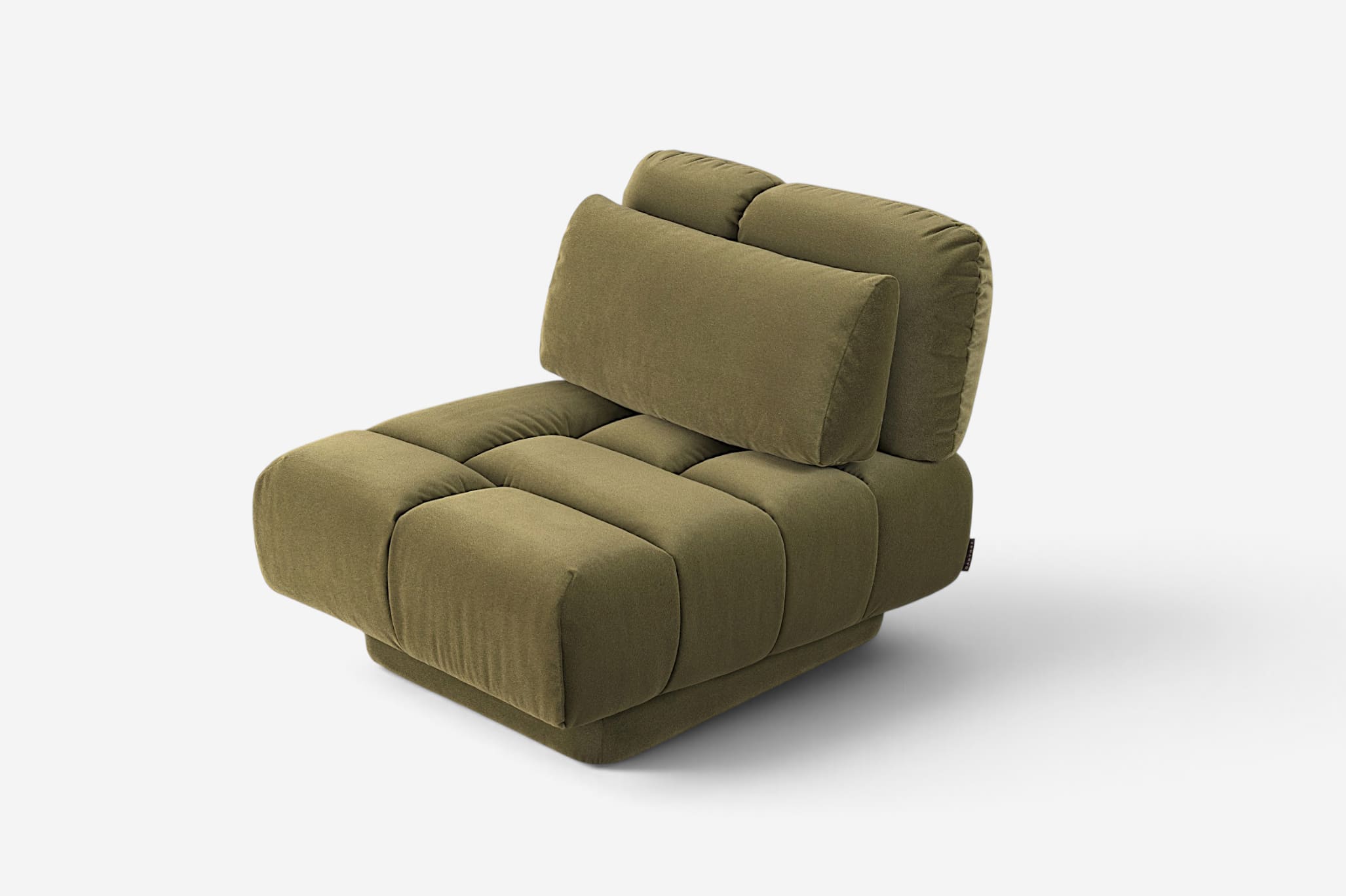
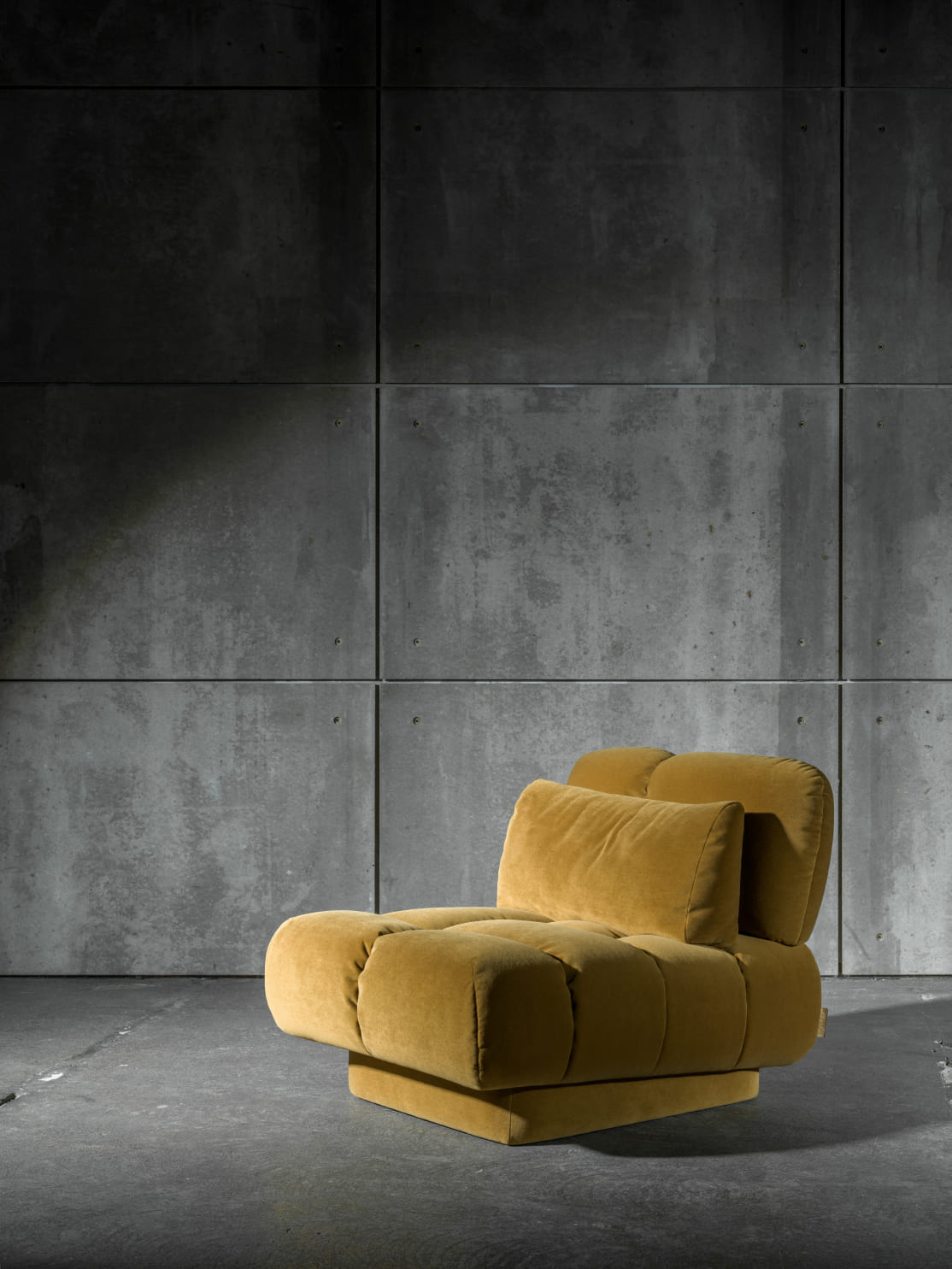
Bubble is the capsule collection of upholstered furniture by the Swiss designer David Girelli. Design critic and curator Olga Bozhko spoke to him about how the form came about, the technical challenges of producing it, and the future of the objects we live with.
The whole collection at Umm Suqeim
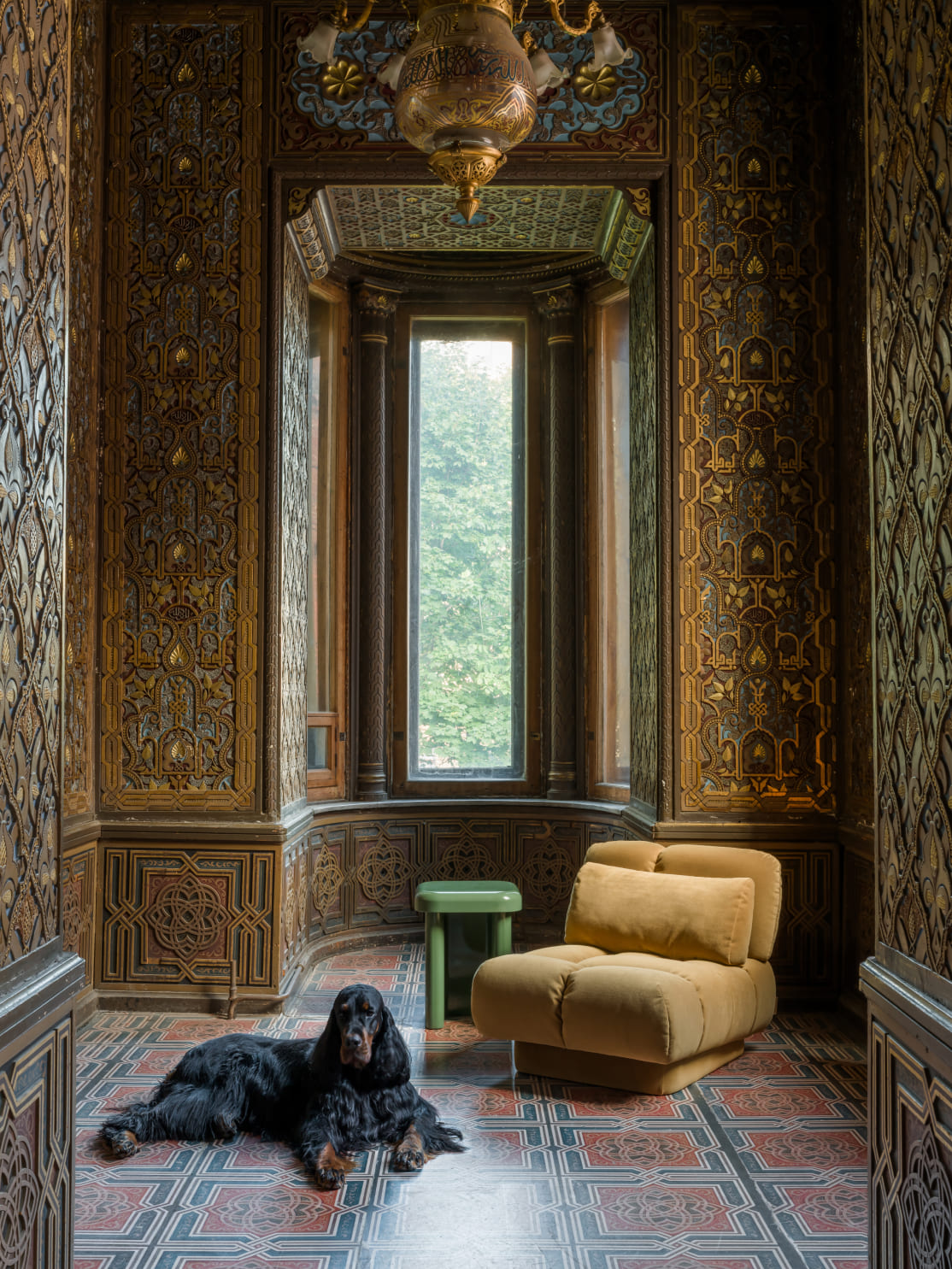
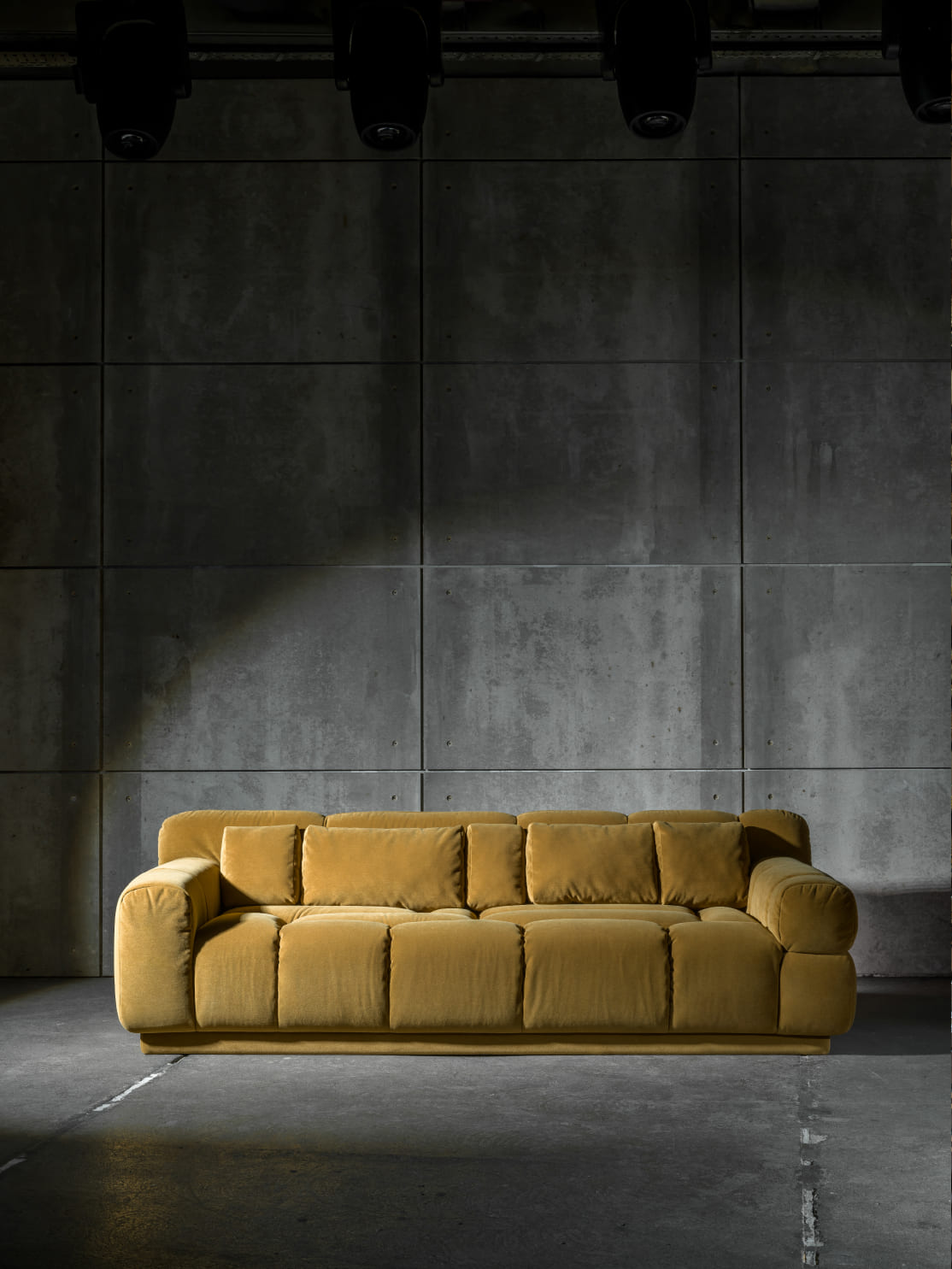
The whole Bubble collection is waiting at our flagship showroom in Umm Suqeim. Come and sit in it before you choose, and see for yourself how soft a cube can be.


The Bubble Collection and the Creative Process
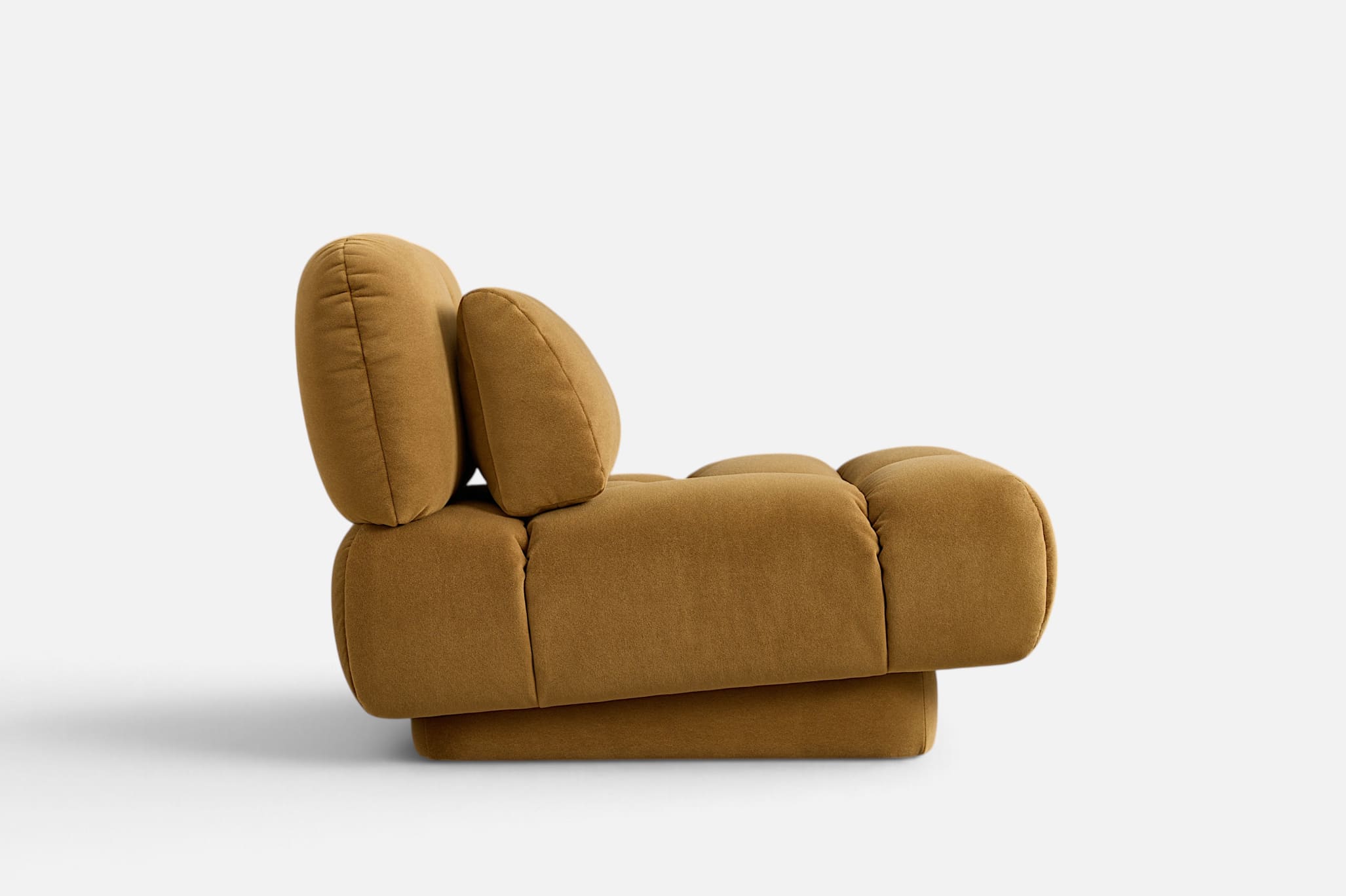
“Ideas rarely come to me when I am sitting at my desk. They usually arrive when I am moving, on a walk or on my bike. Bubble began with an architectural idea, but the work itself started from something entirely practical. I took a plain geometric cube, the most functional and space-efficient shape for a living room, and treated it as a kind of canvas. Working within that strict form, I wanted to give it movement and softness.”
Early Influences
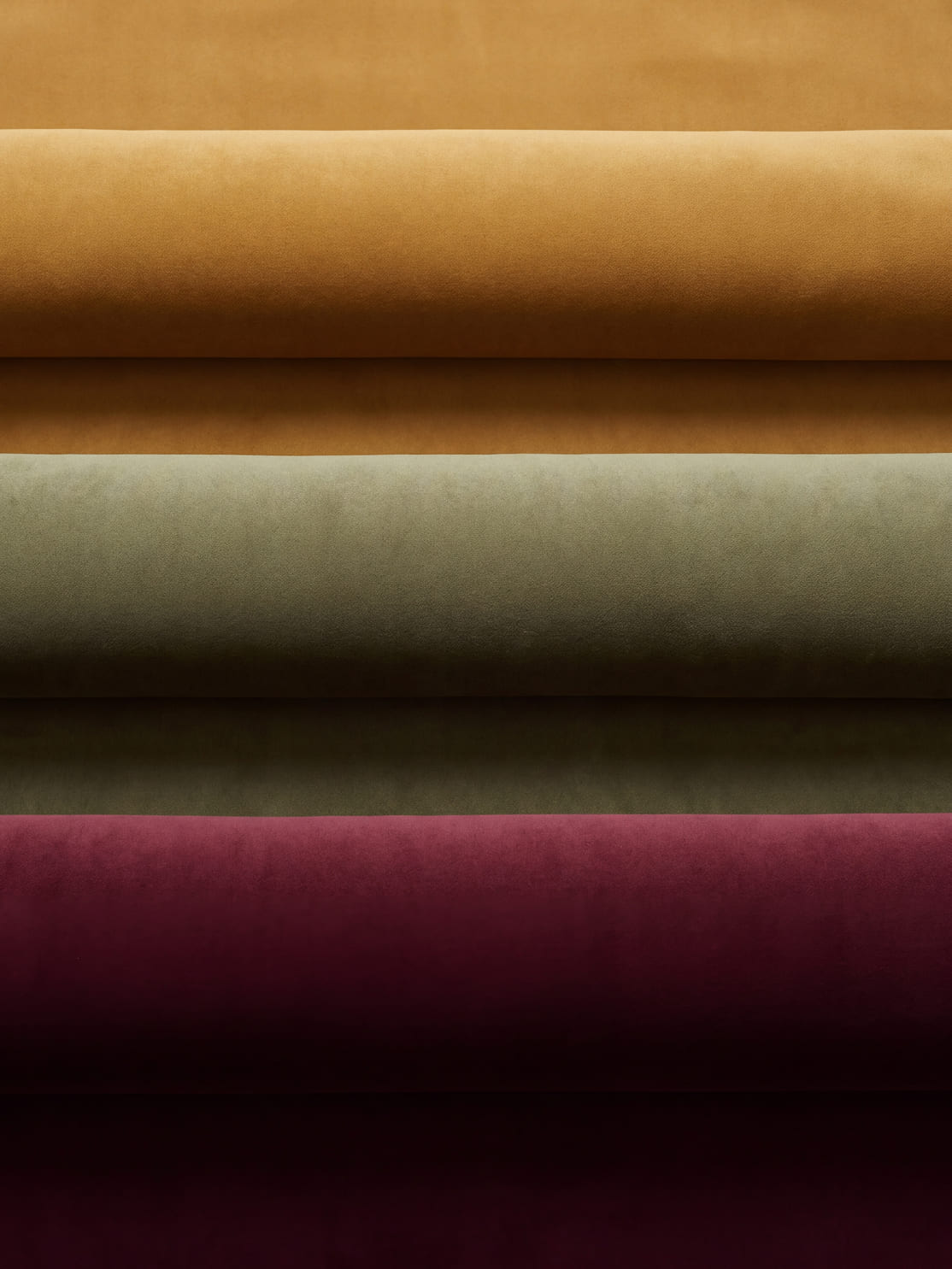
“I have always been drawn to making things, but it was my training as a design engineer that let me bring pure aesthetics and technical precision together. Perhaps that is the Swiss in me. As a child I wanted to know how everything worked, and my father often punished me for taking household appliances apart just to see what was inside. My early references were the flowing lines of Pininfarina’s cars, Philippe Starck’s playful approach to industrial design, and the graphic, functional thinking of Dieter Rams.”
A Swiss Inheritance
“Swiss watchmaking is the poetry of our culture. It asks for patience, engineering precision, fine workmanship, and a constant, passionate attention to detail. Together with Switzerland’s long tradition of typography and graphic design, it shaped my leaning towards a precise, pared-back aesthetic.”
The Global Design Scene
“Salone del Mobile is still the event I return to above all others. Every year it is inspiring to see global taste moving towards objects that feel like sculpture, that are pleasant to the touch, and that are made by hand. More and more, people want pieces for their homes that sit close to collectible design: objects with an artistic intention behind them, not only a practical use.”
Materials and New Discoveries
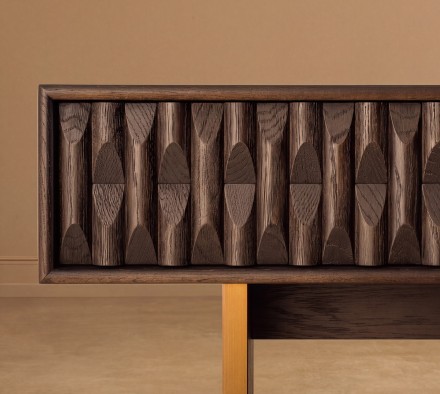
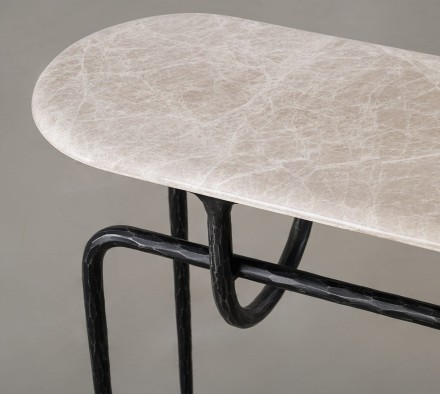
“On materials, I do not bend. I like working with natural elements, wood, stone, textiles, and bronze, materials that live, age, and take on a beautiful patina over time. Lately I have been fascinated by mica, a translucent and flexible natural stone. It is extremely difficult to work with, but watching craftsmen tame it into weightless lamps and surfaces is a real source of inspiration.”
Working With Luxury Brands
“Oddly enough, I genuinely welcome push-back and creative challenges from the client’s team. I set the main aesthetic and functional concept, but I value the dialogue and the shared work, especially at the luxury end, where experienced specialists refine a project and bring it up to the highest production standards.”
The Future of Design and Materials
“In the end, design has to return to its roots and fully embrace sustainability. As technology develops and more of everyday life moves online, the virtual world may start to feel strangely intangible. In 20 years, real, physical objects made by hand will play a central role in our homes. They will be an anchor that keeps us connected to the physical world.”
Stories, Craft, and Feeling
“I completely agree that people are looking for stories and emotional connection, not just things. Even without knowing every technical detail of how a piece was made, you can sense something special in the fact that it was made by hand. For me as a designer, the real joy is the journey from an idea to a beautiful physical object, and then seeing the response it draws. Knowing that something which once existed only as a thought in my head now gives someone pleasure in their own home is the best reward there is.”