





New Books: From Andersen to Zaha Hadid
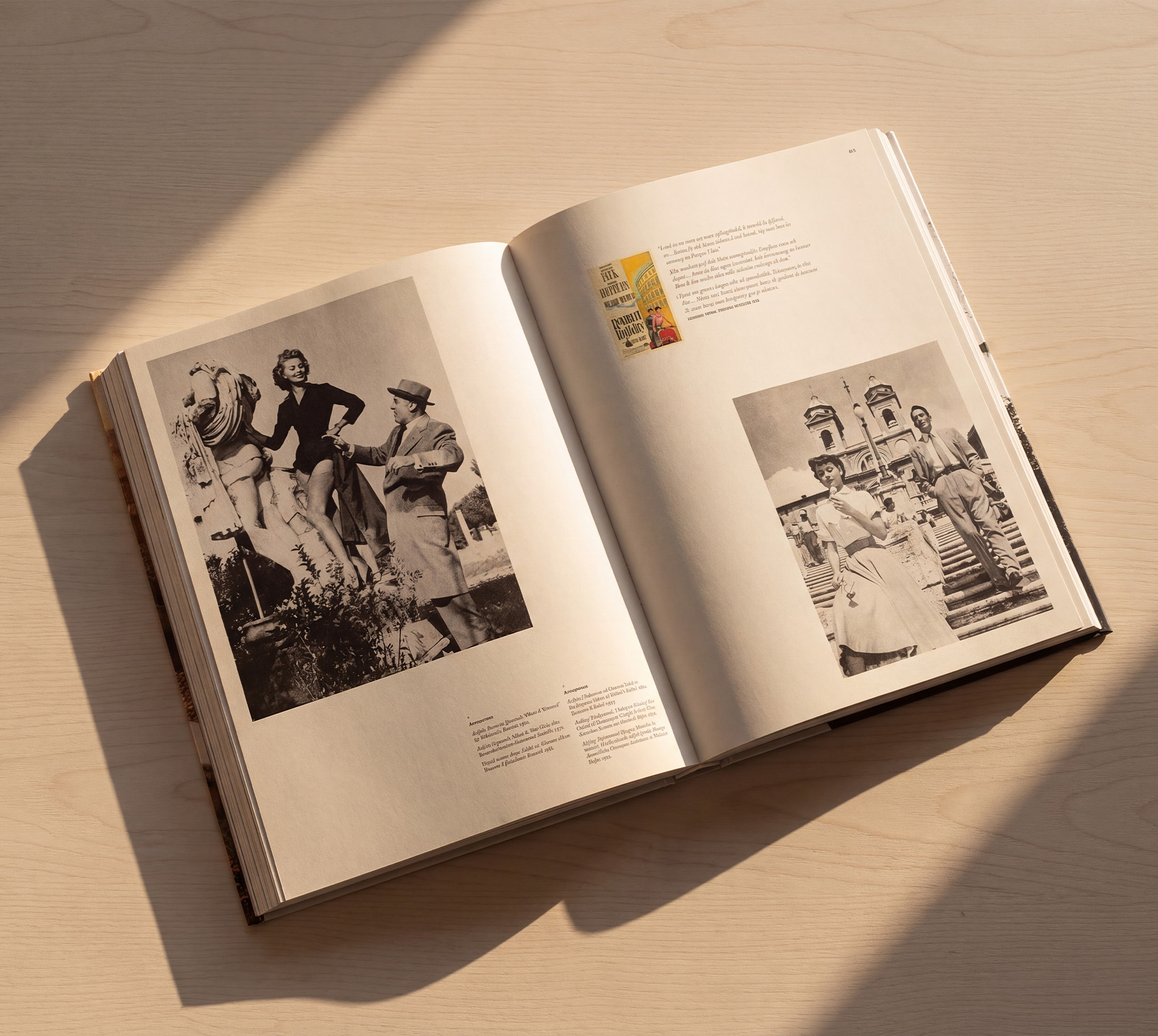
A shelf is a record of what its owner keeps returning to. It is also the last layer of a room to be decided and the easiest one to change, which is why designers tend to leave it until the furniture has settled and the light has been tested. Fourteen titles arrived this month. They fall into five groups.
Four Cities
London, New York, Paris, and Rome, each in a single volume of archival photography.
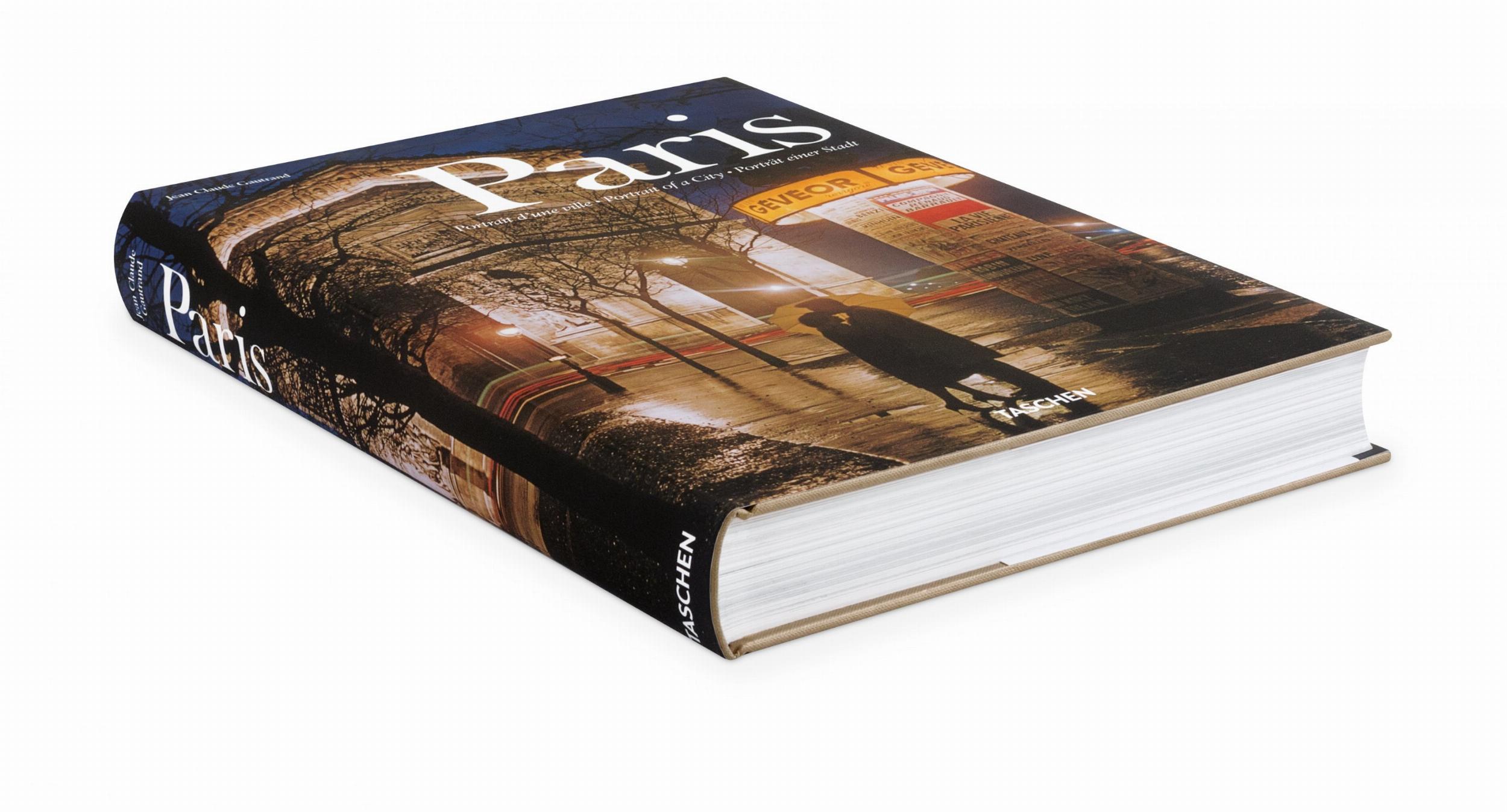
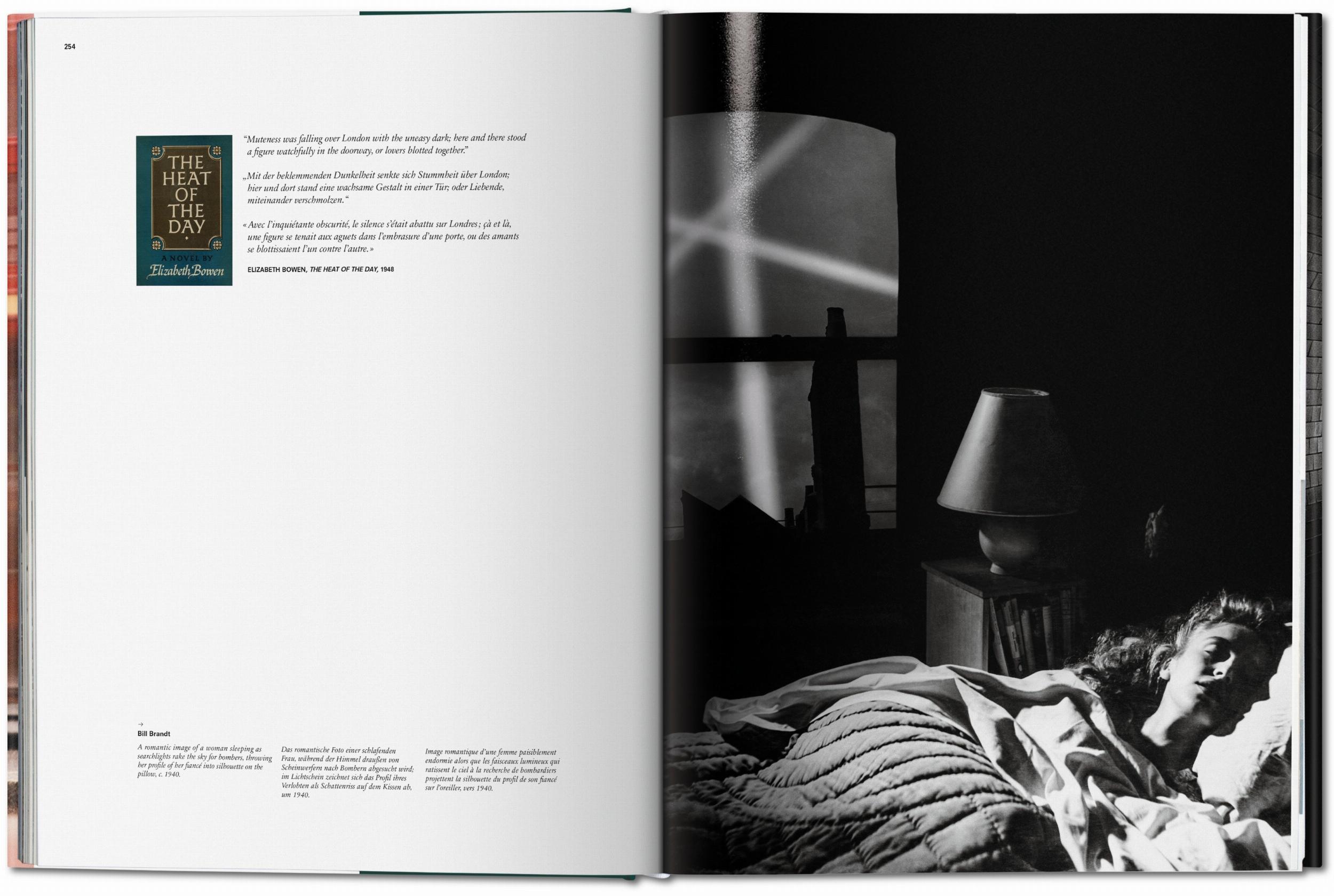
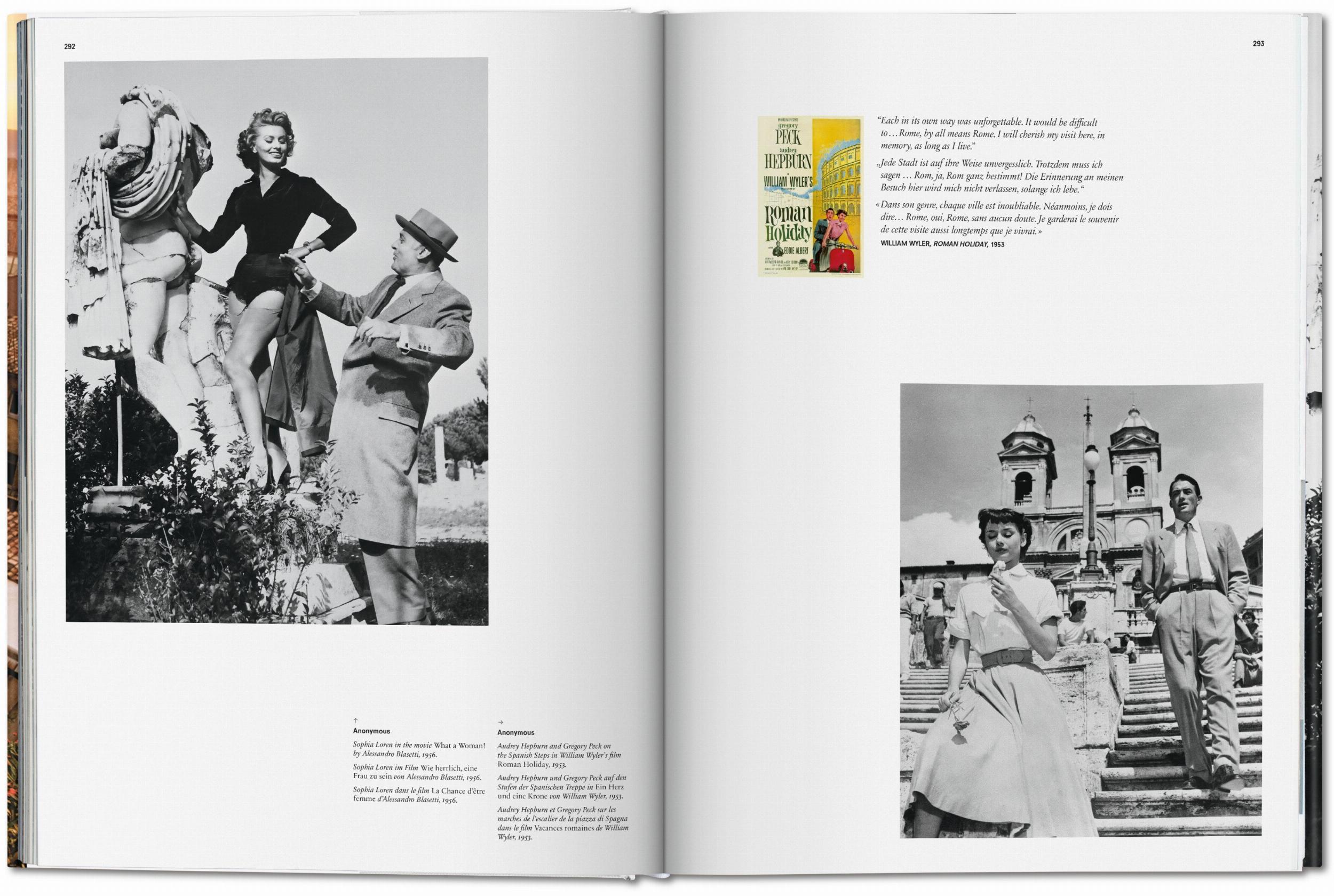
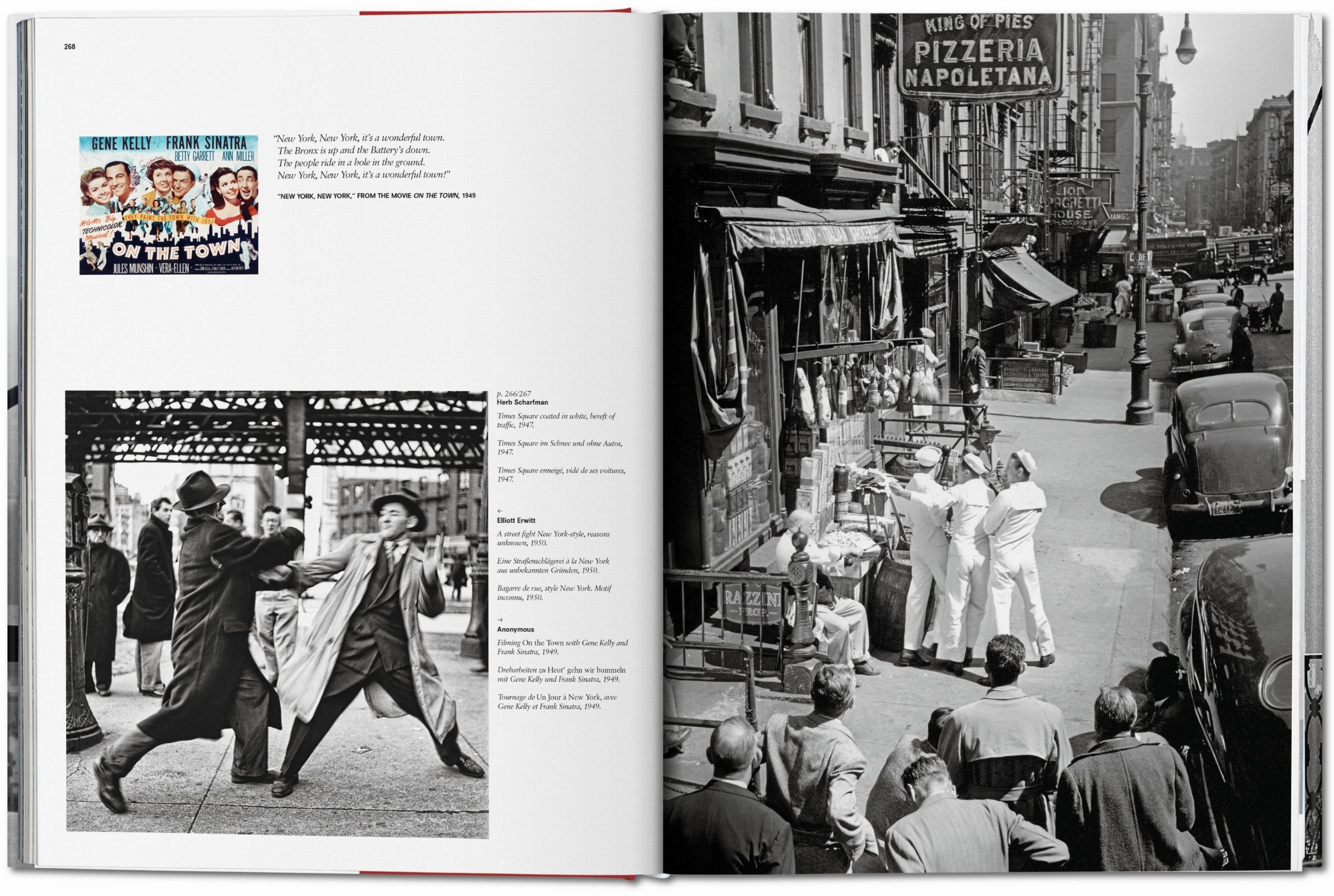
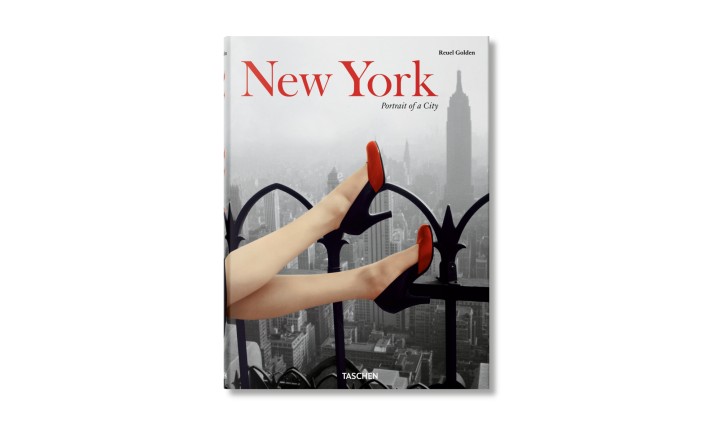
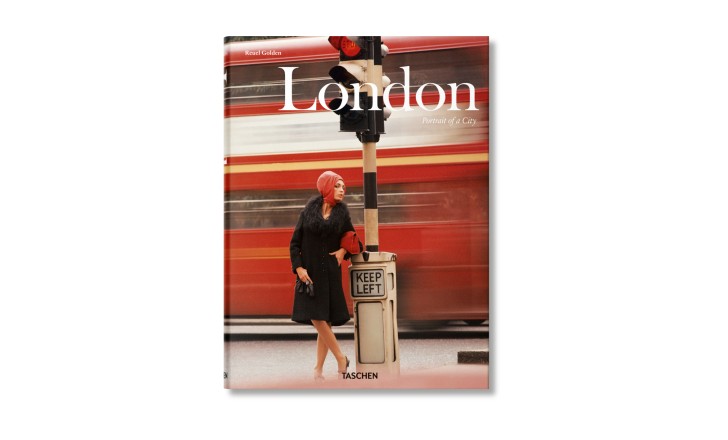
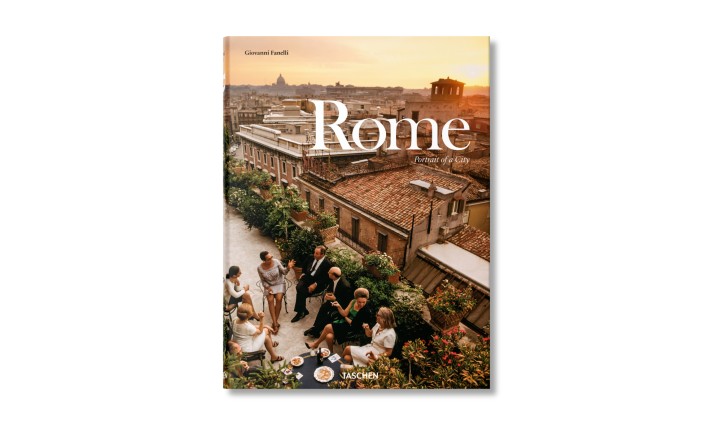
A city cannot be photographed once. It accumulates images the way it accumulates buildings, in layers that do not agree with each other, and these four books are edited on that principle. The Paris volume reaches back to the earliest photographs ever made of the city, by Louis Daguerre and Henry Fox Talbot, and runs forward through its fashion and its architecture. New York is assembled from Berenice Abbott, Margaret Bourke-White, Ruth Orkin, and many others across nearly 600 pages. London moves between its archives and its present. Rome holds Baroque theatre and the ancient city in the same frame, with Fellini somewhere in the middle.
Choose by claim rather than by preference. The city someone lived in at 22, the one where a business was started, the one a family returns to every second summer: that book gets opened. The others get dusted.
Further Afield
Japan in 1900, Latin America, and twelve journeys to the far edges of the map.
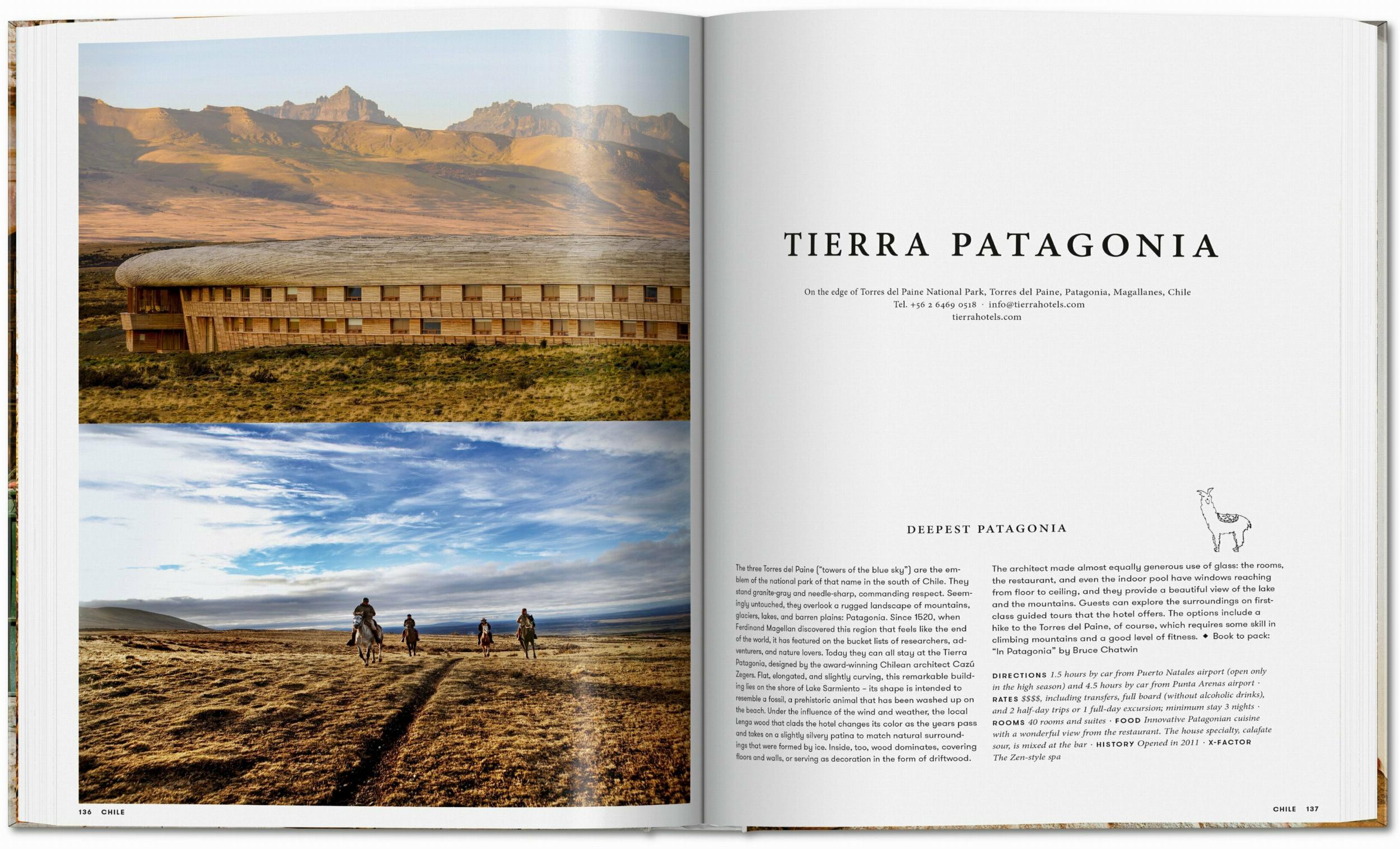
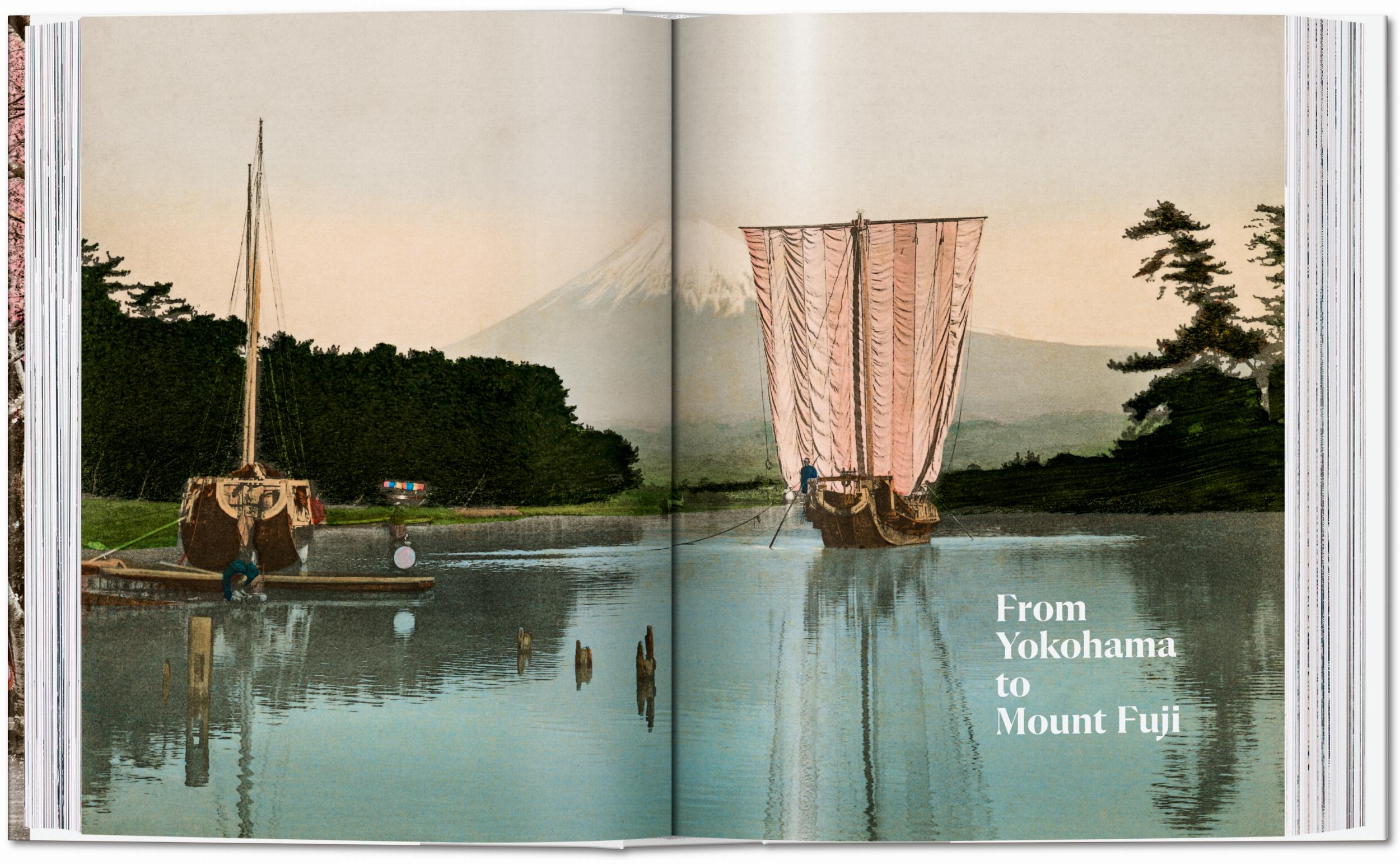
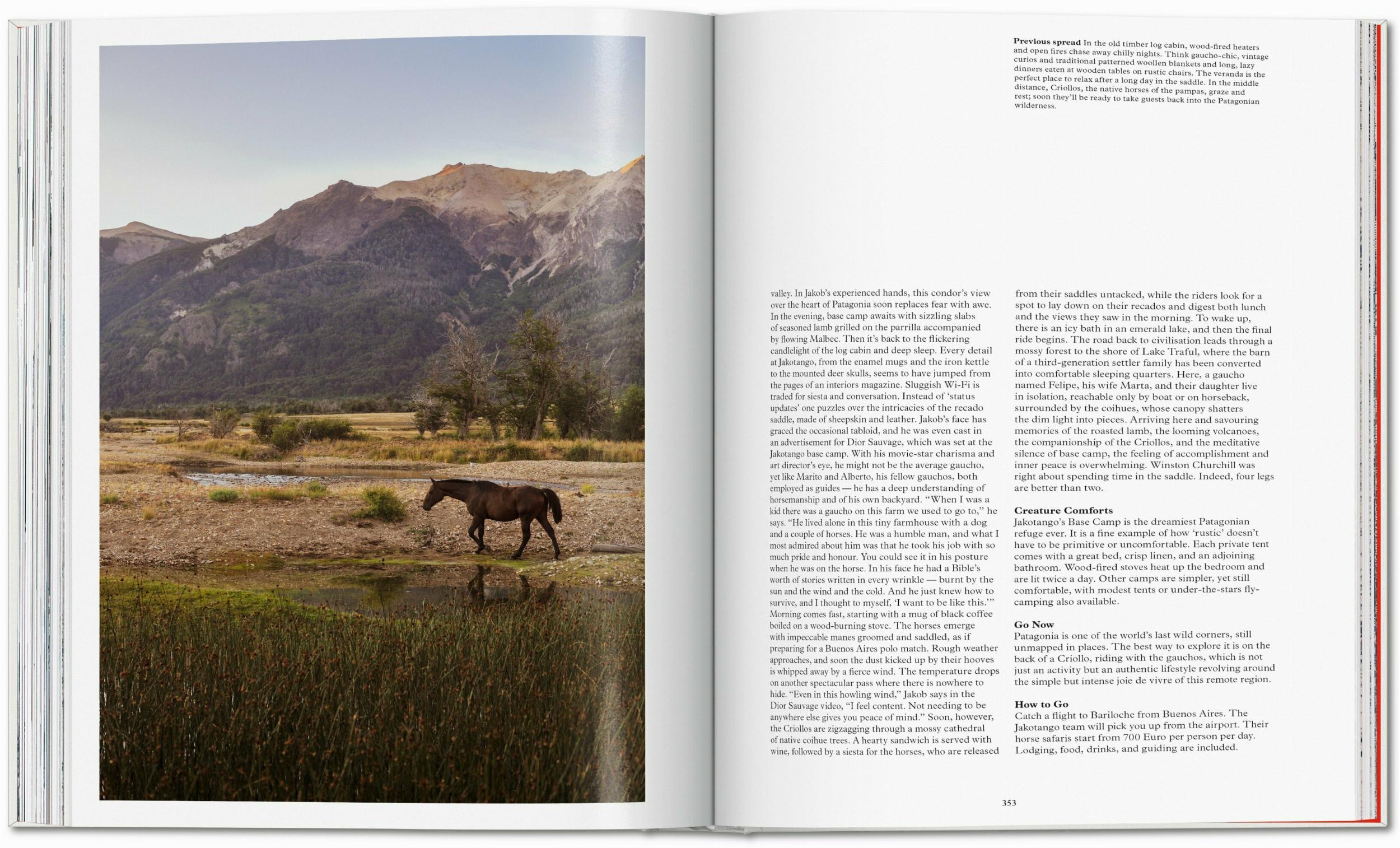
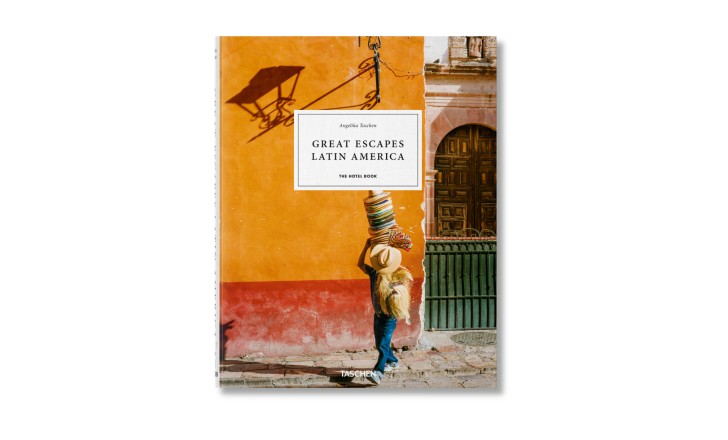
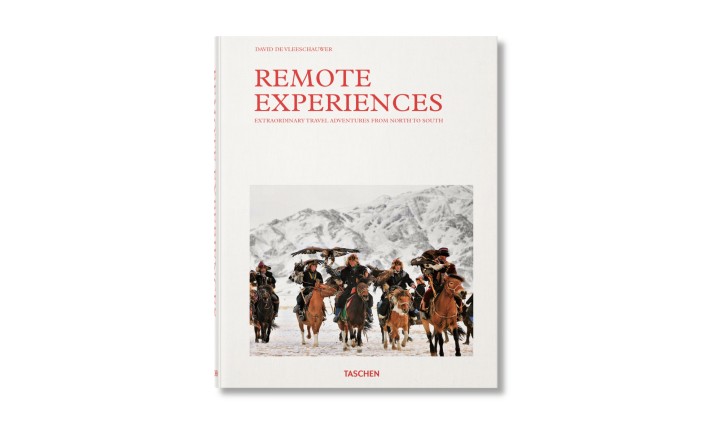
Distance works in two directions here. 1900 Japan goes backwards: hand-coloured photographs and photochroms compiled by Sebastian Dobson and Sabine Arqué, showing a country three decades out of more than 200 years of seclusion, from the hot springs at Beppu to a new capital at Tokyo. The other two go outwards. Angelika Taschen's Great Escape Latin America collects addresses across the Amazon, Patagonia, the Andes, and the Caribbean: lodges, country estates, treehouses, glamping. Remote Experiences follows photographer David De Vleeschauwer and journalist Debbie Pappyn through twelve journeys, written first-hand.
For a household that travels often, these are the books guests reach for without being invited to. They ask nothing of the reader and give a whole afternoon back.

Architecture and Design
One architect, and 125 designers.
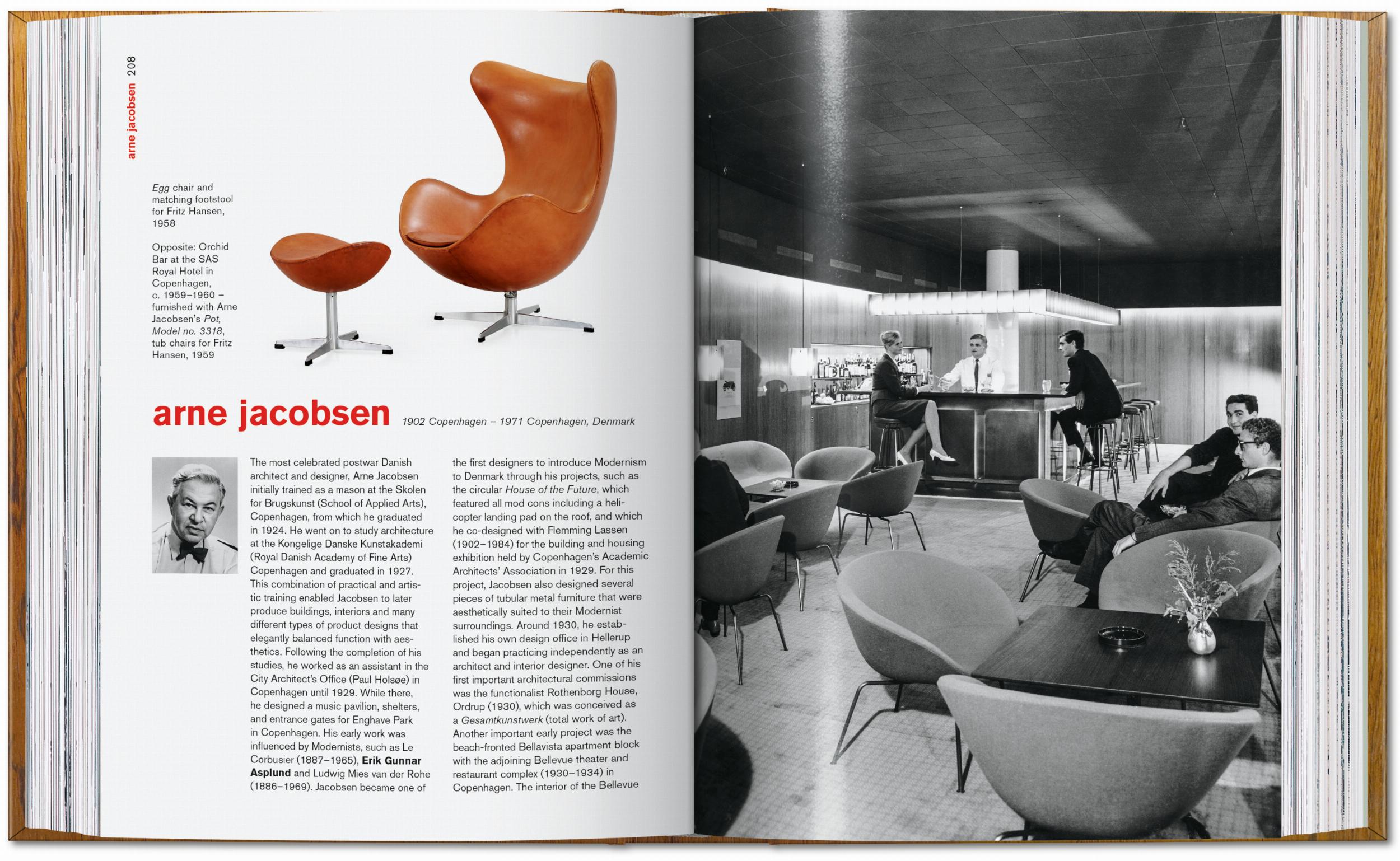
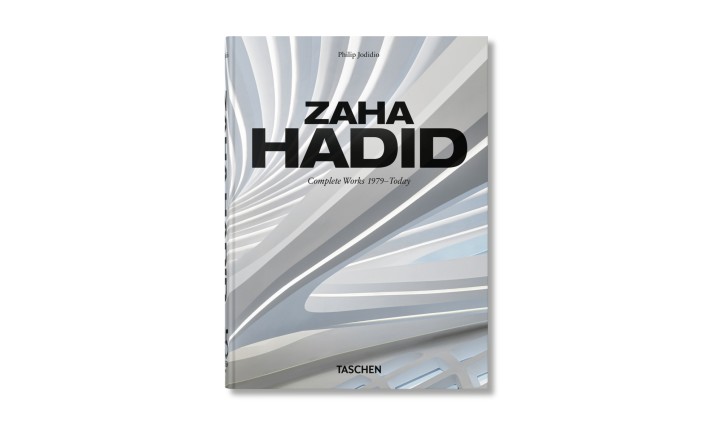
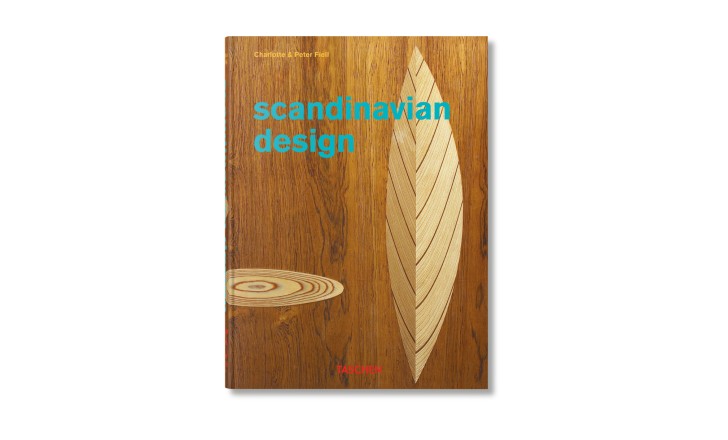
Two ways of arriving at form. Zaha Hadid. Complete Works 1979–Today follows a single vision from an Olympic ski jump to the largest airport terminal in the world, through the drawings and the buildings of the first woman to receive the Pritzker Prize. Scandinavian Design does the opposite: 125 entries across Norway, Sweden, Denmark, Iceland, and Finland, tracing how five countries turned craft traditions into industrial production without losing the organic line.

Both are working books rather than display books. In a studio they are reference; in a home they signal what the owner has been reading.
Two Painters
Frida Kahlo and Jean-Michel Basquiat, both of whom made the self the subject.
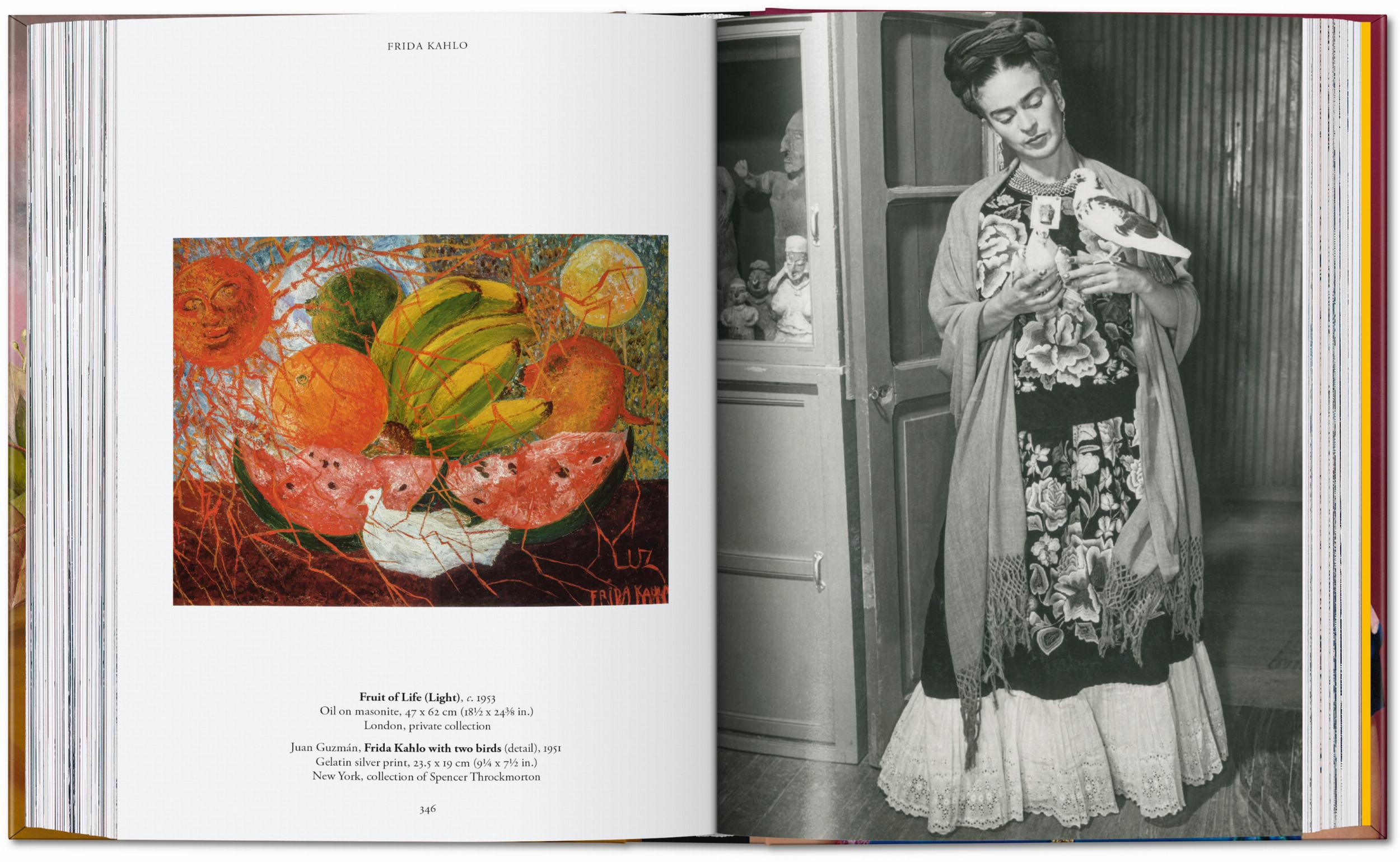
Kahlo built a body of work out of her own biography and became central to Mexican revolutionary modernism while doing it. The monograph sets the paintings beside rare photographs and pages from her diaries, so the argument and the life stay in the same volume.
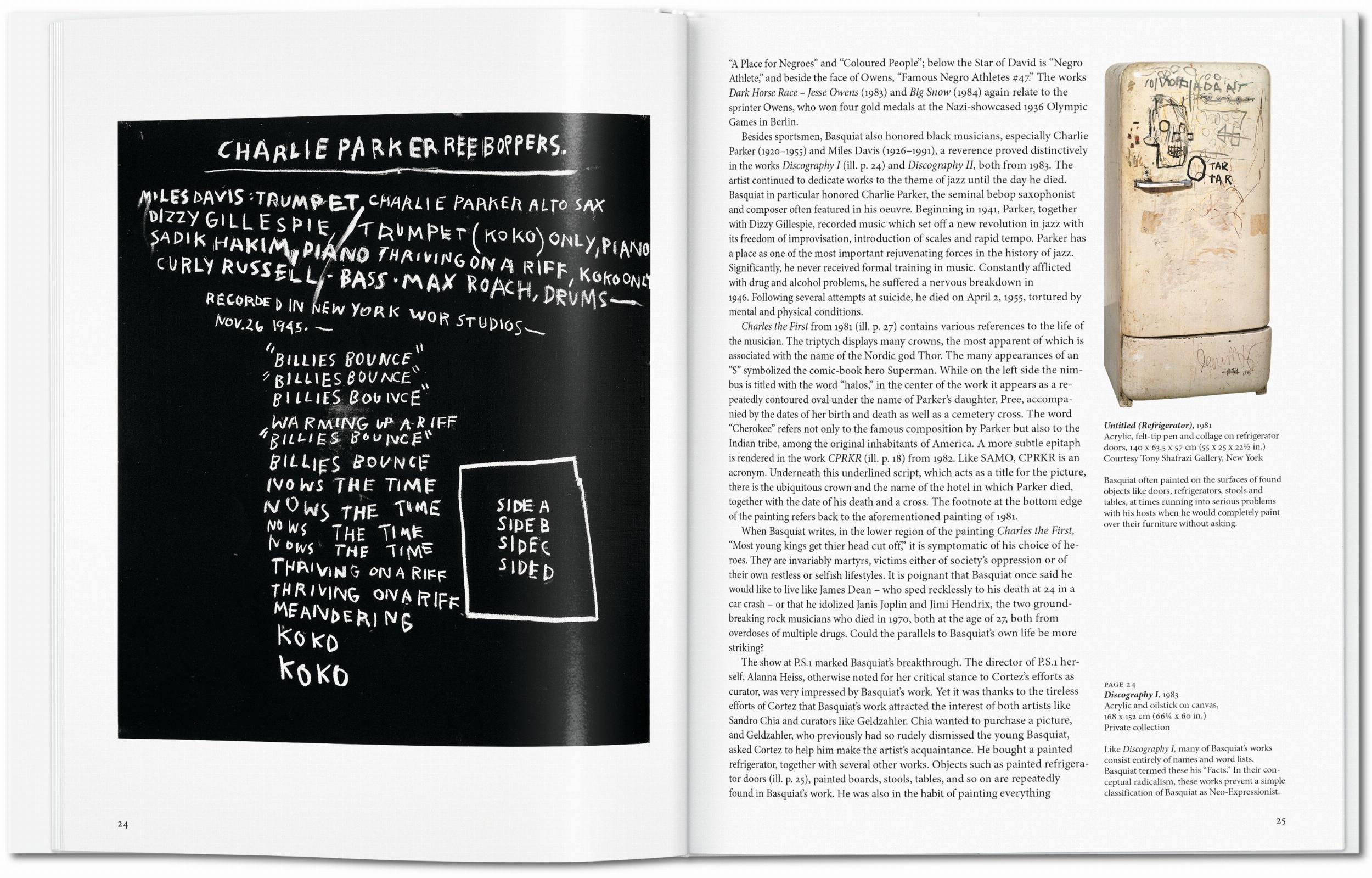
Basquiat moved from the streets of New York to the walls of its galleries in a career that lasted barely a decade, drawing on Greek, Roman, and African art, on French poetry, on jazz. At 96 pages, his volume is an introduction rather than a survey, and at 90 AED it is the lightest way into this shelf.

Drawn Worlds
Illustration, which is the first art most people ever own.
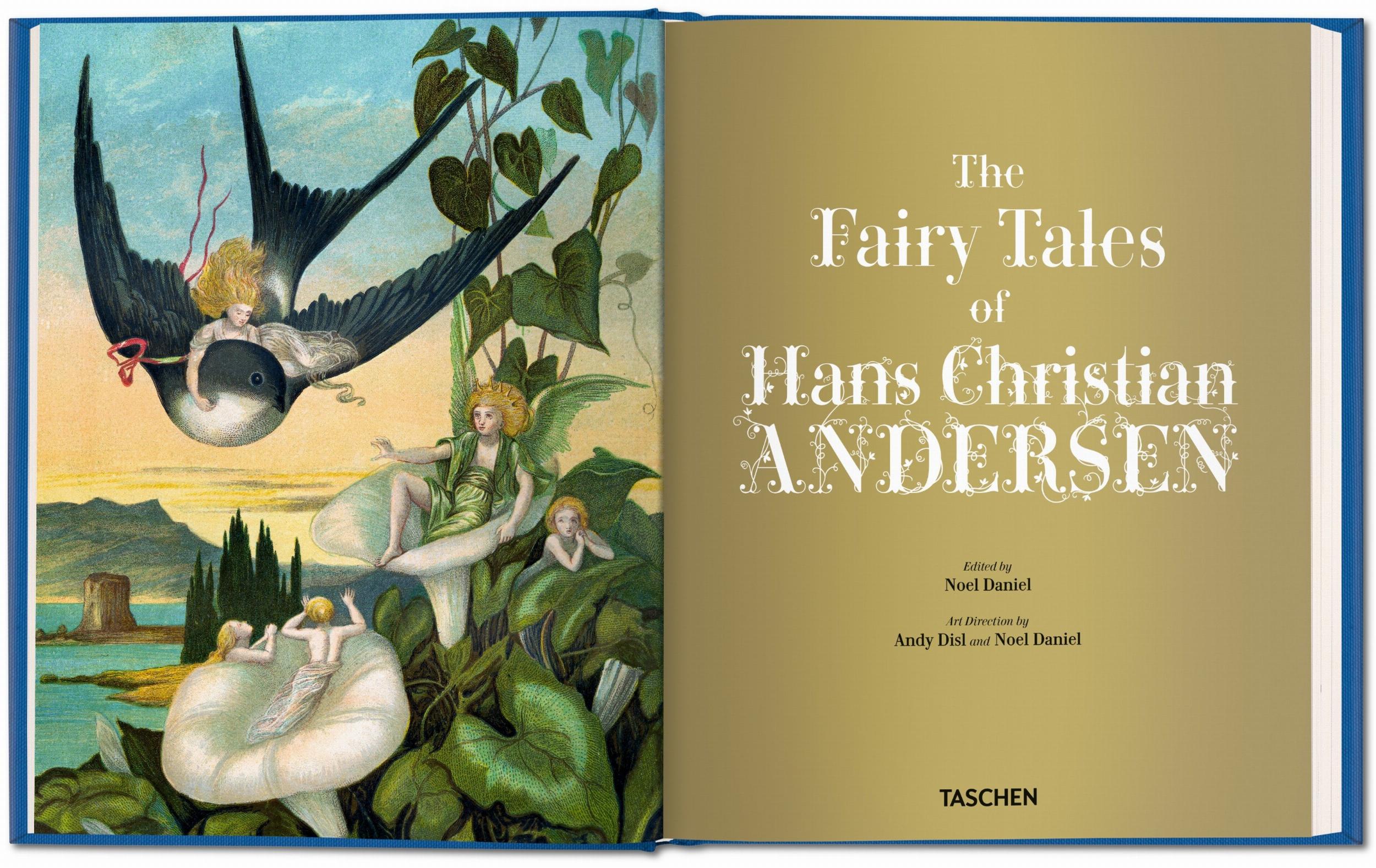
Fairy Tales of H.C. Andersen gathers 23 stories with vintage work by Kay Nielsen and Lotte Reiniger, alongside silhouettes commissioned for this edition and short biographies of the artists. Disney Classics collects ten stories in the midcentury illustrations made for the Golden Books by Al Dempster, Campbell Grant, and Retta Scott Worcester, with an essay, documentary photographs, and gouache drafts.

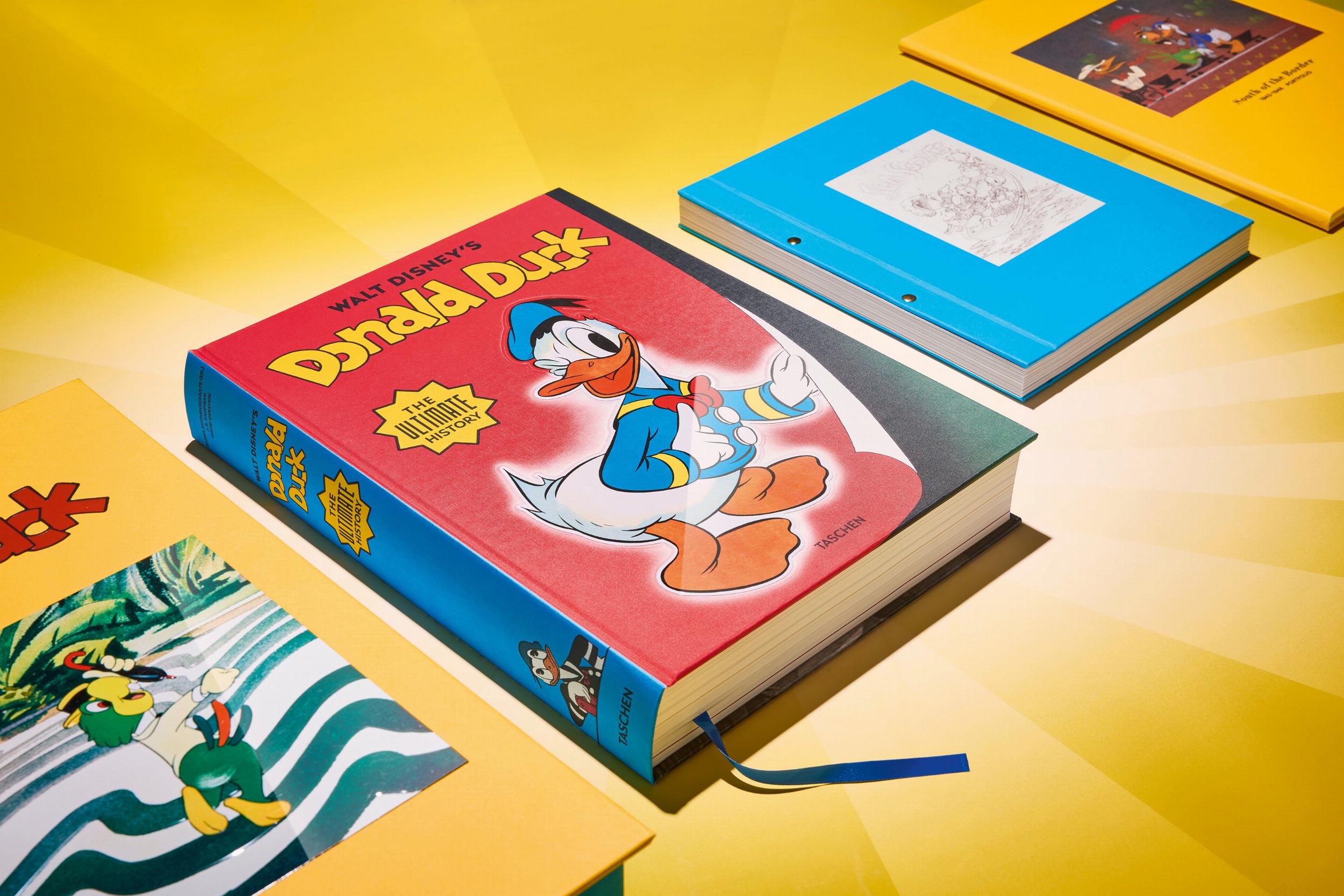
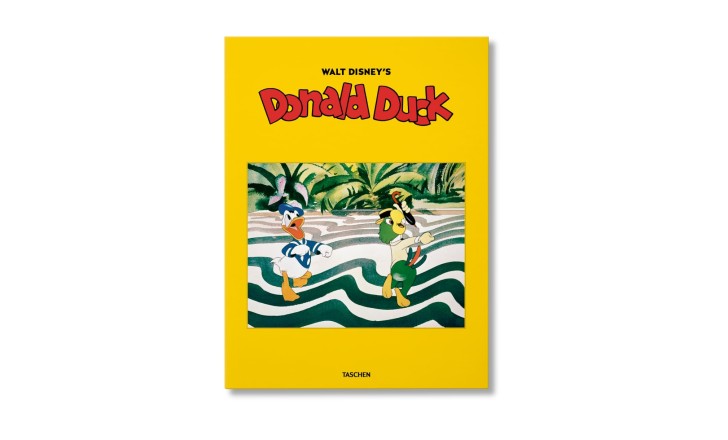
Walt Disney's Donald Duck. The Ultimate History is a different proposition: a collector's edition limited to 1,000 copies, built around the work of Carl Barks, with facsimiles of 128 storyboard sketches for the short film Sea Scouts and a portfolio of eight pieces of concept art.
These are the books that get read aloud and then kept for 30 years.


Arranging Tips
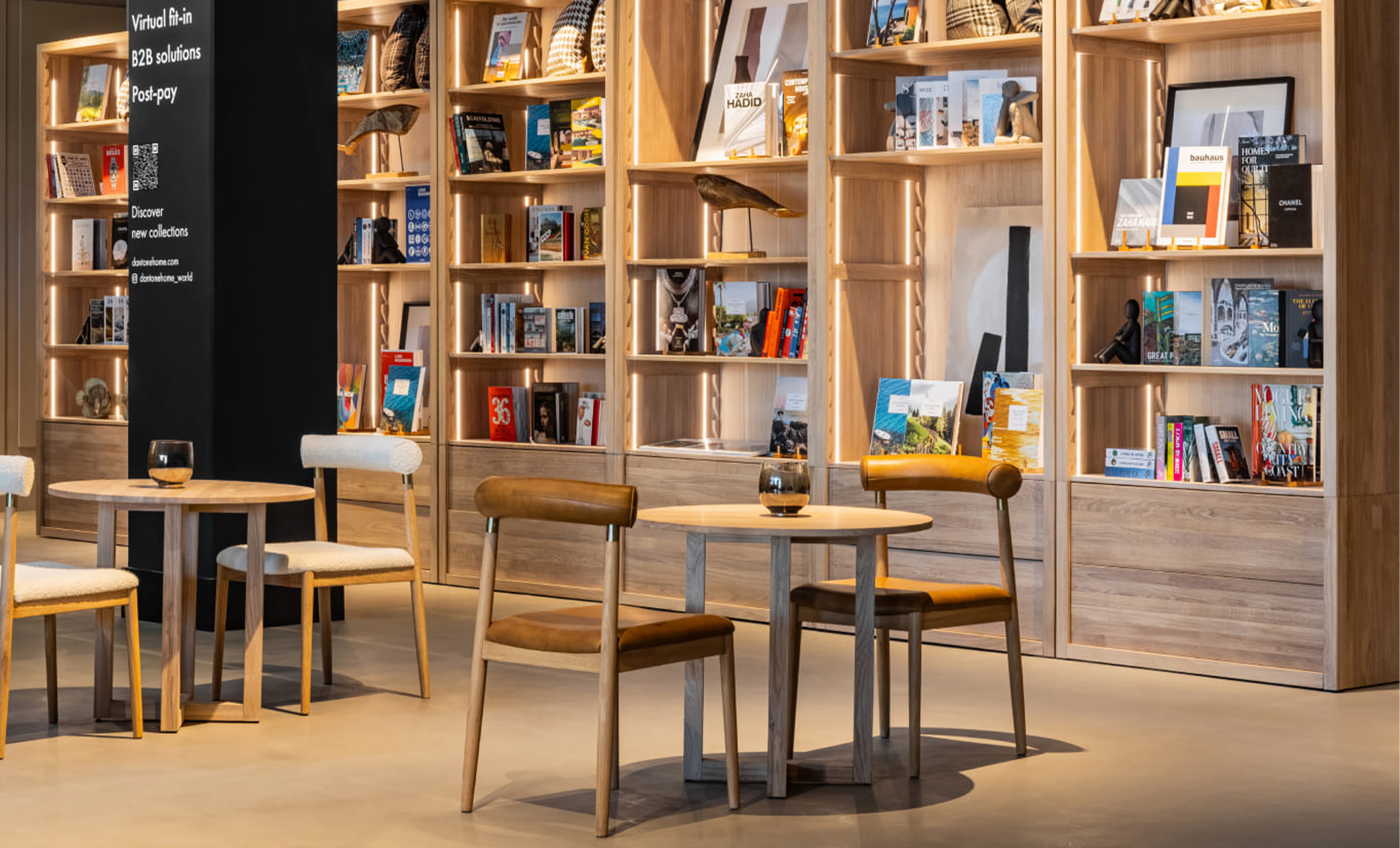
Come and see the library at Dantone Home, where our designers will help you choose a book or a set for a coffee table or a shelf