
The Ultimate Guide to the Luxe: Signature Carving & Designer Pairings
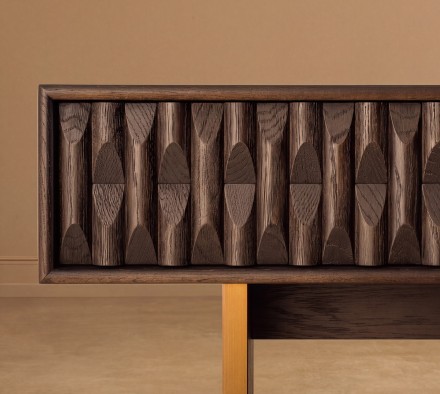
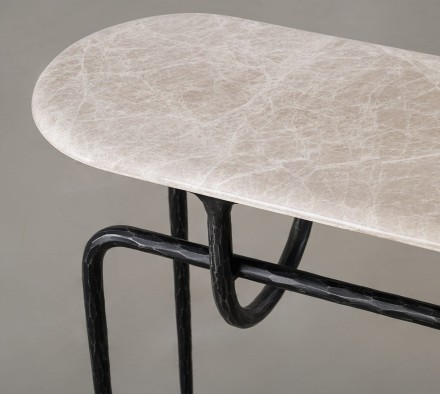
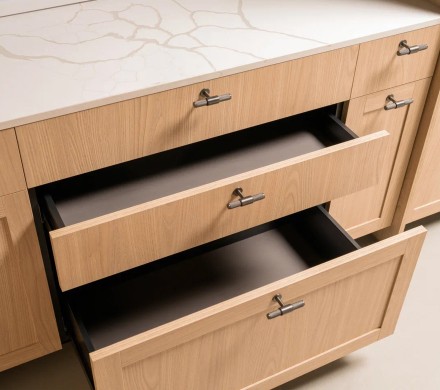
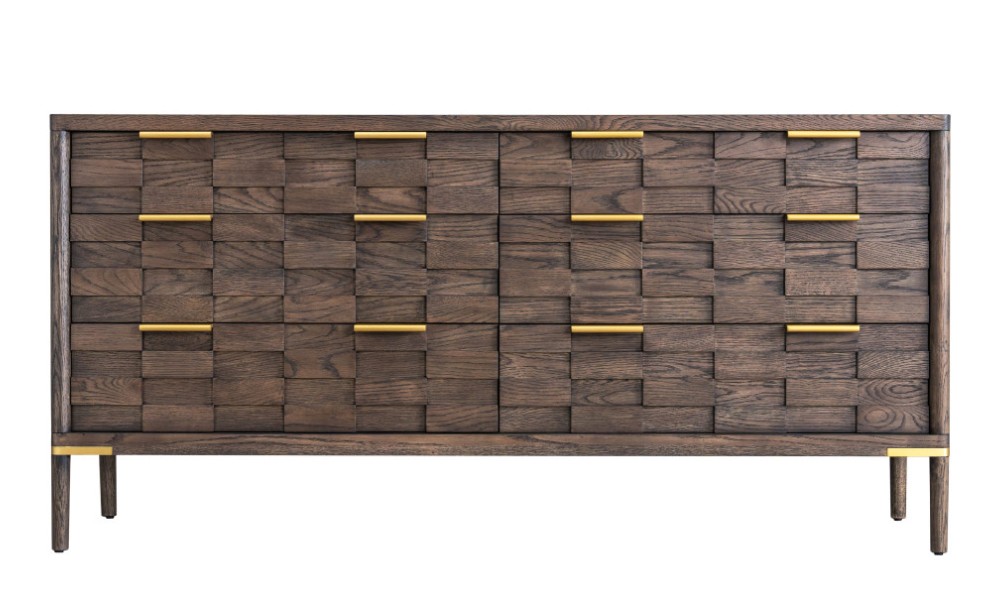
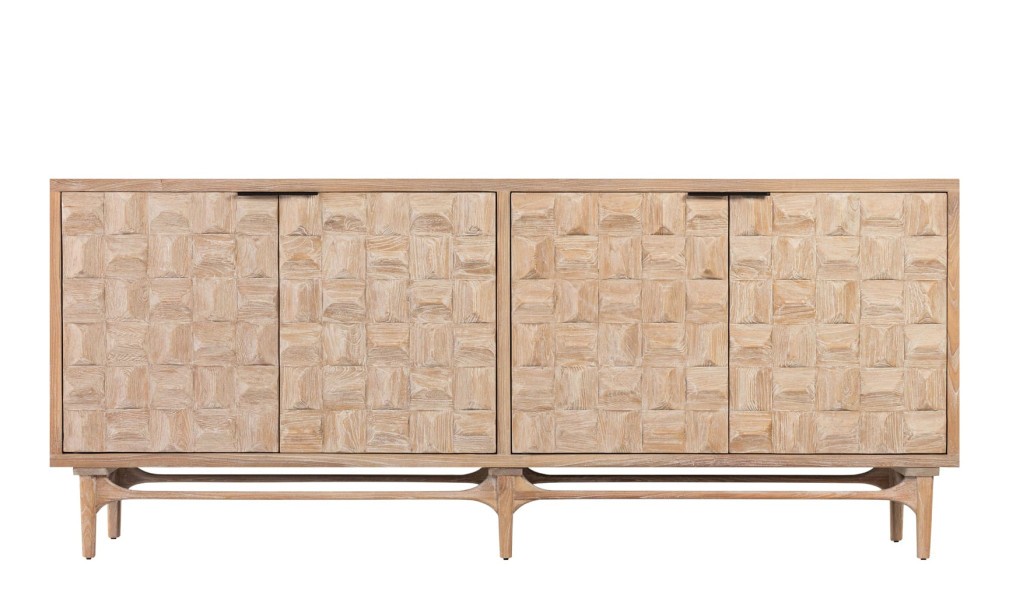
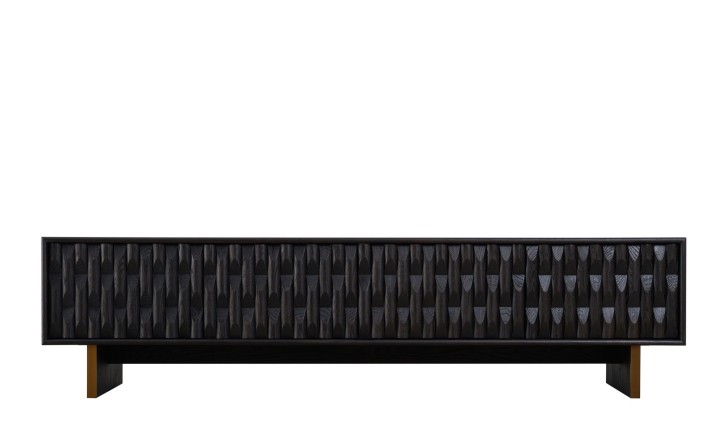
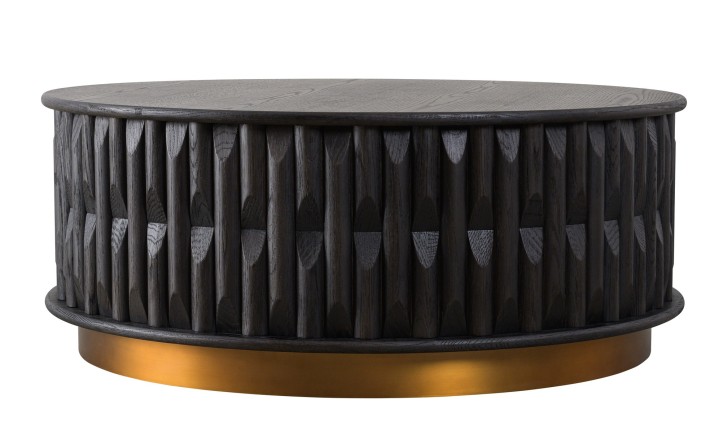
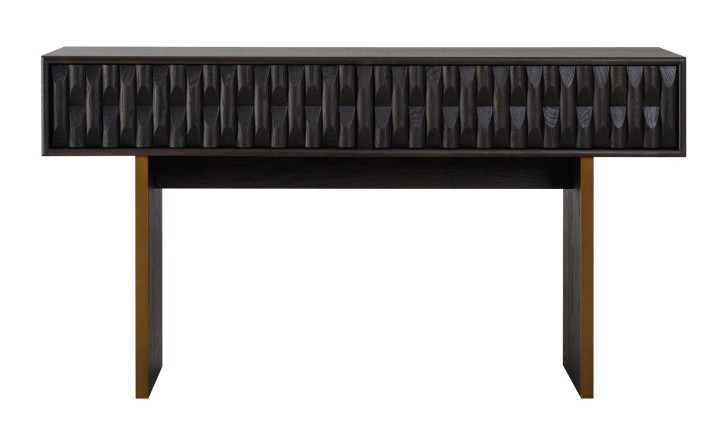
Luxe began as a collection about surfaces. Solid oak carved by hand in a black-brown dry finish, a plinth of brass 10 mm thick, and not one flat face anywhere: James Patterson's limited edition was designed to be read by the light rather than by the eye alone. Since its launch this summer it has found its way through the house, from the console inside the front door to the sideboard in the dining room.
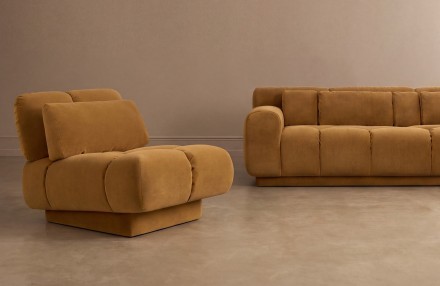
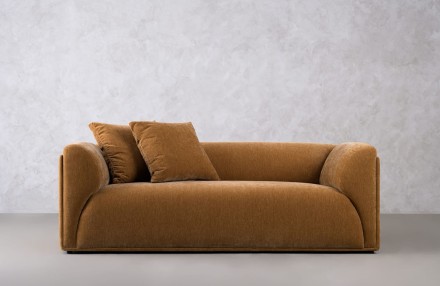
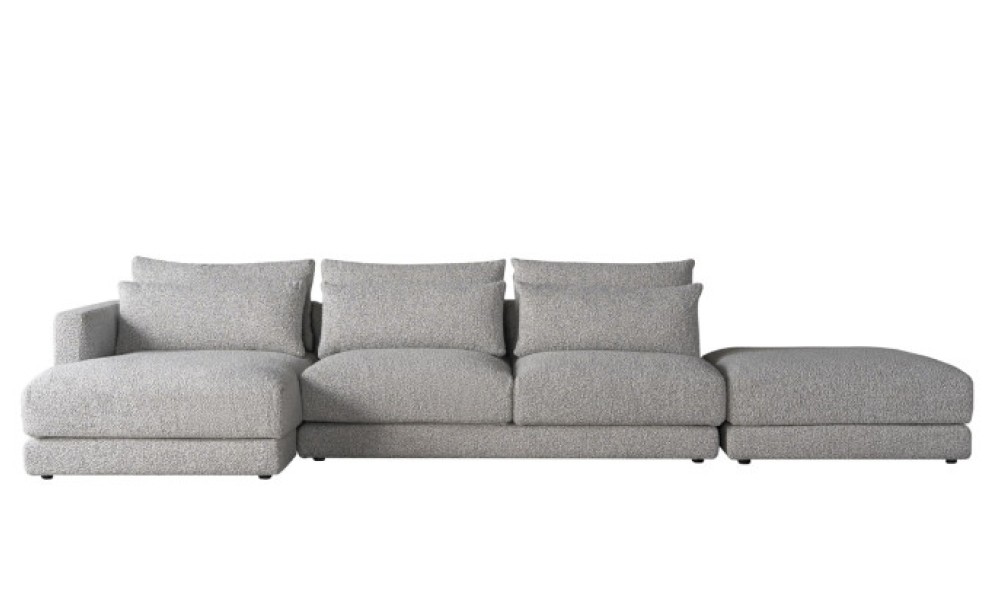
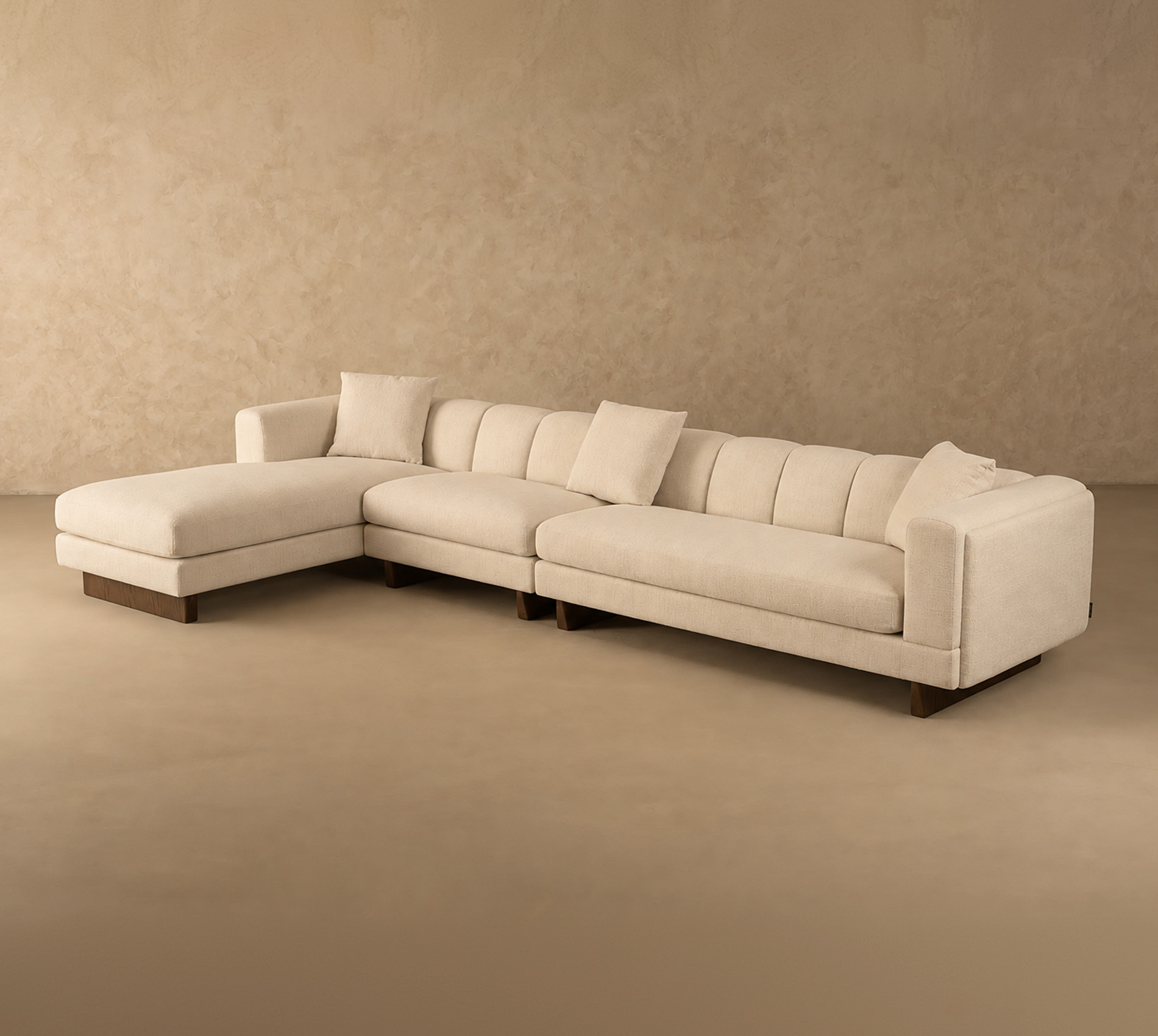
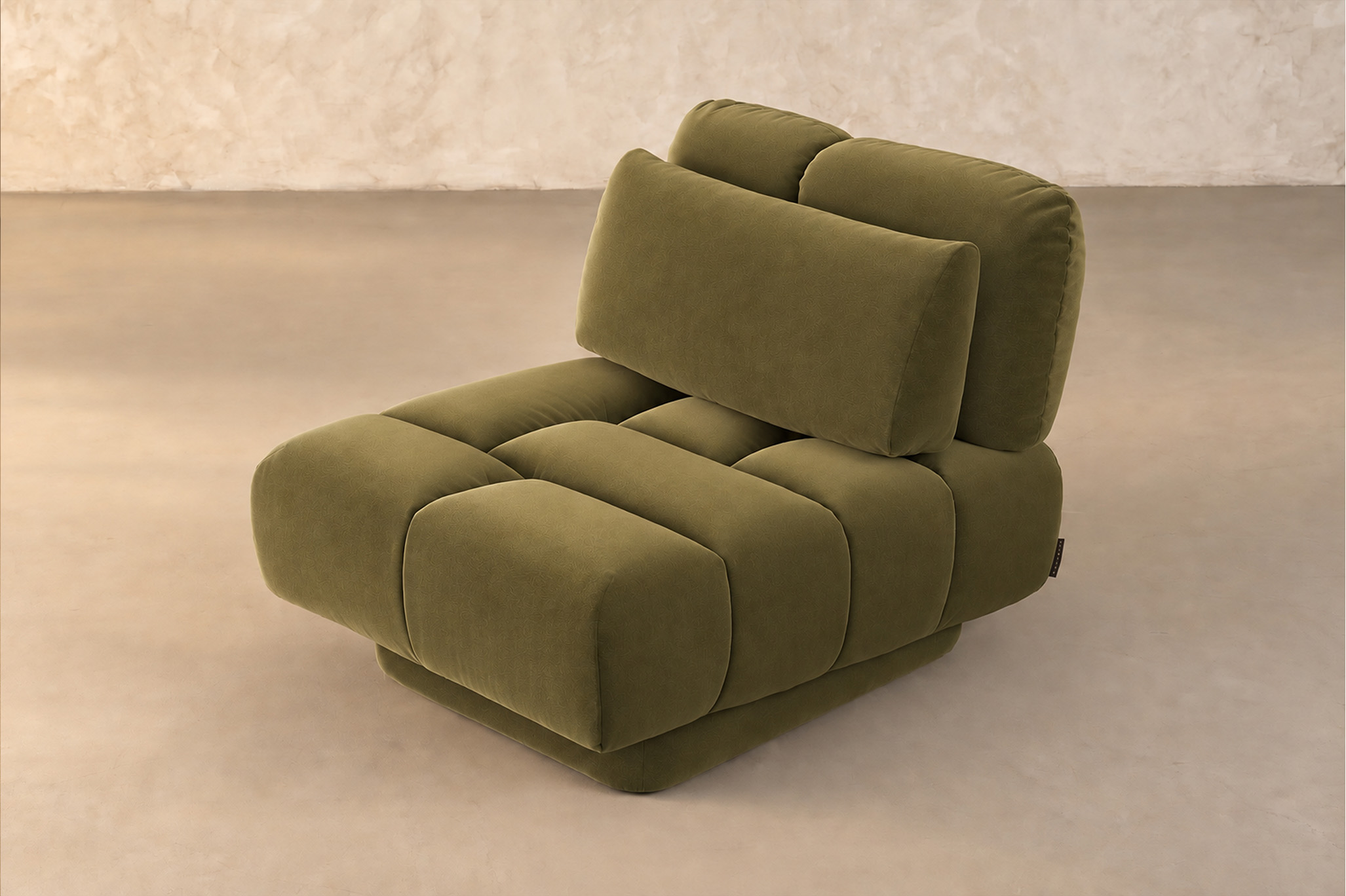
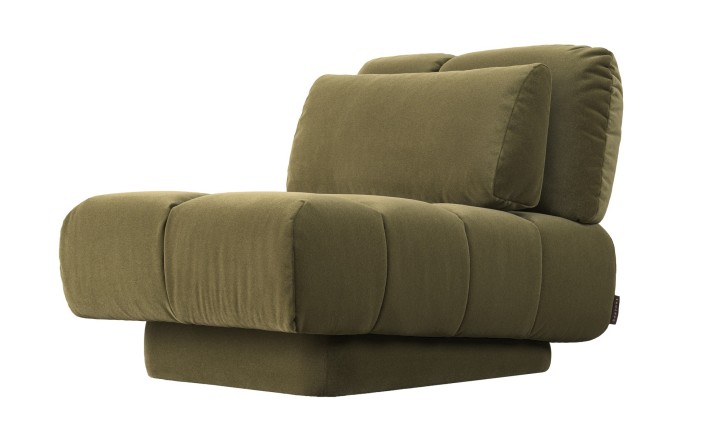
A seat deep enough to sit sideways in, a back divided into soft sections, and a base low enough that the carved pieces around it keep all the attention
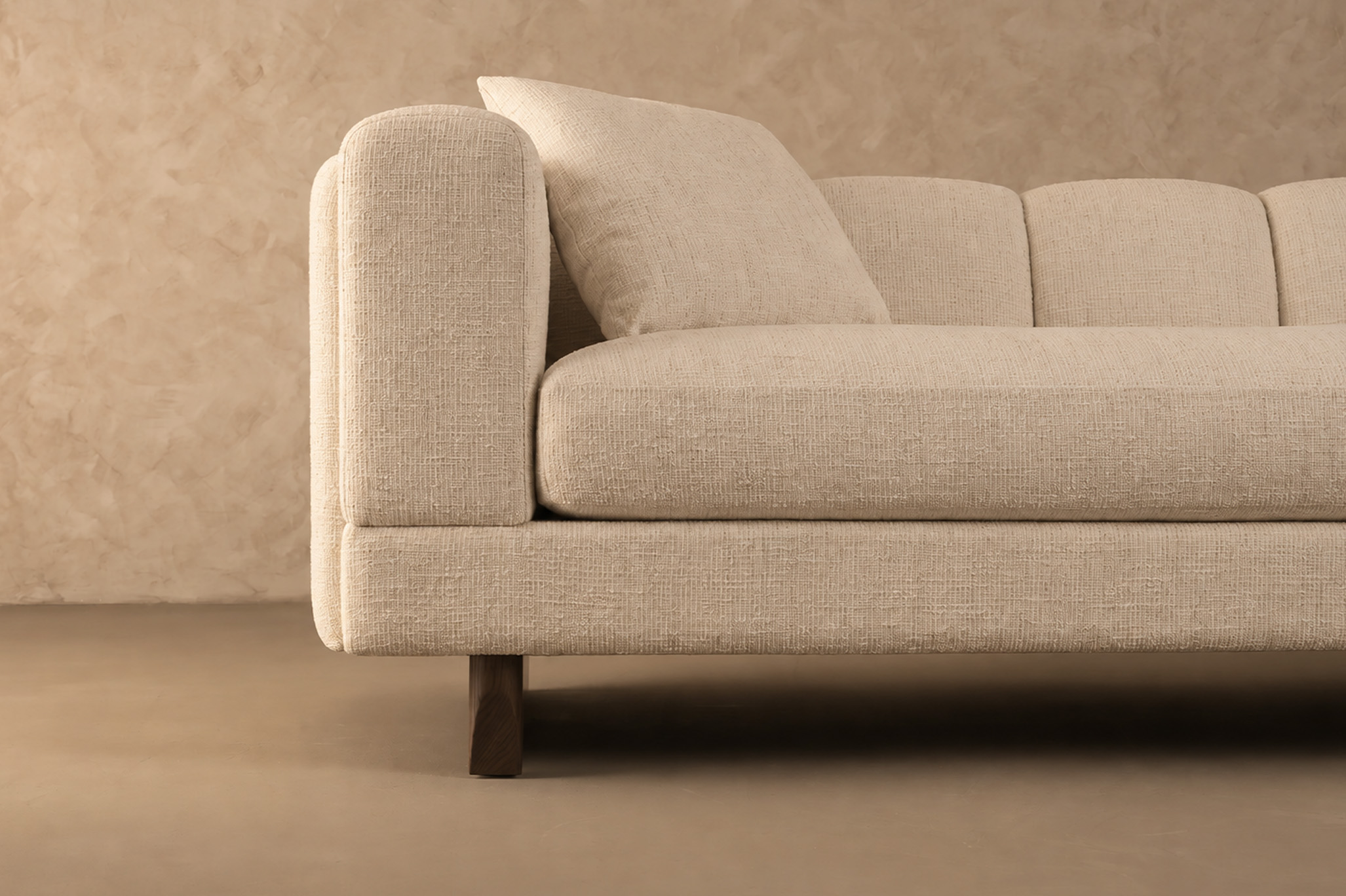
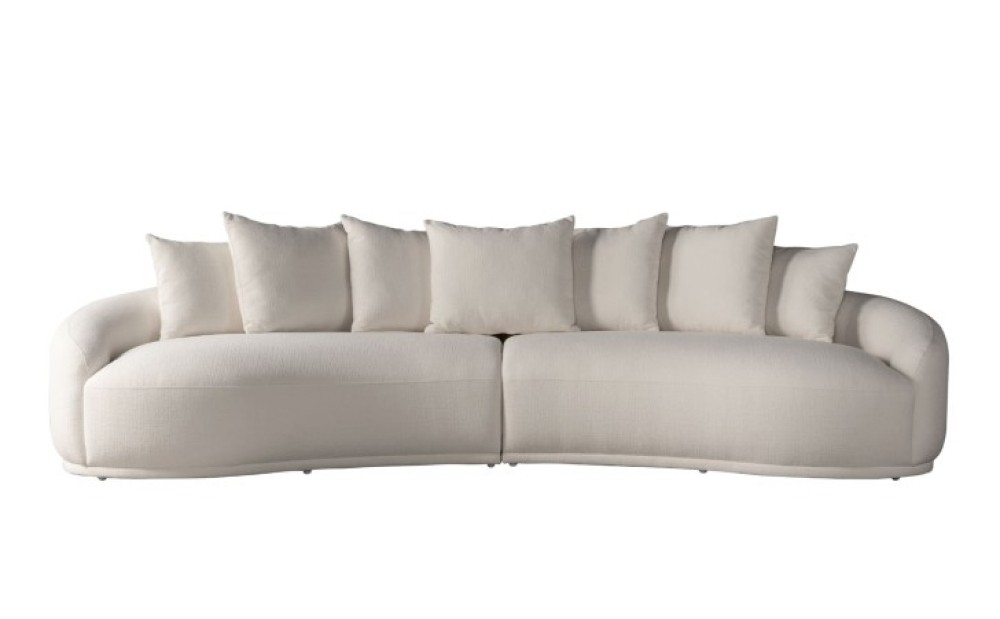
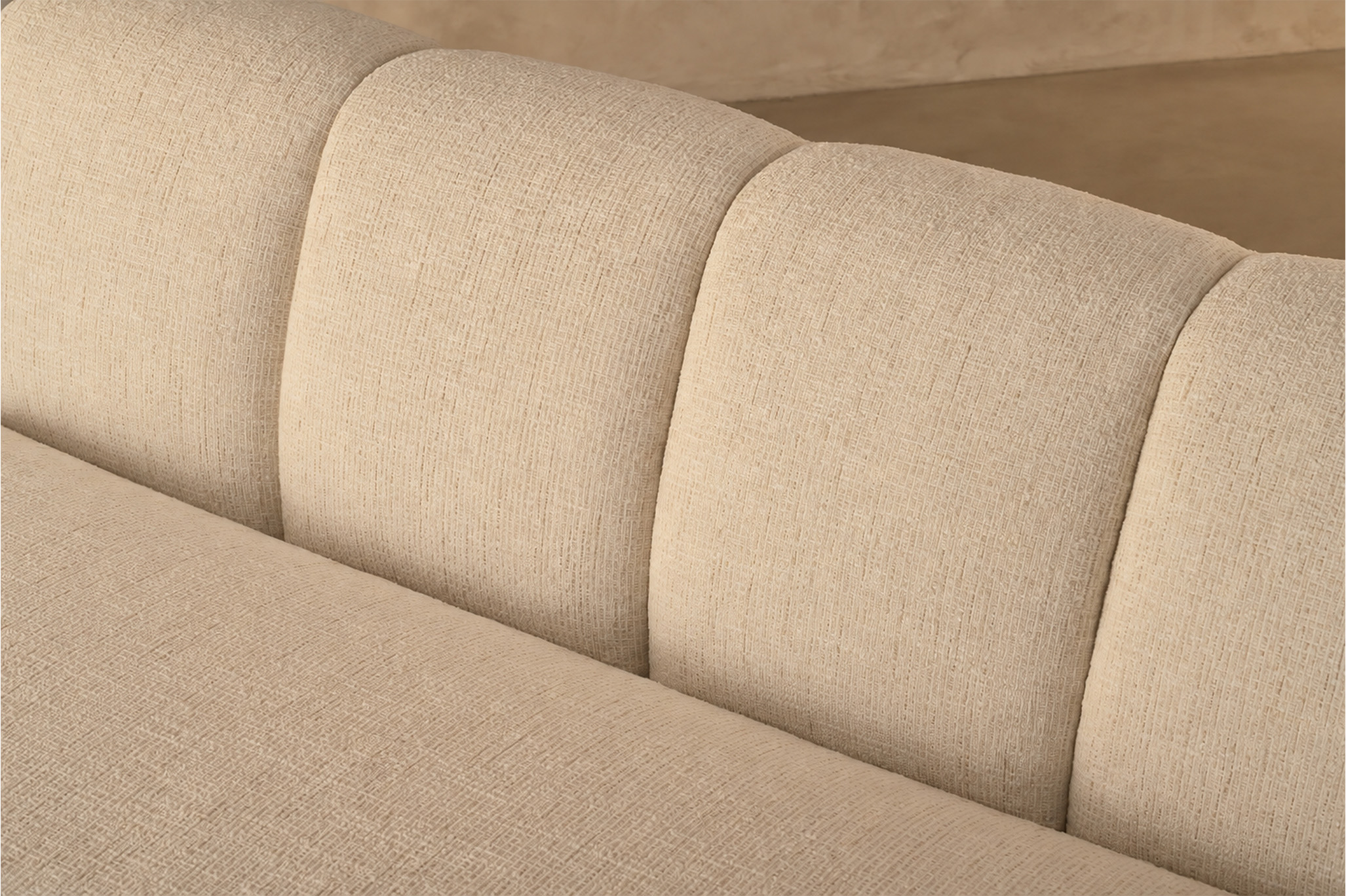
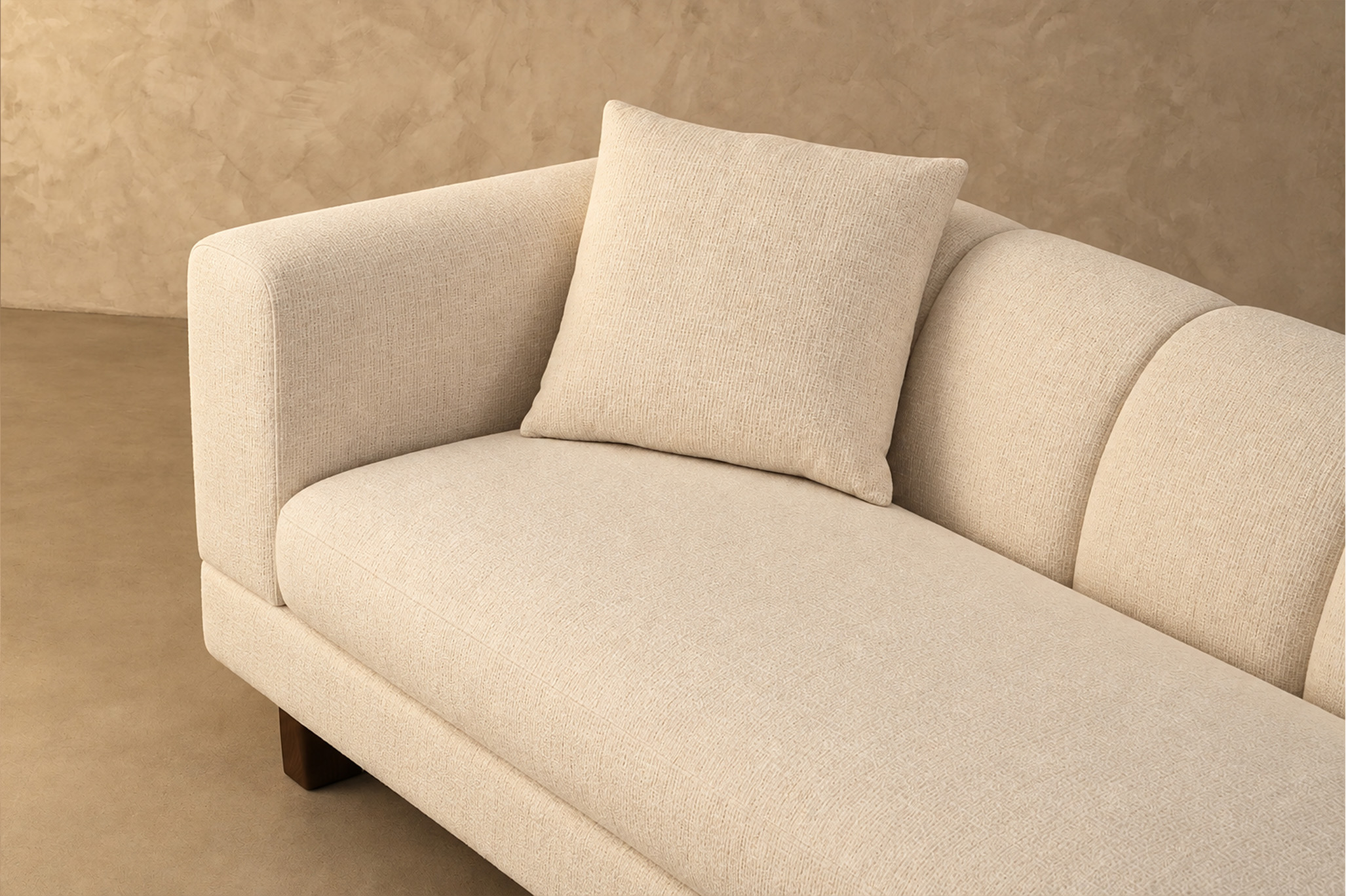
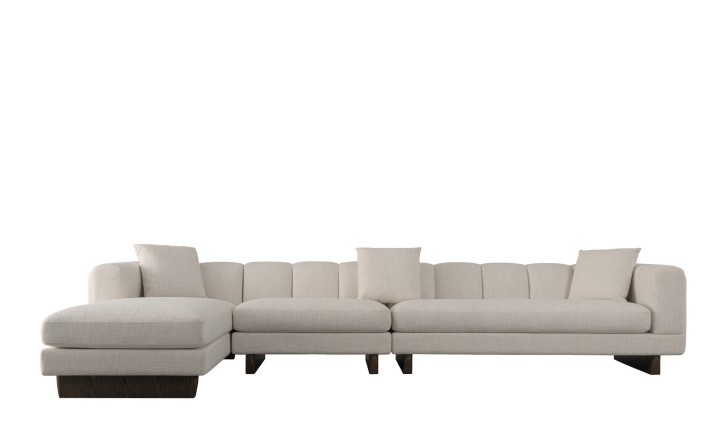
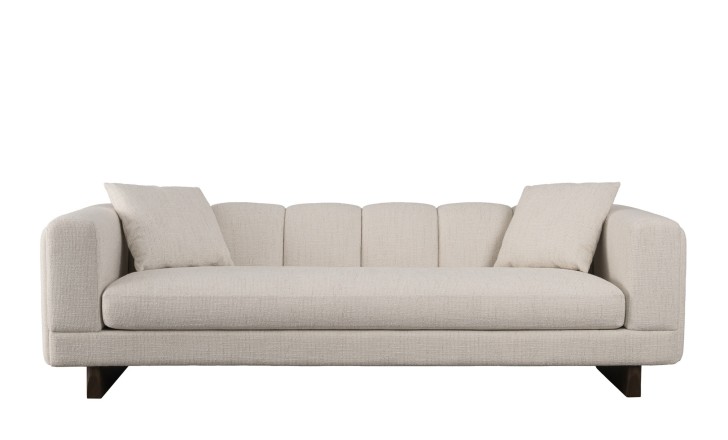
The sofa is the piece it did not have, and it asks a different question. A carved front is looked at; a sofa is sat in, and for two or three hours at a time. So the drawing changes register. The back is divided into soft vertical sections that give the eye the same rhythm the carving does, but in fabric rather than timber. The seat is a single unbroken cushion, so nothing runs across it where a body goes. And instead of legs there is a low timber base that sets the mass on the floor, the upholstered answer to the brass plinth on everything else in the range.
Three Seats or Sectional
The three-seater runs 258 cm long and 102 cm deep, which is the depth at which you stop sitting upright and start sitting across. It suits the room where the sofa goes against a wall and the evening is spent facing something. The sectional does the opposite job: with a chaise on one end it becomes the piece people lie on rather than sit on, and it holds a large open-plan room together where a straight sofa would float in it.
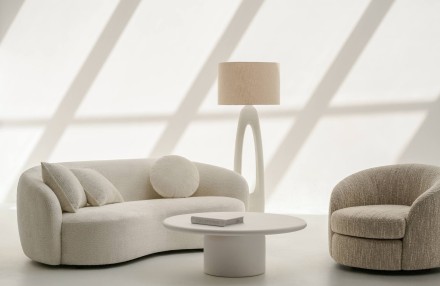
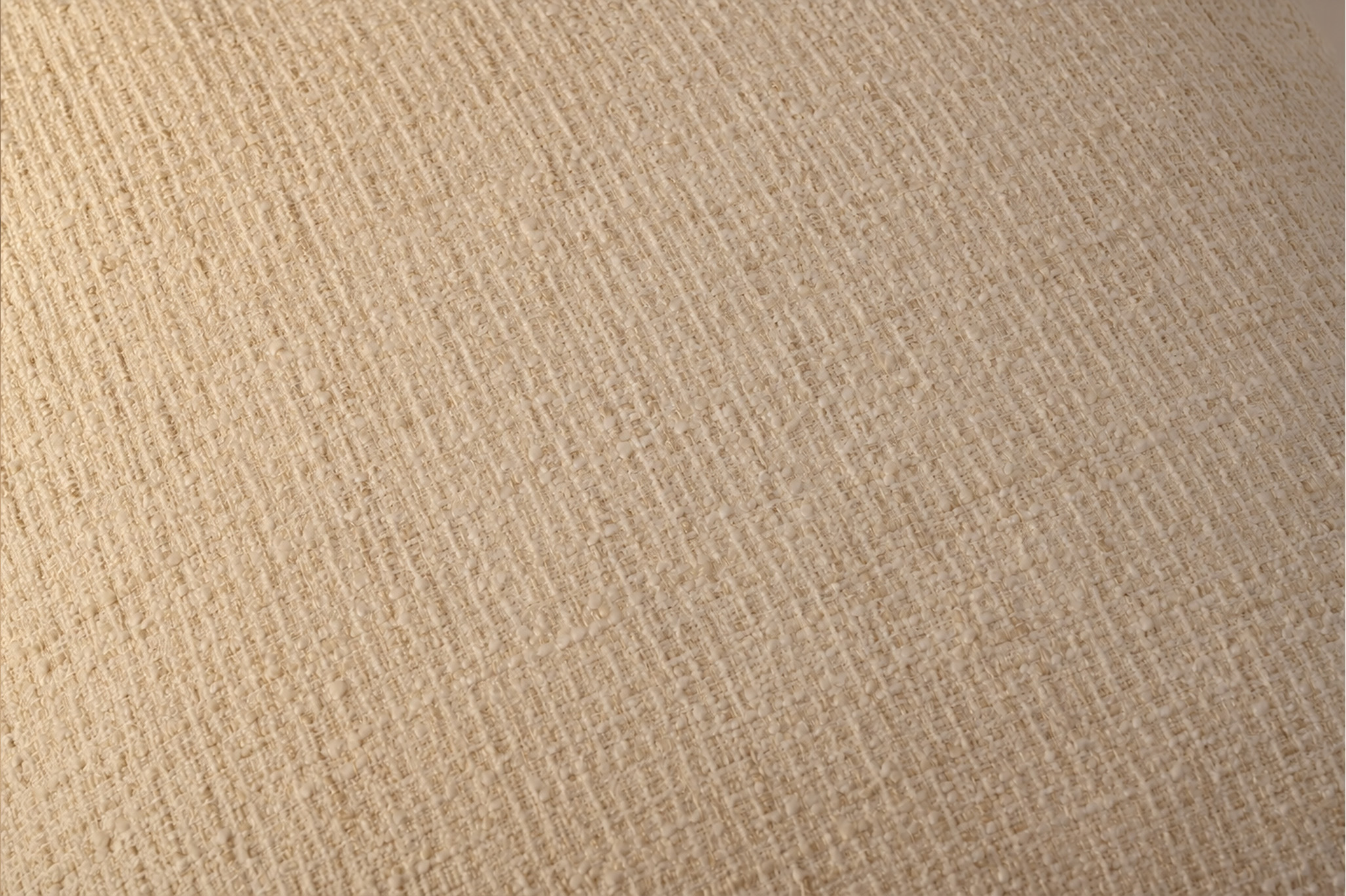
Both are upholstered in a pale, linen-toned weave, and the choice is deliberate. Against black-brown oak a light upholstery keeps the carved pieces as the darkest things in the room, so the relief still reads; a dark sofa would flatten them. The fabric is a loose, slightly irregular weave, which is more forgiving day to day than a flat one: it takes the light unevenly, so creases and use show less.
Set One: The Whole Room in One Collection
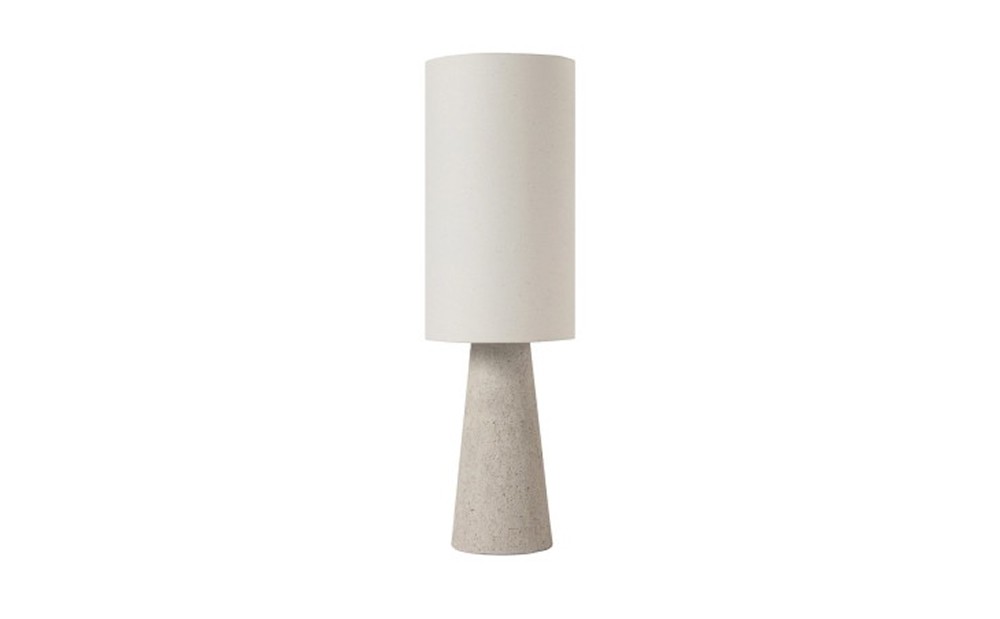
This is the argument for buying a collection rather than a sofa. The sectional, the low media console and the round coffee table are drawn by the same hand, so nothing needs reconciling: the carving repeats at three different heights, and the brass along the base of the table picks up the brass on the console legs and again on the floor lamp.
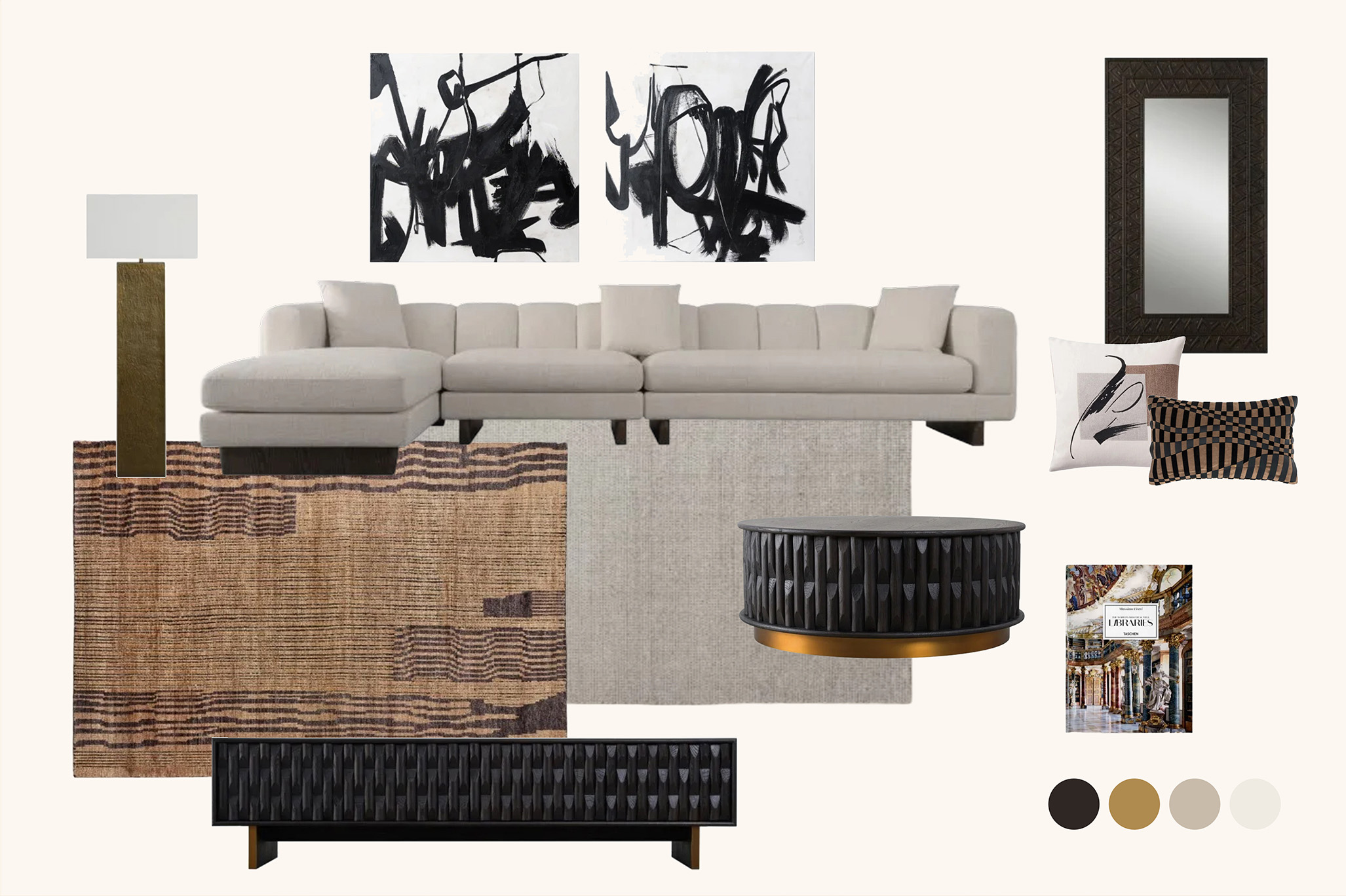
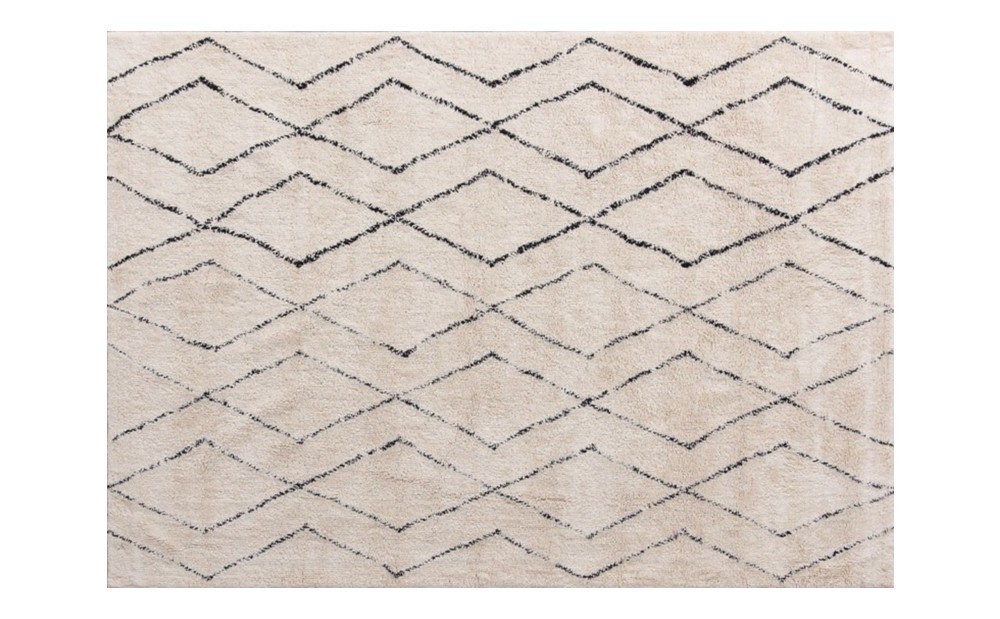
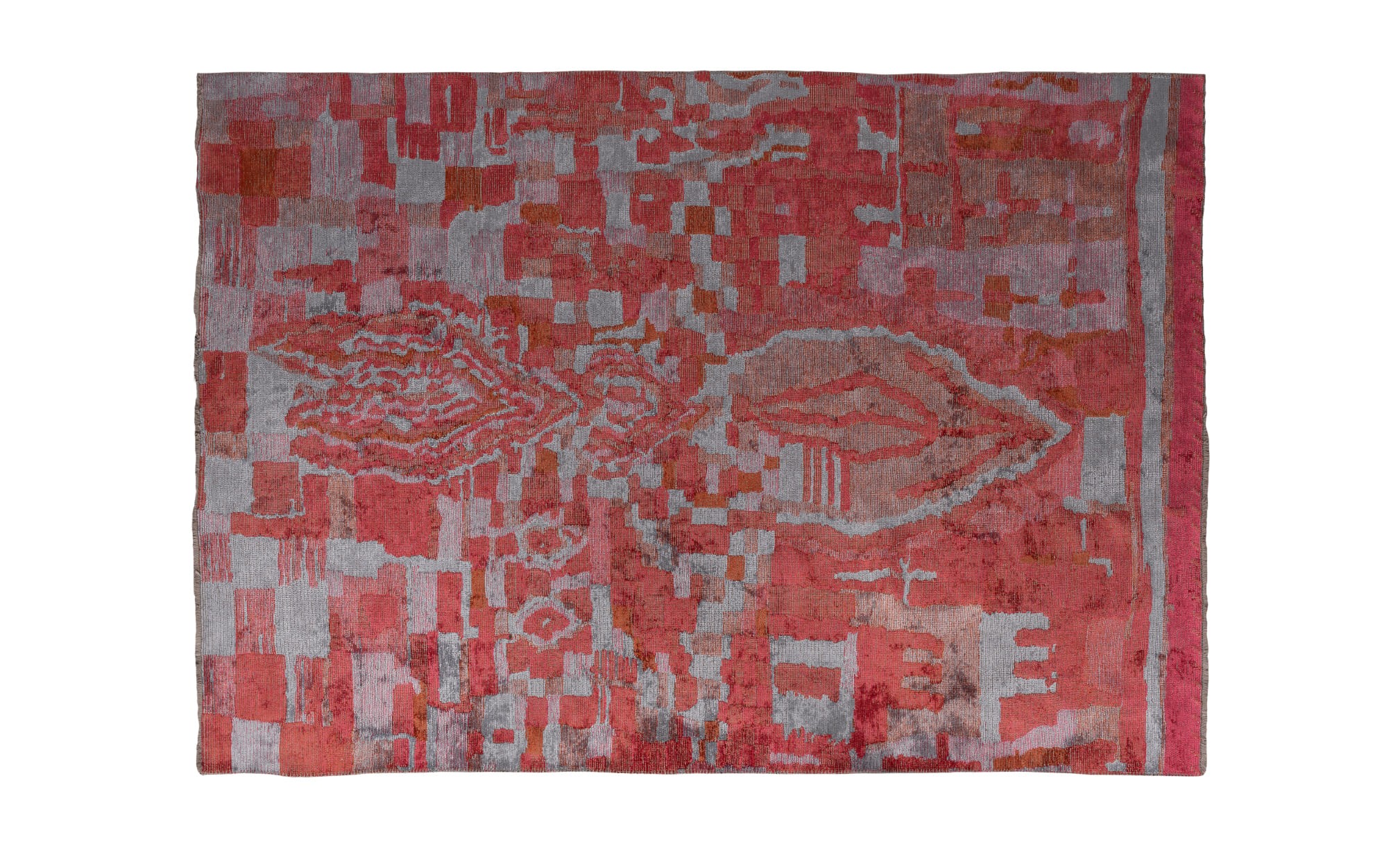
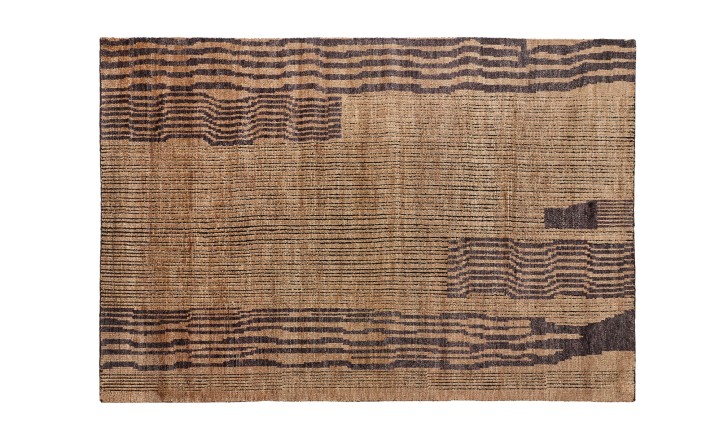
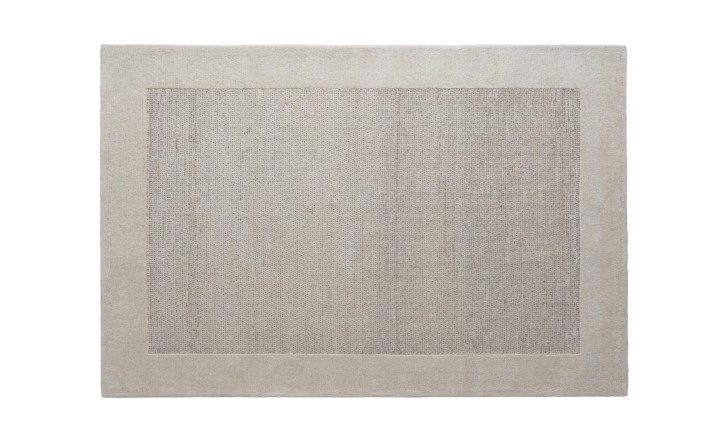
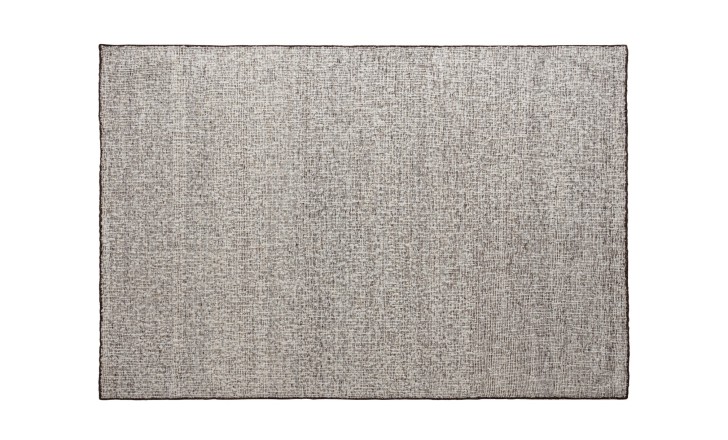
Two rugs are laid one over the other, and that is on purpose. The large Penelopa sits under the whole arrangement and keeps every leg on wool rather than half on and half off, which is what makes a seating group read as one thing. The patterned Riffle goes over it, off-centre, to mark the floor around the coffee table. One rug does the structural job, the other does the visual one, and layering is also the easiest way to cover a wide floor without hunting for a single rug the right size.
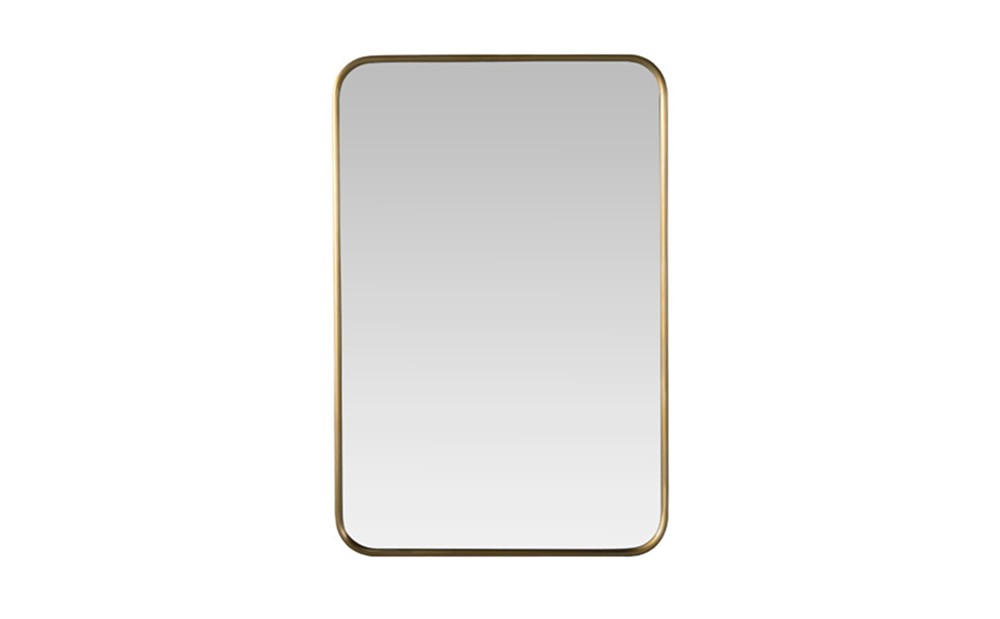
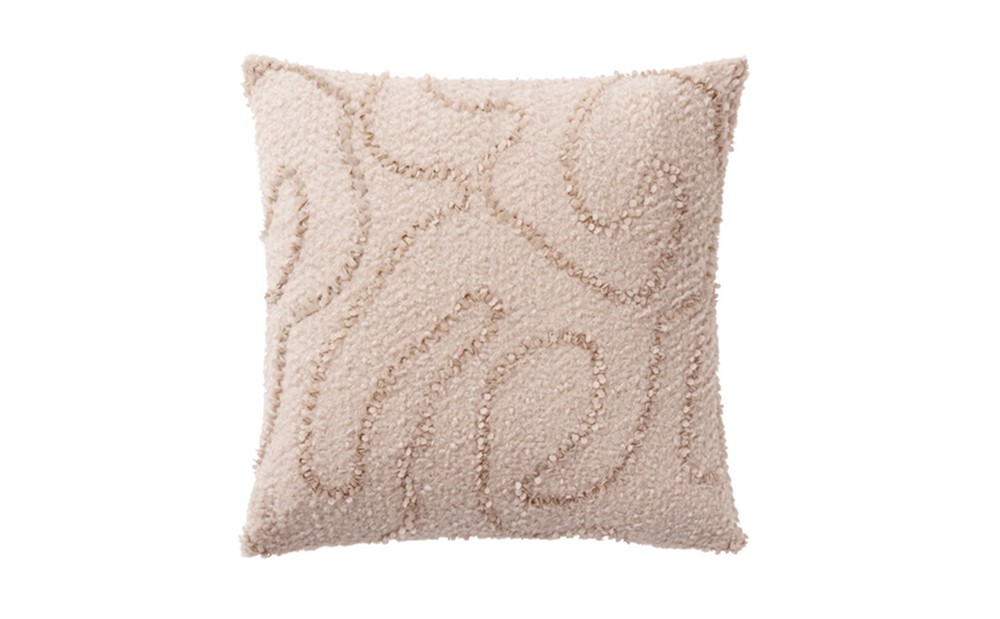
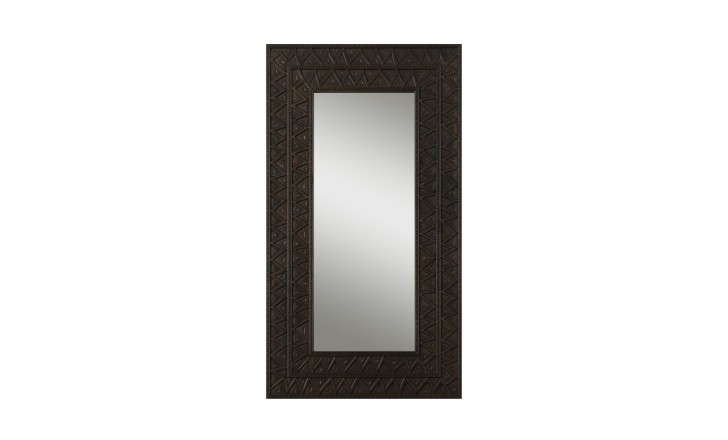
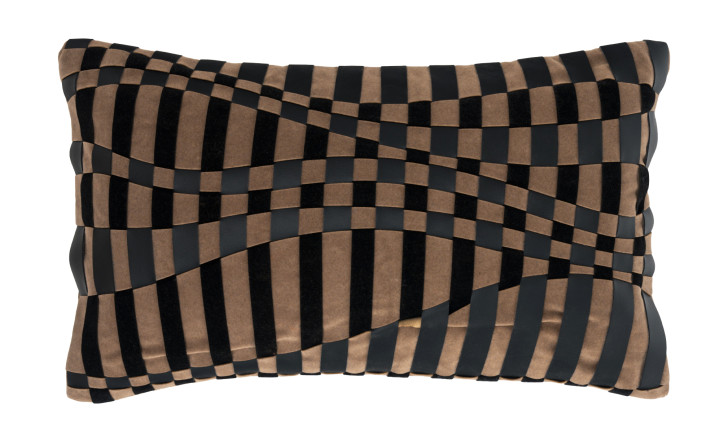
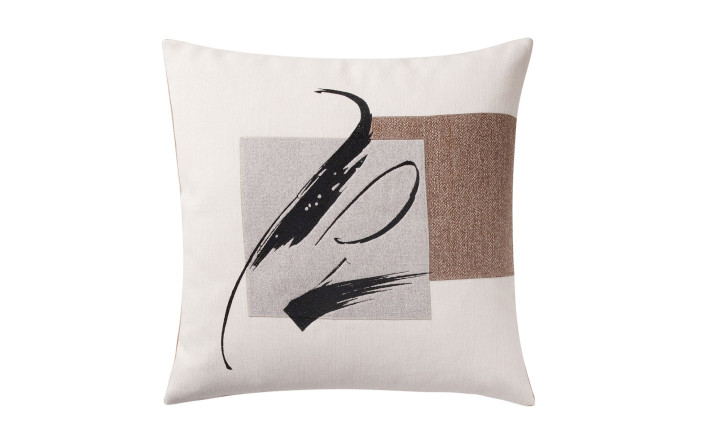
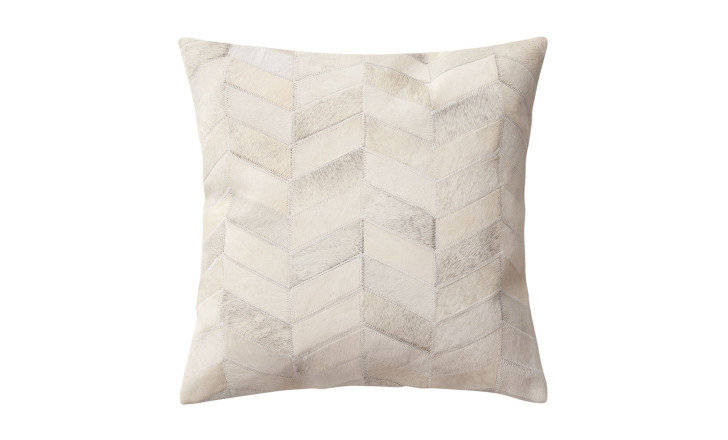
The rest is restraint. A pair of Play Black canvases above the sofa, hung as a pair so they read as one field rather than two pictures. A tall mirror carved in the same language as the furniture, set to bounce the window back into the room. Two cushions with pattern, and nothing else patterned anywhere, which is the only way pattern stays interesting.
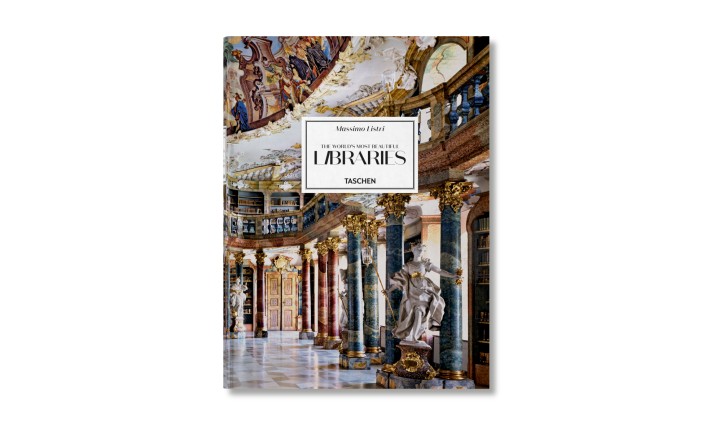
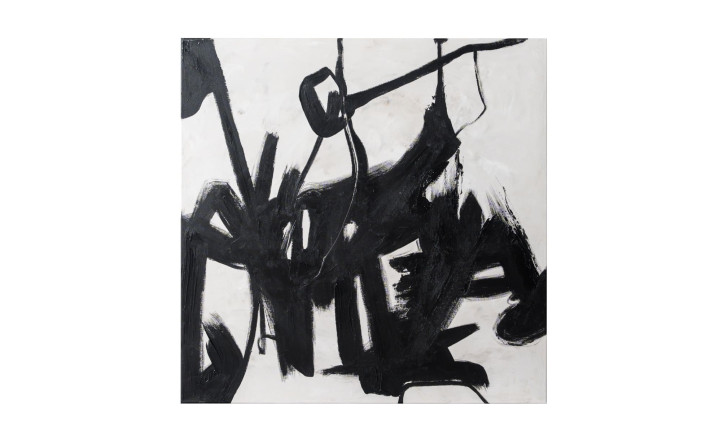
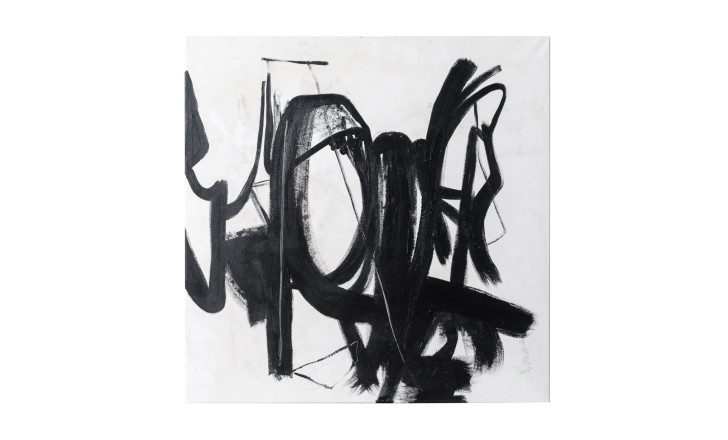
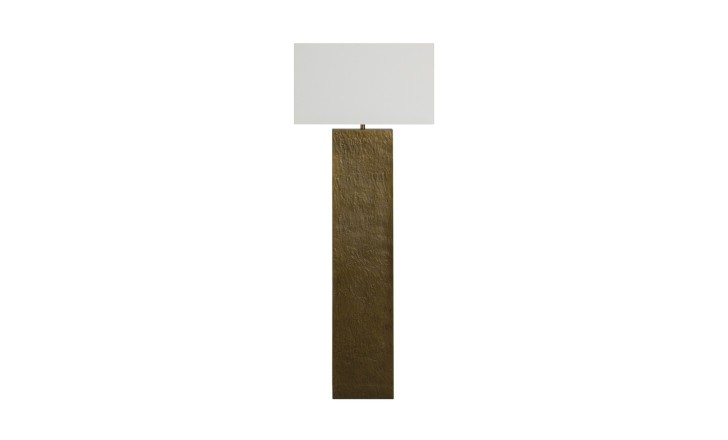
Set Two: One Sofa, One Armchair
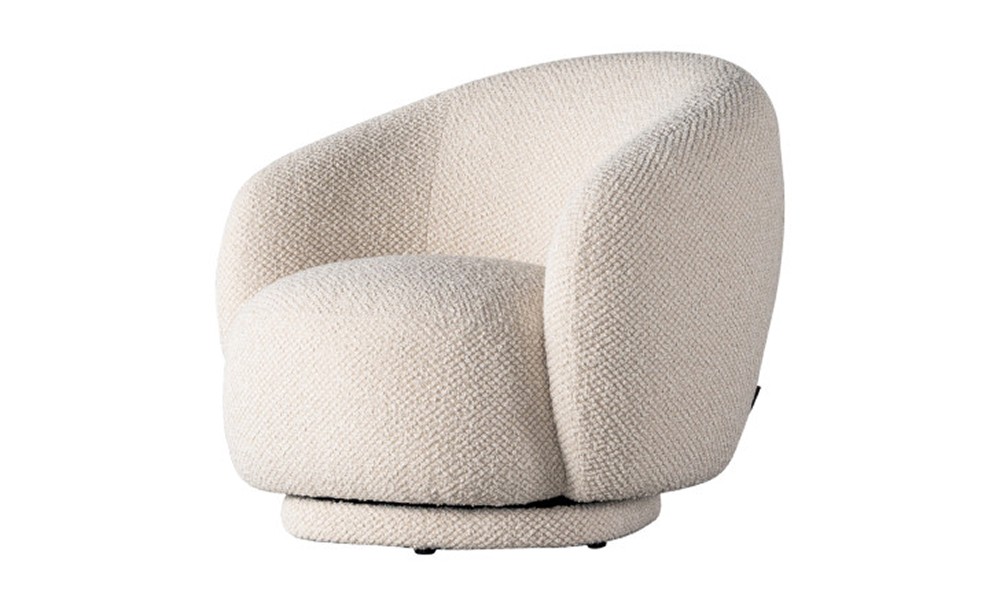
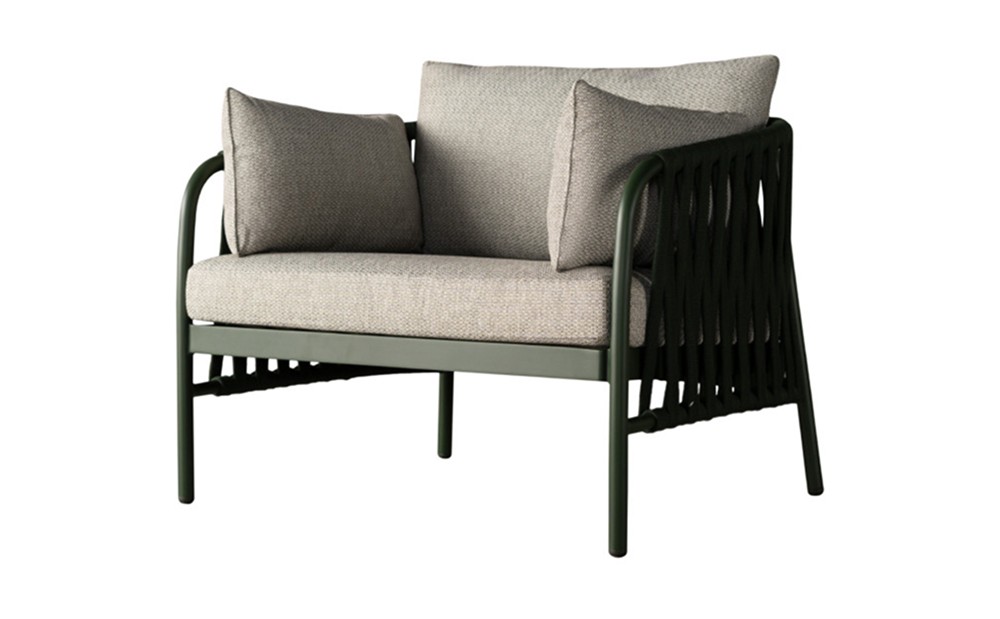
The second arrangement is for a smaller room, and it introduces a second voice. The three-seater takes one side, the Luxe console goes behind it as the surface every sofa needs at its back, and the coffee table holds the centre. Opposite sits a Bubble armchair in moss: David Girelli’s soft, frameless volume against Patterson’s cut oak. The two collections have nothing in common formally, which is exactly why they work; a second carved piece in that position would have been one rhythm too many.
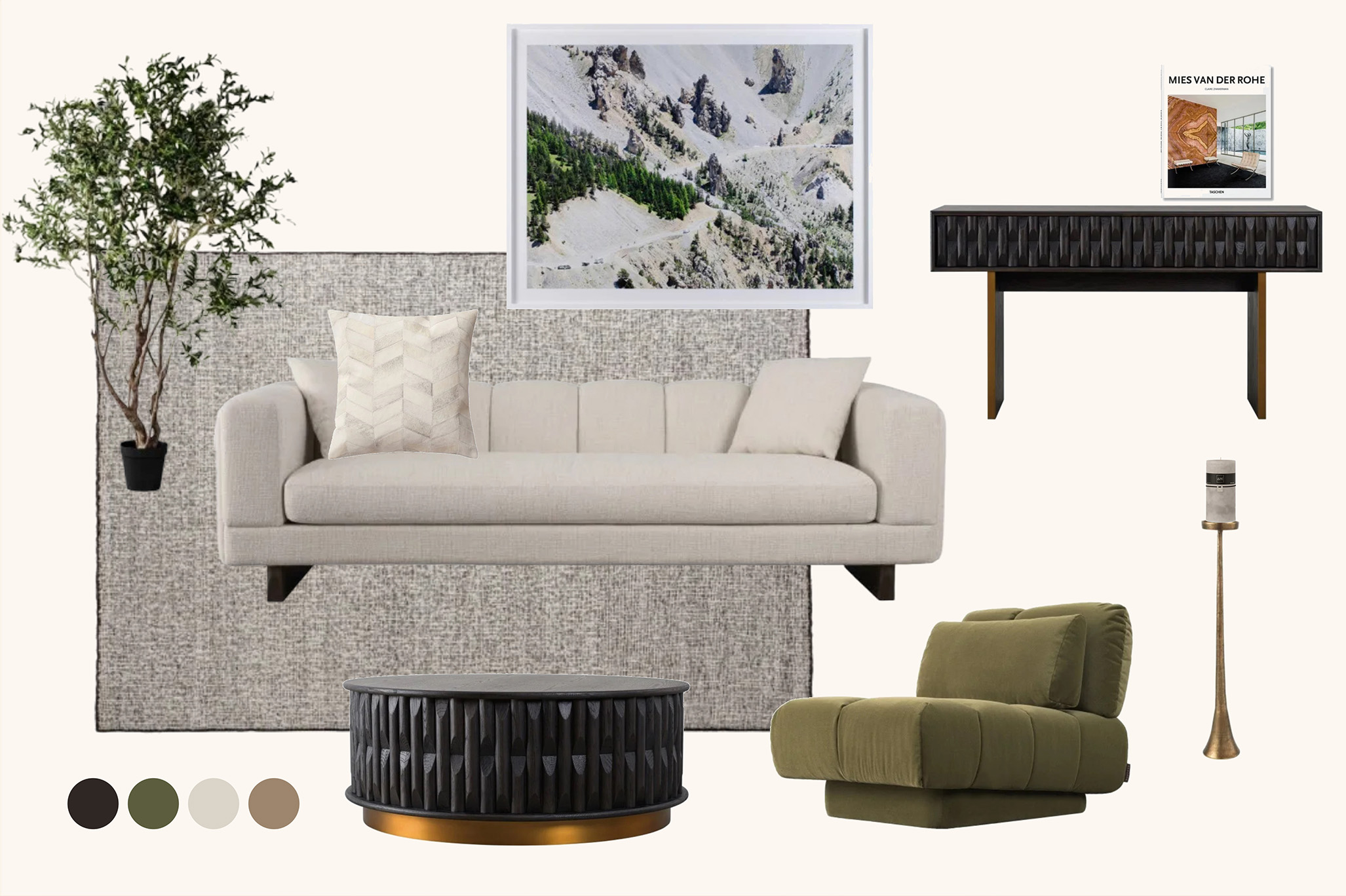
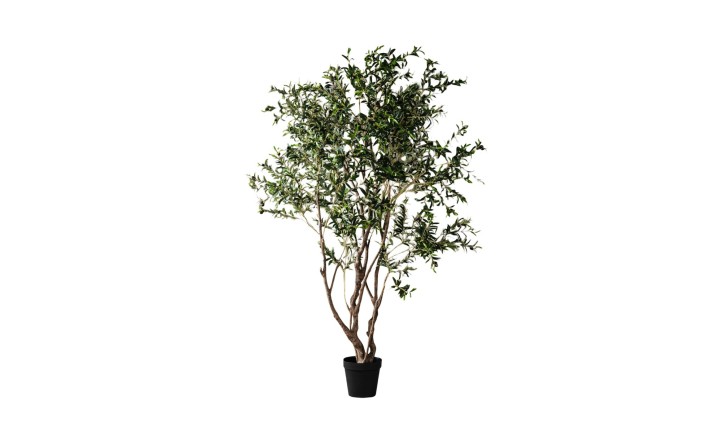
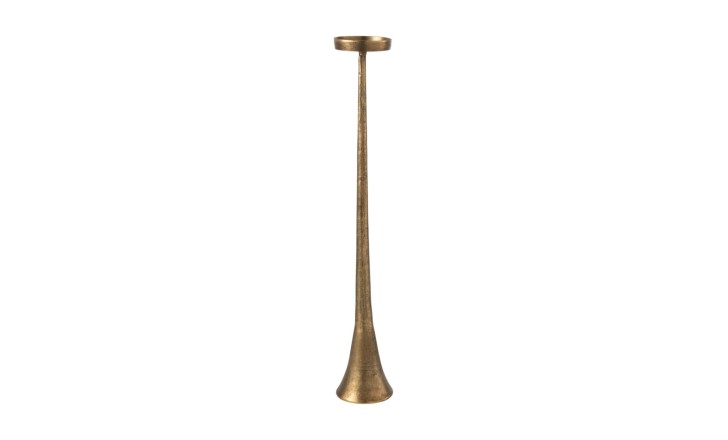
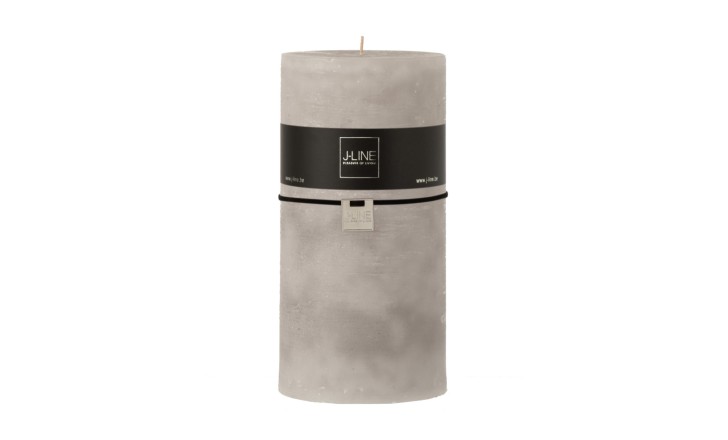
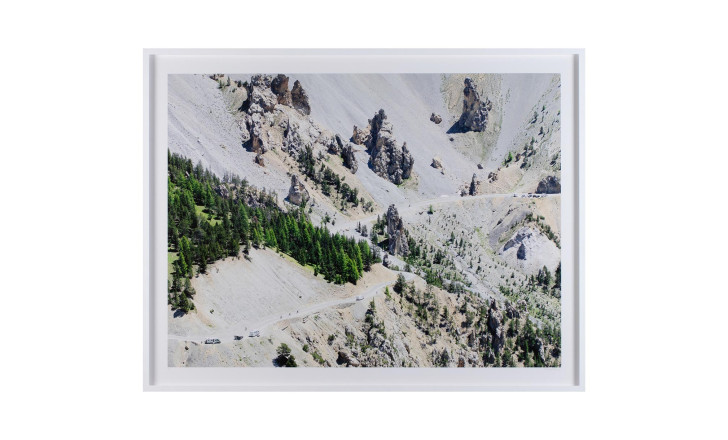
A 260 cm olive tree carries the height that a low sofa gives up, and a framed photograph brings the only cool, distant image into a room otherwise made of timber and wool. On the console, a brass candleholder and a wide grey pillar candle, which is the light you use when the floor lamp is too much and the ceiling is out of the question.
Both sets are built from pieces on the shelves now, and either can be taken apart and rebuilt around the room you actually have: the Dantone Home designers will work out the sizes, the rug layers and the order to buy things in