

Tess Bed: Designed to Be Seen
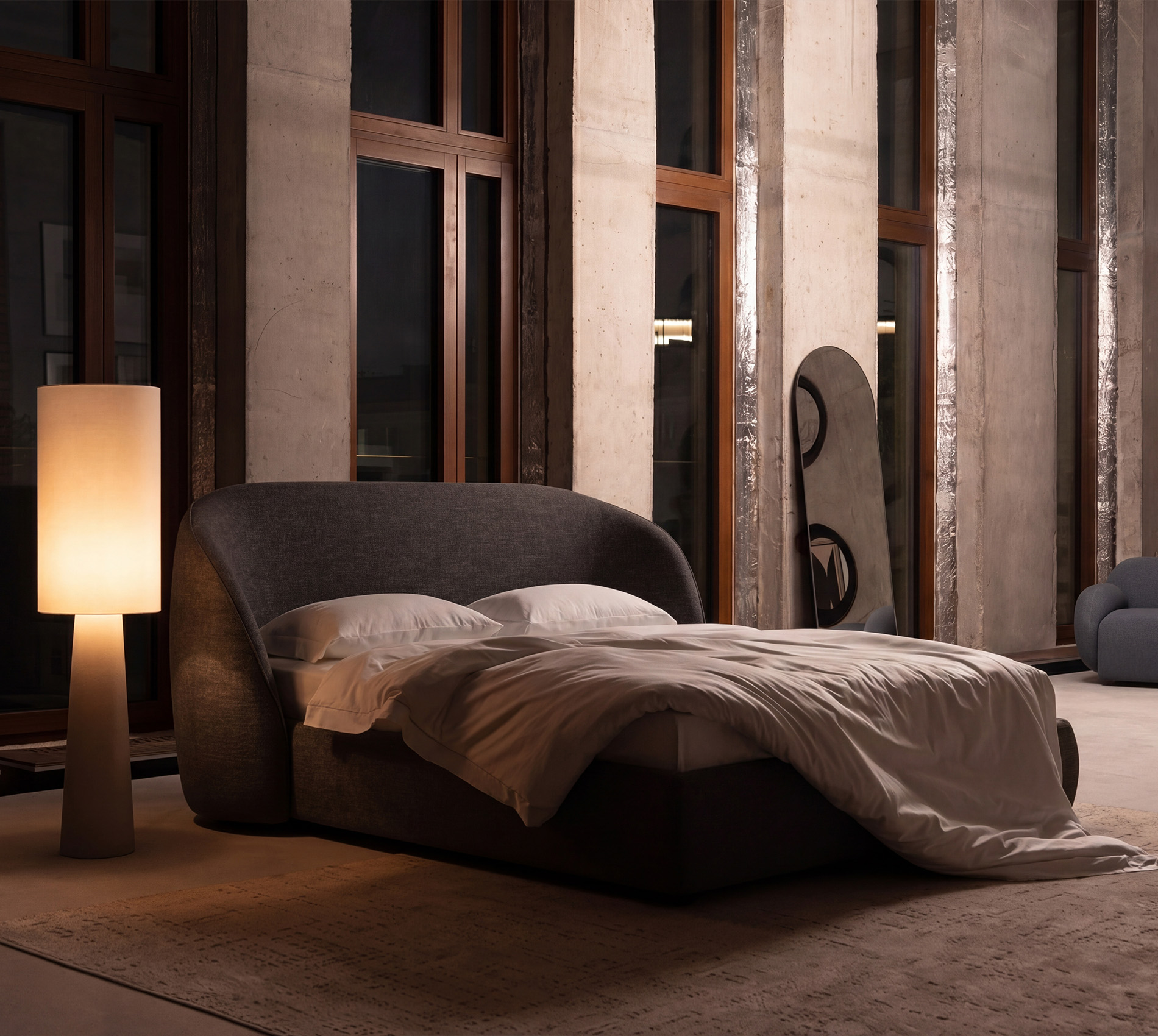
The Curve
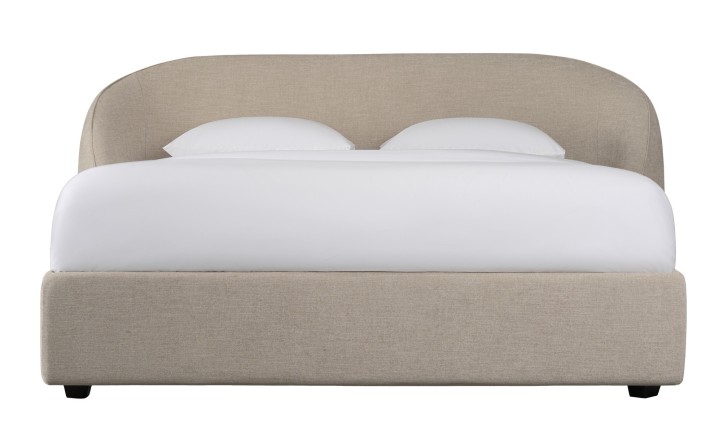
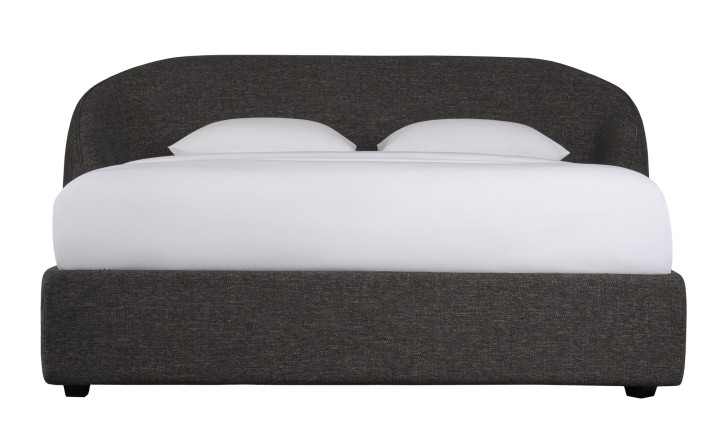
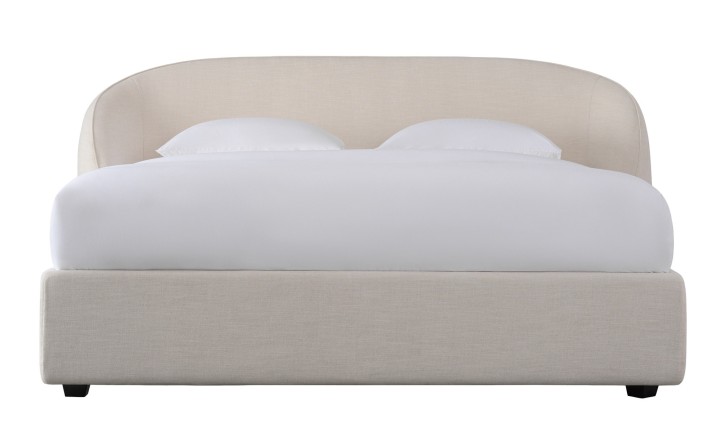
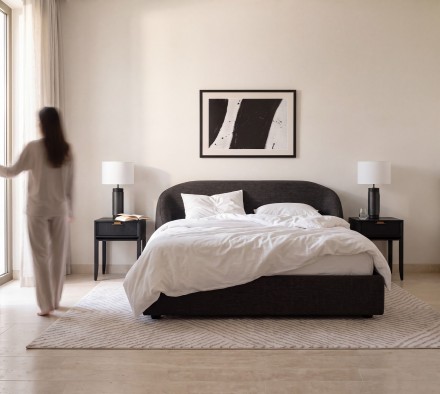
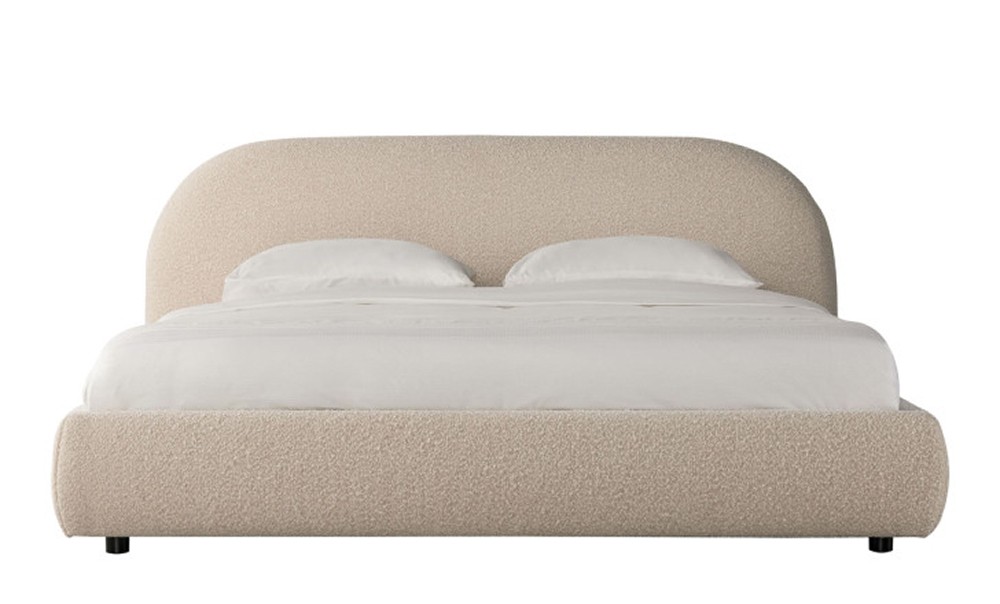
One continuous arc runs from the centre of the headboard down to the base on each side, with no corners, no joints, no break in the upholstery. The line is simple but the effect is architectural: the bed reads as a single volume rather than a frame with a panel attached to it. Up close, the seam follows the curve precisely: a detail that only registers when you look for it, but one that holds the whole form together.
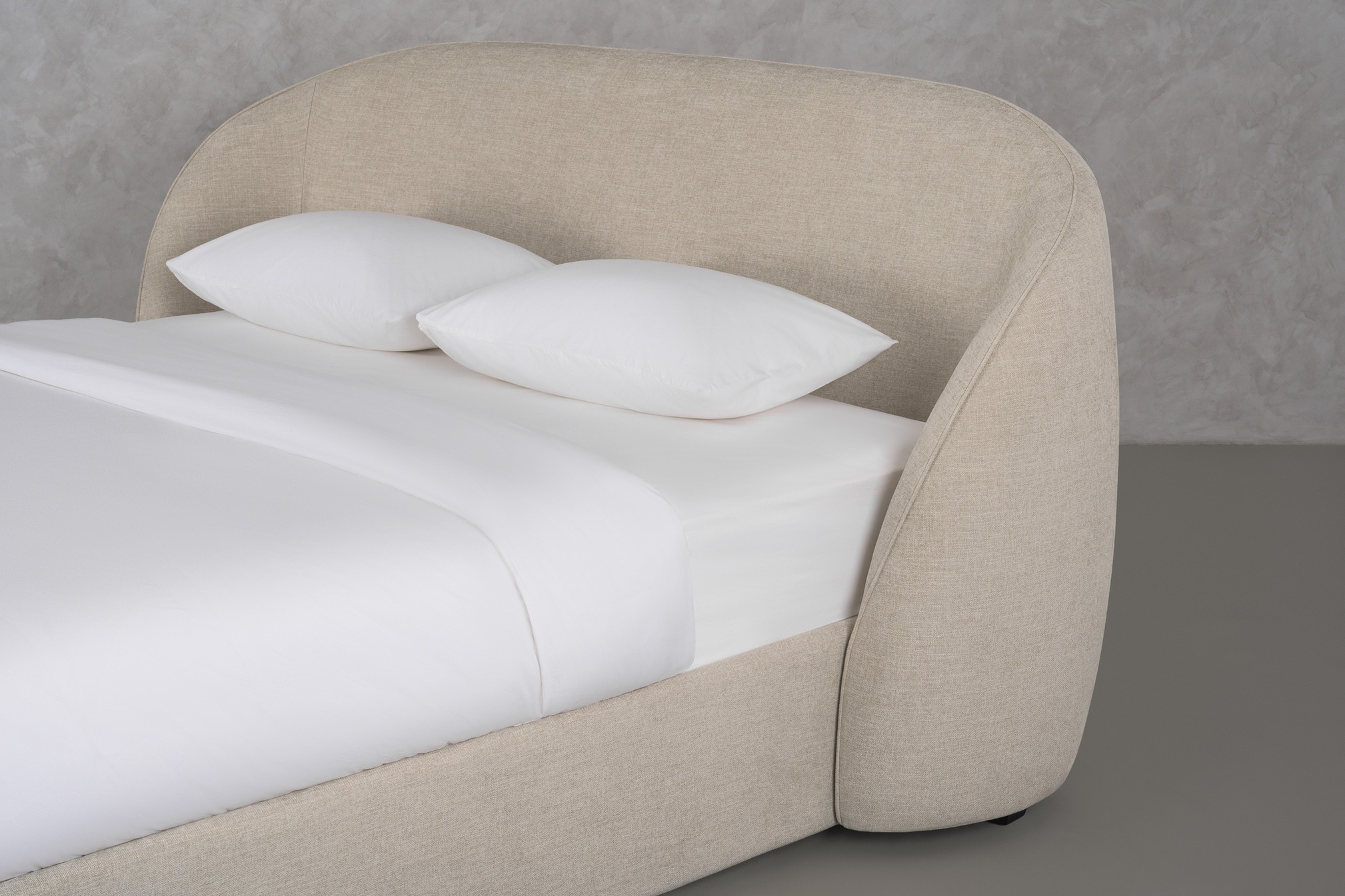
Lift the base and the entire bed becomes storage: room for winter duvets, spare pillows, seasonal layers, and anything else the bedroom is better off keeping out of sight
From Every Side
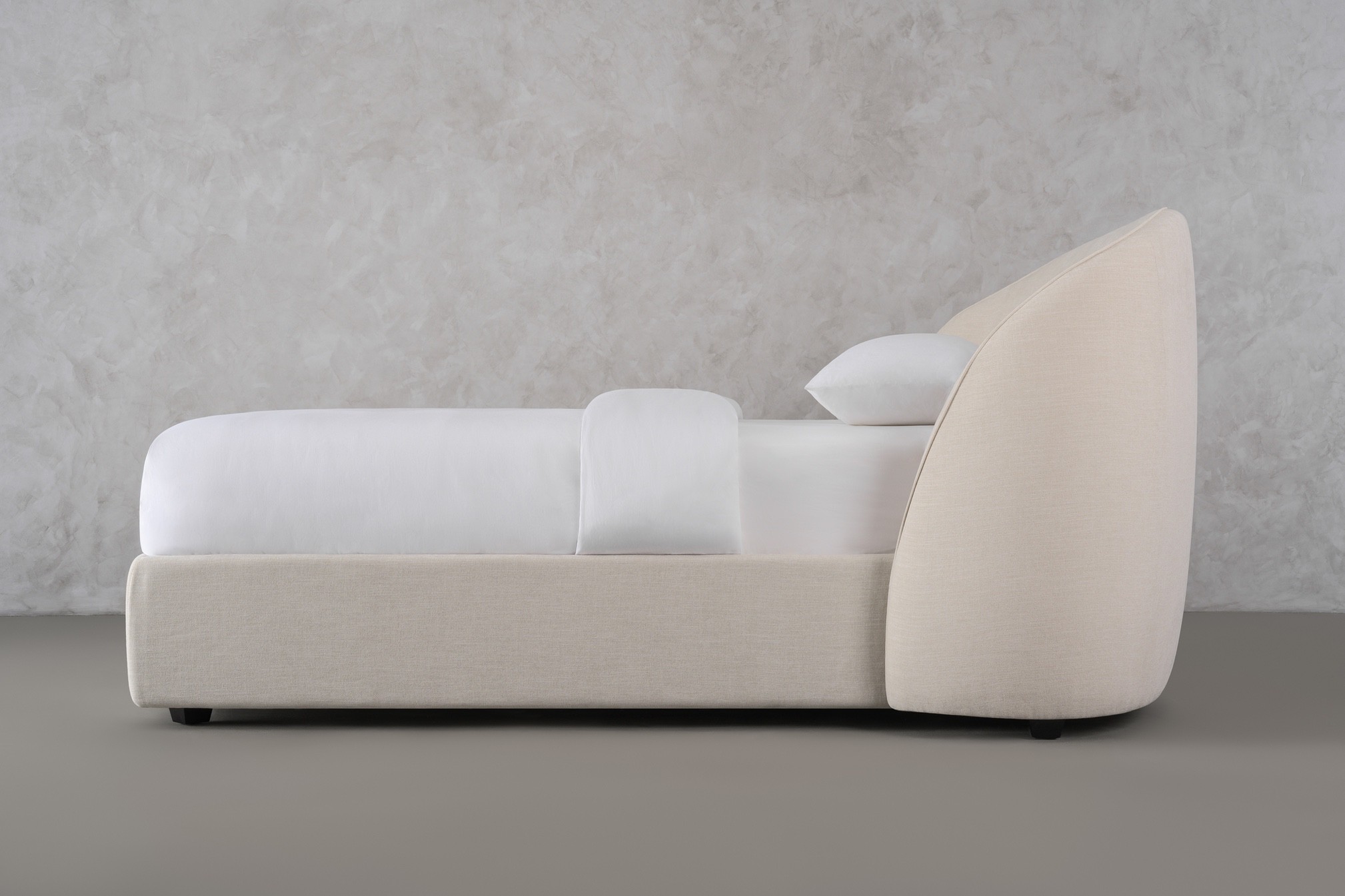
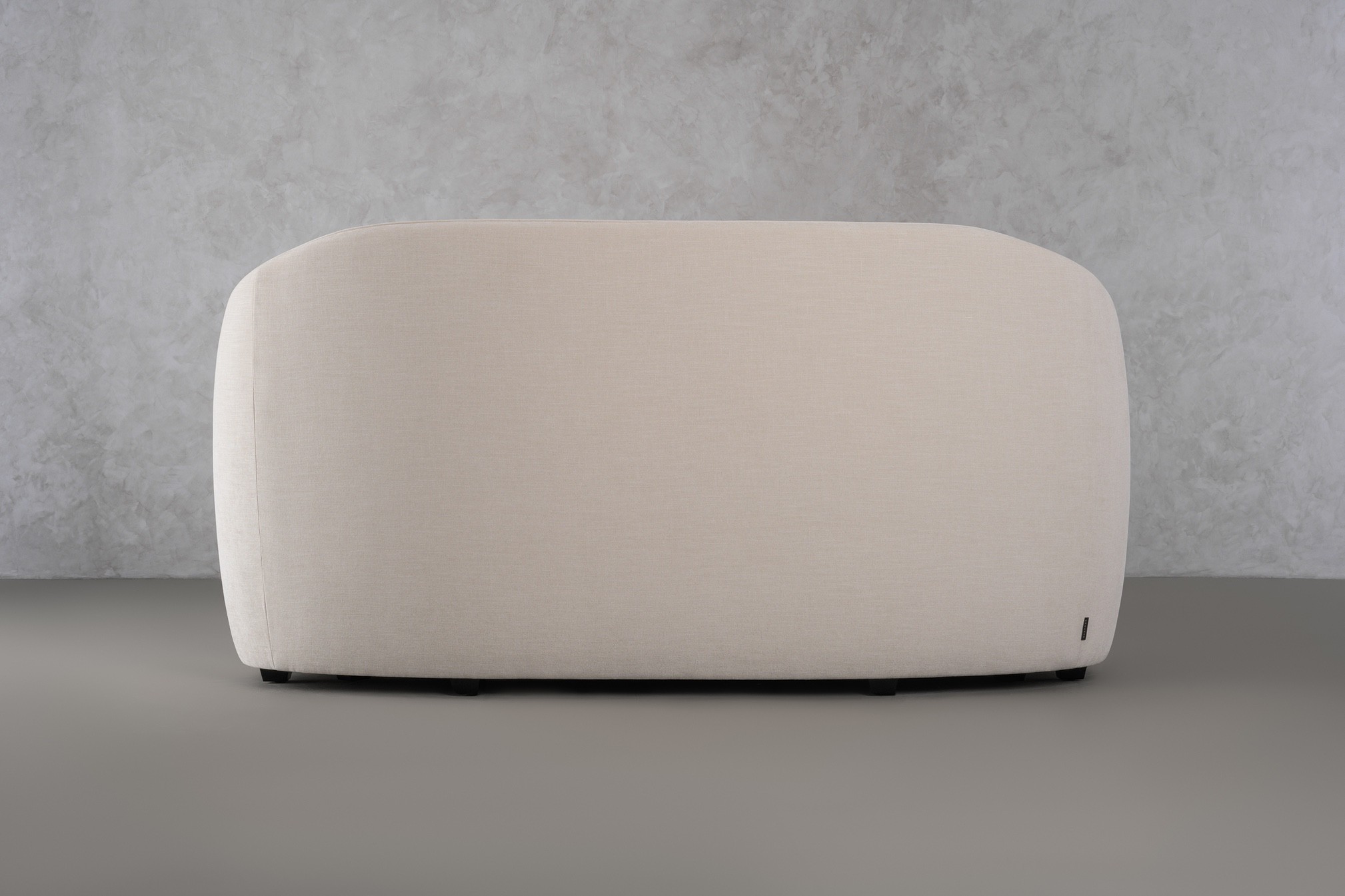
Most beds are designed to stand against a wall. Tess does not need one. The back is as resolved as the front: the same upholstery, the same continuous line, the same considered profile. This makes it a bed you can place in the centre of a room, at an angle, or in front of a window – wherever the bedroom plan asks for it. There is no wrong side.
Three Fabrics
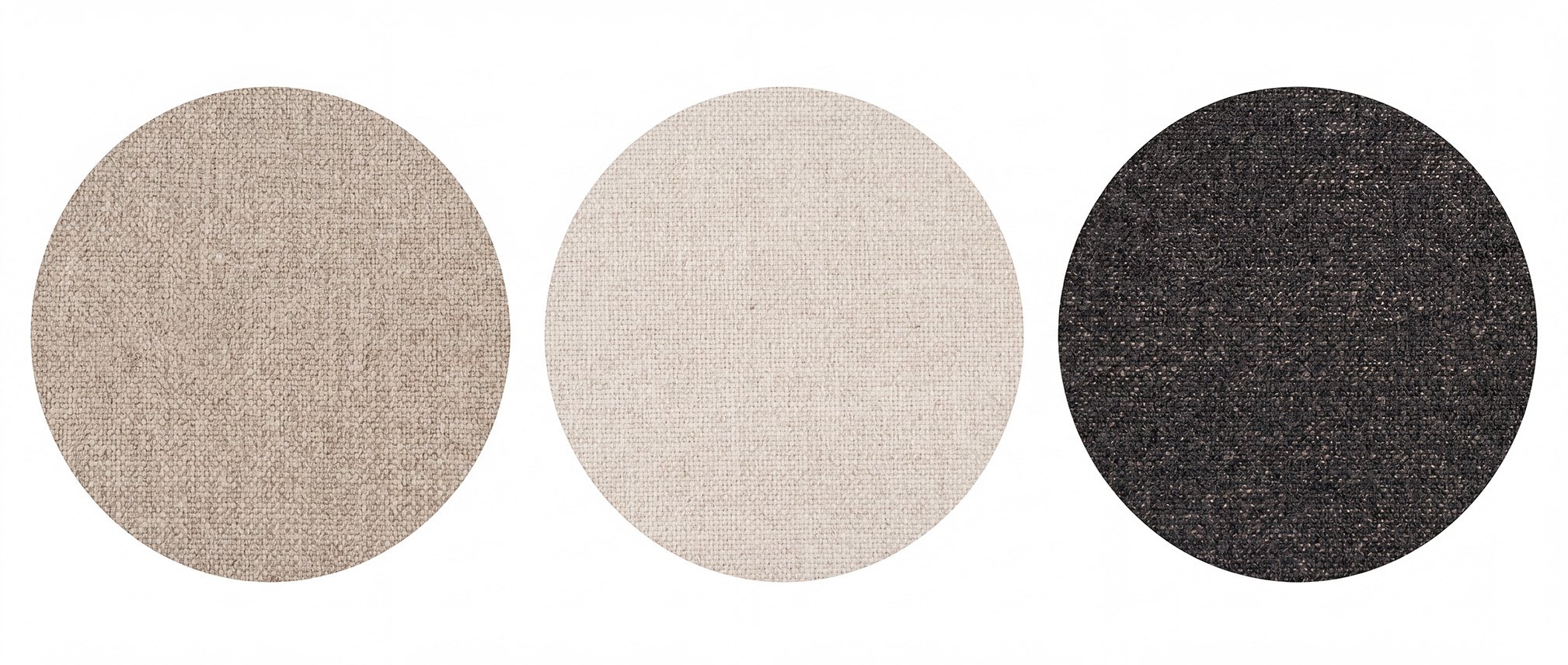
The same form, three different moods. In the lighter fabric, Tess dissolves into a pale bedroom – the curve is there, but it recedes. In the warm sand tone, the texture becomes more visible and the bed gains presence. In charcoal, the silhouette sharpens: the arc reads as a bold, graphic line against a light wall. The choice depends on whether the bed should blend in or stand forward.
Book a free design consultation and we will help you choose the right Tess for your bedroom – fabric, size, and placement
Items
All products