
Breaking the Block: David Girelli on the Bubble Collection
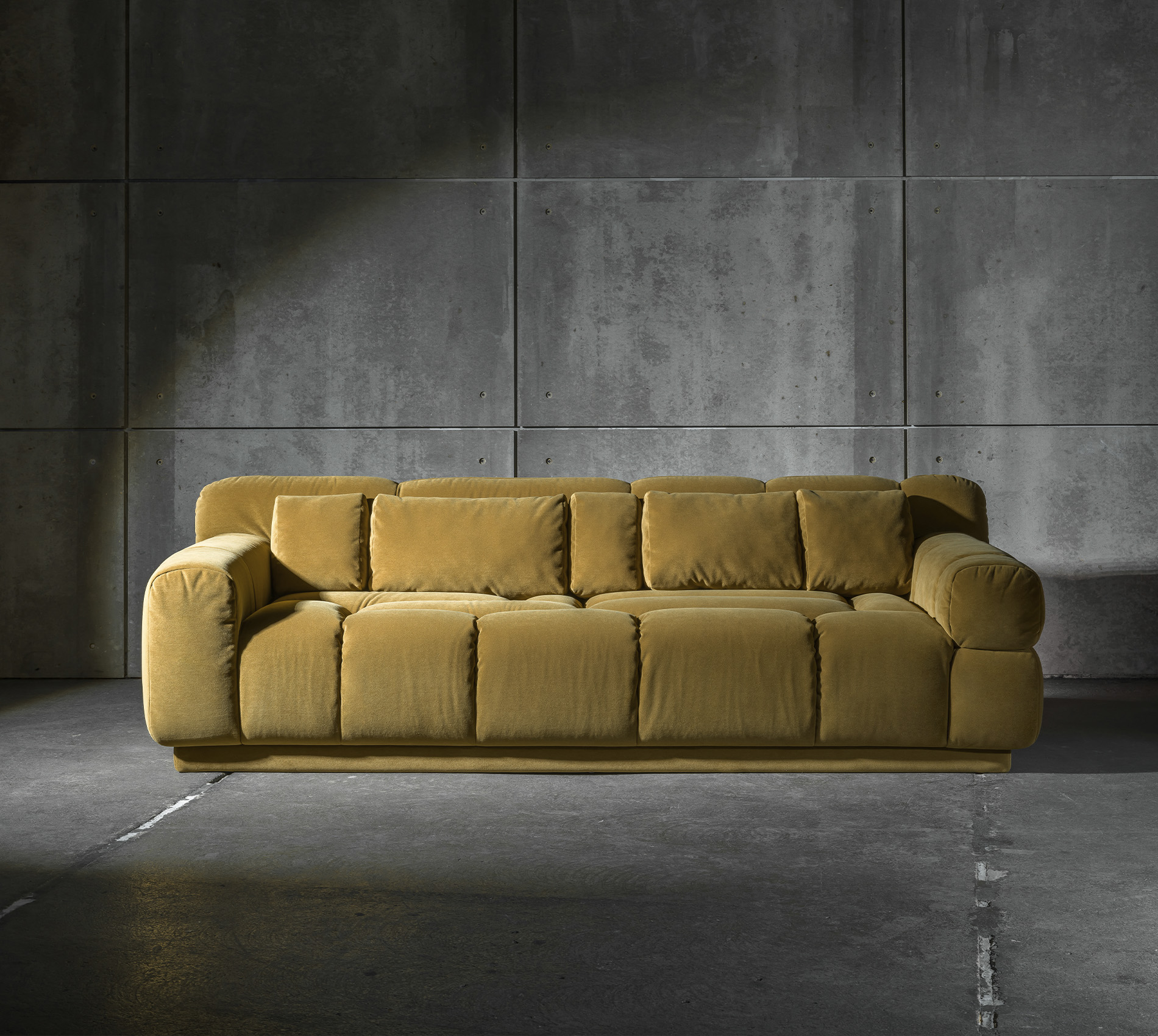

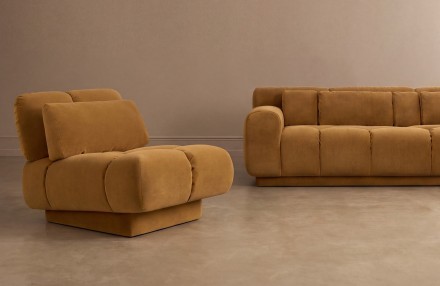
Most of the recognisable seating of the 60s and 70s shares a feature easy to miss until it is gone: regular tufting in even rows or square grids. The Bubble collection – designed by David Girelli for Dantone Home, the latest in an ongoing collaboration – sets out to disrupt that pattern.
The concept was to start with the rigidity of a standard rectangular form, which is practical and easy to place, and then break that blockiness
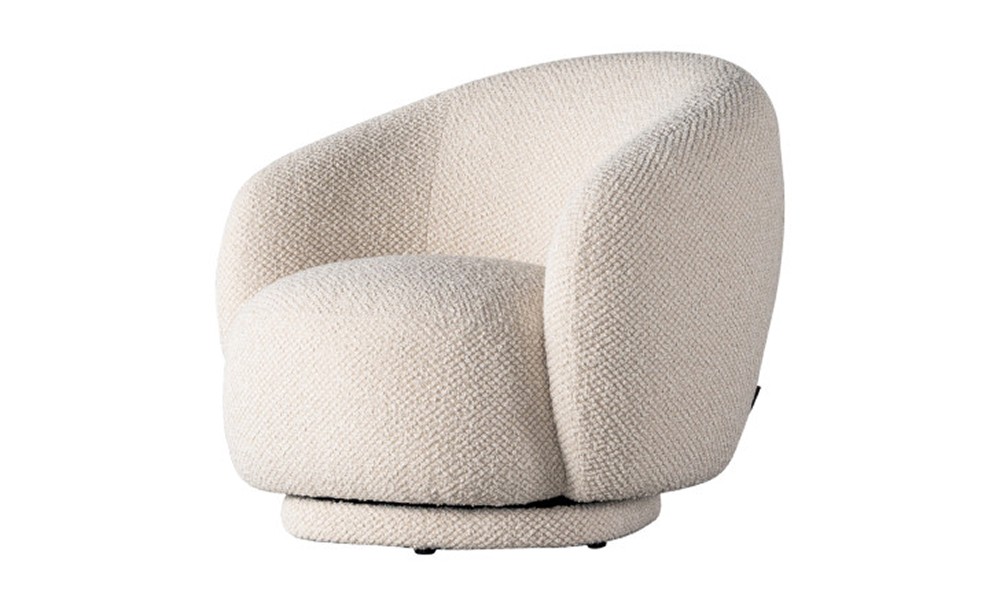
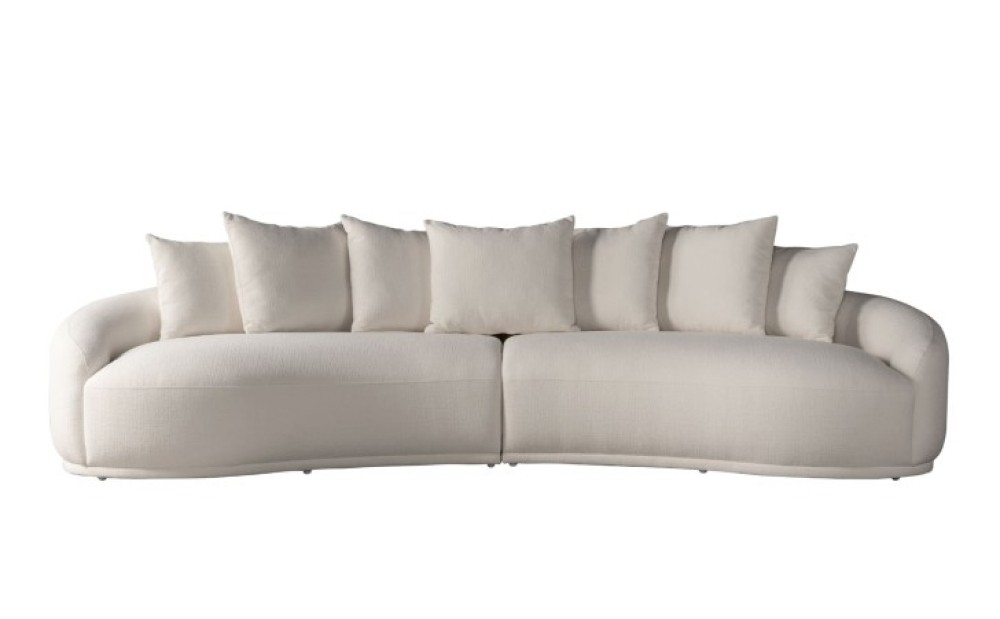
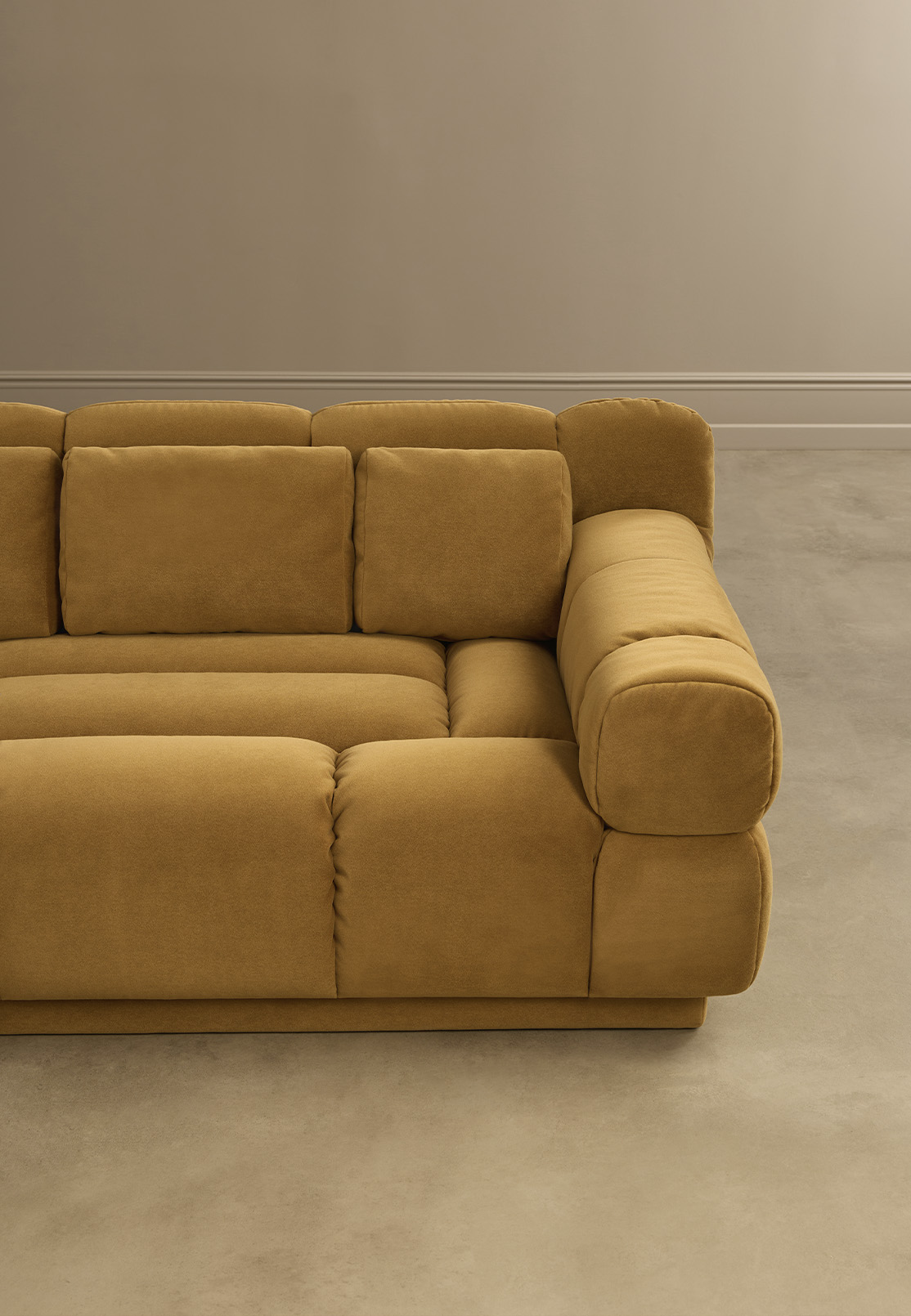
The collection has two pieces: an armless single seater and a three-seater. Both use the same approach to the surface.
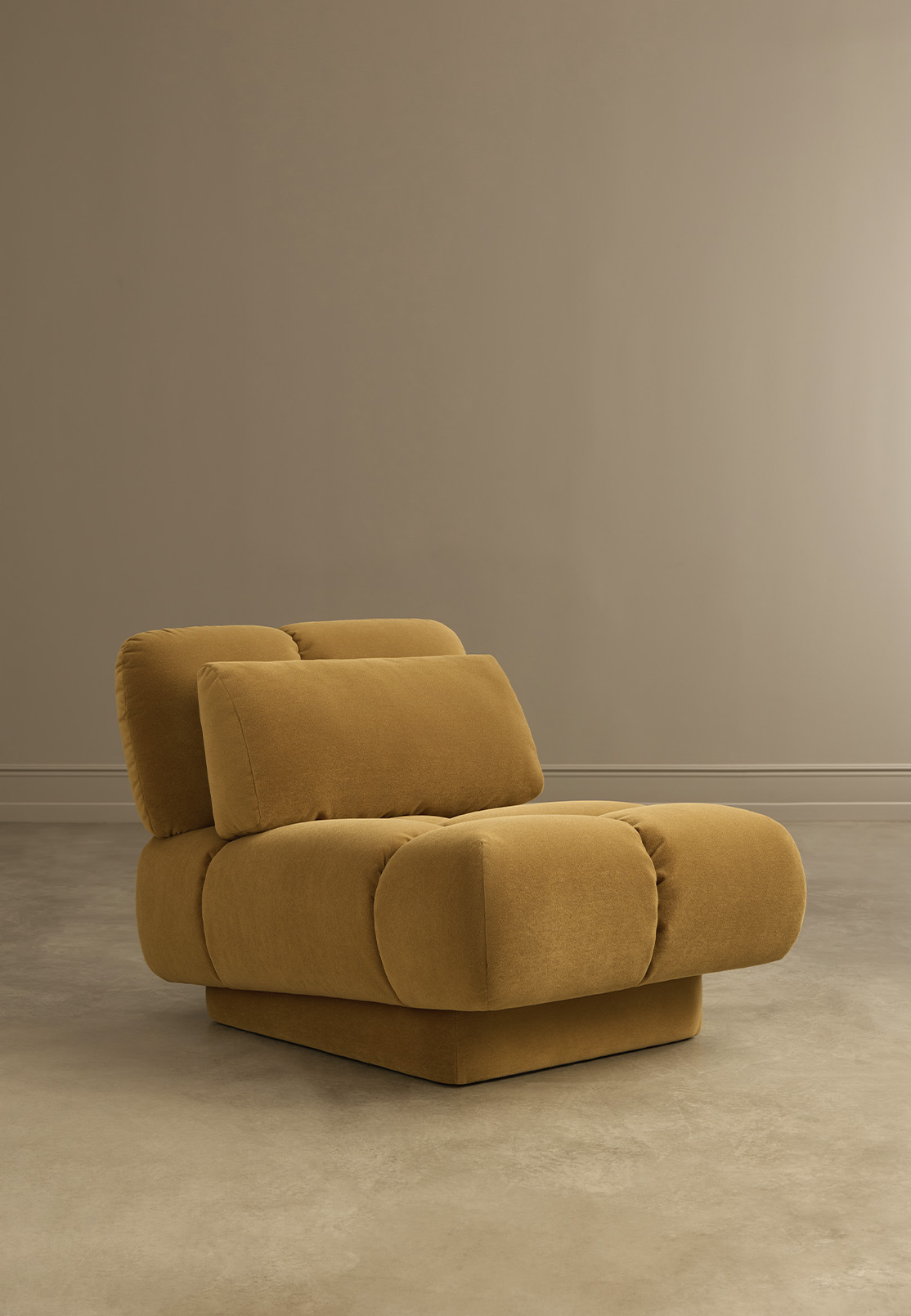
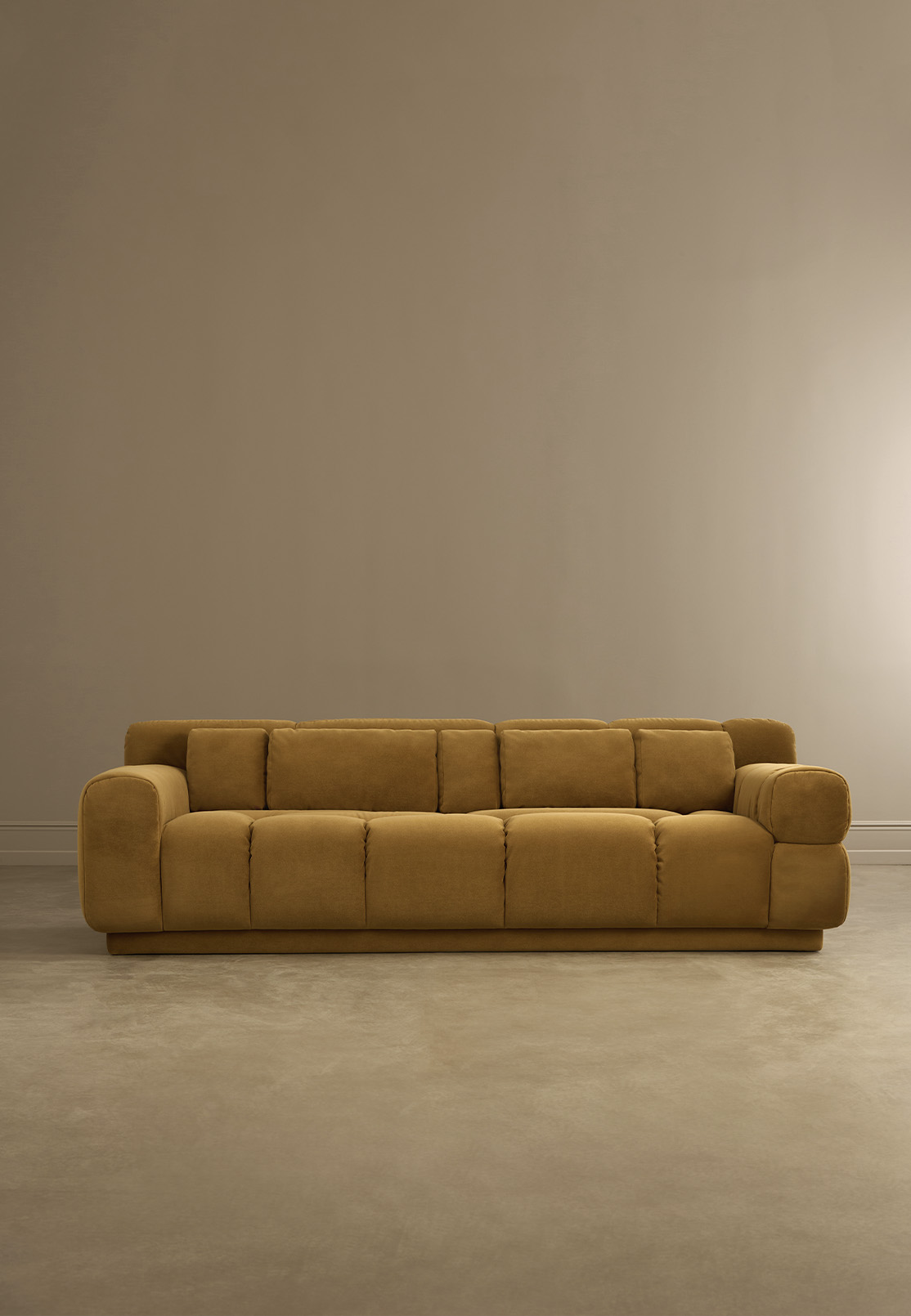
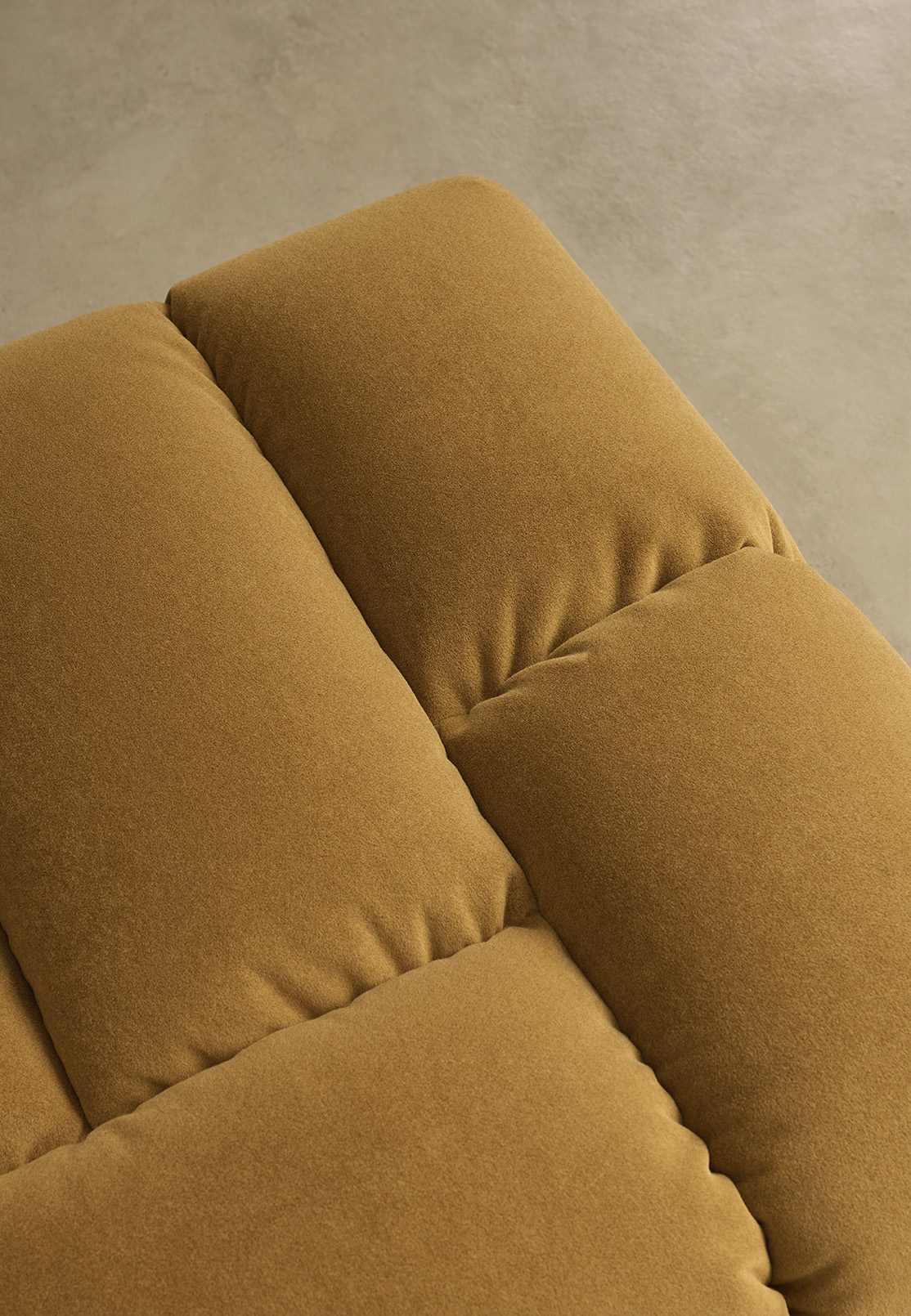
Seen from different angles, the same upholstery reads differently. The irregular tufts catch light unevenly, so the surface shifts as the viewer moves around it.
Engineering Softness
A surface like this is harder to make than a square grid. With irregular tufts, the tension of the fabric has to be calibrated for each one separately. Too little, and the bubble loses volume; too much, and the fabric pulls flat.
It took numerous prototypes to find the perfect equilibrium between the volume of the 'bubbles' and the way the fabric folds naturally. If the tension is off by even a few millimetres, the aesthetic is compromised
Girelli's move from engineering to furniture grew out of an interest in this exact scale of work. A chair, in his view, is 'tactile, intimate, and ergonomic' – which is also why the millimetres on a tufting line matter to him in a way they would not to most designers.
Working With Dantone Home
Bubble is the most recent of several collections Girelli has developed with Dantone Home. The execution of the concept depended on that relationship. Standard production is built around standard forms; an irregular tufting pattern asks the manufacturer to retool around the design rather than the other way around.
The test Girelli applies to his own work is whether a piece will 'still feel relevant and beloved in twenty years.' Bubble was designed against that question.
The first chance to see Bubble in person comes soon, at Dantone Home